Surfing in Goa: Guide to India's Premier Beach Break Paradise
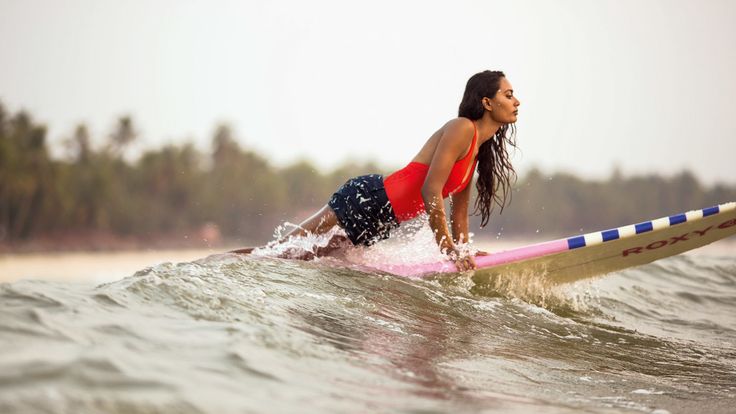
Picture this: warm turquoise water lapping at golden sand, palm trees swaying in the tropical breeze, and clean lines of swell rolling toward shore under endless sunshine. Now imagine learning to surf in this paradise for less than the cost of a fancy dinner back home. Welcome to Goa, India's smallest state and most unlikely surf destination.
For years, Goa was dismissed by the global surf community as a party beach without real waves. That reputation is changing fast. While it's true you won't find the grinding barrels of Indonesia or the heavy water of Hawaii, Goa offers something equally valuable: consistent beginner friendly beach breaks, an emerging surf culture, and the chance to combine wave riding with one of Asia's most unique cultural experiences.
Whether you're a first timer looking to stand up on a board for the very first time or an intermediate surfer seeking warm water practice sessions, Goa delivers. The surf scene here is still raw and developing, which means uncrowded lineups, affordable lessons, and the genuine stoke of a community that's building something from the ground up. Let's dive into everything you need to know about surfing in India's coastal gem.
The key takeaway: Goa is India's premier surf destination for beginners and intermediate surfers, offering warm water year round, mellow beach breaks perfect for learning, and affordable surf schools from October to March. North Goa's beaches like Arambol, Ashwem, and Mandrem provide the most consistent waves, while the laid back vibe and rich culture make it more than just a surf trip. Expect to pay around ₹1,500 to ₹2,500 ($18 to $30 USD) per lesson and catch waves one to two days per week during peak season.
Why Goa Is Perfect for Surfing (Especially Beginners)
Goa sits on India's western coast, facing the Arabian Sea with 100 kilometers of sandy beaches angled perfectly southwest. The geography creates a unique surf environment that's dramatically different from the powerful swells of Sri Lanka or Indonesia, despite sharing similar ocean exposure.
Warm Waters, Mellow Waves, and Year Round Sun
The water temperature in Goa hovers between 26 and 29 degrees Celsius throughout the surf season. You'll never need a wetsuit. This alone makes learning dramatically easier since you're not battling cold water shock or restricted movement from neoprene.
The wave heights typically range from knee to chest high, occasionally pushing overhead during post monsoon swells in October and November. These are forgiving beach breaks that roll in over soft sand bottoms. When you fall (and you will fall plenty), you're landing in warm water over sand, not cold water over sharp reef. The psychological difference is massive for first timers.
Because Goa lacks the deep water channels and offshore reefs that focus swell energy, the waves arrive with less power than comparable sized waves elsewhere. What experienced surfers might dismiss as mushy is actually perfect for beginners. You get more time to stand up, more room for error, and waves that don't punish mistakes as severely.
India's Most Developed Surf Scene
While surfing in India is still in its early stages compared to established surf nations, Goa leads the way. The first surf schools opened here around 2011, and the infrastructure has grown steadily since. You'll find multiple certified surf schools in North Goa, board rental shops, and even a surf hostel or two.
Most instructors are ISA certified or have extensive teaching experience. Many are international surfers who fell in love with Goa and stayed, bringing professional standards from surf cultures in Australia, Europe, and the Americas. This means you're getting legitimate instruction, not just someone who rode a few waves and decided to teach.
The surf schools here understand beginner psychology. They know how to make your first session fun rather than terrifying. The focus is on getting you standing and riding waves within your first lesson, using techniques refined over years of teaching nervous first timers.
The Unique Goan Surf Culture
Goa's surf scene blends the laid back hippie vibe the region is famous for with genuine surf stoke. You'll find Russian yogis sharing lineups with Indian tech workers on holiday, backpackers from Israel surfing alongside professional instructors from Brazil. The diversity creates an inclusive, welcoming atmosphere where everyone's just stoked to be in the water.
Unlike competitive surf spots where localism can be intense, Goa welcomes newcomers. The waves are plentiful enough and the crowds small enough that there's no territorial vibe. Surf schools actively encourage community, organizing beach cleanups, sunset sessions, and informal meetups.
This is also one of the few places where you can genuinely combine learning surf culture and terminology with exploring a radically different culture on land. After your morning session, you might visit 16th century Portuguese churches, tour spice plantations, or dive into some of the best seafood curry you'll ever taste.

When Is the Best Time to Surf in Goa?
Timing is everything for surfing in Goa. The surf season here is highly seasonal, with dramatic differences between dry and monsoon periods. Understanding the timing helps you maximize wave quality and avoid the off season when most surf schools are closed.
October to November: Post Monsoon Peak Season
October and November offer the most consistent surf conditions in Goa. The monsoon has just ended, leaving the ocean energized with residual swell energy. You'll typically see waves one to three times per week, with heights ranging from waist to overhead.
These months strike the perfect balance. The swells are strong enough to be genuinely fun but not so powerful that beginners feel overwhelmed. Water clarity is excellent after the monsoon rains have flushed out debris. Morning sessions often feature glassy conditions before afternoon sea breezes pick up.
The weather is outstanding, with warm days around 30 degrees Celsius, low humidity, and minimal rain. Tourist crowds haven't yet peaked for high season, so beaches feel spacious and surf schools aren't completely booked out. This is arguably the sweet spot for visiting Goa as a surfer.
Intermediate surfers find October and November most rewarding. You might score days with genuine overhead sets that allow for proper turns and maneuvers beyond basic trim. The A frame peaks at beaches like Arambol can even produce short hollow sections on the right conditions.
December to March: Beginner Friendly Dry Season
The core dry season from December through March sees smaller, less consistent waves but offers other advantages. This is high tourist season in Goa, meaning all surf schools are fully operational, accommodation options are plentiful, and the social scene is vibrant.
Wave heights drop to mostly knee to waist high, with the occasional chest high set on good days. Expect surfable conditions roughly once or twice per week. The waves are gentler and slower, making this the ideal window for absolute beginners taking their first lessons.
The tradeoff for smaller surf is near perfect weather and a buzzing atmosphere. Temperatures hover around 32 degrees Celsius with virtually no rain. Beach shacks are open, live music fills the evenings, and you'll meet travelers from around the world. If you're combining surfing with the broader Goa experience, this period delivers.
December specifically can still catch some larger swells from the transitional period. January and February tend to be flatter, while March occasionally sees pre monsoon energy building. If you're flexible with dates, early December or late March might offer slightly better wave potential than mid season.
April to May: Pre Monsoon Swells for Intermediates
April and May represent a shoulder season that many visitors overlook. As the monsoon approaches, the ocean starts showing more energy. Intermediate surfers who don't need perfect beginner conditions can score surprisingly good sessions during this window.
Wave heights increase to chest to head high fairly regularly. The water remains warm and the weather is hot, though humidity climbs. Crowds thin out dramatically as most tourists have left and monsoon travelers haven't yet arrived. You might have entire beaches nearly to yourself.
The downside is less predictable conditions and fewer operating surf schools. Some close for the season or reduce their schedules. If you're an experienced surfer comfortable reading forecasts and handling variable conditions, this can be a rewarding time to visit. First timers should probably stick to the main season.
Monsoon Season: Why Most Surf Schools Close
From June through September, the southwest monsoon dominates Goa's coast. While this period can produce the biggest waves of the year, sometimes reaching 10 to 12 feet, the conditions are generally unsuitable for recreational surfing.
Strong onshore winds blow constantly, making the ocean choppy and disorganized. Rain comes in heavy bursts. Water clarity drops significantly. Most importantly, the combination of size, wind, and currents creates genuinely dangerous conditions for anyone except very experienced surfers.
Nearly all surf schools shut down during monsoon. Many beach shacks and guesthouses close as well. The few surfers who do paddle out during this period are seasoned locals who know the breaks intimately and understand the risks. Unless you're an advanced surfer specifically seeking challenging conditions, skip the monsoon for surfing purposes.
Best Surf Spots in North Goa
North Goa concentrates the best surf breaks, most established surf schools, and liveliest beach culture. The coastline here faces directly into Arabian Sea swells with minimal obstruction. Three beaches in particular stand out as the core of Goa's surf scene.
Arambol Beach: The Heart of Goa's Surf Scene
Arambol serves as the epicenter of surfing in Goa and arguably the most consistent spot in the state. The beach stretches for over a kilometer, offering multiple peaks that spread crowds naturally. A diamond shaped sandbar system in front of the main surf area creates clean A frame peaks when conditions align.
The waves here handle everything from knee high to legitimate overhead sets. On smaller days, it's perfect for beginners with slow rolling waves ideal for practicing pop ups. When swell arrives, the rights tend to hold better form and can even get hollow on lower tides, offering proper walls for turns.
Surf Wala, one of Goa's original surf schools, operates right on Arambol Beach. They've been teaching since 2011 and have the experience to show for it. The school offers both group lessons with a maximum of four students per instructor and private sessions for those wanting individual attention or dealing with water anxiety.
Beyond surfing, Arambol pulses with energy. The beach hosts drum circles at sunset, live music venues line the streets, and the town maintains a distinctly bohemian character. Russian travelers have established a strong presence here, and you'll hear multiple languages in any given lineup. It's vibrant, sometimes chaotic, and undeniably fun.
The main drawback is crowds during peak season. Arambol's popularity means you're rarely alone in the water, especially during December and January. If you prefer solitude, arrive for dawn sessions or explore the less developed beaches nearby.
Ashwem Beach: Consistent Swells and Chill Vibes
Just south of Arambol, Ashwem offers some of the most consistent surf in Goa thanks to excellent swell exposure. The west facing bay picks up more energy than neighboring beaches, translating to more regular surfable days throughout the season.
The waves break slowly across the entire beach, creating long cruisy rides perfect for beginners working on their trim and balance. When size increases, the waves can form neat wedges that intermediate surfers enjoy for practicing turns. The break rarely exceeds six feet and starts closing out above that height.
Ashwem maintains a more relaxed atmosphere than Arambol. The beach attracts visitors seeking a quieter vibe, with upscale beach shacks serving fresh seafood and craft cocktails. The Russian influence is strong here too, but the energy leans more toward yoga retreats and wellness than party scene.
Multiple surf schools operate on Ashwem, including operations with ISA qualified coaches. Jack's Surf School sits right on the sand and has built a solid reputation for quality instruction. The setting feels less hectic than Arambol while still providing easy access to lessons, rentals, and surf community.
During monsoon season, kitesurfers take over Ashwem as the winds pick up. If you're interested in trying kitesurfing alongside regular surfing, this is the spot to base yourself, though you'll need to time your visit for the transitional periods when both are possible.
Mandrem Beach: Uncrowded and Beginner Friendly
Mandrem represents Goa's best kept secret for learning to surf in relative peace. The beach earned official designation as a turtle sanctuary, which restricts commercial development directly on the beachfront. This keeps Mandrem quieter and less crowded than its neighbors to the north.
The waves here break over forgiving sandbars, creating gentle conditions ideal for first lessons. Heights rarely exceed chest high, and the slow rolling nature of the waves gives beginners plenty of time to execute their pop ups. Water is never too deep close to shore, which helps nervous swimmers feel more secure.
Only one or two surf schools regularly operate at Mandrem, meaning the water stays blissfully uncrowded even during high season. You'll often surf with just your lesson group and a handful of other learners, a stark contrast to the circus atmosphere that can develop at Arambol on busy days.
Salty Soul Surf Shack bases its operations at Mandrem and has built an excellent reputation for patient, safety focused instruction. They offer the standard group and private lesson formats, plus multi day course packages that provide better value for those committing to several sessions.
The lack of development means fewer dining and accommodation options directly on the beach. You'll need to stay in nearby villages or be willing to walk a bit. For surfers prioritizing quality waves over nightlife access, this tradeoff is well worth it. The peaceful atmosphere and consistent conditions make Mandrem special.
Morjim Beach: Turtle Sanctuary Meets Surf Break
Morjim sits slightly south of the main North Goa surf hub but deserves mention for its growing surf scene. Like Mandrem, Morjim's status as a protected turtle nesting site has limited development, preserving a more natural beach environment.
The waves at Morjim can produce fun longer rides when the sandbars set up correctly. Conditions are variable, with some stretches of beach working better than others depending on recent sand movement. Local knowledge helps significantly here, making it worth connecting with a surf school that knows the current best spots.
Several surf schools have established bases at Morjim, offering the full range of lessons and rentals. The beach attracts a mix of surfers and general beachgoers, creating a relaxed social scene without the intensity of Arambol's party culture.
Morjim is also becoming known as a hub for kitesurfing during wind season, similar to Ashwem. The open beach provides excellent space for kite launching and landing. If you're interested in trying multiple water sports beyond just surfing, Morjim's versatility makes it worth considering.
Baga and Calangute: Tourist Central with Occasional Waves
Baga and Calangute represent the most developed, tourist heavy beaches in North Goa. These are not surf destinations in any real sense, but they occasionally offer rideable waves and deserve mention for travelers based in these areas who want to try surfing.
The shoreline at both beaches drops off more steeply than the prime surf spots, causing waves to suck up and dump close to shore. This creates short, punchy shore breaks that are difficult to surf properly. When conditions are right, you might find a small right peeling off the Baga River mouth, but it's inconsistent and often affected by boat traffic.
The main advantage of these beaches is proximity if you're already staying in the Candolim to Baga strip for other reasons. Some surf schools offer lessons here, though they may transport you to better beaches like Ashwem for the actual water time.
For anyone planning a surf focused trip, skip Baga and Calangute. The waves are inferior, the crowds are intense, and the beach vibe is commercial rather than surf culture. Head north to Arambol, Ashwem, or Mandrem where the real surf happens.
Best Surf Spots in South Goa
South Goa offers a different energy than the north. The beaches are generally quieter, less developed, and more oriented toward relaxation than party culture. While the surf is less consistent overall, a few spots provide worthwhile waves for beginners and longboarders.
Agonda Beach: South Goa's Most Consistent Break
Agonda stands out as the premier surfing beach in South Goa. The long crescent bay picks up swell better than other southern beaches, providing more regular surfable days throughout the season. Expect waves in the two to five foot range when conditions align, with light easterly winds creating clean conditions.
The beach produces punchy little peaks that march across the entire length of the bay. The northern end tends to have stronger, more defined waves before the coastline curves inward. High volume boards are essential here since the wave size often stays on the smaller side, even during good swells.
Aloha Surf School operates at Agonda and is run by Velumurgan (known as Velu), an ISA certified instructor with over 25 years of surfing experience. Velu personally teaches many of the lessons and brings deep knowledge of wave dynamics and proper technique. The school uses surfboards from Temple Surfboards, India's handmade board company based in Mahabalipuram.
Agonda's setting is stunning. The beach remains relatively undeveloped with low key shacks and guesthouses rather than large resorts. Coconut palms fringe the sand, and the whole atmosphere feels more Caribbean than typical Indian beach. After surfing, you can enjoy fresh seafood at beachfront restaurants or simply relax in a hammock.
The main consideration for Agonda is that it requires more patience than North Goa spots. You might wait several days between quality surf sessions. For travelers prioritizing a peaceful South Goa experience with occasional surfing rather than a pure surf trip, Agonda delivers beautifully.
Palolem Beach: Paradise for First Timers
Palolem's reputation as one of Goa's most beautiful beaches is well deserved. The perfect crescent of sand, backed by palms and flanked by rocky headlands, creates a picture postcard setting. While the surf is limited, the beach works well for absolute beginners taking their first lesson.
The shallow water and gentle shore breaks provide a safe environment for learning basic skills. Wave heights rarely exceed waist high, and the sandy bottom eliminates concerns about reef cuts or rocks. When waves are present at all, they're usually soft and forgiving, ideal for first pop up attempts.
Several surf schools offer lessons at Palolem, though the emphasis is more on introduction to surfing than serious progression. The beach attracts a laid back crowd of travelers, and the social scene revolves around sunset drinks, yoga classes, and beach hangouts rather than hardcore surf culture.
Palolem shines brightest as a base for travelers wanting to experience South Goa's relaxed vibe with a side of beginner surf lessons. Don't come expecting consistent waves or challenging conditions, but do come for the gorgeous setting and chill atmosphere.
Varca and Betalbatim: Caribbean Vibes with Gentle Shore Breaks
Varca Beach looks more like the Caribbean than India, with brilliant white sand and a shallow ledge extending into the ocean. This geography produces very small, gentle shore breaks that work mainly for foamboard practice and basic wave riding.
The waves here lack the power and form for proper surfing technique development. However, for nervous beginners wanting the absolute gentlest introduction possible, Varca offers that. The beautiful setting and minimal crowds create a pleasant environment for getting comfortable on a board.
Betalbatim Beach shares similar characteristics with Varca. The surf is minimal, mostly mushy shore breaks that occasionally organize into rideable waves during larger swells. Both beaches work better for general beach activities and relaxation than surfing specifically.
If you're based in South Goa for non surf reasons and want to try a lesson or two, these beaches provide options. But anyone serious about learning to surf should head to Agonda or make the trip north to Arambol and Ashwem where the wave quality is significantly better.

How to Choose the Right Surf School in Goa
Selecting a quality surf school makes the difference between a frustrating experience and a genuinely transformative first session. With dozens of operations now offering lessons in Goa, knowing what to look for helps ensure you get proper instruction rather than just renting a board and getting pushed into waves.
What Makes a Great Surf School
Instructor qualifications matter significantly. Look for schools where instructors hold ISA (International Surfing Association) certification or equivalent credentials. These certifications require comprehensive training in teaching methodology, ocean safety, and rescue techniques.
Student to instructor ratios should be clearly stated and reasonable. Quality schools maintain a maximum of four students per instructor for group lessons. Lower ratios mean more individual attention, better feedback on your technique, and safer conditions in the water.
Equipment quality reveals a lot about a school's standards. Professional operations use well maintained soft top boards appropriate for beginners, proper leashes, and rash guards. The boards should be in good condition without major dings or broken fins.
Safety protocols separate serious schools from casual operations. Instructors should conduct beach briefings covering ocean hazards, rip current identification, surf etiquette, and emergency procedures before entering the water. They should actively monitor conditions and students throughout the lesson.
Clear communication about expectations and pricing prevents misunderstandings. Reputable schools provide transparent information about lesson duration (typically 90 minutes to two hours), what's included, cancellation policies, and additional costs for photos or multi day packages.
Top Rated Surf Schools in North Goa
Surf Wala at Arambol Beach pioneered surf education in Goa, opening in 2011. Their instructors include international surfers with years of teaching experience. They offer group lessons (maximum four students) and private sessions, with particular expertise in working with non swimmers and nervous beginners. Prices start around ₹1,500 ($18 USD) for group lessons.
Salty Soul Surf Shack operates at Mandrem Beach with certified instructors focusing on personalized teaching approaches. They tailor instruction to individual learning styles rather than using a one size fits all method. The school guarantees you'll stand up during your first lesson or they provide another lesson free.
Swell Cats Surf Club at Ashwem Beach emphasizes technical progression with ISA certified instructors. They provide photo and video feedback sessions, allowing students to see their mistakes and corrections clearly. The school excels at beginner training while also offering intermediate coaching for those ready to progress beyond basics.
Goa Surf School at Arambol has built a strong reputation for multilingual instruction and patient teaching. Their instructors speak English, Russian, and several Indian languages, making them accessible to Goa's diverse visitor base. They also organize sea kayaking and SUP sessions for variety.
Best Surf Schools in South Goa
Aloha Surf School at Agonda Beach stands out for instructor quality. Velu, the founder and lead instructor, is ISA certified with 25 years of surfing experience. He personally teaches most lessons and brings deep technical knowledge. The school uses high quality Temple Surfboards and maintains small class sizes.
Pricing at Aloha typically runs ₹2,500 ($30 USD) for a single lesson, with multi day packages offering better rates (three day course around ₹4,500 or $55 USD, five day course around ₹7,500 or $90 USD). The higher prices reflect the quality of instruction and equipment.
Group Lessons vs Private Sessions: Which Is Right for You?
Group lessons cost less and offer social energy that some beginners find encouraging. Sharing the learning process with others creates camaraderie, and watching fellow students helps you learn from their mistakes too. Group rates typically range from ₹1,500 to ₹2,000 ($18 to $24 USD) per person.
The main limitation of group lessons is divided instructor attention. With four students, you're getting roughly 25% of the instructor's focus. For naturally athletic people or those comfortable in the ocean, this is usually sufficient. The instructor can still provide solid basic instruction and keep everyone safe.
Private lessons cost more but deliver dramatically better learning outcomes for many people. You receive 100% of the instructor's attention, allowing for detailed feedback on every aspect of your technique. Private sessions typically cost ₹2,500 to ₹3,500 ($30 to $42 USD) per person.
Private lessons are strongly recommended if you can't swim confidently, have significant water anxiety, or struggled with group lessons in the past. They're also valuable for intermediate surfers wanting to refine specific techniques rather than learning basics. The personalized attention accelerates progress and builds confidence faster.
Most schools offer semi private lessons for couples or small groups of friends. Two students with one instructor provides a middle ground between group dynamics and individual attention, often at better rates than fully private sessions.
How Much Does Surfing in Goa Cost?
Surfing in Goa is remarkably affordable compared to surf destinations in developed countries. Understanding the pricing structure helps you budget appropriately and identify good value versus overpriced operations.
Surf Lesson Prices Breakdown
Single group lessons typically range from ₹1,500 to ₹2,000 ($18 to $24 USD) per person. This includes board rental, rash guard, and 90 minutes to two hours of instruction (roughly 30 minutes beach theory, 60 to 90 minutes water time).
Private lessons cost between ₹2,500 and ₹3,500 ($30 to $42 USD) per person. The higher rate reflects individual attention and customized instruction. Some premium schools charge up to ₹4,000 ($48 USD) for private sessions with their most experienced instructors.
Kids lessons often cost slightly less, around ₹1,000 to ₹1,500 ($12 to $18 USD), with instruction tailored to younger students' attention spans and physical capabilities. Most schools accept children from age 7 or 8 upward, depending on swimming ability and comfort in water.
These prices are all inclusive, covering board use, safety equipment, and instruction. Some schools offer complimentary photos of your session, while others charge ₹500 to ₹1,000 ($6 to $12 USD) extra for professional photo packages.
Equipment Rental Costs
If you already know how to surf and just need a board, rental rates are very reasonable. Foamboards and longboards typically rent for ₹300 to ₹500 ($4 to $6 USD) per hour. Daily rates run ₹800 to ₹1,500 ($10 to $18 USD).
Shortboards cost slightly less to rent since they're less popular with the beginner focused crowd. Expect ₹300 to ₹400 ($4 to $5 USD) per hour or ₹600 to ₹1,000 ($7 to $12 USD) per day. Performance boards are harder to find but some schools keep a few in their quivers.
Wetsuits aren't necessary in Goa's warm water, though some schools offer rash guards included with lessons. If you need to rent a rash guard separately, prices run around ₹200 ($2.50 USD) per day.
Multi Day Course Packages and Deals
Multi day packages provide the best value for those committed to learning properly. A three day course (three 90 minute sessions over three days) typically costs ₹4,500 to ₹8,000 ($55 to $100 USD), saving you 20% to 30% versus single lessons.
Five day courses run ₹7,500 to ₹12,000 ($90 to $145 USD). These longer courses allow genuine progression from complete beginner to catching small waves independently. The daily repetition helps muscle memory develop faster than spacing lessons far apart.
Seven day intensive courses are available at some schools for serious students. Expect to pay ₹10,000 to ₹15,000 ($120 to $180 USD). By the end of a week of daily practice, most students can paddle out, position themselves, catch waves unassisted, and ride to shore with basic control.
Some schools throw in accommodation deals or partner with nearby guesthouses to offer surf and stay packages. These can provide additional savings and logistical convenience, particularly for solo travelers unfamiliar with the area.
Is Surfing in Goa Safe for Beginners?
Safety concerns are legitimate when learning any ocean sport. The good news is that Goa offers some of the safest beginner surfing conditions available anywhere. Understanding the actual risks and how to mitigate them puts safety in proper perspective.
Understanding Goa's Wave Conditions
The waves in Goa during surf season break over sandy bottoms with no sharp rocks or reef. This eliminates one of the major injury risks that beginners face at reef breaks. When you fall (which happens constantly when learning), you're landing in water over soft sand.
Wave size during the main season stays manageable for beginners. Chest high waves might feel intimidating at first, but they lack the heavy water volume and power of similar sized waves in places like Hawaii or Indonesia. The energy dissipates over the shallow shelf, creating waves that push rather than pound.
Water depth at the surf schools' teaching zones stays relatively shallow, typically waist to chest deep where beginners practice standing up. Instructors choose specific spots with forgiving sandbars and relatively consistent depth. You can always touch bottom, which is psychologically crucial for nervous beginners.
Common Safety Concerns Addressed
Rip currents exist at Goa's beaches but are generally weaker and less frequent than at many surf destinations. Quality surf schools teach rip current identification and escape techniques during beach briefings. The key is swimming parallel to shore rather than fighting directly against the current.
Marine life encounters are rare. Shark attacks on surfers in Goa are virtually unheard of. The waters here don't support large shark populations, and the coastal sharks present are typically non aggressive species. Jellyfish occasionally appear but are not common during the main surf season.
Sunburn poses a more realistic danger than anything in the water. The tropical sun is intense, and you're getting hit from above and reflected off the water. Reef safe sunscreen on exposed areas, plus a rash guard, prevents the painful burns that can ruin a surf trip. Reapply sunscreen after each session.
Dehydration and heat exhaustion affect beginners who underestimate the physical demands of surfing. Paddling, popping up repeatedly, and being in warm water for 90 minutes is genuinely taxing. Drink plenty of water before lessons and immediately after. Listen to your body and take breaks when needed.
What If You Can't Swim?
Many surf schools in Goa work successfully with non swimmers or weak swimmers. The key is honesty with your instructor and booking private lessons rather than group sessions. An instructor can give you one on one attention, keeping you in shallow water where you can always stand.
You'll use larger, more buoyant boards that provide extra flotation. Lessons focus initially on board control in very shallow water, building comfort gradually. Some schools have students practice in pools or calm lagoons before entering open ocean.
That said, developing at least basic swimming confidence before attempting to learn surfing makes the process far more enjoyable. If you have time before your trip, consider taking swimming lessons at home. Being able to float comfortably on your back and tread water for a few minutes significantly improves your ocean safety and reduces anxiety.
Essential Safety Equipment and Rules
All students should wear a leash connecting their ankle to the surfboard. This prevents the board from washing away and gives you something to hold onto if you get tired. Leashes are standard equipment provided by all legitimate surf schools.
Rash guards protect your skin from sunburn and from rashes caused by rubbing against the wax and deck of the board. Most schools include these with lessons, but bringing your own ensures proper fit.
Following surf etiquette isn't just politeness, it's safety. The person closest to the peak has right of way on a wave. Don't drop in on someone already riding. When paddling out, give riders on waves space to pass. These basic surf rules and terminology prevent collisions and maintain harmony in the lineup.
Never surf alone, especially as a beginner. Having other people in the water means help is available if something goes wrong. This is another advantage of taking lessons, your instructor serves as built in safety backup.
What to Expect in Your First Surf Lesson
Knowing what to expect reduces first lesson anxiety and helps you prepare mentally. While specific schools vary in their exact approach, most follow a similar structure refined through years of teaching beginners.
The Beach Theory Session
Your lesson begins on the beach with introductions and a safety briefing. The instructor covers ocean awareness, how to identify rip currents, what to do if you're caught in one, and general beach hazards to watch for. This typically takes 10 to 15 minutes.
Next comes surf theory. The instructor explains how waves form, how to identify which waves are rideable versus which will close out, and where to position yourself in the lineup. You'll learn about sets (groups of waves) and lulls (calm periods between sets).
Board anatomy comes next. You'll learn the names of different board parts (nose, tail, rails, fins, deck, bottom) and understand how board design affects performance. For beginners, the key point is understanding why you're using a large, thick foamboard (stability and buoyancy).
Wax application might be covered, though many foam boards use rubberized decks instead of wax. If wax is used, the instructor demonstrates proper application patterns that create grip without being so thick it's slippery.
Paddling and Pop Up Practice on Sand
Before entering the water, you'll practice every movement on the sand. The instructor positions boards and has students lie in proper paddling position, demonstrating correct stroke technique, body placement, and how to maintain balance while paddling.
Pop up practice consumes a significant portion of beach time, and for good reason. This single movement makes or breaks your ability to ride waves. The instructor breaks down the pop up into steps: hands pressing near your chest, explosive push to plank position, feet coming underneath you, and rising to a stable crouch.
You'll repeat pop ups probably 20 to 30 times on the beach. It feels silly practicing on sand, but muscle memory developed here translates directly to the water. The instructor corrects common mistakes like placing hands too far forward, stepping up one foot at a time instead of jumping, or straightening your legs too quickly.
Stance and balance round out the beach session. You'll learn proper surf stance (feet shoulder width apart, knees bent, weight centered, arms out for balance) and practice staying in that position while the instructor gently rocks the board. This whole beach portion typically takes 30 to 40 minutes.
Getting in the Water: Your First Waves
Entry to the ocean happens carefully. The instructor demonstrates how to carry your board (one hand on the nose, board on your hip), how to time your entry between sets, and how to get past small breaking waves on your way out.
Initial water practice focuses on paddling and board control. You'll paddle around, practice sitting on the board, and get comfortable with the ocean moving beneath you. This orientation period helps your body adjust before adding the complexity of actually catching waves.
Your first wave comes when the instructor decides you're ready. For true beginners, the instructor typically pushes you into the wave, giving your board the initial momentum needed to catch it. Your job is simple: feel the board accelerate, pop up using the technique practiced on the beach, and try to stay standing.
Most people fall on their first attempt. That's completely normal and expected. The instructor provides feedback (hands too far forward, waited too long to pop up, stood up too straight, etc.) and you try again. And again. And again.
By the end of a 90 minute lesson, most students have successfully stood up and ridden at least a few waves to shore. You probably won't look graceful and your form will need work, but the feeling of riding your first wave is unforgettable. That moment hooks people on surfing.
Typical Lesson Duration and Structure
Standard lessons run 90 minutes to two hours total. Budget roughly 30 minutes for beach instruction and safety briefing, leaving 60 to 90 minutes of actual water time. This timing allows for warm up, multiple wave attempts, rest periods, and feedback without completely exhausting beginners.
Morning sessions are most popular and often provide the best conditions. Most schools offer two windows: early session around 8:00 AM and a second session around 10:00 AM. Dawn sessions when the beach is nearly empty offer magical conditions with glassy water and few crowds.
Some schools run afternoon or sunset sessions, particularly during peak season when demand is high. Conditions can be slightly choppier as afternoon sea breezes pick up, but the lighting is beautiful and the heat is less intense.
Surfboard Types and What Beginners Should Use
Walking into a surf shop and seeing dozens of different board shapes can be overwhelming. Understanding the basic categories and what works for beginners helps you avoid inappropriate equipment that makes learning harder.
Foamboards: The Perfect Starting Point
Soft top foam boards are specifically designed for learning. These boards feature thick foam construction with soft deck surfaces, making them safer and more forgiving than traditional fiberglass boards. If you hit yourself with a foam board (which you will), it doesn't hurt nearly as much.
The large size and volume of beginner foam boards provides tremendous stability. These boards are typically 8 to 9 feet long with significant width and thickness. All that volume creates buoyancy, making paddling easier and helping the board catch waves with minimal speed.
Foam boards are nearly indestructible, which matters when you're learning. You'll hit the board against the sand, against other boards, and against yourself. Foam construction absorbs these impacts without dinging or cracking like fiberglass would.
Every surf school in Goa uses foam boards for beginner lessons. You should too if renting equipment on your own. Don't let anyone convince you to start on a small fiberglass shortboard because it looks cooler. That's a recipe for frustration and very slow progress.
Longboards vs Shortboards in Goa's Conditions
Traditional longboards (8 to 10 feet long, made of fiberglass or epoxy) work beautifully in Goa's small wave conditions. The extra length and volume helps catch weak swells that shortboards would struggle with. Longboarding emphasizes smooth trim, nose riding, and classic style over aggressive maneuvers.
For intermediate surfers, longboards let you maximize the small wave days that are common in Goa. When waves are only knee to waist high, a longboard allows you to actually surf rather than just bob around hoping for something rideable. The laid back longboard style fits Goa's chill vibe perfectly.
Shortboards (under 7 feet) are performance oriented boards designed for powerful waves and radical maneuvers. In Goa's typically mushy conditions, shortboards struggle. The waves lack the power to generate the speed shortboards need to perform properly.
Experienced shortboarders visiting Goa either bring or rent longboards to match the conditions, or they time their visits for post monsoon swells in October and November when waves occasionally have enough push for shortboard surfing. For learning purposes, forget shortboards entirely until you've mastered longboards.
Where to Rent Equipment in Goa
All established surf schools rent equipment to students and experienced surfers. Surf Wala at Arambol has a large quiver including longboards, shortboards, soft tops, minimals, and bodyboards. Rentals run ₹300 to ₹500 ($4 to $6 USD) per hour or ₹800 to ₹1,500 ($10 to $18 USD) per day.
Vaayu Waterman's Village at Ashwem operates Goa's most comprehensive surf shop, stocking boards, wetsuits (unnecessary but available), surf clothing, and accessories. They rent boards by the hour or day and can provide advice on selecting appropriate equipment for current conditions.
Most rental operations require a deposit (₹1,000 to ₹2,000 or $12 to $24 USD) or some form of ID (passport copy) as security. The equipment is generally well maintained, though thoroughly inspect any board before taking it. Check for fin damage, serious dings, or detached leashes that could cause problems in the water.
If you're staying in Goa for an extended period and plan to surf regularly, buying a used board locally might be cost effective. Travelers sell boards at the end of their trips, and you can often find decent foam boards for ₹3,000 to ₹8,000 ($36 to $100 USD). Check local Facebook groups, hostel bulletin boards, or ask at surf schools about secondhand equipment.

Where to Stay for Easy Surf Access
Accommodation location significantly impacts your surf experience. Staying near prime surf beaches means you can check conditions easily, catch early morning sessions, and maximize your water time without spending hours traveling.
Best Accommodations Near Arambol Beach
Arambol offers the widest range of accommodation options in North Goa, from basic hostels to upscale boutique hotels. For budget travelers, Happy Panda Hostel provides clean dorm beds starting around ₹500 ($6 USD) per night, a social atmosphere, and easy beach access just 10 minutes walk away.
Geranium Haven represents the newer wave of stylish accommodation in Arambol. Rooms run ₹3,000 to ₹5,000 ($36 to $60 USD) per night but deliver genuine comfort with modern amenities, strong wifi, and a peaceful garden setting slightly removed from the main beach chaos.
For the full surf lifestyle experience, stay at The Surf Club, literally on the beach in South Arambol. Basic rooms run around ₹1,000 to ₹2,000 ($12 to $24 USD) per night. The location can't be beaten, you can check the surf from your room and be in the water within two minutes. They host parties during peak season and maintain a genuine surf community vibe.
The Laughing Buddha offers middle ground pricing (₹450 to ₹800 or $5.50 to $10 USD per night) with simple rooms and excellent food in their beachfront restaurant. The sunset views are outstanding, and the location puts you close to Arambol's surf spots while maintaining slightly more tranquility than the town center.
Beachfront Stays in Ashwem and Mandrem
Vaayu Kula at Mandrem Beach is the ultimate surf stay in Goa. This beautifully designed property blends Balinese, Moroccan, and South Asian aesthetics in individual bungalows set within lush tropical gardens. Rooms range from ₹6,000 to ₹12,000 ($72 to $145 USD) per night.
The property includes an on site surf school with experienced instructors, a quality restaurant and bar, an art gallery, and even a small pool. You can literally walk from your room to surf lessons in under a minute. For surfers with budget flexibility wanting a premium Goa experience, Vaayu Kula is hard to beat.
The Thalassa Beach Boutique Resort at Ashwem provides another upscale option. The property sprawls across beachfront land with rooms offering ocean views, a boho chic design sense, and easy access to Ashwem's surf breaks. Expect to pay ₹5,000 to ₹8,000 ($60 to $100 USD) per night during peak season.
For simpler accommodations, numerous guesthouses and small hotels line the roads behind Ashwem and Mandrem beaches. These basic options offer clean rooms with private bathrooms for ₹800 to ₹2,000 ($10 to $24 USD) per night and put you within walking distance of the surf.
Budget Options for Surf Travelers
Mitra Hostel in Arambol embraces the classic backpacker surf hostel model. Dorm beds cost ₹400 to ₹600 ($5 to $7 USD) per night, and the social atmosphere makes it easy to meet other travelers and organize group surf sessions. The hostel is about 15 minutes walk from Arambol Beach.
SpiritHouse Hostel offers similar vibes and pricing with a slightly more spiritual/yoga oriented crowd. The common areas encourage connection, and many guests are learning to surf, creating built in surf buddies if you're traveling solo.
Local guesthouses in villages near surf beaches provide the cheapest accommodation, often ₹300 to ₹800 ($4 to $10 USD) per night for basic but clean rooms. Ask at surf schools for recommendations, as instructors often know reliable family run guesthouses that don't market online.
Surf Camps and Packages with Accommodation
Some surf schools partner with nearby accommodations to offer complete packages bundling lessons and lodging. These packages streamline logistics and often save money versus booking separately. Surf Wala, for example, offers surf camp packages starting around ₹15,000 ($180 USD) for five days including accommodation, daily lessons, and some meals.
The advantage of these packages is convenience, particularly for first time visitors unfamiliar with Goa. Transportation to lessons is handled, equipment is provided, and you're staying with other students creating automatic surf community. The downside is less flexibility in your schedule and accommodation style.
Beyond Surfing: Other Water Sports in Goa
When waves are flat or you want to diversify your water activities, Goa offers several other ocean sports that complement surfing nicely. Many surf schools have expanded to offer multiple activities, making it easy to try different things.
Kitesurfing and Windsurfing Opportunities
Ashwem and Morjim beaches transform into kitesurfing hubs during the windier months, particularly the transitional periods in May and late September. Steady thermal winds create excellent conditions for kiting, attracting dedicated kiters from around India and beyond.
Kitesurfing requires more extensive instruction than surfing since you're controlling both a board and a kite. Most schools offer multi day certification courses (IKO standards) starting around ₹25,000 to ₹35,000 ($300 to $420 USD) for complete beginner to independent rider progression. Single intro lessons run ₹3,000 to ₹5,000 ($36 to $60 USD).
Windsurfing appears at several North Goa beaches including Calangute and Baga, though the sport is less developed than kitesurfing. Schools offer short intro sessions (₹1,500 to ₹2,500 or $18 to $30 USD) where you learn basic rig control and short sailing runs in shallow water.
The wind patterns make these sports seasonal. Don't expect good kiting or windsurfing during the peak surf months of December through February. The activities complement each other across the year rather than overlapping.
Stand Up Paddleboarding (SUP) in Calm Conditions
SUP works beautifully on Goa's flatter days when surfing isn't happening. The calm water provides perfect conditions for learning balance and paddle technique. Several surf schools including Vaayu and Goa Surf School offer SUP lessons and rentals.
Intro SUP sessions typically cost ₹1,500 to ₹2,000 ($18 to $24 USD) for 60 to 90 minutes. You'll learn proper stance, efficient paddling technique, and how to turn the board. The learning curve is gentler than surfing, most people are standing and paddling successfully within 30 minutes.
SUP rentals run ₹400 to ₹800 ($5 to $10 USD) per hour for independent paddling. Popular activities include sunrise paddle sessions along calm beaches, exploring rocky coastlines accessible from the water, and simply cruising for exercise and meditation.
Some operators offer SUP yoga classes, combining paddleboarding with yoga poses performed on the board while floating. This challenges balance significantly and creates a unique practice environment, though it's more gimmick than serious yoga or SUP training.
Kayaking Through Goa's Coastal Waters
Sea kayaking provides another excellent alternative when surf is down. Several operators run guided kayaking trips along Goa's coastline, exploring beaches, rocky outcrops, and sometimes venturing into river mouths and backwaters.
Goa Surf School offers kayaking sessions starting around ₹1,500 ($18 USD) per person for two hour guided paddles. No previous experience is necessary, instructors provide basic technique coaching and safety information before launching.
The kayaking season runs most of the year except during heavy monsoon. The activity works particularly well during the calmer dry season months when ocean conditions are mellow and visibility is excellent. Some trips include snorkeling stops at rocky areas with basic marine life.
What to Do When the Waves Are Flat
Goa's surf can be inconsistent, with several flat days between swells. Rather than staring forlornly at the ocean, embrace Goa's incredible non surf offerings. The state provides enough cultural richness, natural beauty, and entertainment to fill any amount of downtime.
Exploring Old Goa's Portuguese Heritage
Old Goa, the former Portuguese colonial capital, offers stunning 16th and 17th century churches and cathedrals. The Basilica of Bom Jesus, a UNESCO World Heritage Site, houses the preserved remains of St. Francis Xavier. The architecture blends Portuguese baroque with tropical Indian elements uniquely.
These sites sit about an hour from North Goa's surf beaches, making them perfect half day trips. Guided tours provide historical context about Portuguese colonization, the spread of Christianity in India, and the unique Goan Catholic culture that developed. Tours run around ₹2,000 to ₹3,000 ($24 to $36 USD) per person.
The old colonial quarter of Panjim (Panaji), Goa's current capital, rewards exploration. Colorful Portuguese style houses line narrow streets, quality cafes serve excellent coffee, and the waterfront promenade offers sunset views. It's a mellow city perfect for wandering without specific agenda.
Yoga and Wellness in North Goa
Goa's yoga scene rivals its surf culture. Countless studios and retreat centers offer drop in classes, workshops, and full courses. Arambol alone has a dozen yoga studios within walking distance of the beach, making it easy to combine morning surf with afternoon yoga.
Drop in yoga classes cost ₹400 to ₹800 ($5 to $10 USD) per session. Styles range from vigorous vinyasa to gentle yin, with teachers from India and around the world. Many surfers find yoga tremendously beneficial for surfing, improving flexibility, balance, breath control, and body awareness.
Spa treatments and Ayurvedic massage provide perfect post surf recovery. A quality 60 minute massage runs ₹1,000 to ₹2,000 ($12 to $24 USD), helping work out the muscle soreness that comes from paddling and popping up repeatedly. Beachfront shacks offer cheaper massages (₹500 to ₹800 or $6 to $10 USD) with variable quality.
Beach Hopping and Sunset Spots
Goa's 100 kilometer coastline offers endless beach exploration. Rent a scooter (₹250 to ₹400 or $3 to $5 USD per day) and cruise the coastal roads, stopping at whatever beaches look appealing. Each has distinct character, from packed party beaches to nearly deserted stretches of pristine sand.
The northern beaches like Arambol and Mandrem provide excellent sunset watching. Find a beach shack, order fresh seafood and a cold beer, and watch the sun sink into the Arabian Sea. This is quintessential Goa, and these sunset sessions become as ritualistic as dawn surf checks.
South Goa's beaches offer even more tranquility. Palolem's crescent bay, Agonda's long sweep, and tiny Butterfly Beach (accessible only by boat or forest trail) provide escapes from crowds. Pack a picnic, bring a book, and spend the day alternating between swimming, reading, and napping in the shade.
Goa's Famous Party Scene
Goa's reputation as India's party capital is well earned. The nightlife ranges from beach shacks with live music to massive trance festivals. For surfers wanting to experience this side of Goa, Wednesday and Saturday nights are traditionally big party nights in Arambol.
Curlies and Shiva Valley in Anjuna host legendary trance and techno parties. Arrival at Vagator offers a more upscale club environment. These events run late into the night (or early morning), featuring international DJs and elaborate production.
For most surfers, the party scene provides occasional fun rather than nightly routine. Balancing late nights with early surf sessions is challenging, though many manage Saturday night parties knowing Sunday morning will be a rest day. The key is not letting the party overwhelm the surf mission that brought you to Goa.
How to Get to Goa and Get Around
Getting to Goa is straightforward thanks to the state's popularity with international and domestic tourists. Once there, getting between beaches and around the region requires some planning but presents no major difficulties.
Flying into Goa International Airport
Goa International Airport (also called Dabolim Airport) serves as the main air gateway. The airport sits on a headland in central Goa, roughly equidistant from north and south. International connections route primarily through major Indian hubs like Mumbai, Delhi, and Bangalore, with some seasonal direct flights from Middle Eastern and European cities.
From the airport to North Goa surf beaches takes 60 to 90 minutes depending on traffic and your exact destination. Pre paid taxi stands at the airport offer fixed rate taxis to major beach areas. Expect to pay ₹1,200 to ₹1,800 ($14 to $22 USD) to reach Arambol or Ashwem.
Ride sharing apps like Uber and Ola operate in Goa but availability from the airport can be spotty. Many travelers arrange airport pickup through their accommodation, which often costs slightly less than taxis and provides door to door service without navigation hassles.
Train Travel to North and South Goa
India's extensive train network connects Goa to major cities across the country. The overnight sleeper trains from Mumbai offer a genuine Indian travel experience, arriving in Goa after 10 to 12 hours of rattling through the Western Ghats.
For North Goa, Thivim station is closest to the main surf beaches, roughly 50 minutes by taxi to Arambol. Madgaon Junction in the south is the state's largest station but requires nearly two hours to reach North Goa beaches. Book tickets well in advance, particularly for sleeper and AC classes which fill up quickly.
Train travel in India is an adventure itself. The sleeper compartments buzz with life as passengers share food, stories, and chai purchased from vendors at stations. For travelers with time and cultural curiosity, trains beat flying for pure experience value, even if they're slower.
Getting Between Beaches and Surf Spots
Renting a scooter provides maximum flexibility for getting around North Goa. Rental shops are everywhere in tourist areas, charging ₹250 to ₹400 ($3 to $5 USD) per day depending on scooter age and condition. You'll need your passport, a deposit (₹2,000 to ₹5,000 or $24 to $60 USD), and ideally an international driving permit, though enforcement is inconsistent.
Scooters let you check multiple surf spots in a morning, explore inland areas, and maintain independence. The roads connecting North Goa beaches are mostly in decent condition. Traffic can be chaotic by Western standards but is manageable with defensive driving. Always wear a helmet, riding without one invites police fines.
Taxis and auto rickshaws work for point to point travel but get expensive for daily beach hopping. A taxi from Arambol to Ashwem runs ₹300 to ₹500 ($4 to $6 USD) for a 15 minute ride. Negotiate prices before getting in, and expect to pay more than app based estimates since tourist area taxis know they can charge premium rates.
Some surf schools offer pickup services from nearby accommodations, particularly for early morning lessons. This solves transportation for lesson days, though you'll still need your own transport for independent surfing and general exploration.
Packing List for Your Goa Surf Trip
Packing appropriately makes your trip smoother and ensures you have what you need without carrying unnecessary items. Goa's tropical climate and developed tourist infrastructure mean you can travel relatively light and buy anything forgotten locally.
Essential Surf Gear to Bring
If you own a quality surf watch, bring it for tracking sessions, tide times, and general timekeeping. However, you don't need to bring boards or wetsuits. Rental equipment is readily available, inexpensive, and saves the hassle and cost of traveling with boards.
A good rashguard or two is worth packing. While schools provide these with lessons, having your own ensures proper fit and means you can surf independently without needing to rent one. Long sleeve rashguards provide better sun protection than short sleeves for extended sessions.
Surf wax isn't necessary since most rental foam boards use textured decks instead. If you're planning to rent traditional boards and want specific wax, bring a bar or two since selection in Goa can be limited. Warm water wax appropriate for tropical conditions is what you need.
A waterproof phone case or pouch protects your devices if you want to document sessions. Some surfers bring small waterproof cameras for self filming, though most surf schools offer photo services if you want professional quality action shots.
Clothing for Tropical Beach Life
Light, breathable clothing works best in Goa's heat and humidity. Quick dry board shorts, swimsuits, and athletic wear serve for surfing and general beach time. Pack multiple swimsuits so you're never stuck wearing damp ones.
Casual evening wear for beach restaurants can be simple. Men typically wear shorts and t shirts, women wear sundresses or shorts and tanks. Even upscale beach clubs maintain relatively relaxed dress codes. One nicer outfit covers any situation you'll encounter.
A light hoodie or long sleeve shirt is useful for cooler evenings, air conditioned spaces, and protecting sunburned shoulders. Mornings can be surprisingly cool before the sun climbs, and covering up after a full day of sun exposure feels good.
Flip flops or sandals work for most of Goa, but bring one pair of athletic shoes for scooter riding, yoga classes, or inland exploration. The roads can be rough on bare feet, and some temples or churches require covered footwear.
Safety and Sun Protection Items
Reef safe sunscreen is crucial. Regular sunscreens contain chemicals that damage coral reefs and marine ecosystems. Several brands make mineral based, reef safe formulations specifically for ocean use. Bring enough for your trip as selection in Goa may be limited.
A quality wide brim hat protects your face when you're not in the water. The tropical sun is intense, and even with sunscreen, additional protection prevents burns and reduces skin damage risk over multi day trips.
Basic first aid supplies (bandaids, antibiotic ointment, pain relievers) handle minor scrapes and general discomfort. Include any personal medications plus backup prescription copies in case you need refills. Indian pharmacies are well stocked but having what you need avoids delays.
Water shoes aren't necessary for sandy surf breaks but can be useful for rocky beach areas or walking around town. Some visitors like them for in water protection, though they're not standard surf gear.
Surfing in Goa vs Other Indian Surf Destinations
India's surf scene is small but growing, with several coastal regions now offering wave riding opportunities. Understanding how Goa compares to other spots helps you choose the right destination for your India surf adventure.
Goa vs Kerala (Varkala and Kovalam)
Kerala's southern coast, particularly around Varkala and Kovalam near the city of Thiruvananthapuram, offers surfing with a different character than Goa. The waves in Kerala can be more powerful and consistent during peak season, attracting intermediate surfers seeking more challenging conditions.
However, Kerala's surf infrastructure lags behind Goa. Fewer established surf schools operate, equipment quality can be variable, and the surf community is smaller. Kerala excels at natural beauty and cultural experiences (backwater cruises, ayurvedic treatments, temple visits) but falls short of Goa for pure surf accessibility.
For beginners, Goa's more developed surf scene, gentler waves, and abundance of instruction options make it the better choice. Intermediate surfers who've already learned basics might find Kerala's waves more rewarding, particularly if they're combining surfing with exploration of Kerala's unique attractions.
Goa vs Pondicherry (Mahabalipuram)
The coast near Pondicherry (Puducherry) on India's southeast shore, particularly around Mahabalipuram, has emerged as another surf destination. The waves here break over a different swell window than Goa, with the Bay of Bengal providing energy rather than the Arabian Sea.
Mahabalipuram can offer quality point breaks and right hand waves during the post monsoon season from September through March. The surf culture here is authentic and growing, with Covelong Point Surf Festival bringing international attention to the region.
Goa maintains advantages in wave consistency for beginners, number of surf schools, and overall tourist infrastructure. Pondicherry/Mahabalipuram appeals to surfers wanting to experience Tamil Nadu's culture alongside surfing, offering different food, architecture, and local vibe than Goan Portuguese Catholic culture.
Why Goa Remains India's Top Surf Spot
Goa combines the most consistent beginner waves, best developed surf infrastructure, and richest overall experience for surf travelers. The concentration of quality surf schools with certified instructors, available rental equipment, and established surf community creates an environment where learning happens efficiently and safely.
The cultural attractions, food scene, accommodation range, and general tourist infrastructure exceed other Indian surf destinations. You can combine world class surfing instruction with Portuguese colonial history, spice plantation tours, incredible seafood, vibrant nightlife, and yoga retreats all within one compact state.
For first time visitors to India wanting to learn surfing, Goa is the obvious choice. The combination of suitable waves, professional instruction, tourist friendly environment, and cultural richness creates an unmatched package that other Indian surf spots don't yet equal.
Tips for Solo Travelers and Female Surfers
Solo travel to Goa for surfing is common and generally very manageable. The surf schools create automatic social connections, and the backpacker infrastructure means you're never truly alone unless you want to be. Female surfers will find Goa welcoming and safe with reasonable precautions.
Is Goa Safe for Solo Female Travelers?
Goa is generally safer for solo female travelers than much of India, though normal precautions apply. The tourist areas have significant international visitor presence, local communities are accustomed to Western travelers, and the surf schools employ both male and female instructors.
Specific safety considerations include avoiding isolated beaches after dark, using reputable taxi services rather than unlicensed drivers, and staying in established guesthouse areas rather than completely remote locations. The main tourist beaches have enough foot traffic that you're rarely completely alone.
Many surf schools employ female instructors or can arrange female instruction on request. This matters significantly for women dealing with cultural modesty concerns or simply feeling more comfortable learning from another woman. Don't hesitate to ask about instructor options when booking.
Female surfers should expect some attention from local guys, though it's rarely aggressive in tourist areas. Firm but polite refusals generally work. Beach communities tend to be protective of regular visitors, so connecting with your surf school and local spots creates a de facto support network.
Finding Your Surf Community in Goa
Surf schools serve as instant community hubs for solo travelers. Taking lessons puts you in contact with other learners, many of whom are also traveling alone. Informal surf sessions, sunset drinks, and shared meals develop naturally from these connections.
Staying in hostels accelerates social integration. Places like Happy Panda, Mitra Hostel, and SpiritHouse regularly host solo travelers learning to surf. Common areas, organized activities, and shared accommodations create friendships quickly.
The Surf Club in Arambol specifically caters to surf travelers and maintains a communal vibe. Even if you don't stay there, the club hosts regular gatherings, beach cleanups, and social events that welcome the broader surf community.
Some surfers use social media to connect before arriving. Facebook groups for Goa travelers, surf communities, and specific beach areas often have members coordinating meetups, sharing accommodation, and organizing group lessons.
Best Times to Travel Solo
Solo travelers find November through February ideal for social connection. These peak season months see maximum international visitors, all surf schools operating full schedules, and constant opportunities to meet people through lessons, accommodation, and beach hangouts.
October can be slightly quieter but still offers good conditions and enough visitors to prevent isolation. March sees crowds thinning but social opportunities still exist. April and May, as shoulder season, require more proactive effort to connect with other travelers.
Avoid the monsoon months (June through September) as a solo traveler unless you're very comfortable with solitude and difficult conditions. Most surf operations close, tourist numbers drop dramatically, and the combination of weather and emptiness creates a very different Goa experience.
FAQs About Surfing in Goa
Can I Learn to Surf in Goa If I've Never Done It Before?
Absolutely. Goa is one of the best places in the world for complete beginners to learn surfing. The warm water, gentle waves, sandy bottoms, and professional instruction create ideal learning conditions. Most students stand up and ride waves during their very first lesson. The combination of forgiving conditions and experienced instructors means you'll progress faster here than at many other surf destinations.
Do I Need to Be a Strong Swimmer?
You don't need to be a competitive swimmer, but basic water comfort helps tremendously. Being able to float on your back, tread water for a few minutes, and feel comfortable with your face underwater makes learning much easier. Many surf schools work successfully with weak swimmers or non swimmers through private lessons in very shallow water. However, developing basic swimming skills before your trip removes a major source of anxiety and lets you focus on actually learning to surf rather than managing water fear.
What's the Water Temperature Like?
Water temperature ranges from 26 to 29 degrees Celsius (79 to 84 degrees Fahrenheit) throughout the surf season. You will never need a wetsuit in Goa. The warm water is one of the destination's major advantages, making learning more comfortable and letting you stay in the water for extended sessions without cold limiting your practice time. A rashguard for sun protection is all you need.
Are There Sharks in Goa?
While sharks exist in the Arabian Sea, attacks on surfers in Goa are virtually unheard of. The coastal waters don't support large populations of aggressive shark species, and the thousands of surfers who paddle out in Goa each season do so without incident. Shark anxiety is understandable but statistically unjustified here. You're far more likely to get injured from your own surfboard or sunburn than from any marine life encounter.
How Crowded Are the Surf Spots?
Crowd levels vary dramatically by location and season. Arambol can get genuinely crowded during peak December and January, particularly during midmorning when multiple surf schools run lessons simultaneously. However, even Arambol remains far less crowded than famous surf spots in Bali, California, or Hawaii. Mandrem and spots in South Goa often have nearly empty lineups. Arriving for dawn sessions guarantees you'll surf with minimal crowds regardless of location.
Can Kids Learn to Surf in Goa?
Yes, and Goa is excellent for teaching kids. Most surf schools offer kids lessons starting from age 7 or 8, with some accepting younger children who are comfortable in water. The gentle waves, warm conditions, and patient instructors create a fun, safe environment for young learners. Kids often progress faster than adults because they're less scared of falling and more willing to just try things. Many surf schools offer family packages where parents and kids learn together.
Final Thoughts: Why Goa Should Be on Every Surfer's Bucket List
Surfing in Goa won't give you the barrels of Pipeline, the power of Teahupo'o, or the endless perfection of Jeffreys Bay. What it offers instead is something equally valuable: the perfect place to fall in love with surfing.
The warm water means you can focus on technique rather than battling cold. The gentle waves forgive mistakes rather than punishing them. The sandy bottoms ensure that when you fall (and you will fall hundreds of times), you land safely. The professional surf schools provide instruction that accelerates learning and builds proper fundamentals from day one.
Beyond the waves, Goa wraps the surfing experience in cultural richness that few surf destinations match. Where else can you catch morning waves, tour 400 year old Portuguese churches, eat incredible curry, attend a sunset trance party, and wake up to peacocks calling from tropical gardens, all for less than you'd spend on a weekend at most Western beaches?
For intermediate surfers, Goa provides warm water practice time to refine technique without the pressure and crowds of more serious surf destinations. The occasional overhead days in October and November reward those who visit during peak swell season, while the abundant knee to chest high days let you focus on style rather than just survival.
The emerging surf culture here feels authentic and inclusive. You're not fighting established hierarchies or navigating territorial locals. Instead, you're joining a community that's building something new, where everyone from Russian yoga teachers to Indian tech workers to European backpackers shares lineups with genuine egalitarian spirit.
India itself adds a dimension most surf trips lack. The sensory overload of Indian culture, the profound contrasts between ancient and modern, the warmth of people who haven't yet grown jaded by mass tourism, all combine to create experiences that transcend just adding stamps to your surf passport.
Goa won't replace Bali, Costa Rica, or Portugal on the global surf map. It doesn't need to. Goa succeeds precisely by being itself: a unique fusion of Indian culture, Portuguese history, hippie counterculture, and emerging surf scene that exists nowhere else on Earth.
For first time surfers, Goa might be the perfect place your surf journey begins. For experienced surfers seeking something different, Goa offers warm water sessions combined with one of the world's most fascinating cultural experiences. For anyone curious about surfing in unexpected places, Goa rewards that curiosity with waves, warmth, and memories that last long after the sand washes from your board shorts.
Pack your board shorts, book that lesson, and discover why more and more surfers are adding this little Indian state to their must surf list. The waves are waiting, the water is warm, and Goa is ready to welcome you to India's surf revolution.