Surfing in Portugal: Best Beaches & Travel Guide
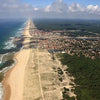
Portugal has quietly become Europe's surfing powerhouse, and once you experience its waves, you'll understand why. With 943 kilometers of Atlantic coastline stretching from the wild northern beaches to the sun-drenched Algarve, Portugal delivers consistent swells, world-class breaks, and a surf culture that welcomes everyone from first-timers to seasoned barrel hunters. Whether you're paddling out at dawn in uncrowded Alentejo or navigating the legendary tubes of Supertubos, Portuguese surf offers something extraordinary.
This isn't just another European surf destination trying to compete with established scenes. Portugal stands alone with its unique combination of powerful Atlantic exposure, affordable prices, warm hospitality, and wave variety that rivals anywhere on the planet. From Ericeira's World Surfing Reserve status to Nazaré's record-breaking monsters, from beginner-friendly beach breaks to expert-only reef slabs, the Portuguese coast delivers year-round excellence. Add exceptional seafood, historic towns, and a laid-back lifestyle, and you have the complete surf trip package.
The key takeaway: Portugal offers Europe's most diverse and consistent surf with 943km of Atlantic coastline delivering waves for every level year-round. From Ericeira's world-class points to Peniche's championship barrels and Nazaré's record-breaking giants, Portuguese surf combines exceptional wave quality with affordable prices ($30-80/day total budget), warm culture, and the infrastructure to support everyone from complete beginners to elite surfers chasing perfection.
Why Portugal is Europe's Best Surf Destination
Portugal compete with the best surf destinations. The combination of geographic advantages, cultural authenticity, and wave consistency creates conditions you simply won't find elsewhere on the continent. Here's what sets Portuguese surf apart from the rest of Europe.
Unmatched Wave Variety for All Levels
Portugal's coastline faces directly into the Atlantic's swell window, receiving powerful North Atlantic storms that generate consistent waves throughout the year. The continental shelf drops off quickly along most of the coast, allowing swells to maintain their energy right up to the shore. This creates the perfect setup for quality surf.
What makes Portugal truly special is the sheer variety packed into a relatively compact coastline. Within a 90-minute drive, you can access gentle beach breaks perfect for your first lesson, intermediate point breaks for progression, and heavy reef slabs that challenge experts. Peniche exemplifies this perfectly as a peninsula, it offers sheltered beginner waves on one side while the exposed coast delivers serious power on the other. No other European country concentrates this much wave diversity in such accessible geography.
The wave types cover everything imaginable. Beach breaks dominate much of the coast, with sandbars that shift seasonally to create new peaks. Point breaks like those in Ericeira produce long, workable walls ideal for performance surfing. Reef breaks deliver the barrels that advanced surfers crave. Even big wave spots like Nazaré put Portugal on the global map, with the deepwater canyon creating waves that have broken world records multiple times.

Year-Round Surfing with Reliable Swells
Unlike many surf destinations that depend on specific swell windows, Portugal delivers consistent waves twelve months a year. The Atlantic never stops sending energy toward the Portuguese coast. Summer brings smaller, cleaner conditions perfect for beginners and longboarders. Autumn activates the powerful swells that make Portugal world-class, with September through November offering the best combination of size, consistency, and clean conditions. Winter unleashes the true power of the Atlantic with massive swells that create legitimate challenge for experienced surfers. Spring provides the shoulder season sweet spot with decent waves and fewer crowds.
This year-round consistency means you can plan a surf trip to Portugal virtually anytime and find rideable waves. Miss the forecast window at one spot, and you can drive 30 minutes to find different exposure working better. The variety of coastal orientation combined with multiple swell directions ensures somewhere is always firing.
Affordable Prices Compared to Other Surf Destinations
Portugal remains one of Western Europe's most affordable countries despite growing popularity. A daily budget of €30-50 ($30-55) covers accommodation in a surf hostel, meals at local restaurants, and board rental. Compare this to France's Hossegor where similar accommodation alone costs €50-80, or California where you're looking at $100+ per day minimum.
Surf lessons run €30-50 for group sessions, significantly cheaper than other European destinations. Quality surf camps offering accommodation, meals, lessons, and equipment start around €350-500 per week. Local food is exceptional and inexpensive, fresh seafood costs a fraction of what you'd pay elsewhere, and wine is both excellent and cheap. Even during peak summer season, Portugal remains accessible to budget travelers.
This affordability extends your surf trip. Where a week in France might drain your budget, that same money funds two weeks in Portugal with better waves, warmer water, and more cultural experiences. For surfers on extended trips or digital nomads combining work with waves, Portugal's cost of living makes long-term stays feasible.
World-Class Surf Culture & Community
Portuguese surf culture strikes the perfect balance between welcoming visitors and maintaining authentic local character. Unlike some surf destinations where localism creates hostile lineups, Portugal generally embraces traveling surfers who show respect and follow basic etiquette. The Portuguese are proud of their surf heritage and happy to share it with those who appreciate it properly.
The country hosts multiple WSL Championship Tour events, with Peniche's Supertubos regularly showcasing the world's best surfers in hollow barrels. This competitive heritage has elevated the local surf scene, creating a community of skilled surfers while maintaining accessibility for visitors. Ericeira's designation as a World Surfing Reserve recognizes not just the wave quality but the entire coastal ecosystem and culture surrounding surf.
Beyond the water, Portuguese surf towns offer genuine character. These aren't manufactured resort destinations but real communities where fishing heritage meets modern surf culture. You'll find local cafes serving fresh-caught fish, family-run guesthouses offering authentic hospitality, and a lifestyle that values quality of life over commercialization. The surf community includes everyone from grizzled fishermen who've ridden waves for decades to young rippers pushing performance standards, creating a rich cultural tapestry that enhances every surf session.
When to Surf in Portugal: Month-by-Month Guide
Portugal delivers surfable waves every month of the year, but each season brings distinct characteristics. Understanding these seasonal patterns helps you time your trip for the conditions matching your abilities and goals. Here's what to expect throughout the year on the Portuguese coast.
Summer Surfing (June-August): Perfect for Beginners
Summer transforms Portugal's beaches into beginner paradise. The powerful Atlantic swells that dominate other seasons mellow into gentle rollers averaging 1 to 1.5 meters (3 to 5 feet). These consistent, forgiving waves create ideal learning conditions, explaining why surf schools across Portugal fill with students during these months.
Water temperatures climb to their annual peak, reaching 17 to 20°C (63 to 68°F) along most of the coast, with the Algarve sometimes hitting 21°C (70°F). A 3/2mm wetsuit handles most sessions comfortably, and some brave locals surf in boardshorts during peak summer warmth. The comfortable water temperatures remove the intimidation factor for first-timers already nervous about their initial sessions.
The tradeoff for these beginner-friendly conditions is crowds. Portuguese beaches fill with domestic tourists, European visitors, and surf students from around the world. Popular spots like Carcavelos near Lisbon, Baleal in Peniche, and the main breaks in Ericeira see significant lineups. If you're learning, this matters less since you'll work with instructors in designated areas. Experienced surfers often find summer frustrating, with the smaller waves and crowds sending them searching for less-obvious spots or waiting for the occasional larger swell.
June offers the best summer surfing balance. Waves maintain slightly more size than July and August, water temperature is comfortable, and crowds haven't reached peak levels. September technically falls into early autumn but often delivers summer-like conditions with fewer tourists as schools reopen across Europe.
Autumn Surfing (September-November): Peak Season for All Levels
Autumn represents Portuguese surf at its absolute finest. The first Atlantic storms of the season begin sending powerful groundswells toward the coast, creating waves with real size and punch. Average wave heights jump to 2 to 4.5 meters (6 to 15 feet) at exposed breaks, though sheltered spots still offer manageable conditions for developing surfers.
September bridges summer and autumn beautifully. Water temperature remains relatively warm from summer heating, often maintaining 18 to 20°C (64 to 68°F). Swells begin showing more consistency and power, but the aggressive winter storms haven't arrived yet. This creates the magical combination of quality waves without the cold or extreme size. October and November activate Portugal's world-class potential, with proper swells lighting up the points and reefs that made the country famous.
Offshore winds become more consistent during autumn, particularly the prevailing easterlies that groom the Atlantic swells into clean, organized lines. Morning sessions often deliver glassy perfection before afternoon sea breezes texture the surface. The autumn swell window is broad, with swells arriving from various directions allowing different parts of the coast to work on different days.
Crowds thin considerably compared to summer as casual beach tourists disappear and only dedicated surfers remain. The lineup quality improves dramatically, and you'll surf alongside skilled locals and traveling surfers who've timed their trips for peak season. Accommodation prices drop from summer peaks while maintaining good availability. This combination of excellent waves, comfortable conditions, manageable crowds, and reasonable prices makes autumn the optimal window for serious surf trips to Portugal.
Winter Surfing (December-February): Big Swells for Experienced Surfers
Winter unleashes the Atlantic's full power on Portugal's coast. Massive North Atlantic storm systems track toward Europe, generating swells that can exceed 6 meters (20 feet) at exposed breaks. This is when Nazaré produces its legendary giants, when Coxos barrels with terrifying power, and when only experienced surfers should paddle out at premium breaks.
Water temperature drops to its annual low, ranging from 14 to 16°C (57 to 61°F). A 4/3mm or 5/4mm wetsuit becomes necessary, along with booties, gloves, and a hood for the most sensitive surfers or longest sessions. The cold water adds a layer of challenge to already demanding conditions. Air temperatures hover around 10 to 15°C (50 to 59°F), meaning you'll need warm layers for the beach and post-surf recovery.
Winter requires wave knowledge and experience. The powerful swells create heavy, consequence-laden conditions at many breaks. Currents strengthen, closeout sets punish poor positioning, and shallow reefs become genuinely dangerous. Beginners and intermediates should stick to protected spots or wait for smaller swell days. The saving grace is Portugal's variety, sheltered bays and beaches still offer surfable conditions even when exposed coasts are maxing out.
For advanced surfers, winter Portugal is paradise. Uncrowded lineups, powerful barrels, and the raw beauty of Atlantic storms create unforgettable sessions. The challenge and intensity of winter surfing separates casual participants from committed wave riders. If you have the skills and cold-water tolerance, winter delivers Portugal's most rewarding surf.
Spring Surfing (March-May): Shoulder Season with Less Crowds
Spring offers the shoulder season sweet spot between winter's power and summer's gentleness. Swells begin losing some of winter's extreme size but maintain enough energy to create quality surf. Average conditions range from 1.5 to 3 meters (5 to 10 feet), providing excellent waves for intermediate progression and still offering challenge for advanced surfers when larger swells arrive.
Water temperature slowly climbs from winter lows, reaching 15 to 18°C (59 to 64°F) by May. Most surfers transition from 4/3mm to 3/2mm wetsuits as the season progresses. The improving water temperature makes sessions more comfortable without requiring the thick rubber and accessories of deep winter. Air temperatures warm nicely, with sunny spring days creating pleasant beach conditions between sessions.
Crowds remain light through spring, particularly in March and April before summer tourists arrive. You'll share waves primarily with locals and dedicated traveling surfers, creating quality lineups without the summer chaos. Surf camps and schools operate but haven't reached capacity, offering more personalized attention and easier booking.
May presents particular appeal as a transition month. Conditions often resemble early summer with consistent, clean waves, warming water, and manageable size. Yet the summer crowds haven't materialized, and prices haven't spiked. For surfers wanting quality waves without battling for every peak, May often delivers the best overall experience of the year.
Portugal's 7 Premier Surf Regions
Portugal's coastline divides naturally into seven distinct surf regions, each offering unique characteristics, wave types, and cultural flavors. Understanding these regions helps you choose the right base for your abilities and surf trip goals. Here's the complete breakdown from north to south.

Ericeira: Europe's Only World Surfing Reserve
Ericeira earned World Surfing Reserve designation in 2011, joining an elite group that includes Malibu, Manly, and Santa Cruz. This recognition celebrates not just the exceptional wave quality but the entire coastal ecosystem, cultural heritage, and environmental significance of the area. The 8-kilometer stretch of coast contains over a dozen quality breaks, with four world-class waves forming the reserve's core.
Coxos stands as Portugal's most celebrated wave, a powerful right-hand reef break that barrels with frightening intensity when proper northwest swells arrive. The wave breaks over a shallow rocky bottom, creating fast, hollow sections that demand expert-level skill and commitment. When conditions align perfectly with low tide and offshore wind, Coxos produces some of Europe's best barrels. The local crew surfs this break with deep knowledge and expects visitors to demonstrate both ability and respect.
Ribeira d'Ilhas balances Coxos's intensity with more accessible character. This right-hand point break offers long, workable walls suitable for intermediate and advancing surfers. The wave's consistency makes it Ericeira's most surfed break, and it regularly hosts professional competitions including Portuguese championship events. Multiple sections allow surfers to choose their challenge level, from the mellower inside to the more critical outside peaks.
Pedra Branca delivers raw power over a shallow reef, creating intense barrels that rank among Portugal's heaviest waves. This left-hander works best with significant swell and specific tide windows, breaking in front of a prominent white rock that gives the break its name. Only confident, skilled surfers should attempt Pedra Branca, as the consequences of mistakes are severe over the unforgiving reef.
Cave rounds out Ericeira's world-class quartet with another left-hand barrel that works in larger swells. The wave breaks in a small cove, creating an amphitheater effect where spectators can watch from the cliffs above. Like Pedra Branca, Cave demands experience and commitment.
Beyond these famous four, Ericeira offers numerous other breaks including Reef, Foz do Lizandro, and São Lourenço, providing options for various skill levels and swell conditions. The town itself maintains authentic Portuguese character despite surf tourism growth, with cobblestone streets, traditional seafood restaurants, and a welcoming community. Being 40 minutes north of Lisbon makes Ericeira easily accessible while maintaining a distinct surf town identity.

Peniche: The WSL Championship Tour Hub
Peniche's unique geography as a peninsula jutting into the Atlantic creates exceptional surf diversity. When swells are too big on the exposed west coast, the eastern side offers protection. When offshore winds blow from the east, the west coast gets groomed to perfection. This variety means Peniche almost always has surfable waves regardless of conditions, making it Portugal's most reliable surf destination.
Supertubos earned its nickname "Supertubes" for good reason. This hollow beach break produces intense barrels that have hosted the WSL Championship Tour's Moche Rip Curl Pro Portugal since 2009. The wave breaks over sand but generates power comparable to reef breaks, creating fast, spitting tubes that challenge the world's best surfers. Autumn and winter swells combined with offshore easterlies produce Supertubos at its finest, though the wave works year-round with varying character.
When Supertubos reaches capacity or becomes too intense, Peniche offers numerous alternatives. Baleal sits just north, featuring a long sandy bay with gentle beach breaks on the sheltered eastern side, perfect for beginners and surf schools. The peninsula nature of Baleal means you can check waves on multiple exposures within minutes, finding the ideal conditions for your level.
Molhe Leste at Peniche harbor provides another option, with the breakwater creating some swell protection and generally smaller waves than the exposed beaches. Cantinho da Baía offers a horseshoe-shaped bay that almost always has rideable surf thanks to its orientation. Lagide and Consolação provide additional breaks within short drives, ensuring Peniche surfers can always find waves.
The town of Peniche maintains authentic Portuguese fishing village character. Unlike resort destinations built for tourism, Peniche remains a working port where fishing boats still dominate the harbor. This authenticity creates genuine cultural experiences between surf sessions. Fresh seafood restaurants line the waterfront, local markets sell the day's catch, and the pace of life follows traditional Portuguese rhythms.
Being 90 minutes north of Lisbon makes Peniche accessible without feeling overcrowded. The concentration of quality surf, consistent conditions, and infrastructure supporting surfers at all levels makes Peniche many traveling surfers' first choice as a Portuguese base.
Lisbon Coast: Urban Surfing at Its Best
Portugal's capital region proves you don't need to abandon city life to surf quality waves. The Lisbon coast stretches from Cascais west of the city through Carcavelos and south to Costa da Caparica, offering dozens of breaks accessible by public transportation from downtown Lisbon. This creates unique opportunities for combining urban exploration with daily surf sessions.
Carcavelos ranks as Lisbon's most famous surf beach, a long stretch of sand just 20 minutes from central Lisbon by train. The beach break produces consistent peaks suitable for all levels, with the southern end generally offering better shape and slightly less crowd. Summer sees Carcavelos packed with students, tourists, and locals, but shoulder seasons provide more space. The beachfront infrastructure includes numerous surf schools, rental shops, cafes, and restaurants, making Carcavelos entirely self-sufficient for surf trips.
Guincho sits further west near Cascais, offering more powerful and consistent surf than Carcavelos. This exposed beach picks up significant swell and frequently deals with strong winds, creating challenging conditions that favor experienced surfers and windsurfers. When conditions align with clean swell and light winds, Guincho produces excellent waves. The dramatic coastal scenery with Sintra mountains as backdrop creates a stunning surf setting despite being so close to Lisbon.
Costa da Caparica stretches south of Lisbon across the Tagus River, featuring over 15 kilometers of beach breaks. The northern beaches near the ferry terminal see heavy crowds, but driving or taking the beach train south reveals increasingly empty peaks. The variety along this coastline means you can usually find waves matching your ability, from gentle rollers to heavier beach break barrels.
The Lisbon coast advantage is accessibility combined with Portugal's capital city amenities. Surf in the morning, explore historic neighborhoods in the afternoon, enjoy world-class dining in the evening. Public transportation makes car rental unnecessary, and accommodation ranges from budget hostels to luxury hotels. For surfers wanting to experience Portuguese culture beyond surf towns while still catching daily waves, the Lisbon coast delivers perfectly.

Porto & Northern Portugal: Uncrowded Surf
Northern Portugal remains relatively undiscovered by international surf tourists despite offering quality waves and authentic Portuguese culture. The cooler climate and colder water deter some visitors, but surfers willing to embrace wetsuit temperatures find uncrowded peaks and welcoming communities. The region extends from Porto north to the Spanish border, with Porto serving as the cultural and economic center.
Matosinhos sits in Porto's northern suburbs, accessible via the city's metro system. This makes it one of Europe's most accessible quality surf spots, you can literally take the subway to the waves. The beach break works consistently thanks to good swell exposure, and the gently sloping sand bottom creates forgiving conditions suitable for progression. Harbor protection on the northern end can provide wind shelter when needed. After surfing, Porto's food scene awaits, including the famous francesinha sandwich that fuels many post-surf recoveries.
Espinho lies 20 kilometers south of Porto, offering another consistent beach break with less urban intensity than Matosinhos. The town maintains traditional Portuguese character with local markets, seafood restaurants, and a slower pace than Porto proper. Waves here can get punchy and powerful with size, offering good progression opportunities for developing surfers.
Aguçadoura, located north of Porto, features long stretches of beach breaks with multiple peaks spreading crowds across wide expanses of sand. The more remote location means fewer surfers, and the powerful Atlantic exposure delivers consistent swell. This area works well for intermediate and advanced surfers looking to escape lineups entirely.
Northern Portugal's surf culture maintains old-school authenticity. You'll encounter Portuguese surfers who've ridden these waves for decades, sharing lineups with a small but dedicated traveling surfer population. The lack of massive surf tourism infrastructure means fewer surf camps and schools, but also more genuine local interactions and uncrowded waves. For surfers prioritizing wave quality and authentic experiences over resort amenities, northern Portugal deserves serious consideration.

Costa da Prata (Silver Coast): Nazaré & Beyond
The Silver Coast stretches between Peniche and Porto, named for the shimmering quality of light on its beaches. This region contains some of Portugal's most varied surf, from gentle beginner breaks to the biggest surfable wave on Earth. The area remains less developed than surf hotspots further south, offering a more exploratory surf trip experience.
Nazaré dominates global surf consciousness thanks to Praia do Norte and its record-breaking waves. A massive underwater canyon running perpendicular to the coast creates a natural amplification system that focuses swell energy into monstrous walls of water. When significant winter swells arrive, Nazaré produces waves exceeding 20 to 30 meters (65 to 100 feet), requiring jet ski tow-in assistance and elite big wave skill. Watching these giants from the Forte de São Miguel headland provides one of surfing's most spectacular experiences, seeing humans ride waves that dwarf buildings creates perspective on ocean power.
Beyond the big wave theater, Nazaré town offers gentle beach breaks suitable for learning. The main town beach and neighboring São Martinho do Porto feature protected bays with smaller waves, creating the ironic situation where the world's biggest wave breaks alongside perfect beginner conditions.
Figueira da Foz sits further north, offering consistent beach breaks along a long urban beach. The Mondego River mouth creates varied sandbars, and when conditions align, Figueira produces surprisingly long rides for a beach break. The town combines Portuguese authenticity with enough infrastructure to support visiting surfers comfortably.
Smaller villages dotting the Silver Coast hide quality breaks away from crowds. São Pedro de Moel, Praia da Vieira, and other coastal towns offer exploration opportunities for surfers with rental cars willing to search for empty peaks. The Silver Coast rewards curiosity with uncrowded sessions and authentic Portuguese coastal culture.
Algarve West Coast: Warm Water Paradise
The Algarve's western coast delivers Portugal's warmest water and most dramatic coastal scenery. Towering cliffs shelter hidden coves, creating a rugged beauty that distinguishes this region from the gentle beaches further north. The south-facing coast picks up less swell than Atlantic-facing regions, but strategic spots on the west coast catch consistent energy while offering some wind protection.
Sagres anchors the southwestern tip of Portugal and continental Europe. The town's strategic position allows surfers to check both west-facing and south-facing coasts, finding shelter regardless of wind direction. Mareta Beach provides gentle conditions ideal for beginners, while nearby Tonel offers more challenging waves for progression. Beliche produces occasional barrels when swell and wind align perfectly. The dramatic fortress overlooking these beaches and spectacular sunsets over the Atlantic create memorable surf sessions.
Arrifana lies north of Sagres, featuring both a beach break and a point break wrapping around the northern headland. The variety means something typically works regardless of swell size. The beach break handles beginners comfortably, while the point can produce long rides when larger swells arrive. The tiny village maintains authentic character with just enough infrastructure to support visiting surfers.
Amado sits in Costa Vicentina Natural Park, surrounded by protected coastal landscape. The exposed beach receives consistent swell and can produce powerful waves despite the beginner-friendly reputation. Multiple peaks spread across the wide beach, and the natural park setting creates a wild, unspoiled atmosphere. Camping near Amado offers budget-friendly accommodation with direct beach access.
The Algarve's appeal extends beyond waves. Water temperature stays warmer than northern Portugal, reaching 19 to 21°C (66 to 70°F) in summer. The dramatic coastal scenery, fresh seafood in tiny villages, and slower pace create an ideal environment for relaxed surf trips. The region works particularly well for couples or families where not everyone surfs, as beaches, hiking, and sightseeing provide non-surf activities.
Alentejo: Portugal's Hidden Surf Secret
Alentejo remains Portugal's least developed surf region, stretching along the coast between Lisbon and the Algarve. The sparse population, limited development, and rugged landscape create an adventure-surf atmosphere where exploration rewards surfers with empty peaks. This region suits experienced surfers with rental cars willing to search for waves rather than beginners wanting established infrastructure.
São Torpes near Sines offers the region's most accessible surf. The beach break provides fairly consistent waves working across a range of sizes. The industrial port of Sines sits nearby, creating visual contrast between heavy industry and empty beaches, but the waves remain quality and crowds stay minimal.
Porto Covo features a small fishing village surrounded by beautiful coastline. The protected coves provide options when larger swells make exposed beaches too intense, while the open beaches deliver power when swell arrives. The village maintains authentic Portuguese character with excellent seafood restaurants and peaceful atmosphere.
Praia dos Aivados and other remote breaks require local knowledge and exploration. These spots see very few surfers, offering the experience of discovering your own waves. The Alentejo landscape combines dramatic cliffs, rolling farmland, and coastal wilderness, creating a unique backdrop for surf sessions.
Alentejo works best for self-sufficient surfers comfortable with limited amenities and unpredictable conditions. The reward is authenticity, empty waves, and the satisfaction of exploring Portugal's last undeveloped coast. Accommodation options are limited but include camping, rural guesthouses, and small coastal villages. This region appeals to surfers prioritizing discovery and solitude over convenience and consistency.
Best Surf Spots in Portugal by Skill Level
Choosing the right break for your ability level makes the difference between progression and frustration, between fun sessions and dangerous situations. Portugal offers exceptional options at every skill level, from absolute beginners taking their first lesson to experts chasing heavy barrels. Here's how to match Portuguese breaks to your surfing abilities.
Beginner Surf Spots
Beginners need gentle, forgiving waves breaking over sand, with consistent whitewater for practicing standup technique and easy channel access. Portugal delivers numerous spots perfectly suited to learning, with established surf schools providing instruction and equipment. These breaks offer the combination of safety, consistency, and infrastructure that makes rapid progression possible.
Baleal (Peniche) earns its reputation as beginner paradise. The eastern side of the peninsula provides sheltered conditions with smaller waves even when the exposed coast runs large. Multiple surf schools operate here with quality instruction, and the sandy bottom forgives the inevitable falls and mistakes of learning. The beach's horseshoe shape creates different sections suitable for various stages of beginner progression.
Matosinhos (Porto) combines accessibility with beginner-friendly conditions. The gently sloping sand takes power out of approaching swells, creating mellow waves ideal for first sessions. Harbor protection on the northern end provides shelter from wind when needed. Being on Porto's metro system means you can stay in Portugal's second city while surfing daily.
Carcavelos (Lisbon) serves as Lisbon's beginner headquarters. The long beach break produces consistent waves suitable for learning, and numerous surf schools cater specifically to first-timers. The proximity to Lisbon (20 minutes by train) makes this perfect for combining city tourism with learning to surf. Summer conditions here are particularly gentle and forgiving.
Praia do Amado (Algarve) offers beginner-friendly sections despite also handling advanced surfers. The southern end typically provides gentler conditions, and surf schools operate here teaching in protected areas. The natural park setting creates a beautiful learning environment, and the wide beach spreads crowds effectively.
Mareta (Sagres) provides sheltered waves perfect for first-time surfers. Being south-facing and tucked into Sagres' protected corner, Mareta typically runs smaller than west coast breaks. The gentle conditions make this ideal for building confidence before tackling more challenging surf.
Ribeira d'Ilhas (Ericeira) might surprise beginners on this list, but the inside section offers manageable waves for those progressing beyond pure whitewash. Quality surf schools operate here, and practicing at a world-class break, even on the mellow inside section, provides inspiration and demonstrates proper technique from advanced surfers.
Intermediate Surf Spots
Intermediate surfers can catch unbroken waves, perform basic turns, and handle moderate-sized surf with competence. These breaks offer the perfect progression platform, providing enough challenge to improve without the consequence-heavy nature of expert spots. Portugal's intermediate options combine quality waves with manageable risk.
Figueira da Foz delivers long beach break rides that allow intermediates to practice multiple maneuvers on single waves. When sandbars align properly, the rights can run for impressive distances. The variety of peaks means you can choose your challenge level, working up to more critical sections as confidence builds.
Zavial (Algarve) features both beach break sections and a point break offering longer rides. The protected location keeps wave size manageable, and the variety lets you progress from beach break to point break within one session. The scenic setting with cliffs and clear water enhances the experience.
Arrifana (Algarve) provides step-up challenge from pure beginner breaks. The beach break handles varying sizes, and when larger swells arrive, the point starts working with longer, more powerful walls. This allows progression without changing locations, perfect for surf trips focused on improvement.
Espinho (Porto area) offers consistent beach break waves with genuine power. The waves here can get punchy when size builds, providing the challenge intermediate surfers need to develop skills for advanced breaks. Less crowded than spots closer to Lisbon, Espinho gives intermediates space to practice without battling for every wave.
Praia do Guincho (Cascais) challenges intermediates with powerful, exposed beach break surf. The waves here demand commitment and skill but remain within intermediate capabilities on most days. Success at Guincho indicates readiness for more serious breaks.
São Torpes (Alentejo) provides uncrowded progression opportunities. The beach break offers various sections suitable for different intermediate levels, and the lack of crowds means you can take your time, catching multiple waves per session without lineup pressure.
Advanced/Expert Surf Spots
Advanced and expert surfers possess the skills, experience, and ocean knowledge to handle powerful, consequence-laden waves. These breaks demand precision, commitment, and deep understanding of wave dynamics. Portugal's premium spots rank among Europe's best, offering the challenge that drives progression and the perfection that creates unforgettable sessions.
Coxos (Ericeira) stands as Portugal's premier expert wave. The powerful right-hand reef breaks over shallow rock bottom, creating fast, hollow barrels that punish mistakes severely. Perfect conditions require specific swell direction, tide, and wind, but when everything aligns, Coxos produces some of Europe's finest tubes. The local crew surfs with deep knowledge and expects high performance and proper etiquette from visitors.
Supertubos (Peniche) earns its place hosting the WSL Championship Tour. Despite breaking over sand, the wave generates power comparable to reef breaks, creating intense barrels that challenge professionals. The shifting sandbars mean each season brings different sections and characteristics, requiring constant adaptation. When large autumn swells combine with offshore winds, Supertubos delivers world-class perfection.
Pedra Branca (Ericeira) ranks among Portugal's heaviest waves. The left-hand reef break produces ferocious barrels over extremely shallow bottom. Wipeouts here carry serious consequences, and only confident, skilled surfers should attempt Pedra Branca. The wave works best with significant swell and precise tide windows, making successful sessions require both skill and timing.
Cave (Ericeira) offers another expert-level left barrel working in larger swells. The cove setting creates an amphitheater where the wave's power and beauty display fully. Like Pedra Branca, Cave demands commitment and punishes hesitation, making it strictly expert territory.
Praia do Norte (Nazaré) represents big wave surfing's absolute extreme. When massive winter swells arrive, the underwater canyon creates waves exceeding 20 to 30 meters that require jet ski tow-in assistance and elite big wave skill. Only a handful of surfers on the planet possess the experience and equipment to tackle Nazaré at size. Watching from the fort provides spectacular views without the life-threatening commitment.
Ribeira d'Ilhas (Ericeira) appears across skill levels because the break offers different sections. The outside peaks demand advanced skills when size builds, producing powerful walls and occasional barrels that challenge experienced surfers. Competitions run here regularly, showcasing the wave's quality and the skill required to surf it properly.

How Much Does a Surf Trip to Portugal Cost?
Portugal ranks among Europe's most affordable surf destinations, delivering excellent value without sacrificing wave quality or cultural experience. Understanding the costs involved helps you budget accurately and maximize your time in Portuguese lineups. Here's the realistic breakdown of what you'll spend surfing Portugal.
Accommodation Costs
Budget accommodations in Portugal start impressively low. Hostel dorms in surf towns run €10 to 20 per person per night, with higher prices in peak summer season and premium locations like Ericeira close to Lisbon. Many hostels cater specifically to surfers, offering board storage, wetsuit drying areas, and communal spaces where you'll meet other wave riders. Surf-focused hostels often provide better value than generic backpacker accommodations, with staff who understand surf conditions and can point you to the best breaks.
Private rooms in hostels or budget guesthouses cost €30 to 50 per night for doubles. These provide privacy while maintaining affordability and often include breakfast. Portuguese guesthouses typically offer authentic character with family-run operations providing genuine hospitality.
Mid-range hotels run €50 to 100 per night for comfortable rooms with modern amenities. Surf towns offer boutique surf lodges in this range, combining quality accommodation with surf-specific features and often partnering with local surf schools for package deals.
Surf camps provide all-inclusive options typically ranging from €350 to 700 per week depending on accommodation quality, meal inclusion, and lesson packages. These camps handle logistics, provide instruction, and create instant community, making them excellent value for first-time visitors or those wanting structured progression.
Camping remains the absolute budget option. Designated campgrounds charge €5 to 15 per night, and many Portuguese surf towns have campgrounds walking distance from waves. Wild camping in camper vans works in many areas during shoulder seasons, particularly along less-developed coastlines, though summer regulations restrict this practice near popular beaches.

Food & Dining Expenses
Portuguese food delivers exceptional quality at reasonable prices. Local cafes serve breakfast for €3 to 6, including coffee and a pastel de nata or toast. Simple lunch options like bifanas (pork sandwiches) or basic set menus run €5 to 10. These provide the fuel needed for multiple daily surf sessions without draining your budget.
Proper sit-down meals at casual restaurants cost €10 to 20 per person. This typically includes a main course of grilled fish or meat, side dishes, bread, and often a drink. Seafood restaurants naturally cost more but remain affordable by European standards, with fresh-caught fish priced at €15 to 25 for generous portions.
Self-catering cuts costs dramatically. Portuguese supermarkets offer excellent produce, bread, cheese, and other staples at very reasonable prices. Cooking your own meals reduces food costs to €5 to 10 daily. Many hostels and surf camps provide communal kitchens, and campgrounds always include cooking facilities.
Portuguese wine deserves special mention for both quality and value. Excellent bottles cost €3 to 8 in supermarkets, with restaurant markups keeping prices reasonable even when dining out. Local beer runs about €1 to 2 in supermarkets, €2 to 4 in bars.
A realistic daily food budget ranges from €15 for self-catering to €30 for eating all meals at budget restaurants, up to €50+ if you're enjoying nicer restaurants and nightlife regularly. Most traveling surfers fall in the €20 to 30 daily range, mixing self-made breakfasts with restaurant lunches and dinners.
Surf Lessons & Board Rentals
Group surf lessons in Portugal typically cost €30 to 50 for two-hour sessions including equipment. Multi-day packages offer better value, with week-long courses (5 to 7 sessions) running €150 to 300. These beginner packages include wetsuit and soft-top board rental during the lessons. Quality instruction makes the difference between rapid progression and frustrated struggle, making proper lessons worthwhile investment for anyone new to surfing.
Private lessons cost €50 to 80 per hour, providing focused attention and faster skill development. Semi-private lessons with a friend split the cost while maintaining more personalized instruction than large groups.
Board rentals run €10 to 20 daily for soft-tops or beginner boards, €15 to 25 for performance shortboards or longboards. Weekly rates typically offer one or two free days. Many surf shops also rent wetsuits for €5 to 10 daily, though quality and fit vary significantly. Longer-term rentals (monthly) can drop to very reasonable rates if you're planning extended stays.
Bringing your own board from abroad requires considering airline baggage fees, which often run €50 to 150 each way depending on carrier and routing. For trips under two weeks, rental usually makes more financial sense unless you're very particular about your equipment. For month-long or longer stays, bringing boards or buying used locally becomes cost-effective.
Transportation Costs
Public transportation in Portugal is efficient and affordable. Lisbon's 24-hour unlimited travel pass costs €6.15, covering metro, buses, and trams throughout the city. Train tickets between major cities remain reasonable, Lisbon to Porto runs €24 to 42 depending on train type and advance booking. Buses cost even less, with companies like Rede Expressos connecting surf towns affordably.
Many prime surf spots are accessible without cars. Carcavelos sits 20 minutes from Lisbon by train for under €2. Matosinhos connects to Porto via metro. Ericeira, Peniche, and other surf towns have bus connections from Lisbon, though frequencies can be limited.
Rental cars provide freedom to explore remote breaks and chase the best conditions. Expect €20 to 50 daily depending on vehicle size, season, and rental duration. Gas prices in Portugal run about €1.60 to 1.80 per liter. Insurance adds another layer of cost but provides essential protection. For groups splitting costs or surfers planning multi-region road trips, rental cars make excellent sense. Solo travelers sticking to one area may find public transport and occasional taxis more economical.
Taxis and Uber operate in larger towns and cities, offering convenient point-to-point transport. A ride from Lisbon city center to Carcavelos beach runs about €20. For groups heading to the same break, taxis can compete with public transport on cost while saving time.
Sample Daily Budgets
Ultra Budget: €25 to 35/day ($27-38)
Hostel dorm bed or camping: €10-15
Self-catered meals: €10
Surf rental (if needed): €10
Local transport: €5
Standard Budget: €45 to 65/day ($50-70)
Private hostel room or budget hotel: €25-35
Mix of restaurant and self-catered meals: €15-20
Surf rental: €10
Transport and activities: €10
Comfortable Budget: €80 to 120/day ($88-132)
Nice hotel or surf lodge: €50-70
All restaurant meals: €20-30
Surf lessons or rentals: €15
Car rental and fuel: €20
Activities and nightlife: €10
These budgets don't include one-time costs like flights or surf trip insurance. Most traveling surfers find Portugal extremely affordable, particularly compared to other Western European destinations or California. The ability to access world-class waves on a backpacker budget makes Portugal uniquely accessible to surfers at all income levels.
Do You Need a Car to Surf in Portugal?
The car question depends entirely on your surf trip style, target destinations, and mobility priorities. Portugal offers excellent options both with and without rental cars, and the right choice varies based on individual circumstances. Here's how to decide what works for your Portuguese surf adventure.
Surf Towns Accessible by Public Transport
Portugal's public transportation system serves many quality surf destinations, particularly those near major cities. Lisbon's train network reaches Carcavelos in 20 minutes, making daily surf sessions entirely feasible while staying in Portugal's capital. The coastal train line extends to Cascais and Guincho, putting multiple breaks within easy reach. Metro connections from downtown Lisbon to Costa da Caparica across the river provide another car-free surf option.
Porto's metro directly serves Matosinhos, creating one of Europe's most accessible quality surf spots. You can literally take the subway from downtown Porto to the beach, surf, and return to the city without ever needing a vehicle. This makes Porto particularly appealing for urban-based surf trips combining culture with waves.
Buses connect Lisbon to major surf towns including Ericeira and Peniche, though frequencies are limited compared to urban routes. Several buses daily make these destinations accessible without cars, but you'll need to plan around bus schedules rather than chasing optimal conditions. This works fine if you're settling into one town for a week or more but becomes limiting for day trips or multi-destination exploration.
Within surf towns themselves, walking or cycling typically suffices. Peniche's breaks spread across the peninsula but remain within reasonable walking distance. Ericeira's compact size makes most breaks accessible on foot, though some benefit from short taxi rides. Sagres similarly concentrates its breaks within manageable distances for self-propelled transport.
When a Rental Car Makes Sense
Rental cars unlock Portugal's full surf potential. The ability to check multiple breaks, chase the best conditions, and explore remote coastlines transforms your surf trip from being tide and swell-dependent at one spot to having options regardless of conditions. When Ericeira runs too big, you can drive to sheltered Lisbon coast breaks. When Peniche goes flat, the drive to more exposed northern beaches takes less than an hour.
Cars become nearly essential for certain regions. Alentejo's sparse development and spread-out breaks require vehicles for access. The Algarve's best spots scatter along the western coast with limited public transport connections. Northern Portugal's quality breaks sit in remote locations far from bus routes. Without cars, these regions remain largely inaccessible.
Groups of three or four surfers make rental cars economically sensible. Splitting costs among multiple people brings daily expenses down to reasonable levels comparable to or cheaper than public transport for the same mobility. The convenience of loading boards, wetsuits, and gear once rather than hauling everything on buses and trains adds significant value.
Extended trips benefit enormously from car rental. Week-long or longer stays allow you to spread the rental cost across many days while maximizing surf opportunities. Monthly rentals offer particularly good value for surfers planning serious Portuguese coastal exploration. The freedom to move spontaneously based on forecasts, relocating to different regions as swell and wind patterns shift, makes cars invaluable for committed surf trips.
Best Car Rental Options for Surfers
Major international rental companies operate at Portuguese airports and cities, including Hertz, Europcar, Budget, and Sixt. These provide reliable vehicles with clear insurance options and 24-hour support. Booking in advance through comparison sites often yields better rates than walk-up rentals.
Consider vehicle size based on your group and board quantity. Small cars work for solo surfers with shortboards, but longboards require roof racks or larger vehicles. Groups with multiple boards need actual cargo space. Some rental companies offer surf-specific vehicles with built-in roof racks, though these command premium prices.
Insurance deserves careful attention. Portugal's narrow village streets, tight parking, and coastal gravel roads create damage risks. Comprehensive coverage provides peace of mind, though it increases daily costs. Credit cards often include rental car insurance, check your card benefits before purchasing redundant coverage.
Fuel efficiency matters for surf-chasing road trips. Diesel vehicles offer better mileage for long-distance driving, while smaller engines reduce fuel costs overall. Calculate your expected driving distance when choosing between economy and size.
Alternative options include peer-to-peer car sharing services operating in Portugal, potentially offering better rates than traditional rental companies. Some surf camps and hostels offer car rental deals or group transport to breaks, worth investigating when booking accommodation.
Portugal Surf Culture & History
Understanding Portuguese surf culture enhances your experience in the water and creates deeper connection with the communities hosting you. Portugal's surf history, though relatively recent compared to Hawaii or California, has developed into something distinctly Portuguese, blending traditional maritime heritage with modern wave riding passion.
Pedro Lima: The Pioneer of Portuguese Surfing
Pedro Martins de Lima stands as the undisputed father of Portuguese surfing. In 1959, after years of bodysurfing, Pedro stood up on a surfboard for the first time, officially introducing stand-up surfing to Portugal. His pioneering spirit and infectious enthusiasm for wave riding inspired generations of Portuguese surfers who followed.
Pedro's influence extends beyond being first. He actively promoted surfing throughout Portugal, encouraging others to try the sport and sharing his knowledge freely. His partnership with iconic brand Lightning Bolt solidified his status in surf history. Even decades later, Pedro remains involved in Portuguese surf culture, a living connection to the sport's origins in the country.
The documentary "The Wolf of the Sea" captures Pedro's incredible journey and his role in establishing Portuguese surf culture. His legacy lives in every Portuguese surfer who paddles out, from weekend warriors to WSL professionals. Understanding Pedro Lima's contribution provides context for the respect and passion Portuguese surfers bring to their waves.
The Rise of Competitive Surfing in Portugal
Portugal's competitive surf scene exploded following the end of the Estado Novo regime in 1974. As the country opened to international influences, surfing rapidly gained popularity among young Portuguese. Within a decade, interest had grown sufficiently to form Portugal's first National Surf Team, which competed at the Eurosurf European Surfing Championships in France, finishing an impressive fourth place.
This success catalyzed the creation of the Portuguese Surfing Federation (Federação Portuguesa de Surf, FPS) headquartered in Cascais. The FPS focused on developing young talent and organizing competitions, creating the infrastructure that would produce world-class Portuguese surfers. The federation's efforts paid off through the 1990s and 2000s as Portuguese surfers began making marks on the international stage.
Tiago Pires became Portugal's first truly world-class competitive surfer, qualifying for the WSL Championship Tour and competing against the planet's best. His success inspired a new generation including current stars like Frederico Morais, who has represented Portugal on the Championship Tour, and big wave chargers like Nic von Rupp, who tackle Nazaré's giants.
The WSL Championship Tour's regular stop at Peniche's Supertubos elevated Portugal's profile dramatically. Hosting the world's best surfers annually showcases Portuguese waves to global audiences while providing local surfers opportunities to compete at the highest level. This competitive heritage creates a surf culture that values performance and progression while maintaining the accessibility that makes Portugal welcoming to all ability levels.
Surf Etiquette at Portuguese Breaks
Portuguese surf etiquette follows universal rules while including some local nuances. Understanding and respecting these guidelines ensures positive experiences in Portuguese lineups and avoids conflicts with locals who've surfed these breaks for years.
The fundamental right-of-way rules apply universally. The surfer closest to the peak has priority. Dropping in on someone already riding a wave is unacceptable. Snaking surfers who paddle around others to steal position violates lineup integrity. These basic principles govern all surfing, and Portuguese surfers expect visitors to understand and follow them.
Respect for locals matters deeply in Portuguese surf culture. While generally more welcoming than some surf destinations, certain breaks have strong local crews who've earned their place in the lineup through years of commitment. Show respect by not paddling straight to the peak on your first session. Watch the lineup dynamics, understand who surfs regularly, and earn your waves through proper positioning and patience rather than aggressive paddling.
Specific spots have heavier local scenes requiring extra awareness. Coxos in Ericeira maintains a respected local hierarchy. Arriving surfers who demonstrate ability and respect generally receive waves, but pushing aggressively or showing disrespect creates problems. Similarly, Supertubos has skilled local surfers who know the wave intimately. Let them have their waves, especially on critical sets, and you'll find yourself welcomed rather than frozen out.
Communication helps tremendously. A friendly greeting on the beach or in the water opens doors. Many Portuguese surfers speak English and appreciate efforts to connect. Asking about conditions, showing genuine interest in the local surf scene, and expressing gratitude for waves shared creates positive interactions.
Safety consciousness is paramount. Know your limits and don't paddle out at breaks beyond your ability. Portuguese surfers respect competence but have little patience for dangerous incompetence. If you're unsure about conditions, ask or watch from the beach. Putting yourself and others at risk through poor judgment earns you nothing but negative reputation.
Environmental respect matters to Portuguese surf culture. Don't litter beaches or leave wax wrappers and bottle caps in parking areas. Respect the natural environment that creates these waves. Many Portuguese breaks sit in protected natural areas where conservation is taken seriously.
Beyond Surfing: Portugal's Culture & Attractions
Portugal offers extraordinary experiences beyond the waves, and the best surf trips balance water time with cultural immersion. Portuguese history, cuisine, and lifestyle create a rich backdrop that enhances every surf adventure. Here's what to explore when you're not in the lineup.
Portuguese Cuisine Every Surfer Must Try
Portuguese food centers on simple preparations of exceptional ingredients, particularly seafood pulled fresh from the Atlantic. After burning calories in cold water, these dishes provide the fuel and satisfaction surfers need.
Bacalhau (salted cod) is Portugal's national dish, prepared hundreds of different ways. The saying goes that Portugal has a bacalhau recipe for every day of the year. While it might seem odd to salt and dry fish in a country with fresh catch available, this preservation method dates to Portugal's maritime trading history and creates unique flavors. Try bacalhau à brás (shredded cod with eggs and potatoes) or bacalhau com natas (cod in cream sauce) for accessible introductions.
Sardinhas assadas (grilled sardines) represent Portuguese coastal cuisine at its purest. During summer, particularly around Saint Anthony's Day in June, sardines flood markets and restaurants. Simply grilled with olive oil and sea salt, served with bread and salad, sardines provide perfect post-surf nutrition.
Pastéis de nata deserve their fame. These custard tarts with flaky pastry originated in Lisbon's Belém district but are now ubiquitous across Portugal. The best consume warm from the oven with a sprinkle of cinnamon. Many surfers develop serious morning routines involving coffee and pastéis de nata before dawn patrol sessions.
Francesinha, Porto's iconic sandwich, fuels many northern surf missions. This beast stacks bread, wet-cured ham, sausage, and steak, covers everything with melted cheese, then drowns it in thick tomato beer sauce. Fries typically accompany or get buried under the sauce. One francesinha provides enough calories for multiple surf sessions.
Arroz de marisco (seafood rice) showcases Portugal's maritime bounty. Unlike risotto, Portuguese rice stays looser and soupier, loaded with clams, prawns, crab, and other seafood. Shared among friends after a long surf day, arroz de marisco creates memorable meals.
Post-Surf Activities & Sightseeing
Portugal's compact size and excellent infrastructure make cultural exploration easy between surf sessions. Lisbon delivers world-class urban experiences 20 minutes from quality surf. Explore the Alfama district's narrow streets, ride historic tram 28, visit São Jorge Castle overlooking the city, and experience Lisbon's incredible food scene. The combination of productive morning surf sessions and afternoon city exploration creates perfectly balanced days.
Porto offers similar urban appeal with distinctly different character. The Ribeira waterfront, port wine cellars in Vila Nova de Gaia, and the stunning Livraria Lello bookshop provide cultural depth. Being able to surf Matosinhos in the morning and explore Porto's historic center in the afternoon demonstrates Portugal's unique appeal.
Sintra's fairy-tale palaces sit just inland from Guincho's surf. The Pena Palace, Moorish Castle, and Quinta da Regaleira create magical settings that seem pulled from fantasy novels. A flat day at Guincho becomes an opportunity to explore these UNESCO World Heritage sites.
The Algarve beyond surfing reveals dramatic coastal scenery, particularly the limestone cliffs and hidden beaches around Lagos. Kayaking through sea caves, hiking the Rota Vicentina coastal trail, and exploring historic coastal fortresses fill rest days productively.
Wine regions throughout Portugal welcome visitors. The Douro Valley produces exceptional port wine in terraced vineyards overlooking the river. Alentejo's cork forests and wine estates offer a completely different experience. Even coastal regions produce quality wine. Combining surf trips with wine tourism creates unexpected but memorable Portuguese adventures.
Nightlife in Surf Towns
Portuguese surf towns know how to party, though the scene varies dramatically between locations. Carcavelos and Costa da Caparica benefit from proximity to Lisbon, with late-night beach bars and clubs keeping energy high through summer. The younger crowd dominates these scenes, with DJ sets, beach bonfires, and parties extending past dawn.
Ericeira maintains a more laid-back nightlife focused on seafront bars and restaurants. Live music features regularly, particularly during summer, with everything from traditional Portuguese fado to contemporary rock. The vibe stays relaxed rather than raging, suiting surfers who still want to catch dawn patrol after evening drinks.
Peniche offers honest, unpretentious nightlife reflecting its working-class fishing heritage. Local bars serve cheap beer and simple grilled fish, creating authentic Portuguese experiences rather than tourist-oriented clubs. The absence of manufactured nightlife appeals to many surfers seeking genuine connections over commercialized entertainment.
Sagres concentrates nightlife around a handful of bars near the town center and fortress. The small scale creates tight-knit community where you'll recognize faces from the lineups. Summer brings more energy as traveling surfers and tourists swell the population, while winter maintains quiet, local-focused character.
Portuguese nightlife timing runs later than many countries. Dinner rarely starts before 8 or 9 PM, bars fill around 11 PM, and clubs don't activate until after midnight. This schedule works well for surfers who surf dawn and late afternoon sessions, with the mid-day hours free for rest before evening activities begin.
Surfing in Portugal FAQs
Is Portugal Good for Beginner Surfers?
Portugal is exceptional for beginner surfers. The country offers numerous gentle beach breaks with sandy bottoms perfect for learning, established surf schools with qualified instructors, and year-round surf with summer providing the most beginner-friendly conditions. Spots like Baleal in Peniche, Carcavelos near Lisbon, and Matosinhos in Porto deliver ideal learning waves with supporting infrastructure. The affordable prices make extended learning trips feasible, and the welcoming surf culture creates positive first experiences that build confidence and passion for the sport.
What's the Best Month to Surf in Portugal?
The best month depends on your ability level. Beginners should target June through August for smaller, gentler waves and comfortable water temperatures. Intermediate and advanced surfers find September through November delivers peak conditions with powerful swells, clean offshore winds, and water that's still tolerably warm. September specifically offers the sweet spot of solid swell, fewer crowds than summer, and pleasant weather. For expert surfers chasing size and power, January and February bring the biggest swells, though cold water and challenging conditions require experience and proper equipment.
Are There Sharks in Portugal?
Portugal's Atlantic waters do contain sharks, but attacks on surfers are extremely rare. Blue sharks occasionally appear near the coast, and very rarely, larger species like great whites pass through Portuguese waters. The actual risk to surfers remains statistically negligible, with more danger from driving to the beach than from sharks in the water. Portuguese surfers spend decades in the ocean without incidents. Standard precautions apply: avoid surfing at dawn and dusk when shark feeding activity peaks, don't surf near fishing activities or river mouths where baitfish concentrate, and exit the water if you're bleeding from cuts.
Can You Surf Portugal Without a Car?
Yes, you can surf Portugal without a car, particularly if you base yourself in or near Lisbon or Porto. Public transportation serves Carcavelos, Guincho, Costa da Caparica, and Matosinhos easily. Buses connect Lisbon to Ericeira and Peniche, though with limited frequency. Staying within one surf town for your entire trip works well without vehicles, as most Portuguese surf towns keep breaks within walking or cycling distance. However, rental cars significantly enhance surf trips by enabling you to chase conditions, explore remote breaks, and visit multiple regions. For groups or extended trips, cars provide excellent value despite the added cost.
How Crowded Are Portuguese Surf Spots?
Crowd levels vary dramatically by location, season, and conditions. Premium breaks near Lisbon like Carcavelos get very crowded during summer, particularly on weekends. Famous spots like Supertubos in Peniche and Coxos in Ericeira see heavy lineups when conditions are good. However, Portugal's extensive coastline offers countless less-known breaks where you can surf with minimal crowds year-round. Northern Portugal, Alentejo, and less-accessible Algarve spots remain relatively empty. Even near popular surf towns, walking or driving 10 minutes often reveals uncrowded peaks. Shoulder seasons (spring and autumn) provide the best crowd-to-wave-quality ratio.
Is Portugal Better Than France for Surfing?
Portugal and France offer different advantages. France's Hossegor region delivers more powerful, heavier waves when conditions align, with autumn barrels that rival anywhere in Europe. However, France concentrates its best surf into a smaller area with more intense crowds and higher prices. Portugal spreads quality surf across a longer coastline with more variety, warmer water year-round, better weather outside summer, and significantly lower costs. Portugal works better for beginners and intermediates, while France appeals more to advanced surfers chasing specific heavy barrels. For overall surf trip value considering waves, culture, cost, and accessibility, Portugal generally edges France for most traveling surfers.
Plan Your Portuguese Surf Adventure
Portugal has earned its reputation as Europe's premier surf destination through consistent delivery of world-class waves, affordable prices, and authentic culture. From the beginner-friendly beach breaks of Baleal to the expert barrels of Coxos, from Nazaré's record-breaking giants to Alentejo's hidden gems, Portuguese surf offers everything the modern wave rider seeks.
The combination of 943 kilometers of Atlantic coastline, year-round swell consistency, and wave variety matching any destination on Earth creates optimal conditions for surf trips at every level. Add Portugal's welcoming culture, exceptional food, rich history, and budget-friendly costs, and you have the complete package that draws surfers back repeatedly.
Start planning by matching your skill level to appropriate regions. Beginners should target Peniche, Lisbon coast, or Algarve west coast during summer months. Intermediates will thrive in Ericeira, Figueira da Foz, or less crowded northern beaches during shoulder seasons. Advanced surfers should time trips for autumn swells at Ericeira and Peniche, or winter missions to catch power at its peak.
For detailed guides to Portugal's premier surf towns, explore our in-depth articles on surfing in Peniche, surfing in Ericeira, and surfing in Aljezur. Looking for more surf destination inspiration? Check out our comprehensive guide to the 40 best surf destinations in the world to see how Portugal compares to other global surf meccas.
The Portuguese waves are calling. Whether this is your first surf trip or your fiftieth, whether you're learning to stand up or hunting perfect barrels, Portugal delivers the goods. Pack your wetsuit, book your ticket, and get ready to discover why so many surfers consider Portugal Europe's finest surf destination. The Atlantic awaits.