 Shop
Shop Blog
Blog Brand
BrandBody Surfing: The Purest Way to Ride a Wave (No Board Needed)
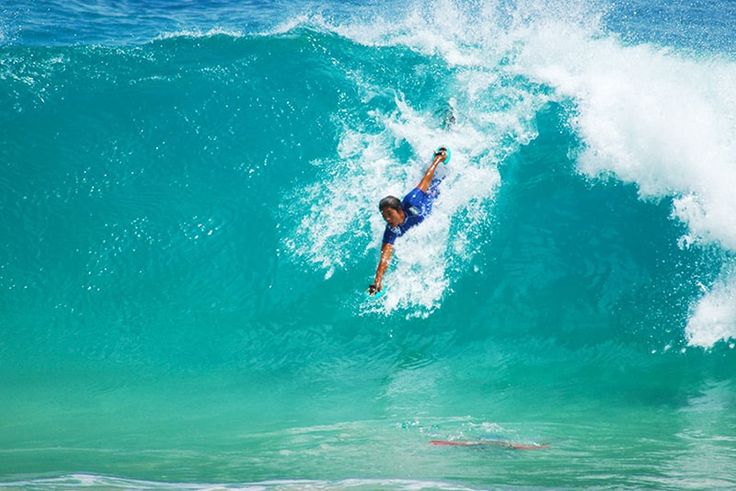
The key takeaway: Body surfing is the most minimal and timeless form of wave riding. With just your body (and ideally fins), you learn the real fundamentals: timing, positioning, and ocean awareness. Less gear = more connection, more flow, and a surprisingly addictive kind of stoke.
Body surfing is exactly what it sounds like: riding ocean waves using only your body. No surfboard, no leash, no wax. Just you, the wave, and the right moment to commit. It’s simple, ancient, and wildly fun—and once you feel that first clean glide, you’ll understand why so many surfers call it the purest way to ride a wave.
- What is body surfing?
- Why body surfing feels so good
- What you need to start
- How to body surf: the basics
- Body surfing vs bodyboarding vs surfing
- Is body surfing safe?
- Why it makes you a better surfer
- Final thoughts
What is body surfing?
Body surfing is the art of catching and riding waves with your body as the board. You swim into the wave, match its speed, and let it carry you toward shore while you steer with your hands and angle your body for control.
Most body surfers use swim fins to generate speed and make wave entry easier. Some also use a small handplane to help their upper body plane faster on the water’s surface.
The best part? It’s accessible. If you can swim confidently and read the ocean a little, you can start. And if you want to go deeper, it becomes an endless playground of technique and feel.
Why body surfing feels so good
There’s a special kind of freedom when you remove the equipment barrier. In body surfing, you’re not standing “on” the ocean—you’re moving through it, almost like you’re part of the wave itself.
It also teaches humility fast. You can’t force it. You can’t overpower the ocean. You need to get the timing right, choose the right wave, and commit with confidence.
What makes it addictive: the speed is real, the sensation is direct, and every good ride feels earned.
What you need to start
Body surfing is minimal by nature, but a couple of small things can dramatically improve your experience (and safety).
- Swim fins (recommended): helps you accelerate into waves, control direction, and get back out faster.
- Handplane (optional): adds lift and glide by reducing drag and keeping your chest higher on the water.
That’s it. No quiver. No board bag. Just ocean time. Very Suay Hype energy.
How to body surf: the basics
1) Pick the right wave
Start in mellow conditions: small to medium waves on a sand bottom are ideal. Avoid heavy shorebreaks until your timing and confidence improve.
2) Position yourself properly
Watch the sets for a few minutes. You want to start from a spot where you can swim into the wave early not panic-kick at the last second.
3) Commit with speed
When you see your wave, begin swimming early. If you’re using fins, kick with purpose to match the wave’s speed. The goal is simple: you need enough speed to get picked up cleanly.
4) Stay streamlined and steer
Keep your body long and stable, with your chest slightly lifted. Angle your body a little—going straight often means you’ll pearl or lose control. Your hands act like rails: small pressure changes guide direction.
Quick technique cues:
- Look where you want to go
- Keep your core engaged
- Angle slightly across the face (not straight to the beach)
- Use your hands for micro-adjustments, not big swings
Body surfing vs bodyboarding vs surfing
People mix these up all the time, so here’s the clean version: body surfing uses no board. Bodyboarding uses a bodyboard. Surfing uses a surfboard.
| Discipline | Main gear | Position | Learning curve | Best for |
|---|---|---|---|---|
| Body surfing | Fins (optional handplane) | Prone / streamlined | Easy to start, hard to master | Pure feel, ocean timing, minimalism |
| Bodyboarding | Bodyboard + fins | Prone or drop-knee | Beginner-friendly | Speed, control, fun in shorebreak |
| Surfing | Surfboard | Standing | Steeper for beginners | Flow, turns, style, progression |
Is body surfing safe?
It can be very safe—if you respect the ocean. Because you’re closer to the water and often in the shorebreak zone, awareness matters a lot.
- Protect your head: lead with your arms when entering a wave.
- Know the bottom: sandbars change fast; reefs change everything.
- Don’t force it: if the shorebreak is heavy, sit it out or move to a safer spot.
The real rule is simple: if you’re not comfortable swimming in those conditions without a wave, you’re not ready to body surf them.
Why it makes you a better surfer
Even if you’re a board surfer, body surfing is underrated training. It teaches the foundations you can’t fake: wave timing, reading peaks, and feeling how waves actually move water.
You also learn to stay calm in the impact zone, handle turbulence better, and improve your confidence in the ocean. And confidence changes everything.
Final thoughts
Body surfing is surfing in its original form: simple, direct, and pure. It doesn’t care about your board, your wetsuit brand, or your level. You either connect with the wave—or you don’t.
If you want a session with zero pressure and maximum stoke, go for a quick fins-only mission. No crowd stress, no gear drama—just you and the ocean. That’s the kind of energy we’re always chasing.