
Surf in Vietnam: Complete Guide to Waves, Spots & Rental
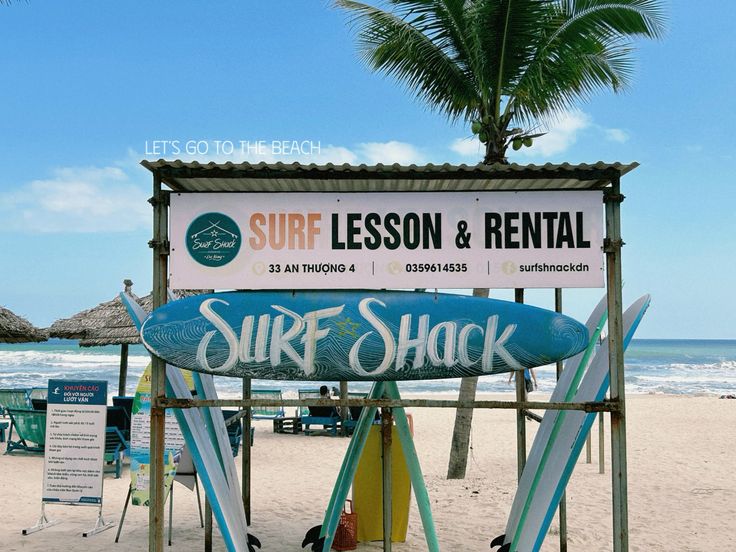
The key takeaway: Vietnam delivers surprisingly consistent surf from November to March along its central and southern coasts, with beginner-friendly beach breaks, emerging reef breaks for advanced surfers, and rental prices starting at just 150,000 VND ($6 USD) per hour less than half what you'd pay in Bali. Add in world-class food culture, friendly locals, and far fewer crowds, and you've got a surf destination that rewards the adventurous traveler.
Vietnam isn't the first place that comes to mind when you think about surfing Southeast Asia, but this 2,000-mile coastline along the South China Sea is quickly earning its reputation among surfers who crave uncrowded waves, affordable prices, and authentic cultural experiences. While you won't find the perfect barrels of Indonesia here, Vietnam delivers something equally valuable: consistent beach breaks from November to March, rental prices that won't drain your travel budget, and a surf scene that feels more like a local secret than a tourist trap.
From the bustling shores of Da Nang's My Khe Beach to the wind-swept paradise of Mui Ne, Vietnam's surf spots cater to everyone from first-timers learning to pop up to intermediate surfers looking to refine their turns on waist-high peelers. The best part? You can rent a quality softboard for about $6-8 USD per hour, grab a private surf lesson for $40-50 USD, and still have cash left over for incredible street food and a beachfront massage.
Is Vietnam Good for Surfing?
Let's be honest: Vietnam won't compete with Indonesia's legendary barrels or Hawaii's powerful reef breaks. But here's what it will give you consistent waist-to-shoulder-high beach breaks during the northeast monsoon season (November-March), warm water year-round, and a surf scene that's still developing, which means you'll often share the lineup with just a handful of locals and other travelers.
The waves here are primarily wind-driven swells generated by the northeast monsoon pushing across the South China Sea. Think fun, playful peaks perfect for practicing your bottom turns and cutbacks rather than heavy, critical waves. Most spots feature sandy beach breaks that are forgiving for beginners and enjoyable for intermediate surfers. When typhoons develop in the Western Pacific between September and December, Vietnam occasionally scores long-period groundswells that can deliver head-high sets and better-shaped waves.
Vietnam is particularly good for surfers who are traveling through Southeast Asia and want to combine surfing with cultural exploration, amazing food, and budget-friendly travel. It's not a destination where you'll surf epic waves every single day, but it's a place where you'll have memorable sessions, meet friendly locals, and experience a side of Asia that feels refreshingly authentic.
Best Time to Surf in Vietnam (Seasonal Breakdown)
Vietnam's surf seasons are dictated by two monsoon patterns that completely transform wave conditions along the coast. Understanding these patterns is crucial for timing your trip.
Northeast Monsoon Season (November-March)
This is prime time for surfing in Vietnam. The northeast monsoon brings low-pressure systems across the South China Sea, generating consistent wind swells that light up the central and southern coasts. During this period, you can expect regular surf at spots like Da Nang, Mui Ne, Nha Trang, and Vung Tau.
Wave heights: Typically waist to shoulder-high (1-1.5 meters), occasionally head-high during strong systems or typhoon swells.
Water temperature: 24-27°C (75-81°F) in central regions, warmer in the south.
Weather: November through December can see heavy rainfall in central Vietnam, but January through March tends to be drier with more sunshine. Early mornings offer the best conditions before onshore winds kick in around 10-11am.
Crowds: Moderate at popular spots like My Khe Beach in Da Nang, but still significantly less crowded than Bali or other established surf destinations.
The best months within this window are December, January, and February you'll get the most consistent swells, improving weather conditions, and established sandbars from months of wave action.
Southwest Monsoon Season (May-September)
During the southwest monsoon, wave conditions drop significantly. The dominant wind direction switches, and most of Vietnam's coast goes flat or experiences messy, wind-chopped conditions. Your only real chance for decent waves during this period comes from typhoons hitting Taiwan or the Philippines, which occasionally send groundswell wrapping around into the South China Sea.
Wave heights: Usually flat to ankle-high, occasionally knee to waist-high during typhoon events.
Water temperature: 27-29°C (81-84°F) bath-like warmth.
Weather: Hot and humid with afternoon thunderstorms, particularly in May and June.
Best for: This period is better suited for longboarders who can make something out of small, mushy waves, or for complete beginners taking their first surf lessons in gentle conditions.
Shoulder Seasons: April & October
These transition months can surprise you. April sees the tail end of the northeast monsoon with decreasing swell but often glassy morning conditions. October marks the beginning of the surf season with inconsistent swells starting to arrive. Both months offer smaller crowds and can deliver fun sessions if you're flexible with your travel dates and don't mind gambling on wave conditions.
Pro tip: Check surf forecasts on Magicseaweed or Surfline about a week before your trip. The forecasts aren't always perfect for Vietnam, but they'll give you a general idea of what's arriving.
Best Surf Spots in Vietnam (North to South)
Northern Vietnam
Ha Long Bay Region
Northern Vietnam, including the famous Ha Long Bay, doesn't offer reliable surf. The region is sheltered by Hainan Island (China), which blocks most swell from reaching the coast. Ha Long Bay is spectacular for cruising on traditional junks and exploring limestone karsts, but leave your surfboard at home for this part of your trip.
Central Vietnam (Prime Surf Zone)
Da Nang & My Khe Beach
Da Nang is Vietnam's surf capital and for good reason. My Khe Beach (also called China Beach) stretches for 20 miles and offers multiple peaks that work on different sandbars and tides. The city infrastructure makes it incredibly convenient you're never more than 10 minutes from a surf shop, and the international airport is just 15 minutes from the beach.
Wave type: Beach breaks with sandy bottom
Best for: All levels, from complete beginners to intermediate surfers
Peak season: September to March, with best conditions November-February
Best time of day: Early morning (6-9am) before onshore winds arrive
Crowd factor: Moderate you'll share waves with other surfers but lineups rarely get aggressive
Other nearby breaks include Non Nuoc Beach (mellower and less crowded, perfect for beginners) and Nam O Point (a local favorite that delivers punchier waves on bigger swells, about 20 minutes north of the city).
Where to Rent Surf Gear in Da Nang (2026 Prices)
Surf Shack Da Nang (An Thuong 5 Street, near My Khe Beach)
- Softboards: $7.50 USD/hour, $20-25 USD/day
- Mold/epoxy boards: $10-15 USD/hour
- Premium Firewire boards: $17.50-20 USD/hour
- Perks: Free showers, lockers, bike racks, accepts VND/USD/credit cards
- Optional insurance: 50,000-150,000 VND to avoid deposit
- Bicycle with surf carrier rental: $5 USD/day
LST Surf Shop (100 meters from My Khe Beach)
- Softboards: 150,000 VND/hour (~$6 USD)
- Shortboards: 200,000 VND/hour (~$8 USD)
- Mid-lengths: 250,000 VND/hour (~$10 USD)
- Longboards: 300,000 VND/hour (~$12 USD)
- Perks: Flexible multi-day rates, board swaps allowed, storage options
Da Nang Outdoor Adventures (An Thuong area, 5-minute walk to beach)
- Board rental: 150,000 VND includes board + wetsuit/rash vest
- Perks: Showers, changing rooms, lockers, board drop-off/pick-up service (20,000 VND each way during big swell days)
- Wide selection from soft tops to epoxy longboards
Coco Surf Danang (My Khe Beach area)
- 2-hour rental: Approximately 180,000 VND (~$7 USD)
- Brand new boards in various sizes
- English-speaking staff who provide improvement advice
Dana Surf Rental (My Khe Beach)
- Hourly and daily rentals available
- Free board delivery along My Khe Beach
- Soft tops for beginners to performance boards for advanced surfers
Surf Schools in Da Nang (2026 Pricing)
LST Surf Lessons
- Private 1-on-1 lesson (2 hours): 1,200,000 VND (~$50 USD)
- Small group lesson (3+ people, 2 hours): 1,000,000 VND per person (~$40 USD)
- Add photo/video service: 300,000 VND per person
- Add drone footage: 500,000 VND per person
- All equipment included (board, leash, wax, rash guard)
Da Nang Outdoor Adventures
- 2-hour group surf lesson: Includes instruction, equipment, photos/videos via GoPro
- Small class sizes (maximum 6:1 instructor ratio)
- Rash vests for summer, wetsuits for winter included
Go Surfing Da Nang & Hoi An
- ISA-certified instructors
- Group and private classes available for adults and kids
- Multi-day courses offered
Coco Surf Danang
- Beginner lessons with patient, high-English-fluency instructors
- Free action photos included
- Lessons limited to 4 people per instructor for personalized attention
Cham Islands
Located about 15 km offshore from Hoi An, the Cham Islands offer more advanced wave options when conditions align. You'll need to arrange boat transport, and the surf here works best during bigger swells from typhoons. Reef breaks can deliver more powerful, hollow waves than mainland beach breaks, but they're inconsistent and require local knowledge. This is a spot for experienced surfers looking to explore off the beaten path.
Southern Vietnam
Mui Ne
Mui Ne has earned its reputation as Vietnam's wind sports capital primarily for kitesurfing and windsurfing but it also delivers fun wave riding during the northeast monsoon. The beach faces southeast and picks up consistent wind swell from November through March. While the waves can be choppy due to strong onshore winds, early morning sessions before the wind builds offer glassy conditions.
Wave type: Beach breaks with occasional punchy sections
Best for: Intermediate surfers comfortable in choppy conditions; also great for learning kitesurfing
Peak season: November to March
Vibe: Backpacker-friendly town with a strong international water sports community
Surf & Kite Rental Shops in Mui Ne (2026 Prices)
Mui Ne Kitesurf School (MKS)
- Surfboard rental: $15 USD/hour
- Stand-up paddleboard: $25 USD/hour
- Note: Insurance not provided, customers responsible for equipment damage
Surf4You Residence
- Beachfront property with surf rental and lesson services
- Wing foil rental equipment available (up-to-date gear in 2026)
- Surf lessons offered for all levels
- On-site accommodation, pool, and restaurant
Muine Local Surf School
- Operating since 2014 one of Mui Ne's original surf schools
- Beginner lessons and surfboard rentals
- Over 10,000 students taught
- Customized lessons by experience level
- Professional coaches with local knowledge
Jibes Beach Club
- Well-established wind sports center
- Surf and kite equipment rentals
- Restaurant and bar on-site
- Great for combining water sports with social atmosphere
Surf Schools & Lessons in Mui Ne (2026 Pricing)
Beginner surf courses in Mui Ne typically range from 1,000,000 to 5,000,000 VND ($40-200 USD) and cover 2 to 10 hours of instruction. Advanced courses can go up to 12 hours and 14,000,000 VND ($560 USD) for comprehensive multi-day programs. Most schools offer package deals that become more economical the more days you commit to.
Vung Tau
Just 90 minutes from Ho Chi Minh City, Vung Tau serves as a convenient weekend surf escape for both locals and travelers based in Saigon. The town sits on an exposed peninsula, and while wave quality can be inconsistent, Back Beach picks up more swell than Front Beach and offers rideable waves during the winter season.
Wave type: Beach breaks, occasionally reaching 2 meters during good swells
Best for: Beginners and intermediates looking for a quick surf fix near HCMC
Peak season: December to March
Crowd factor: Can get busy on weekends with surfers from Ho Chi Minh City
Where to Rent in Vung Tau
Vung Tau has several surf shops along Back Beach offering board rentals at rates similar to Da Nang (approximately 150,000-250,000 VND per hour or $6-10 USD). The surf scene here is more casual and less developed than Da Nang, so it's best to ask locals or your accommodation for current rental shop recommendations.
Phu Quoc
This island paradise in the Gulf of Thailand offers limited surf opportunities. Waves here are small and seasonal, working best during southwest monsoon storms (June-September) opposite to the rest of Vietnam. Phu Quoc is better known for its pristine beaches, snorkeling, and diving rather than surfing. If you're here during a swell window, you might score small fun waves, but don't plan your entire surf trip around this destination.
Surf Gear Availability in Phu Quoc
Rental options are limited on the island. Some beach resorts may have surfboards available for guests, but dedicated surf shops are scarce. If you're serious about surfing here, consider bringing your own board or checking with your hotel ahead of time about equipment availability.
Con Dao Islands
Remote, pristine, and challenging to access, Con Dao represents Vietnam's surf frontier. This archipelago of 16 islands sees very few surfers and offers potential for reef breaks and uncrowded sessions. The logistics are demanding you'll need to fly in from HCMC or take an overnight ferry, and accommodation is limited.
Wave type: Reef breaks and beach breaks
Best for: Advanced surfers seeking adventure and solitude
Peak season: November to March
Bringing Your Own Gear to Con Dao
There are virtually no surf rental shops on Con Dao. If you're planning to surf here, you must bring your own equipment. Check with your airline about surfboard fees (typically $50-100 USD each way for international flights) and arrange ground transport that can accommodate your board.
Can Beginners Surf in Vietnam?
Absolutely. Vietnam is actually an excellent destination for beginner surfers. The gentle, rolling beach breaks at spots like My Khe in Da Nang and Non Nuoc Beach provide forgiving waves that are perfect for learning the fundamentals. Water temperatures are warm year-round, so you won't need a thick wetsuit (or any wetsuit at all in summer). The sandy bottom means fewer worries about reef cuts, and most surf schools employ English-speaking instructors who are patient and experienced with first-timers.
Best Beginner Surf Spots
My Khe Beach, Da Nang: Long stretch of sandy beach with multiple peaks. The southern end tends to have smaller, gentler waves ideal for beginners. Numerous surf schools line the beach, making it easy to book a lesson or rent a board.
Non Nuoc Beach, Da Nang: Just south of My Khe, this beach offers calmer conditions and fewer crowds. The gentle slope of the beach creates waves that break softly and roll rather than crash.
Mui Ne (early morning): Before the wind picks up, Mui Ne can offer glassy beginner-friendly conditions. Book an early lesson to catch the best morning glass.
Bai Dai Beach, Nha Trang: Located about 30 minutes south of Nha Trang city, this long sandy beach features consistent 2-3 foot waves perfect for learning. Several surf schools operate here during the season.
Surf Schools & Lessons
Most reputable surf schools in Vietnam include the following in their beginner lesson packages:
- 2 hours of instruction (30 minutes on beach, 90 minutes in water)
- Surfboard (typically 8-9 foot soft top)
- Rash guard or wetsuit depending on season
- Leash and wax
- Free photos/videos of your session (at many schools)
- English-speaking instructors (check when booking)
Most beginners stand up and ride at least a few waves by the end of their first 2-hour lesson. The keys to success: arrive well-rested, don't eat a huge meal beforehand, apply plenty of sunscreen, and be patient with yourself. Surfing is challenging at first, but Vietnam's gentle waves give you the best possible learning environment.
Where Advanced Surfers Should Go
While Vietnam caters primarily to beginners and intermediates, advanced surfers can find worthwhile waves if they time their trip right and know where to look.
Nam O Point, Da Nang: When a solid swell hits, Nam O delivers more powerful, punchier waves than My Khe. The sandbar setups here can produce faster sections that allow for more critical turns and maneuvers. This is a local favorite that doesn't get publicized much to tourists.
Cham Islands: The reef breaks around the Cham Islands work best during big swells and can offer hollow, more challenging waves. You'll need to arrange boat transport and go with someone who knows the spots. Exercise caution reef breaks demand more skill and carry higher risk.
Con Dao Islands: For the true adventurer, Con Dao's remote reefs remain largely unexplored. Expect an expedition-style surf trip with unpredictable conditions but potential for uncrowded waves.
Hidden spots between Da Nang and Mui Ne: The central Vietnamese coast hides numerous unnamed beach and reef breaks that come alive during typhoon swells. These spots require local knowledge, a motorbike, and flexibility in your travel plans.
The reality: Even advanced surfers should adjust their expectations for Vietnam. This isn't Indonesia or the Philippines. You're unlikely to get barreled or find perfect point breaks. But if you embrace Vietnam's waves for what they are fun, playful, and uncrowded you'll have great sessions and enjoy the overall surf adventure that this country offers.
Understanding Vietnam's Wave Characteristics
Beach Breaks vs Reef Breaks
Vietnam's coastline is dominated by beach breaks waves that break over sandy bottoms. These are the most common and accessible wave type you'll encounter. Beach breaks constantly shift and change as sandbars reform after storms and swells. They're generally safer and more forgiving than reef breaks, making them ideal for learning and progression.
Reef breaks exist but are less common and harder to access. You'll find them around rocky headlands, offshore islands like the Chams, and in remote areas like Con Dao. Reef breaks offer more consistent wave shape and can be more powerful, but they demand greater skill and present more hazards (sharp coral, sea urchins, challenging entry/exit).
Wave Size & Consistency
Set realistic expectations: Vietnam typically delivers knee to chest-high waves during the peak season, occasionally reaching head-high during strong swells or typhoon events. This isn't big wave territory. The consistency varies you might score three consecutive days of fun waves, then experience a few flat days.
The waves are primarily wind swells rather than long-period groundswells. Wind swells create shorter-period waves that lack the power and push of swells that have traveled across thousands of miles of ocean. They're fun and rideable but don't expect the powerful, pushing feeling you'd get in Hawaii or even Bali.
When typhoons develop in the Western Pacific (particularly September-November), Vietnam can receive longer-period groundswells that significantly improve wave quality. These swells are less frequent but highly prized by local surfers who track storms and position themselves at the best spots when they arrive.
Water Temperature & Wetsuit Guide
One of Vietnam's great advantages for surfers: warm water year-round.
Summer (May-September): 27-29°C (81-84°F) boardshorts or swimsuit only
Winter (November-March): 24-27°C (75-81°F) boardshorts are usually sufficient, though a thin spring suit (1-2mm) can take the chill off during early morning sessions in January-February, particularly in Da Nang and Nha Trang.
What to bring: Most surfers are comfortable in just boardshorts for the entire season. If you're particularly sensitive to cold or planning lots of dawn patrol sessions during December-February in central Vietnam, pack a thin neoprene top or short-sleeve spring suit. You definitely don't need a full 3/2mm wetsuit.
How Much Does It Cost to Surf in Vietnam? (2026 Breakdown)
Vietnam remains one of the most budget-friendly surf destinations in the world. Here's a comprehensive cost breakdown based on 2026 prices.
Surf Gear Rental Costs by Location
Da Nang:
- Softboard: 150,000-200,000 VND/hour ($6-8 USD) or $20-25 USD/day
- Shortboard/Fish: 200,000-250,000 VND/hour ($8-10 USD)
- Longboard: 250,000-300,000 VND/hour ($10-12 USD)
- Premium boards (Firewire, etc.): $17.50-20 USD/hour
- Weekly rates: Often 20-30% discount from daily rates if you commit to 5-7 days
Mui Ne:
- Surfboard: $15 USD/hour
- Daily and weekly rates available at most schools
- Kitesurfing gear costs more (starting around $25-30 USD/hour)
Vung Tau:
- Similar to Da Nang: 150,000-250,000 VND/hour ($6-10 USD)
Surf Lesson Pricing (2026)
Group Lessons (2-4 people):
- 2-hour session: 800,000-1,000,000 VND per person ($32-40 USD)
- Includes: board, wetsuit/rash guard, instruction, usually photos/videos
- Most economical option for solo travelers or small groups
Private 1-on-1 Lessons:
- 2-hour session: 1,200,000-1,500,000 VND ($48-60 USD)
- Best for rapid progression or if you want personalized coaching
- Often includes photo/video documentation
Multi-Day Packages:
- 3-day beginner course: 3,500,000-5,000,000 VND ($140-200 USD)
- 5-day intensive: 6,000,000-8,000,000 VND ($240-320 USD)
- Usually includes progressive instruction, multiple boards to try, all equipment
Surf Camp Packages
Several operators in Da Nang and Mui Ne offer week-long packages that combine accommodation, meals, surf lessons, and rentals. Expect to pay:
- Budget surf camp: $400-600 USD/week (shared room, basic accommodation)
- Mid-range surf camp: $800-1,200 USD/week (private room, nicer facilities)
- Premium surf experience: $1,500-2,500 USD/week (boutique accommodation, gourmet meals, private coaching)
Accommodation Costs Near Surf Spots
Budget (hostels/guesthouses):
- Dorm bed: $6-12 USD/night
- Private room: $15-25 USD/night
- Often within walking distance of beaches
Mid-range (hotels/Airbnb):
- $30-60 USD/night
- Usually includes air conditioning, hot water, WiFi
- Many have pools and breakfast included
Upscale (beachfront resorts):
- $80-200+ USD/night
- Direct beach access, multiple pools, spas, restaurants
Food & Transport Budget
Meals:
- Street food/local restaurants: $2-5 USD per meal
- Mid-range restaurants: $8-15 USD per meal
- Western food/expat cafes: $10-20 USD per meal
- Local beer: $0.50-1.50 USD
- Coffee: $1-3 USD
Transport:
- Motorbike rental: $5-8 USD/day
- Bicycle rental: $2-3 USD/day
- Taxi from airport to beach (Da Nang): $5-8 USD
- Grab (ride-hailing app): Varies, typically $1-5 USD for short trips within the city
Sample Daily Budget Scenarios
Budget Backpacker Surfer ($30-40 USD/day):
- Hostel dorm: $8
- 3 meals (street food/local): $10
- Board rental: $8/hour x 2 hours = $16
- Motorbike rental: $6
- Coffee/snacks: $3
- Total: ~$43 USD
Mid-Range Surfer ($60-80 USD/day):
- Private room (guesthouse): $25
- 3 meals (mix of local and Western): $20
- Board rental: Full day = $25
- Motorbike rental: $7
- Coffee/treats/massage: $15
- Total: ~$92 USD
Comfort/Luxury Surfer ($120-180 USD/day):
- Beachfront hotel: $80
- Meals at nicer restaurants: $40
- Premium board rental or private lesson: $50
- Spa treatment/activities: $30
- Total: ~$200 USD
The bottom line: Vietnam allows you to surf on almost any budget. Even backpackers staying in hostels can afford daily surf sessions, while those with more to spend can enjoy luxury accommodations without breaking the bank compared to surf destinations in Australia, Hawaii, or even parts of Indonesia.
Vietnam Surf Culture & Local Etiquette
Vietnam's surf culture is young but rapidly growing. In the past decade, Da Nang has seen a significant increase in local Vietnamese surfers, particularly young people drawn to the sport's freedom and lifestyle. The vibe in Vietnamese lineups is generally friendly and welcoming far less territorial than established surf spots in Indonesia, Hawaii, or California.
Key etiquette points:
- Respect the locals: Vietnamese surfers are still a minority in their own country. When you do encounter local surfers, show respect and share waves generously. They often have deep knowledge about conditions and can point you to the best spots.
- Don't snake or drop in: Basic surf etiquette applies the surfer closest to the peak has priority. Wait your turn and don't paddle around others to get position.
- Help beginners: The surf community in Vietnam is supportive. If you see someone struggling or a beginner in trouble, offer assistance.
- Keep the beach clean: Take your trash with you. Vietnam struggles with plastic pollution, and surfers should lead by example in keeping beaches pristine.
- Learn a few Vietnamese phrases: Even basic attempts at speaking Vietnamese are appreciated. Try "Xin chào" (hello), "Cảm ơn" (thank you), and "Sóng đẹp" (nice waves).
- Be patient with language barriers: Not everyone speaks perfect English. Use gestures, be patient, and maintain a friendly attitude.
The surf community in Vietnam's main spots like Da Nang includes a mix of locals, long-term expats, and travelers. It's easy to make friends in the lineup and connect with other surfers at beachside cafes and surf shops. Many cities have informal "surf crews" that meet for dawn patrol sessions ask around at your rental shop and they'll often invite you to join.
Getting Around Vietnam's Surf Spots
International Flights & Entry Requirements
Main International Airports:
- Tan Son Nhat International Airport (Ho Chi Minh City) - largest airport, gateway to southern Vietnam
- Noi Bai International Airport (Hanoi) - northern gateway
- Da Nang International Airport - most convenient for central coast surf spots
Visa Requirements (2026):
As of 2026, US citizens and most international travelers need a visa to enter Vietnam. The good news: the process is straightforward.
- E-Visa: Most convenient option. Apply online at the official Vietnam Immigration website (evisa.gov.vn). Valid for up to 90 days, single or multiple entry. Cost: $25 USD. Processing time: 3-5 business days. Your passport must be valid for at least 6 months beyond your exit date with at least one blank page.
- Visa on Arrival: Requires pre-approval letter from a sponsor/travel agent. You receive the actual visa upon landing at the airport. Convenient for last-minute travel.
- Embassy Visa: Apply in person or by mail at Vietnamese embassy/consulate in your home country. Longer processing time but may be required for extended stays or special circumstances.
Important: Double-check current visa policies before your trip as requirements can change. The official Vietnamese government e-visa portal is your most reliable source.
Domestic Transport
Flights: Vietnam Airlines, VietJet, and Bamboo Airways connect major cities. Budget airlines often have sales making flights between Hanoi, Da Nang, Nha Trang, and HCMC very affordable ($30-80 USD). Book in advance for best rates.
Trains: The Reunification Express runs the length of the country and offers a scenic, comfortable way to travel between surf spots. The journey from Da Nang to Nha Trang takes about 10 hours. Book sleeper berths for overnight journeys. Not fast, but atmospheric and much more enjoyable than buses.
Buses: Extensive network of "open tour" buses connecting tourist destinations. Companies like The Sinh Tourist and Futa Bus Lines offer reliable service. Sleeper buses work well for overnight travel, though they can be cramped. Prices are very budget-friendly ($10-25 USD for long journeys).
Motorbikes: Renting a motorbike gives you maximum flexibility to explore hidden surf spots and coastal roads. Most towns rent scooters for $5-8 USD/day. International driving permit recommended but often not required. Always wear a helmet (mandatory by law). Note: Riding with a surfboard on a motorbike requires practice many surf shops rent bicycle carriers or racks that attach to the bike.
Bringing Your Own Board vs Renting
Airline Fees (2026):
- International flights: Most airlines charge $50-150 USD each way for surfboards
- Some budget airlines in Asia charge $100+ USD each way
- Board bags must typically stay under weight limits (23-32kg depending on airline)
- Domestic flights within Vietnam: Varies by airline, usually $25-50 USD per flight
Should you bring your own board?
Consider bringing your own board if:
- You're staying more than 2 weeks
- You surf specific types of boards that might not be available for rent
- You're traveling to remote areas with limited rental options
- You want guaranteed board availability during your entire trip
Consider renting instead if:
- You're only staying 1-2 weeks
- You're a beginner or intermediate comfortable on standard rental boards
- You're sticking to major surf towns (Da Nang, Mui Ne) with good rental shops
- You want to avoid hassles and excess baggage fees
Board Repair: Basic ding repair services are available in Da Nang and Mui Ne. LST Surf Shop in Da Nang is known for reliable board repairs. Expect to pay $10-30 USD depending on the damage. Repairs typically take 1-3 days.
What to Do When It's Flat
One of Vietnam's greatest strengths as a surf destination: even when the waves are flat, you'll never be bored. The country offers world-class cultural experiences, incredible food, and stunning landscapes.
Food Adventures:
- Take a street food tour in Da Nang or Ho Chi Minh City
- Learn to cook Vietnamese classics (pho, banh mi, spring rolls) in a cooking class
- Hunt down the best banh mi stands, cao lau noodles, and fresh seafood
- Try Vietnamese coffee culture strong iced coffee with condensed milk

Cultural Exploration:
- Visit the ancient town of Hoi An (30 minutes from Da Nang) UNESCO World Heritage site with lantern-lit streets and tailor shops
- Explore the Marble Mountains near Da Nang
- Take a boat tour through Ha Long Bay (if you venture north)
- Visit war museums and historical sites to understand Vietnam's complex history
- Explore local markets and pagodas
Adventure Activities:
- Rent a motorbike and cruise the spectacular Hai Van Pass (Top Gear called it one of the world's best coastal roads)
- Kitesurfing lessons in Mui Ne
- Stand-up paddleboarding in calm waters
- Snorkeling or diving in the Cham Islands or Nha Trang
- Trekking in the Central Highlands
Relaxation:
- Get a beachside massage ($10-15 USD for an hour)
- Visit a local spa or hot springs
- Lounge at beach clubs with pools and cocktails
- Practice yoga at one of Da Nang's many studios
The key is to embrace Vietnam's broader offerings rather than putting all your focus solely on surfing. The most satisfied surf travelers here are those who balance their wave riding with cultural immersion and culinary exploration.
Vietnam vs Other Southeast Asia Surf Destinations
Vietnam vs Bali
Bali advantages: More consistent, higher quality waves; world-class point breaks and reef breaks; established surf culture; better surf infrastructure
Vietnam advantages: Less crowded lineups; significantly cheaper (50-60% less expensive); more authentic local culture; less commercialized; better food diversity
Choose Bali if: You want guaranteed quality waves, perfect barrels, and are comfortable with crowds
Choose Vietnam if: You prefer uncrowded sessions, authentic experiences, tighter budgets, and don't mind less consistent waves
Vietnam vs Philippines (Siargao)
Siargao advantages: Cloud 9 reef break is world-class; more powerful waves; better reef breaks; stronger surf culture
Vietnam advantages: More beginner-friendly beach breaks; better infrastructure for non-surfing activities; easier visa process; cheaper domestic transport
Choose Siargao if: You're intermediate to advanced and want more powerful, hollow waves
Choose Vietnam if: You're a beginner or prefer beach breaks and want to combine surfing with extensive cultural exploration
Vietnam vs Sri Lanka
Sri Lanka advantages: More consistent reef breaks; longer right-hand points; established surf camp scene; waves work multiple seasons on different coasts
Vietnam advantages: Less expensive; safer beach breaks for learning; more varied cuisine; easier to navigate for first-time Asia travelers
Choose Sri Lanka if: You're intermediate level seeking point breaks and don't mind slightly higher costs
Choose Vietnam if: You're on a tighter budget, prefer sandy bottoms, and want more diverse cultural experiences
Hidden & Emerging Surf Spots
Beyond the main surf centers, Vietnam's long coastline hides numerous lesser-known spots that see few surfers. These require more effort to access but reward adventurous surfers with empty lineups.
Quy Nhon: Located between Nha Trang and Da Nang, this coastal city sees consistent swells during the northeast monsoon but receives a fraction of the surfers. Multiple beaches work on different swells and tides. Bai Xep, a fishing village beach just north of the city, delivers fun waves in a stunning setting.
Unnamed breaks along Highway 1: The coastal highway between Da Nang and Mui Ne passes dozens of beaches that catch swell. If you have a motorbike and flexibility, stop at promising looking spots when you see peaks forming. Ask locals for their recommendations.
Ham Tien Beach, Mui Ne: Less developed than the main Mui Ne surf beach, Ham Tien offers similar wave conditions with fewer people.
Lang Co Bay: A stunning lagoon between Da Nang and Hue that occasionally picks up swell. More sheltered than exposed coasts but can offer protected waves during big swells.
If you're serious about finding uncrowded waves, invest time in exploring. Hire a local guide, rent a motorbike, study maps, and talk to Vietnamese surfers who know hidden spots. The best discoveries in Vietnam come to those willing to venture off the established surf trail.
Practical Tips for Surfing Vietnam
Best Apps & Resources
Surf Forecasting:
- Magicseaweed - Most commonly used, though predictions for Vietnam aren't always accurate
- Surfline - Alternative forecast source
- Windy - Excellent for tracking wind patterns and storms
Translation:
- Google Translate - Download Vietnamese for offline use
- Works decently well with camera translation for menus and signs
Transportation:
- Grab - Southeast Asia's version of Uber, works well in cities
- Google Maps - Generally reliable for navigation
- 12Go Asia - For booking buses, trains, and ferries
Money:
- Wise (formerly TransferWise) - Best exchange rates for withdrawing Vietnamese dong
- Most ATMs accept international cards; withdraw at banks for lower fees
Health & Safety Considerations
Water Quality: Generally good at main beaches, but can be questionable after heavy rains when runoff enters the ocean. Avoid surfing immediately after storms if possible.
Sun Protection: Tropical sun is intense. Apply reef-safe sunscreen liberally and reapply often. Consider a UV rash guard. Locals often surf fully clothed to protect against sun.
Rip Currents: Beach breaks can develop strong rips, especially during bigger swells. If caught in a rip, don't panic swim parallel to shore until you escape the current, then swim back to beach.
Marine Life: Jellyfish can appear seasonally. If stung, rinse with vinegar and seek medical attention if reaction is severe. Sharks are extremely rare in Vietnam's surf zones.
Ear Care: Warm water reduces surfer's ear risk, but consider using ear plugs if you surf multiple hours daily. Bring ear drops to prevent infections.
Travel Insurance: Essential. Make sure your policy covers surfing (many standard policies exclude "adventure sports"). World Nomads offers good coverage for surfers.
Vaccinations: Check CDC recommendations. Common vaccines for Vietnam: Hepatitis A & B, Typhoid, Tetanus. Consult your doctor 4-6 weeks before departure.
Packing List for Surf Trip
Essential Surf Gear:
- Boardshorts (2-3 pairs)
- Thin rash guard or UV shirt
- Reef booties (if planning to surf reef breaks or explore the Chams/Con Dao)
- Surf wax (bring your own preferred tropical wax, though available locally)
- Spare leash (if bringing your own board)
- Ding repair kit (if bringing your own board)
Sun Protection:
- Reef-safe sunscreen (50+ SPF)
- Wide-brimmed hat
- Sunglasses with UV protection
- Lip balm with SPF
First Aid:
- Band-aids and gauze
- Antibiotic ointment
- Ear drops
- Motion sickness medication
- Pain relievers
- Insect repellent
Other Essentials:
- Dry bag for valuables
- Waterproof phone case
- Microfiber towel (dries quickly)
- Flip flops and water shoes
- Light rain jacket
- Power adapter (Type A, C, or D for Vietnam)
Booking Surf Rentals & Lessons: Tips
High Season (Dec-Feb): Pre-book lessons if arriving during Christmas/New Year holidays. Rentals rarely sell out, but lessons at popular schools can fill up.
Low Season (Apr-Oct): Walk-in rentals always available. Some surf schools reduce hours or close temporarily during flattest months (May-Aug).
Group Discounts: If traveling with friends, ask about group rates for lessons or multi-day rental packages.
Payment: Many places accept cash (VND or USD), credit cards, or mobile payment. Small shops may be cash-only, so keep Vietnamese dong handy.
Deposits: Most rental shops now offer optional damage insurance (50,000-150,000 VND or $2-6 USD) instead of requiring passport deposits choose this option!
Final Thoughts: Is Vietnam Worth It for Surfers?
Vietnam won't give you the epic barrels of Indonesia, the powerful reef breaks of Fiji, or the consistent perfection of Costa Rica. What it will give you is something increasingly rare in the surf world: uncrowded waves, authentic cultural experiences, genuinely affordable prices, and the satisfaction of surfing somewhere that still feels like a discovery rather than a checklist destination.
Vietnam is particularly ideal for:
- Beginner and intermediate surfers who want gentle, forgiving waves to build skills
- Budget-conscious travelers who want quality surf experiences without premium prices
- Cultural explorers who want to balance surfing with deep cultural immersion
- Digital nomads who can stay for weeks or months and catch the best swells
- Surfers seeking uncrowded lineups who are tired of battling crowds in Bali or other established spots
Time your trip for the November-to-March window, base yourself in Da Nang or Mui Ne, rent a motorbike to explore the coast, and approach Vietnam with realistic expectations about wave quality. If you do those things, you'll have a memorable surf adventure that exceeds expectations not because the waves will be perfect, but because the overall experience the friendly people, incredible food, stunning landscapes, and uncrowded breaks creates something special.
Vietnam's surf scene is still young and evolving. Visit now, before it becomes the next over-discovered destination, and you'll experience Southeast Asian surfing at its most authentic.
Frequently Asked Questions
Are there sharks in Vietnam surf spots?
Shark encounters are extremely rare in Vietnam's surf zones. The country's beaches are heavily fished, which reduces shark populations near shore. In decades of surfing in Vietnam, serious shark incidents are virtually unheard of. The main marine hazards are jellyfish (seasonally) and sea urchins in rocky areas.
Do I need a wetsuit to surf in Vietnam?
Generally no. Water temperatures range from 24-29°C (75-84°F) year-round. Most surfers wear just boardshorts or a swimsuit. During winter months (December-February) in central Vietnam, a thin 1-2mm spring suit or neoprene top can be comfortable for early morning sessions, but it's not necessary. Save luggage space and rent one if you decide you want extra warmth.
Can I find surf coaches who speak English?
Yes, absolutely. Most established surf schools in Da Nang, Mui Ne, and Nha Trang employ English-speaking instructors or have English-fluent staff. Many instructors are Western expats or Vietnamese who've trained internationally. When booking, confirm language options if this is important to you.
What's the surfing like in Hanoi?
There's no surfing in Hanoi it's located inland in northern Vietnam. The northern coast near Hanoi is sheltered by China's Hainan Island, which blocks swell. For surf, you need to travel to central or southern Vietnam (Da Nang, Nha Trang, Mui Ne, or Vung Tau).
Is it safe to surf alone in Vietnam?
Generally yes, especially at popular beaches during daylight hours where other surfers and beachgoers are present. As with any surf destination, use common sense: don't surf alone at remote spots, know your limits, be aware of rips and currents, and let someone know your plans. The main surf beaches like My Khe in Da Nang are very safe and have lifeguards during peak season.
How much does it cost to rent a surfboard for a week in Vietnam?
Weekly rates typically range from $80-140 USD depending on board type and location. Most shops offer 15-30% discounts for week-long rentals. For example, a softboard that costs $8/hour or $25/day might rent for $100-120 for seven days. Always ask about weekly rates and compare shops prices can vary.
Which Vietnamese surf spot has the best rental gear quality?
Da Nang generally has the best maintained and most diverse rental fleets. Shops like Surf Shack, LST, and Da Nang Outdoor Adventures invest in quality boards and replace them regularly. They offer everything from soft tops to premium Firewire epoxy boards. Mui Ne's rental quality can be more variable inspect boards carefully before renting and don't hesitate to ask for a different board if you spot damage.