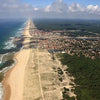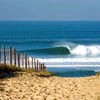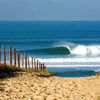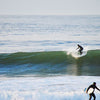
Riding Ireland's Atlantic Swells: The Ultimate Cold Water Paradise
Ireland isn't the first destination that comes to mind when most people think about surfing. Images of sun-bleached hair, warm sand, and boardshorts clash with the reality of Ireland's grey skies, persistent drizzle, and bone-chilling Atlantic water. Yet for those willing to embrace thick wetsuits, moody weather, and the occasional hailstorm, Ireland delivers some of Europe's most powerful, consistent, and uncrowded surf. This is cold water paradise, where dramatic cliffs, ancient castles, and green mountains frame lineups that can rival anywhere on the planet.
The key takeaway: Ireland's 4,000km Atlantic coastline delivers powerful, consistent surf year-round with dramatically uncrowded lineups compared to other European destinations. From Bundoran's championship-level Peak to Mullaghmore's 60-foot monsters, from beginner beaches to expert slabs, Irish surf combines world-class waves with authentic culture, stunning scenery, and post-surf pub sessions you won't find anywhere else. Embrace the cold water (10,16°C) and moody weather, and you'll discover why Ireland has become Europe's most exciting surf frontier, ranking among the best surf destinations in the world.
Why Surfing in Ireland is Unlike Anywhere Else
Ireland occupies a unique position in the surf world, offering experiences you simply cannot replicate in warmer, more established destinations. The combination of raw Atlantic power, dramatic landscapes, and authentic culture creates something special that resonates deeply with surfers tired of crowded lineups and manufactured surf tourism.
Raw Atlantic Power Meets Dramatic Landscapes
Ireland sits directly in the firing line of North Atlantic storm systems. Every low-pressure system spinning off Newfoundland or Iceland sends energy screaming toward the Irish coast. The continental shelf drops away quickly, allowing swells to maintain their power right up to the shore. This creates waves with genuine punch, even at beginner beaches. When you paddle out in Ireland, you're engaging with the Atlantic Ocean at full strength.
The landscape surrounding these waves sets Ireland apart from every other surf destination. Imagine surfing with the 700-foot Cliffs of Moher as your backdrop, or paddling out beneath Slieve League's towering sea cliffs, some of the highest in Europe. Ancient stone walls crisscross green fields leading to the water's edge. Ruined castles perch on headlands overlooking breaks. Mountains rise directly from the coast in places like Achill Island, creating surf sessions framed by peaks and valleys.
This isn't manicured tropical beauty. Ireland's coastline is raw, rugged, and often harsh. Grey skies dominate. Rain arrives suddenly. Wind whips across exposed beaches. Yet this wildness creates profound connection between surfer and environment. You're not just riding waves; you're experiencing the Atlantic's power in one of its most dramatic settings, feeling small against forces that have shaped this coastline for millennia.
Uncrowded Lineups Away from Famous Breaks
While Bundoran's Peak can see crowds during good swells, the vast majority of Ireland's coastline remains remarkably empty. Drive 10 minutes from any famous break and you'll likely find yourself surfing alone or with just a handful of locals. The combination of cold water, unpredictable weather, and limited surf tourism infrastructure keeps crowds manageable even at well-known spots.
Ireland rewards exploration. Countless reef breaks, point breaks, and beach breaks scatter along the west coast, many unnamed or known only to dedicated locals. With a rental car and willingness to hike across farmers' fields or scramble down cliff paths, you can discover setups that see surfers only a few times per month. This sense of discovery and genuine adventure has disappeared from most European surf destinations but thrives in Ireland.
Even at popular spots, Irish surf culture maintains a welcoming attitude toward respectful visitors. Unlike some destinations where traveling surfers face hostility regardless of behavior, Ireland generally embraces those who show proper etiquette, acknowledge locals, and appreciate the privilege of surfing these waves. The lack of year-round surf tourism means locals haven't developed the fatigue and resentment common in overcrowded destinations.
Authentic Irish Culture & Post-Surf Pub Sessions
Irish surf towns maintain genuine character because they existed long before surfing arrived. Bundoran, Lahinch, and other coastal communities were working fishing villages and tourist towns for generations before the first surfers paddled out. This means you experience real Ireland, not manufactured surf culture transplanted from California or Australia.
The post-surf pub session is essential to Irish surfing. After hours in cold Atlantic water, nothing beats warming up beside a turf fire with a pint of Guinness, listening to traditional Irish music, and sharing waves stories with locals who've surfed these breaks for decades. These pubs aren't surf-themed tourist traps; they're authentic community centers where fishing heritage meets modern wave riding.
Irish hospitality is legendary, and surf communities embody this warmth. Locals will direct you to the best breaks for current conditions, warn you about hazards, and share local knowledge freely if you approach with respect. This generosity creates surf trips that transcend just riding waves, becoming cultural immersion into a way of life that values community, storytelling, and genuine human connection over individual achievement and social media documentation.
World-Class Big Wave Surfing
Ireland has emerged as one of the planet's premier big wave destinations. Mullaghmore Head in County Sligo has hosted some of the most terrifying surf sessions ever documented, with waves exceeding 50 to 60 feet breaking over a shallow reef. In 2020, Conor Maguire rode what was measured as Ireland's biggest wave ever at 60 feet during a massive swell. These aren't fluky occurrences but regular winter events when proper storm systems arrive.
Aileens at the Cliffs of Moher represents another world-class big wave, a left-hander that can reach 40 feet, breaking directly beneath Ireland's most famous natural landmark. The wave requires specific conditions including massive swell and strong offshore winds, but when it activates, Aileens produces some of the most spectacular big wave surfing anywhere.
Beyond these famous spots, numerous other reefs and points around the Irish coast handle significant size. Prowlers near Mullaghmore, various unnamed slabs in Donegal, and reef breaks throughout the west coast come alive during major swells, offering big wave opportunities without the crowds of Hawaii or Portugal. For advanced surfers seeking genuine challenge and consequence-laden waves, Ireland delivers at the highest level.

When to Surf in Ireland: Seasonal Breakdown
Ireland offers surfable waves twelve months a year, but seasonal differences in swell size, water temperature, and weather conditions dramatically affect the experience. Understanding these patterns helps you time trips for conditions matching your abilities and cold tolerance. Here's what each season brings to Irish surf.
| Season | Months | Wave Size | Water Temp | Wetsuit | Best For |
|---|---|---|---|---|---|
| Winter | Nov,Feb | 15,20+ ft (4.5,6+ m) | 8,11°C (46,52°F) | 5/4mm,6/5mm + boots, gloves, hood | Big wave experts, hardcore surfers |
| Spring | Mar,May | 3,8 ft (0.9,2.4 m) | 9,12°C (48,54°F) | 4/3mm,5/4mm + boots, gloves | Intermediates, progression, best balance |
| Summer | Jun,Aug | 2,4 ft (0.6,1.2 m) | 14,16°C (57,61°F) | 3/2mm | Beginners, surf schools, families |
| Autumn | Sep,Oct | 4,10 ft (1.2,3 m) | 13,15°C (55,59°F) | 3/2mm,4/3mm + boots | All levels, prime season, best overall |
Best time overall: September,October deliver the optimal combination of solid swells, warm water, improving weather, and fewer crowds. Spring (March,May) offers excellent intermediate conditions with moderate waves and extending daylight.
Avoid: November,February unless you're an experienced cold,water surfer with proper gear. Water temperatures drop to 8,11°C and conditions can be brutal despite epic wave quality.
Winter Surfing (November,February): Big Swells & Serious Cold
Winter unleashes the Atlantic's full fury on Ireland. Massive North Atlantic storm systems track toward Europe throughout these months, generating swells that regularly exceed 15 to 20 feet at exposed breaks. This is when Mullaghmore, Aileens, and other big wave spots activate, when expert-level reef breaks show their true character, and when only experienced surfers should paddle out at premium locations.
Water temperatures drop to their annual low, ranging from 8 to 11°C (46 to 52°F). This demands 5/4mm or even 6/5mm wetsuits, along with boots, gloves, and hoods. Sessions become genuine physical challenges, with cold water sapping energy and creating real hypothermia risk for the unprepared. Air temperatures hover around 5 to 10°C (41 to 50°F), meaning pre-surf and post-surf time can be as uncomfortable as the water itself.
Daylight becomes precious, with sunrise after 8am and sunset before 5pm during December and January. This compresses surf windows significantly. Weather can be brutal, with hailstorms, driving rain, and gale-force winds creating conditions that test commitment. Onshore winds frequently blow for extended periods, ruining otherwise perfect swells.
Yet for hardcore surfers, winter Ireland is paradise. The power and consistency of swells, the raw beauty of winter storms, and the accomplishment of surviving challenging conditions create unforgettable experiences. Plus, accommodation costs drop, crowds thin to only the most dedicated, and you'll have legendary breaks nearly to yourself on weekdays.
Spring Surfing (March,May): Best Balance for Intermediates
Spring offers the sweet spot between winter's power and summer's mellowness. Atlantic storm systems continue generating quality swells, but the extreme size of winter begins moderating. Waves typically range from 3 to 8 feet at most breaks, providing challenge for progression without the intimidation of winter bombs. Clean, offshore conditions become more frequent as weather patterns shift.
Water temperature slowly climbs from winter lows, reaching 9 to 12°C (48 to 54°F) by May. Most surfers stick with 4/3mm or 5/4mm wetsuits through spring, though the hardiest locals might drop to 4/3mm by late May. The warming trend makes sessions more comfortable without requiring thick winter rubber.
Daylight extends significantly, with sunrise before 6am and sunset after 9pm by late May. This creates enormous surf windows, allowing both dawn patrol and evening sessions with plenty of light. Weather remains changeable but improves overall, with more dry days and less brutal wind than winter, though rain remains a constant possibility.
Crowds stay minimal through March and April before picking up slightly in May as European surf tourists begin arriving for extended trips. Accommodation availability is excellent with reasonable prices. Spring particularly suits intermediate surfers wanting to progress on quality waves without winter's extreme cold or summer's flat spells, and it's arguably the best overall season for serious surf trips to Ireland.
Summer Surfing (June,August): Beginner-Friendly Conditions
Summer transforms Irish surf into beginner paradise. The powerful Atlantic swells that dominate other seasons mellow into gentle rollers averaging 2 to 4 feet. These consistent, forgiving waves create ideal learning conditions, explaining why surf schools across Ireland's west coast fill with students during summer months. The smaller size allows first-timers to practice without intimidation while still providing enough push to ride waves.
Water temperature reaches its annual peak, climbing to 14 to 16°C (57 to 61°F) in July and August. While still cold by global standards, this is comfortable enough for 3/2mm wetsuits, making sessions far more pleasant than winter's thick rubber requirements. Some hardy souls even surf in spring suits during peak summer, though most stick with at least 3/2mm for thermal protection.
Long days characterize summer, with sunrise before 5am and sunset after 10pm in June. This creates seemingly endless daylight for surf sessions, beach time, and post-surf exploration. Weather improves dramatically compared to winter, with more sunshine, calmer winds, and warmer air temperatures reaching 15 to 20°C (59 to 68°F). Rain still arrives frequently (this is Ireland, after all), but passes more quickly.
The tradeoff for gentle conditions is increased crowds and occasional flat spells. Popular beginner beaches like Strandhill, Lahinch, and Bundoran see significant summer traffic from Irish holidaymakers, European tourists, and surf students. Flat periods become more common as storm activity decreases. Experienced surfers often find summer frustrating unless they're willing to search remote spots or wait patiently for the occasional larger swell that still arrives.
Autumn Surfing (September,October): Prime Season
Autumn represents Irish surfing at its absolute best. September and October deliver the magical combination of solid Atlantic swells, relatively warm water from summer heating, improving weather compared to winter, and diminishing crowds as summer tourists depart. This creates optimal conditions for surfers at all levels beyond complete beginners.
Swell consistency increases dramatically as the first autumn storms begin spinning up in the North Atlantic. Wave heights range from 4 to 10 feet regularly, with occasional larger swells breaking into the teens. The swells arrive with more organization and power than summer windswells but without the chaotic intensity of deep winter. Clean, offshore conditions become more frequent as prevailing winds shift.
Water temperature maintains summer warmth through September, ranging from 13 to 15°C (55 to 59°F), before slowly cooling through October. Most surfers use 3/2mm or 4/3mm wetsuits comfortably, avoiding the thick rubber of winter. The water often feels warmer than the air during autumn mornings, a unique sensation as you paddle out into the relatively balmy Atlantic.
Daylight remains reasonable, with sunrise around 7am and sunset around 7pm in September, gradually shortening through October. This provides ample surf windows without winter's darkness constraints. Weather becomes more dynamic than summer but stays milder than winter, with spectacular autumn skies, dramatic cloud formations, and that perfect Irish light photographers love.
September particularly shines as peak season. Water is still warm, swells are pumping, weather is decent, and crowds have dispersed. For traveling surfers planning Irish surf trips, September offers the best overall package of wave quality, comfort, and conditions. October extends this prime window, though water cools and weather becomes more aggressive as winter approaches.
Ireland's Best Surf Regions by County
Ireland's surf concentrates along the west coast, where counties face directly into Atlantic swell windows. Each region offers distinct character, wave types, and cultural flavor. Understanding these differences helps you choose the right base for your surf style and trip goals. Here's the county-by-county breakdown of Ireland's premier surf regions.
County Donegal: Ireland's Surf Capital
Donegal dominates Irish surfing, and Bundoran specifically has earned recognition as the island's undisputed surf capital. This compact region in Ireland's northwest corner concentrates exceptional wave quality, consistent swell exposure, and developed surf infrastructure that supports everyone from first-timers to world-class professionals.
Key Features:
- The Peak: Ireland's most famous wave, powerful reef break, hosts championships
- Tullan Strand: Long sandy beach, beginner,friendly, multiple surf schools
- Rossnowlagh: Horseshoe beach, consistent waves, dramatic cliff setting
- Multiple surf schools, rental shops, surf,focused accommodations
- Year,round surf culture and community infrastructure
- North Donegal: Remote uncrowded options like Dunfanaghy, Killahoey
Bundoran centers Irish surf culture. The town's compact size belies its importance, with multiple surf schools, rental shops, surf-focused accommodations, and a community that lives and breathes wave riding. The Peak stands as Ireland's most famous wave, a powerful reef break that hosts Irish national championships and draws surfers from across Europe. This left-hander produces fast, hollow sections over shallow reef, demanding expert-level skill when conditions are firing. The crowds at The Peak can be intense during good swells, with a well-established local hierarchy that visitors must respect.
Tullan Strand provides Bundoran's beginner alternative, a long sandy beach with gentle waves perfect for learning. Multiple surf schools operate here, offering lessons in waist-high water with sandy bottom forgiveness. The beach's horseshoe shape creates different sections suitable for various progression levels, and the Dartry Mountains backdrop creates stunning scenery for first sessions.
Rossnowlagh sits just north of Bundoran, offering a beautiful horseshoe-shaped beach with consistent waves for all levels. The gradual depth increase and groomed wave faces make this an excellent beginner spot, while the outside peaks challenge advancing surfers. The beach's orientation provides some wind protection, and the setting beneath towering cliffs creates a dramatic surf environment.
North Donegal extends the surf opportunities with more remote, uncrowded options. Dunfanaghy and the surrounding coastline offer exploration potential for surfers with cars. Beaches like Killahoey deliver quality waves with minimal crowds in spectacular settings. The isolation means you'll need self-sufficiency and local knowledge, but the reward is empty lineups and pristine Irish coastal beauty.
County Sligo: Big Wave Territory
Sligo sits immediately south of Donegal, offering a different surf character. While Donegal concentrates accessibility and beginner options, Sligo specializes in powerful waves and big wave destinations that challenge experienced surfers. The county's coastal orientation and reef configurations create some of Ireland's most intense surf.
Key Features:
- Strandhill: Popular beach break town, National Surf Centre (opened 2023)
- Easkey: Quality reef breaks (left and right), 10,15 ft capable, powerful waves
- Mullaghmore Head: World,class big wave, 40,60 ft slabs, jet ski tow,in required
- Knocknarea Mountain backdrop providing stunning scenery
- McGowan's pub in Easkey: Traditional post,surf warming spot
- Hosts Billabong Monster Tow,In Session annually since 2011
Strandhill anchors Sligo's surf scene, a popular beach break town with year-round waves and well-developed infrastructure. The beach produces fun, consistent peaks suitable for intermediates, with the added benefit of Knocknarea Mountain as a backdrop. Strandhill has recently invested heavily in surf facilities, including the National Surf Centre opening in 2023, consolidating multiple surf schools and services in one location. The town itself offers excellent restaurants, cafes, and pubs, creating a proper surf town atmosphere.
Easkey represents Sligo's reef break excellence. Located on the southern edge of Donegal Bay, Easkey features both a left and right reef break. The left is more consistent, producing tasty walls that typically run 10 to 15 feet and can go much bigger during proper swells. The right is more finicky but occasionally produces monster surf when rare conditions align. Both breaks demand experience and ocean knowledge, with rocky bottoms and powerful waves punishing mistakes. McGowan's pub in Easkey village serves as the traditional warming-up spot after sessions.
Mullaghmore Head has cemented Sligo's reputation as big wave territory. This left-hand slab breaks over extremely shallow reef around a kinky headland, creating one of the world's most dangerous waves. When massive swells arrive, Mullaghmore produces 40 to 60-foot monsters that require jet ski tow-in assistance. The wave has hosted the Billabong Monster Tow-In Surf Session annually since 2011, attracting elite big wave surfers from around the globe. Watching Mullaghmore from the headland during big swells provides one of surfing's most spectacular shows, seeing humans tackle waves that defy comprehension.

County Mayo: Remote & Uncrowded
Mayo represents Ireland's most remote and undeveloped surf region, offering adventure surfing for those willing to embrace isolation and challenging access. The county's rugged coastline contains exceptional waves that see minimal crowds due to distance from major towns and limited infrastructure. This suits experienced surfers seeking discovery over convenience.
Achill Island ranks as Mayo's premier surf destination, connected to the mainland by bridge but maintaining island character. Keel Beach provides the main break, a long sandy beach with consistent waves year-round. The beach handles varying sizes well, offering something for different ability levels depending on where you paddle out. The dramatic scenery of Achill's mountains, cliffs, and wild landscape creates an unforgettable surf setting. Accommodation on Achill includes the quirky Pure Magic Lodge and other locally-run options.
The Mullet Peninsula extends into the Atlantic west of Belmullet, creating exposure to massive swells. Long sandy beaches like Elly Bay and Belderra Strand offer uncrowded surf with clear water and rugged coastal scenery. These beaches work year-round with proper swell, and the isolation ensures you'll often surf alone or with just a handful of locals. The lack of development means limited services, requiring self-sufficiency.
Carrownisky Strand near Louisburgh provides another quality Mayo option, a consistent beach break that usually produces rideable surf throughout the year. The beach sees less traffic than more famous spots, and the setting against Mayo's green hills creates classic Irish beauty. Local surf schools operate here, offering lessons and local knowledge about the best conditions.
County Clare: Lahinch & The Cliffs
Clare combines accessible surf towns with Ireland's most spectacular coastal scenery. Lahinch serves as the region's surf hub, while the nearby Cliffs of Moher provide both stunning sightseeing and, under specific conditions, one of the world's most dramatic big waves.
Lahinch ranks among Ireland's most popular surf destinations, a proper surf town with decades of wave riding heritage. The main beach offers reliable beach breaks suitable for all levels, with surf schools catering to beginners and quality peaks challenging experienced surfers when swell arrives. The town's surf shops, cafes, and surf-focused culture create excellent infrastructure for visiting surfers. Being just a few kilometers from the Cliffs of Moher makes Lahinch ideal for combining surf with Ireland's premier tourist attraction.
Spanish Point lies south of Lahinch, offering a more relaxed alternative with quality waves. The beach break produces consistent surf with less crowd intensity than Lahinch proper. Multiple peaks spread along the beach, and the village maintains quiet charm without Lahinch's tourist bustle.
Aileens represents Clare's big wave claim to fame, a left-hand reef break that occurs directly at the base of the Cliffs of Moher. This wave requires massive swell and strong offshore easterly winds to appear, making it rare but spectacular when conditions align. Aileens can reach 40 feet, producing fast, hollow barrels beneath Ireland's most famous cliffs. The wave demands expert big wave skills and typically requires jet ski assistance. When it's firing, Aileens creates one of surfing's most dramatic settings, where riders thread massive barrels with 700-foot cliffs as backdrop.
County Kerry: South Coast Swells
Kerry offers Ireland's southwestern surf, with beaches that pick up different swell directions than the west-facing breaks further north. This creates options when prevailing conditions don't favor other regions, and the slightly more southerly location means marginally warmer water.
Inch Beach on the Dingle Peninsula stands as Kerry's premier surf destination. This 3-kilometer blue flag beach stretches into Dingle Bay with mountains surrounding the entire setting. The beach produces waves suitable for beginners through intermediates, with different sections offering varying challenge. Kingdom Waves Surf School operates here, providing lessons and rentals. The combination of reliable surf, stunning scenery, and proximity to Dingle town makes Inch popular with tourists and surfers alike.
Ballybunion features another quality Kerry beach break, with waves that work across various swell sizes. The town has traditional Irish character, and the beach offers space for spreading out even during busier periods. The ruins of Ballybunion Castle overlook part of the beach, adding historic interest to surf sessions.
County Cork: Southern Exposure
Cork represents Ireland's southernmost quality surf, with beaches that occasionally fire when winter storms track differently than typical northwest swells. The region works particularly well during major winter systems when everywhere else maxes out, offering more protected alternatives.
Inchydoney near Clonakilty stands as Cork's most reliable surf spot. The white-sand beach features a river break ideal for accompanied beginners, plus various peaks offering different wave types depending on tide and swell. The beach doesn't attract massive crowds, and locals maintain a friendly, relaxed vibe. Inchydoney Surf School provides instruction and local knowledge. The Inchydoney Island Lodge & Spa sits right on the beach, offering luxury accommodation with direct surf access.
Garretstown and Garrylucas near Kinsale provide additional Cork options, both beach breaks that work fairly reliably. These spots see less surf tourism focus, meaning you can find uncrowded sessions even during peak summer months.
Northern Ireland: East Coast Options
While Ireland's best and most consistent surf concentrates on the western Atlantic-facing coast, Northern Ireland offers quality options on the north coast. These breaks receive less swell than the west but can produce excellent waves, and the region combines surf with spectacular sightseeing including the Giant's Causeway.
Portrush serves as Northern Ireland's surf town, with multiple breaks in the area including East Strand and West Strand. The waves work best with large northwest swells wrapping around the coast, and the town offers solid surf infrastructure including schools and rental shops. Being close to the Giant's Causeway makes Portrush excellent for combining surf trips with cultural tourism.
Portstewart Strand offers another quality north coast option, a long beach break that produces fun waves when swell direction and tide align properly. The beach's length means space for spreading out, and the setting beneath coastal dunes creates classic Irish beauty.
Best Surf Spots in Ireland by Skill Level
Matching Irish breaks to your ability level is crucial for both safety and progression. Cold water, powerful swells, and shallow reefs create genuine hazards for surfers beyond their depth. Here's how to find appropriate waves for your current skills.
Beginner Surf Spots
Beginner surfers need gentle beach breaks with sandy bottoms, consistent whitewater, and established surf schools providing instruction. Ireland offers numerous excellent learning environments despite the cold water and powerful Atlantic.
Strandhill in County Sligo ranks among Ireland's best beginner beaches. The gentle slope creates forgiving waves, and the National Surf Centre consolidates multiple quality surf schools in one location. Views of Knocknarea Mountain create inspiring scenery for first sessions, and the town's surf culture welcomes learners enthusiastically. Rossnowlagh in County Donegal features horseshoe-shaped protection that creates mellower conditions than nearby Bundoran, with gradual depth increase and groomed waves making this ideal for learning beneath dramatic cliff backdrops.
Tullan Strand serves as Bundoran's beginner beach, with multiple surf schools operating in waist-high water over sandy bottom. The beach's length provides space for numerous lessons simultaneously without crowding. Inch Beach in County Kerry combines beginner-friendly waves with stunning mountain scenery, offering different sections for varying abilities along its 3-kilometer stretch. Kingdom Waves Surf School provides quality instruction in this beautiful setting.
Lahinch in County Clare offers established surf schools and consistent beach break waves suitable for learning, though summer crowds can be significant. The town's surf infrastructure supports beginners well with multiple options. Inchydoney in County Cork provides gentle river break waves ideal for accompanied beginners, with relaxed learning environments and patient local instructors in settings that don't attract massive crowds.
Intermediate Surf Spots
Intermediate surfers can handle unbroken waves, perform turns, and manage moderate-sized surf. These Irish breaks provide progression opportunities without the extreme consequences of expert reefs.
Easkey Left in County Sligo offers accessible reef break experience for advancing surfers. The left consistently produces rideable walls, teaching reef wave dynamics without the extreme shallow hazard of expert spots. The wave demands respect but rewards progression, making it ideal for intermediates ready to transition from beach breaks to reef surfing. Spanish Point in County Clare delivers quality beach break peaks with genuine power, challenging developing surfers to handle size and speed while preparing them for more serious breaks.
Bundoran's non-Peak areas feature various beach break sections that work for intermediates wanting to progress in Ireland's surf capital without tackling The Peak itself. Keel Beach in County Mayo provides varying sections suitable for different intermediate levels, with the beach's exposure creating consistent swell and remote location meaning uncrowded progression opportunities. Strandhill's outside sections offer more challenging waves beyond the beginner-friendly inside, allowing intermediates to work on skills in familiar environments where they learned the basics.
Advanced/Expert Surf Spots
Advanced and expert surfers possess the skills and ocean knowledge to handle powerful, consequence-laden Irish surf. These breaks demand respect, proper equipment, and deep understanding of reef dynamics and cold water hazards.
The Peak in Bundoran represents Ireland's premier performance wave, a powerful reef break producing fast, hollow sections. The local crew surfs with deep knowledge and expects high-level ability from visitors. Crowds intensify during quality swells, and the pecking order is well-established through years of local commitment. Easkey Right in County Sligo occasionally produces monster perfection when rare conditions align, demanding patience and expert ability while rewarding those who understand its finicky requirements with world-class rides.
Mullaghmore Head in County Sligo ranks among the world's most dangerous big waves. Breaking over extremely shallow reef, Mullaghmore produces 40 to 60-foot slabs requiring jet ski assistance and elite big wave skills. Only the most experienced should even consider paddling out here, as the consequences of mistakes are severe. Aileens in County Clare delivers massive left-hand barrels beneath the Cliffs of Moher, requiring specific conditions and expert big wave ability while creating one of surfing's most dramatic but dangerous settings.
Various unnamed reef breaks throughout Donegal, Sligo, and Mayo offer expert-level challenge for those with local knowledge and willingness to explore. These spots demand self-sufficiency and deep ocean awareness, rewarding adventurous experts with uncrowded sessions in pristine Irish coastal settings.
Cold Water Surfing: What You Need to Know
Cold water defines Irish surfing and creates the biggest adjustment for surfers from warmer climates. Proper preparation makes the difference between enjoyable sessions and miserable, potentially dangerous experiences. Here's how to handle Ireland's Atlantic chill.
Water Temperatures by Season
Irish water never gets warm by tropical standards. Summer peaks reach only 14 to 16°C (57 to 61°F) in July and August. Autumn maintains similar temperatures through September before cooling through October. Spring sees gradual warming from 9 to 12°C (48 to 54°F). Winter brings the coldest conditions at 8 to 11°C (46 to 52°F), with January and February representing the absolute lowest temperatures.
These temperatures demand serious thermal protection year-round. Even summer requires at least a 3/2mm wetsuit, and most of the year demands 4/3mm to 6/5mm thickness depending on personal cold tolerance and session duration.
Essential Gear
Summer surfing (June-August) works with 3/2mm full wetsuits for most surfers, though some prefer 4/3mm for extended sessions or lower personal cold tolerance. Spring and autumn (March-May, September-October) require 4/3mm wetsuits minimum, with many surfers opting for 5/4mm during colder periods. Winter (November-February) demands 5/4mm or 6/5mm thickness, with the thickest suits necessary for January and February.
Year,Round Gear Recommendations:
- Summer (Jun,Aug): 3/2mm wetsuit, optional 3mm boots for reef breaks
- Spring/Autumn (Mar,May, Sep,Oct): 4/3mm or 5/4mm wetsuit, 5mm boots, 3mm,5mm gloves
- Winter (Nov,Feb): 5/4mm or 6/5mm wetsuit, 5mm,7mm boots, 5mm gloves, 3mm hood
- Neoprene boots protect from cold, sharp rocks, sea urchins on reef breaks
- Gloves prevent hand numbness that ends sessions prematurely
- Hoods essential winter, keeping head warmth prevents overall body heat loss
Quality matters enormously in cold water gear. Well-fitting wetsuits with minimal water flush keep you warmer and extend session length dramatically compared to ill-fitting bargain suits. Investment in proper gear from trusted surf brands pays dividends in comfort and safety. Track your water time with surf watches to monitor exposure and avoid hypothermia risk.
Staying Warm & Avoiding Hypothermia
Hypothermia represents a genuine risk in Irish waters, particularly during winter. Warning signs include uncontrollable shivering, loss of coordination, slurred speech, and confusion. If you or a surf partner shows these symptoms, exit the water immediately and begin rewarming.
Hypothermia Prevention:
- Limit winter session length to maximum 2 hours even with proper gear
- Eat substantial meals before surfing to fuel internal heat generation
- Warm up immediately after with hot showers, warm drinks, dry clothing
- Never surf alone in cold water, always have safety backup partner
- Avoid coldest early morning hours during winter unless well,prepared
- Monitor yourself and partners constantly for warning signs
- Exit water at first sign of uncontrollable shivering or confusion
Prevent hypothermia by limiting session length based on conditions and your cold tolerance. Even with proper gear, winter sessions should rarely exceed two hours. Eat substantial meals before surfing to fuel internal heat generation. Warm up properly afterward with hot showers, warm drinks, and dry clothing immediately after exiting the water.
Never surf alone in cold water. Having a partner provides safety backup if hypothermia or other issues arise. Choose surf times wisely, avoiding the coldest early morning hours during winter unless you're well-prepared and experienced with cold water.
How Much Does Surfing in Ireland Cost?
Ireland sits in the mid-range for European surf destinations, more expensive than Portugal or Morocco but cheaper than France or Nordic countries. Understanding costs helps you budget accurately for Irish surf adventures.
Accommodation
Budget hostel dorms run €15 to 30 per person per night, with surf-specific hostels offering board storage and communal areas for meeting other surfers. Private hostel rooms cost €40 to 70 for doubles. Surf lodges and B&Bs range from €60 to 120 per night, often including hearty Irish breakfasts. Hotels vary widely from €80 to 200+ depending on quality and location. Bundoran Surf Co operates as both surf shop and accommodation, offering convenient packages.
Surf Lessons & Rentals
Group surf lessons cost €30 to 50 for two-hour sessions including wetsuit and board. Week-long packages (5-7 sessions) run €150 to 300, providing better value for extended learning. Private lessons cost €60 to 90 per hour. Board rentals run €15 to 25 daily, wetsuit rentals €10 to 15 daily, or combined packages around €25 to 35 daily.
Food & Pub Costs
Irish food costs range from budget to mid-range. Cafes serve breakfast for €6 to 12. Pub lunches and casual meals run €12 to 20. Proper sit-down dinners cost €20 to 35 per person. Fish and chips, a surf town staple, costs €8 to 15. Guinness in pubs runs €5 to 6.50 per pint. Self-catering from supermarkets reduces costs to €10 to 15 daily for groceries.
Transportation
Rental cars cost €30 to 70 daily depending on size and season. Fuel runs about €1.60 to 1.80 per liter. Bus Éireann connects major towns affordably but with limited frequency to surf spots. Taxis between nearby surf towns run €15 to 30.
Sample Daily Budgets
Budget travelers can surf Ireland for €45 to 65 per day by staying in hostel dorms (€20), self-catering all meals (€15), renting boards (€20), and using minimal local transport (€10). This approach requires discipline and planning but makes extended Irish surf trips financially accessible.
Mid-range travelers spending €80 to 120 daily enjoy private rooms or B&Bs (€50), pub meals and cafes (€30), equipment rentals (€25), and car shares or taxis (€15). This budget provides comfortable accommodation and authentic Irish dining experiences without luxury pricing.
Comfortable budgets of €150 to 200 per day cover surf lodges or hotels (€90), all restaurant meals (€40), surf lessons or quality rentals (€30), rental car portions (€30), and pub sessions with extras (€20). This level unlocks Ireland's full surf experience with minimal compromise.
Getting Around Ireland's Surf Coast
Ireland's surf spots scatter along the west coast, and accessing them requires planning. The right transportation choice dramatically affects your surf trip success and flexibility.
Do You Need a Car?
Rental cars provide enormous advantages for Irish surf trips. The ability to chase conditions, explore remote breaks, and relocate based on swell and wind forecasts transforms your experience. Public transport serves major towns but leaves most quality surf spots inaccessible without vehicles. For groups splitting costs, cars become economically sensible while unlocking Ireland's full surf potential.
However, cars aren't absolutely necessary if you base yourself in surf towns like Bundoran, Lahinch, or Strandhill. These locations concentrate quality breaks, surf schools, and services within walking or cycling distance. Local taxis can access nearby spots when needed. For week-long stays in one location focused on lessons and progression, car-free trips work well.
Best Road Trip Routes
The Wild Atlantic Way scenic route connects Ireland's entire west coast, linking all major surf regions. A comprehensive surf road trip might follow: Dublin to Bundoran (3.5 hours) for Donegal surf, south to Sligo's Strandhill and Easkey (30,60 minutes), continue to Mayo's Achill Island (90 minutes), down to Lahinch in Clare (2 hours), then Kerry's Inch Beach (2.5 hours) and Cork's Inchydoney (1.5 hours). This circuit covers Ireland's prime surf in 7 to 14 days depending on how long you stay at each location.
Shorter trips might focus on the Bundoran-Sligo-Mayo triangle, concentrating Ireland's most consistent and powerful surf within a compact area. This allows deeper exploration of premier breaks without constant driving.
Public Transport to Surf Towns
Bus Éireann operates routes connecting Dublin to Bundoran, Sligo, and other west coast towns. Buses run 2 to 4 times daily on major routes, with reduced frequency to smaller towns. Train service reaches Sligo from Dublin but doesn't extend to most surf areas. Within surf towns, walking or cycling handles local transportation. This works for stationary trips but limits exploration and condition-chasing.
Irish Surf Culture & History
Irish surf history stretches back to the 1940s, developing into the vibrant culture that defines west coast communities today. Understanding this heritage enriches your experience beyond just riding waves.
The Pioneers: Kevin Cavey & Early Irish Surfing
Surfing arrived in Ireland as early as 1949 when 14-year-old Joe Roddy took a homemade paddleboard to the water on the east coast, inspired by a woodwork manual article. In 1962, Kevin Cavey from Bray discovered surfing through Reader's Digest magazine. After failed DIY attempts with marine plywood, Cavey ordered a balsa surfboard kit and became obsessed. Following trips to Hawaii and California, he founded the Bray Island Surf Club in the mid-1960s, catalyzing surfing's spread across Ireland.
British Customs officer Ian Hill pioneered west coast surfing, first at Castlerock in 1963 and then Tullan Strand and Bundoran in 1964. These early sessions laid groundwork for what would become Ireland's surf capital. The formation of the Surf Club of Ireland in 1966 formalized the growing movement, with Cavey representing Ireland at the World Championships that year in California.
The Rise of Bundoran as Surf Capital
Bundoran's development as Ireland's surf capital accelerated through the 1970s and 1980s. The town's unique geography, offering multiple breaks with varying exposures, made it ideal for consistent surf. Irish national championships found a permanent home here, and European championships visited in 1972, 1985, 1997, and 2011. This competition heritage elevated the local surf scene and attracted international attention.
The Irish Surfing Association, founded in 1970, governs surfing across the island and has worked to develop infrastructure, instructor training, and safety standards. Their efforts professionalized Irish surf instruction and created the framework supporting today's thriving surf schools and clubs.
Irish Big Wave Legends
Modern Irish surfing has produced legitimate big wave talent. Conor Maguire from Bundoran emerged as a Red Bull athlete specializing in big wave surfing. In 2020, he rode what was measured as Ireland's biggest wave ever at 60 feet at Mullaghmore Head, cementing his place among the world's elite big wave surfers. Other Irish surfers regularly tackle Mullaghmore, Aileens, and other massive slabs, earning international respect for charging Ireland's deadliest waves.
Surf Etiquette in Irish Lineups
Irish surf etiquette follows universal rules while maintaining distinct local character. The fundamental right-of-way principles apply: surfer closest to the peak has priority, no dropping in, no snaking. Irish surfers expect visitors to understand and follow these basics.
Respect for locals matters deeply. While generally welcoming to respectful visitors, specific breaks like The Peak in Bundoran have established hierarchies. Show humility, don't paddle straight to the best position on your first session, and acknowledge local surfers who've earned their place through years of commitment. A friendly greeting and visible respect go far in Irish lineups.
Physical safety consciousness is paramount in cold water with powerful swells and shallow reefs. Know your limits and don't paddle out beyond your ability. Irish surfers respect competence but have zero patience for dangerous incompetence that puts others at risk. If uncertain about conditions, watch from the beach or ask experienced surfers for advice.
Beyond Surfing: Irish Culture & Attractions
Ireland offers extraordinary experiences beyond waves, and the best surf trips balance water time with cultural immersion into Irish life, history, and landscape.
Post-Surf Pub Culture & Guinness
The post-surf pub session is mandatory Irish surf culture. After hours in Atlantic cold, warming up beside a turf fire with a pint of Guinness while listening to traditional music creates experiences as memorable as the waves themselves. These aren't tourist attractions but authentic community spaces where locals gather, stories flow, and surf sessions get dissected wave by wave.
Proper Guinness pouring takes time, the ritualistic two-part pour allowing the nitrogen bubbles to settle. Don't rush your bartender; the wait is part of the experience. The creamy head, dark body, and slightly bitter finish taste better after cold water sessions than any beer anywhere. Local craft beers also flourish in Irish pubs, offering alternatives while supporting small Irish breweries.
Traditional Irish Food to Try
Irish pub food fuels surfers perfectly. Fish and chips, using fresh Atlantic catch, provides classic post-surf satisfaction. Irish stew, slow-cooked lamb or beef with root vegetables, warms you from inside. Seafood chowder, loaded with local fish, mussels, and prawns, appears on virtually every coastal pub menu and tastes incredible after cold sessions.
Traditional Irish breakfast (called "fry" or "full Irish") includes eggs, bacon, sausages, black pudding, white pudding, beans, mushrooms, tomatoes, and toast. This massive meal fuels all-day surf missions. Soda bread, made with buttermilk and baking soda rather than yeast, accompanies most meals and tastes especially good fresh and warm.
Sightseeing Near Surf Spots
The Cliffs of Moher rank among Ireland's most visited attractions, and Lahinch sits just 5 kilometers away. The 700-foot cliffs create dramatic Atlantic views, and witnessing the power of waves crashing against these giants provides perspective on the ocean's force. On rare occasions when Aileens is breaking, you can watch big wave surfing from the cliff tops.
The Wild Atlantic Way scenic route connects virtually all surf regions, offering spectacular coastal drives between sessions. Ancient stone forts, ruined castles, and historic sites scatter along the route. Slieve League in Donegal features some of Europe's highest sea cliffs. The Giant's Causeway in Northern Ireland provides World Heritage geological wonders near Portrush's surf.
Traditional Irish music sessions occur regularly in pubs throughout surf towns. These aren't staged performances but authentic gatherings where local musicians play for themselves and the community. The combination of fiddles, whistles, bodhráns, and voices creates Ireland's distinctive sound, often accompanied by local dancing.
Surfing in Ireland FAQs
When is the Best Time to Surf in Ireland?
September and October offer the best overall conditions, combining solid Atlantic swells with relatively warm water from summer heating, improving weather, and diminishing crowds. For pure wave quality and consistency, winter (November,February) brings the biggest, most powerful swells, though cold water and harsh conditions test commitment. Summer (June,August) works best for beginners, with smaller waves and warmest water, though experienced surfers may find conditions too mellow.
How Cold is the Water in Ireland?
Irish water temperatures range from 8 to 11°C (46 to 52°F) in winter, warming to 14 to 16°C (57 to 61°F) in summer. This demands wetsuits year-round, from 3/2mm in summer to 5/4mm or 6/5mm in winter, plus boots, gloves, and hoods for cold months. The water never gets warm by tropical standards, making Ireland definitively cold water surfing.
Is Ireland Good for Beginner Surfers?
Yes, Ireland offers excellent beginner surfing, particularly during summer months when waves mellow and water warms slightly. Spots like Strandhill, Rossnowlagh, Tullan Strand, Inch Beach, and Lahinch provide gentle beach breaks with established surf schools offering quality instruction. The cold water requires proper wetsuit rental or purchase, but numerous Irish surf schools specialize in teaching first-timers in these conditions.
Where is Ireland's Surf Capital?
Bundoran in County Donegal holds the undisputed title as Ireland's surf capital. The town features The Peak, Ireland's most famous wave, along with numerous other breaks, multiple surf schools, surf shops, surf-focused accommodations, and a community that revolves around wave riding. Bundoran hosts Irish national championships and has earned international recognition as Ireland's premier surf destination.
Do You Need a Car to Surf in Ireland?
Cars dramatically enhance Irish surf trips by enabling condition-chasing, exploration of remote breaks, and multi-region travel. However, cars aren't absolutely essential if you base yourself in established surf towns like Bundoran, Lahinch, or Strandhill, where quality breaks, surf schools, and services concentrate within walking distance. For serious surfers planning to explore Ireland's full coast, rental cars unlock the destination's complete potential.
Are There Sharks in Ireland?
Ireland's Atlantic waters contain sharks, primarily basking sharks which are harmless plankton feeders. Very rarely, larger species pass through Irish waters, but shark attacks on surfers are virtually unknown in Ireland. The statistical risk is negligible, far lower than risks from cold water, powerful swells, or shallow reefs. Standard ocean safety applies: avoid surfing at dawn/dusk when shark feeding activity peaks.