Surfing in Hossegor : Guide to Europe's Barrel Capital
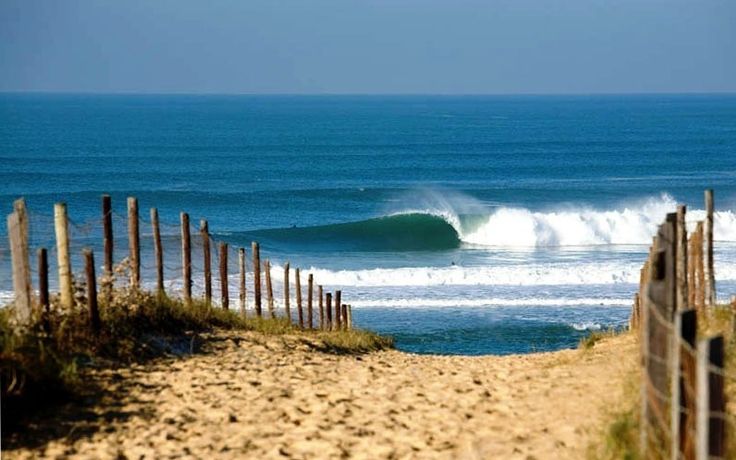
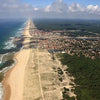
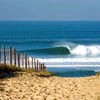
Hossegor's reputation as Europe's premier beach break destination stems from a unique underwater canyon - the Gouf de Capbreton - that funnels North Atlantic swells directly onto shallow sandbars, creating the thick, hollow barrels that made La Gravière famous worldwide. This small French town on the Bay of Biscay hosts annual WSL Championship Tour events, attracts professional surfers from across the globe, and maintains a thriving surf industry with major brands headquartered in the area. The 5-kilometer stretch from La Nord to Capbreton offers breaks for every level: beginners find shelter at La Sud's protected beach, intermediates progress on Les Estagnots' consistent peaks, and experts chase double-overhead barrels at La Gravière and La Nord. Hossegor represents more than waves - it's France's surf culture epicenter, blending Atlantic power with laid-back European beach town vibes.
The key takeaway: Hossegor delivers world-class beach break barrels powered by the Gouf de Capbreton underwater canyon, with La Gravière producing some of Europe's best tubes during autumn swells (September-October). The town offers breaks for all levels within 5 kilometers - from La Sud's beginner waves to La Nord's big wave challenges. September and October combine powerful 4-8 ft (1.2-2.5 m) swells, offshore east winds, warm water (18-20°C / 64-68°F), and the WSL pro events that define Hossegor's reputation. Massive tidal ranges (10+ ft / 3+ m) create brief optimal windows requiring strategic timing.
Why Hossegor is Europe's Most Famous Surf Town
Hossegor earned legendary status through consistent delivery of powerful, hollow beach break barrels that rival any wave on the planet. While other European surf destinations offer quality waves, Hossegor combines frequency, power, and accessibility in a unique package. The town consistently produces rideable surf 300+ days per year, with autumn and spring delivering world-class conditions that attract professional surfers and industry insiders.
The WSL Championship Tour recognized Hossegor's exceptional wave quality by hosting the Quiksilver and Roxy Pro events here for over two decades. These competitions showcased La Gravière's thick lips and fast barrels to global audiences, cementing the town's reputation. Even after the WSL moved events elsewhere, Hossegor maintains its prestige - famous surfers still visit during peak season, and major brands like Quiksilver, Rip Curl, and Billabong maintain European headquarters in the industrial zone.
Beyond wave quality, Hossegor developed comprehensive surf infrastructure. Over 15 surf schools operate along the beaches, dozens of shapers craft boards locally, and surf shops saturate the town center. The Z.A. Pédebert industrial area functions as Europe's surf industry hub, where factory outlets sell premium gear at reduced prices and repair shops service thousands of boards annually. This concentration of surf-focused businesses creates an atmosphere found nowhere else in Europe.
Hossegor also pioneered the European surf lifestyle blend - combining high-performance wave riding with French beach culture. Summer nights buzz with beach bars and restaurants serving fresh seafood and local wine. The town's lake provides calm water activities when ocean conditions turn challenging. Pine forests backing the beaches offer shaded camping and natural beauty. This combination attracts surfers seeking both waves and quality of life, establishing Hossegor as more than just a surf spot - it's a complete surf destination and one of the best surf destinations in the world.

Understanding Hossegor's Unique Geography
The Gouf de Capbreton: The Underwater Canyon That Powers the Waves
The Gouf de Capbreton - a massive underwater canyon cutting through the continental shelf of the Bay of Biscay - provides Hossegor's competitive advantage over neighboring coastlines. This submarine trench plunges to depths exceeding 3,000 meters (9,800 ft) just offshore, channeling North Atlantic swell energy directly toward Hossegor's beaches with minimal energy loss. Most European coastlines experience gradual continental shelf zones that dissipate swell power before waves reach shore, but the Gouf's steep walls focus and amplify wave energy.
The canyon's proximity to shore allows Hossegor to hold significantly larger swells than beaches just 10-20 kilometers north or south. When a 6 ft (2 m) swell hits the Landes coast, Hossegor might receive 8-10 ft (2.5-3 m) waves due to the Gouf's refraction effects. This amplification creates the punchy, powerful beach breaks that made spots like La Gravière and Les Estagnots famous. The canyon essentially functions as a natural wave machine, consistently delivering more size and power than surrounding areas.
How the Bay of Biscay Creates Perfect Conditions
Hossegor's position on the Bay of Biscay's eastern edge exposes the coastline to virtually every North Atlantic swell direction. The town receives northwest winter swells, direct west swells year-round, and wraparound southwest swells during summer - providing consistent wave action across all seasons. The bay's wide opening captures distant storm energy from Iceland, Greenland, and the mid-Atlantic, funneling these swells toward French shores.
The 5-kilometer Hossegor coastline faces almost due west, creating optimal swell reception angles. Unlike more northern French coasts that face northwest and miss some swell angles, Hossegor's orientation maximizes exposure. This west-facing aspect also influences wind patterns - the town benefits from offshore east winds that blow from land toward sea, grooming wave faces into clean, organized peaks. When high-pressure systems settle over France, these easterly winds combine with incoming swells to produce classic conditions.
Why Hossegor Holds Bigger Waves Than Neighboring Breaks
Beyond the Gouf's amplification effects, Hossegor's beach profile and sandbar formations contribute to wave size maintenance. The steep beach drops quickly into deeper water, allowing waves to build height closer to shore rather than breaking far outside. This creates the characteristic "close to the beach" barrels that spectators can watch from the sand - a feature that made La Gravière perfect for WSL competitions.
Hossegor's sandbars form powerful A-frame peaks that hold shape in larger swells. While many beach breaks close out (become unsurfable) above 6 ft (2 m), Hossegor's bars frequently maintain rideable peaks up to 10-12 ft (3-4 m), with La Nord handling even bigger swells. The combination of canyon amplification, optimal beach profile, and quality sandbars allows Hossegor to deliver surfable waves across an exceptional size range - from 2 ft (0.6 m) summer rollers to 15 ft (5 m) winter monsters.
When to Surf in Hossegor: Complete Seasonal Guide
| Season | Wave Size | Water Temp | Wetsuit | Best For | Crowds |
|---|---|---|---|---|---|
| Spring (March-May) | 4-8 ft (1.2-2.5 m), decreasing toward summer | 12-16°C (54-61°F) | 4/3mm to 3/2mm (April onward) | Intermediate to advanced surfers; powerful spring swells with lighter crowds | Low to moderate; increases in May |
| Summer (June-August) | 2-4 ft (0.6-1.2 m), occasional bigger days | 18-22°C (64-72°F) | 3/2mm full suit or 2mm springsuit | Beginners and longboarders; warmest water, smallest waves, best weather | Very high; peak tourist season |
| Autumn (September-November) | 4-10 ft (1.2-3 m), highly consistent | 18-20°C (64-68°F) early, dropping to 14°C (57°F) by November | 3/2mm (Sept-Oct), 4/3mm (November) | All levels; optimal conditions with offshore winds, WSL events, perfect barrels | Moderate to high during WSL events (October), lighter in November |
| Winter (December-February) | 6-15 ft (2-5 m), powerful and heavy | 10-13°C (50-55°F) | 5/4mm with boots, hood, and gloves | Advanced and expert surfers; biggest, most powerful waves of the year | Very low; mostly locals and hardcore travelers |
Best Time Overall: September and October deliver optimal conditions for most surfers. Consistent 4-8 ft (1.2-2.5 m) swells arrive regularly, offshore east winds groom wave faces into clean barrels, water temperature remains comfortable at 18-20°C (64-68°F), and summer crowds dissipate. The WSL Championship Tour events typically run late September to early October, showcasing La Gravière at its finest and creating electric energy throughout town. These months balance power, weather, water warmth, and wave quality better than any other period.
Budget Tip: May and early June offer excellent value for intermediate surfers willing to wear thicker wetsuits. Waves remain powerful from lingering spring swells (4-6 ft / 1.2-2 m average), crowds stay minimal before summer holidays begin, and accommodation prices drop 30-50% compared to peak season. Water temperature climbs from 14°C (57°F) to 18°C (64°F) through these months, making sessions comfortable in quality 3/2mm suits. This shoulder season provides authentic Hossegor experience without tourist congestion or premium pricing.
Best Surf Spots in Hossegor and Surrounding Areas
Hossegor Central Breaks
La Gravière: The European Pipeline
La Gravière stands as Hossegor's most famous wave and one of Europe's premier barrel spots. Located directly in front of the town center's bars and restaurants, this peak produces thick, hollow barrels that break dangerously close to shore.
Key Features:
- A-frame peak producing both powerful lefts and rights (rights typically longer)
- Breaks over sand but delivers reef-like power and speed
- Optimal on outgoing to mid tide; closes out at high tide
- Wave range: 3-10 ft (1-3 m), holds shape up to 12 ft (4 m) on rare swells
- Fast, sucky barrels with heavy lips that slam on shallow sandbar
- Former WSL Championship Tour competition site (Quiksilver Pro)
- Extremely intense crowds during quality swells and contest periods
- Brutal shorebreak - expect poundings if caught inside
Skill Level: Expert only when firing above 5 ft (1.5 m). The wave's proximity to shore, powerful lip, and shallow sandbar create dangerous conditions for intermediate surfers. Protective locals enforce lineup hierarchy.
La Nord: Big Wave Challenge
La Nord activates only during significant swells, transforming into Hossegor's premier big wave spot when conditions exceed 8 ft (2.5 m) elsewhere along the coast.
Key Features:
- Holds waves up to 15-20 ft (5-6 m) when most other spots close out
- Breaks far outside over shifting sandbars with powerful channels
- Located in front of Hossegor Surf Club, recognizable by colorful beach buildings
- Requires 8+ ft (2.5+ m) boards (guns) and serious paddle fitness
- Incredibly strong currents sweep north along the beach
- Annual Rip Curl La Nord Challenge big wave competition site
- Very limited crowd - only experienced big wave surfers paddle out
- Dangerous rips and long hold-downs under breaking waves
Skill Level: Expert big wave surfers only. Paddle fitness, big wave experience, and comfort in double-overhead conditions are minimum requirements. Not suitable for progression - this is a proving ground.
Les Culs Nus: Consistent A-Frames
Les Culs Nus (translating to "bare bottoms" for the nudist beach location) ranks as Hossegor's most consistent wave, producing quality peaks across the widest range of conditions.
Key Features:
- Multiple peaks spreading crowds along extended sandbar
- Offers both barrel sections and open face carving opportunities
- Works across all tide phases with varying character
- Wave range: 2-8 ft (0.6-2.5 m), consistently rideable
- Less intense than La Gravière but still powerful and hollow
- Easier paddle out than neighboring breaks
- Moderate crowds except during rare perfect conditions
- Located on naturist beach section (nude sunbathers present)
Skill Level: Intermediate to advanced. Small days (2-4 ft / 0.6-1.2 m) suit progressing intermediates. Above 5 ft (1.5 m) requires solid experience with powerful beach breaks.
La Sud: Beginner Haven
La Sud sits protected by Capbreton harbor's jetty, creating Hossegor's only consistently beginner-friendly wave. Locals nickname it "kiddies" for the young surfers and learners who dominate the lineup.
Key Features:
- Harbor protection reduces wave size by 50% compared to northern breaks
- When Hossegor runs 8 ft (2.5 m), La Sud might offer 4 ft (1.2 m) waves
- Soft, rolling peaks perfect for foam boards and longboards
- Wave range: 1-4 ft (0.3-1.2 m) typical, rarely exceeds 5 ft (1.5 m)
- Multiple surf schools operate here year-round
- Works best mid to high tide when sandbars activate
- Very crowded in summer with surf schools and beginners
- Still requires caution - currents can surprise inexperienced surfers
Skill Level: Beginner to intermediate. Ideal first wave location and progression spot before tackling Hossegor's heavier breaks.

Seignosse Breaks (North of Hossegor)
Les Estagnots: Fast Hollow Lefts
Les Estagnots produces Seignosse's most popular wave, drawing large crowds to its consistent, powerful peaks. The break sits conveniently close to large parking areas and amenities.
Key Features:
- Known for particularly fast, hollow left-handers (rights also present)
- Handles swells from 3-10 ft (1-3 m) with quality shape
- Works best low to mid tide with west swell and east wind
- Multiple peaks spread along beach reducing competition
- Can produce rideable waves when other spots close out in bigger swells
- Located near microbrewery (Head Brewery) for après-surf
- Heavy crowds during quality conditions
- Challenging paddle out on bigger days with strong currents
Skill Level: Intermediate to advanced. Small summer days (2-3 ft / 0.6-1 m) suit intermediates, but autumn/winter power requires experience.
Les Bourdaines: Round Barrels
Les Bourdaines offers slightly less intense conditions than Les Estagnots while maintaining quality barrel sections and open faces for turns.
Key Features:
- Rounder, fuller barrels compared to Les Estagnots' square tubes
- Both lefts and rights with relatively equal quality
- Wave range: 2-8 ft (0.6-2.5 m) optimal range
- Works across most tide phases
- Lighter crowds than neighboring Les Estagnots
- Good option when Hossegor central breaks get too crowded
- Consistent through summer for fun sessions
Skill Level: Intermediate to advanced. More forgiving than La Gravière, making it excellent for progression toward expert-level beach breaks.
Le Penon: Longest Rides
Le Penon sits at Seignosse's northern extent, offering longer rides and more isolated atmosphere than central breaks.
Key Features:
- Extended wave walls allowing multiple turn sections
- Works particularly well on high tides when other spots struggle
- Strong northerly current rips along shore - expect drift
- Wave range: 3-8 ft (1-2.5 m) holds shape well
- Less developed surroundings create wilder atmosphere
- Moderate crowds except weekends and holidays
- Requires attention to current management
Skill Level: Intermediate to advanced. Current strength and wave power require solid experience.
Les Casernes: Uncrowded Alternative
Les Casernes marks the transition from developed beach to natural forest-backed coastline, offering quality waves with notably fewer surfers.
Key Features:
- Classic beach break characteristics with multiple peaks
- Backs onto pine forest with minimal development
- Wave range: 2-6 ft (0.6-2 m) typical, handles bigger swells
- Consistently light crowds even during peak season
- Limited parking requires short walk through forest
- More remote feel despite proximity to main breaks
Skill Level: Intermediate to advanced. Similar power to other Seignosse breaks but with reward of fewer surfers.
Capbreton Breaks (South of Hossegor)
La Piste: Speedy Barrels
La Piste (also called "Bunkers" for WWII structures on the beach) delivers some of Capbreton's fastest, hollows waves, favoring regular-footers with longer rights.
Key Features:
- Rights significantly outperform lefts in length and barrel potential
- Extremely fast wave requiring quick reactions
- Wave range: 3-8 ft (1-2.5 m), best mid-range size
- Works best high tide with west swell and east wind
- WWII bunkers on beach create dramatic photo backdrop
- Heavy crowds and noticeable localism on quality days
- Dangerous shorebreak on incoming tide
- Professional surfers frequent this spot during good swells
Skill Level: Advanced to expert. Wave speed and local presence make this challenging for intermediates.
Le Santocha: Fat Rights
Le Santocha sits just north of La Piste, offering more forgiving waves that appeal to a broader skill range.
Key Features:
- Groyne structure creates predictable right-hand point-like wave
- Fatter, more manageable wave face than La Piste
- Wave range: 2-6 ft (0.6-2 m) optimal
- Inside section tends to wall up and close out
- Popular with Capbreton locals
- Moderate crowds, respectful lineup
- Paddle around groyne during bigger swells for easier entry
Skill Level: Intermediate to advanced. More accessible than La Piste while maintaining quality.
Le Prevent: Sheltered Option
Le Prevent benefits from protection by groynes on both sides, creating a manageable wave when surrounding breaks turn unruly in big swells.
Key Features:
- Groyne protection reduces wave size during large swells
- One of few spots remaining surfable above 10 ft (3 m) elsewhere
- Wave range: 2-6 ft (0.6-2 m) when other spots run 8+ ft (2.5+ m)
- Located near Capbreton's seaside promenade and restaurants
- Very crowded during big swell days (only manageable option)
- Experienced surfers often paddle around groyne for easier access
- Summer sees heavy surf school and tourist presence
Skill Level: Intermediate to advanced. While wave size stays manageable, crowds and current require experience.
Hossegor Surf Spot Comparison by Skill Level
| Spot | Skill Level | Best Size | Crowd Factor | Key Characteristic |
|---|---|---|---|---|
| La Sud | Beginner-Intermediate | 1-4 ft (0.3-1.2 m) | Very High | Protected, soft waves |
| Les Bourdaines | Intermediate-Advanced | 2-6 ft (0.6-2 m) | Moderate | Round barrels, forgiving |
| Le Prevent | Intermediate-Advanced | 2-6 ft (0.6-2 m) | High (big swells) | Sheltered from size |
| Les Casernes | Intermediate-Advanced | 2-6 ft (0.6-2 m) | Low | Uncrowded alternative |
| Les Culs Nus | Intermediate-Advanced | 3-8 ft (1-2.5 m) | Moderate-High | Most consistent |
| Le Penon | Intermediate-Advanced | 3-8 ft (1-2.5 m) | Moderate | Long rides, strong current |
| Le Santocha | Intermediate-Advanced | 2-6 ft (0.6-2 m) | Moderate | Groyne-assisted rights |
| Les Estagnots | Advanced | 3-10 ft (1-3 m) | High | Fast hollow lefts |
| La Piste | Advanced-Expert | 3-8 ft (1-2.5 m) | High | Speedy rights, localism |
| La Gravière | Expert Only | 4-10 ft (1.2-3 m) | Very High | World-class barrels |
| La Nord | Expert Only | 10-20 ft (3-6 m) | Low (specialists) | Big wave spot |
Best Spots for Beginners in Hossegor
Hossegor's reputation for powerful barrels intimidates many first-time surfers, but the area offers excellent beginner infrastructure and appropriate waves during most of the year. Understanding where and when to surf makes the difference between frustration and rapid progression.
Top Beginner Beaches:
- La Sud (Primary Choice): Harbor protection creates consistently manageable waves 1-4 ft (0.3-1.2 m). Multiple surf schools operate here with qualified instructors who know the sandbars and currents. Summer months (June-August) offer warmest water and smallest waves perfect for first sessions.
- Les Bourdaines (Progression): Once comfortable at La Sud, Les Bourdaines provides the next step with slightly more power but forgiving wave faces. Small summer days (2-3 ft / 0.6-1 m) allow practicing turns and positioning before tackling heavier breaks.
- Le Prevent (Big Swell Alternative): When swells exceed 6 ft (2 m) elsewhere, Le Prevent's groyne protection maintains rideable 3-4 ft (1-1.2 m) conditions. Intermediate beginners (those standing consistently) can progress here during autumn's bigger swells.
First-Timer Expectations: Most beginners stand up during their first or second lesson at La Sud's forgiving peaks. Foam boards and instructor guidance help overcome the initial challenge of timing and positioning. Summer sessions require minimal wetsuit (3/2mm or springsuit), making the experience comfortable. Expect to share waves with other learners and surf schools - patience and awareness prevent collisions.
Avoid attempting Hossegor's main breaks (La Gravière, Les Culs Nus, La Nord) until you can consistently catch and ride unbroken waves, perform basic turns, and understand rip current management. These spots punish errors with powerful wipeouts and strong currents that overwhelm inexperienced surfers.
Best Spots for Intermediate Surfers
Intermediate surfers - those comfortable catching green waves, performing basic turns, and managing small barrels - find Hossegor's widest range of options. This skill level allows access to most breaks during appropriate conditions while avoiding the heaviest waves.
Progression Strategy:
- Summer Practice (June-August): Use smaller 2-4 ft (0.6-1.2 m) conditions at Les Culs Nus, Les Estagnots, and Les Bourdaines to refine technique. Focus on wave positioning, generating speed, and attempting tube riding on hollow sections. These spots offer quality shape without overwhelming power.
- Spring/Autumn Development (March-May, September-October): As waves increase to 4-6 ft (1.2-2 m), challenge yourself at Les Culs Nus on mid-size days. The multiple peaks spread crowds while maintaining Hossegor's characteristic power. Learn to read shifting sandbars and adapt to tidal changes.
- Advanced Intermediate Goals: Work toward surfing Les Estagnots' hollow lefts and attempting Le Santocha's faster sections. These waves prepare you for eventual La Gravière attempts while providing room for error.
Recommended Spots by Condition:
- 2-4 ft (0.6-1.2 m): Les Culs Nus, Les Bourdaines, Le Santocha, Les Casernes
- 4-6 ft (1.2-2 m): Les Culs Nus (experienced intermediates), Les Bourdaines, Le Prevent
- 6+ ft (2+ m): Le Prevent only (approach cautiously), or consider Mimizan's gentler breaks 20 minutes north
Intermediates should respect local hierarchy at popular breaks like Les Estagnots and La Piste. Wait your turn, don't drop in on others, and acknowledge good waves with positive energy. Hossegor locals tolerate visitors who demonstrate respect and appropriate skill level.

Expert and Big Wave Spots in Hossegor
Expert surfers travel to Hossegor specifically for the heavy, hollow beach breaks that made the town famous. These waves demand complete commitment, precise positioning, and consequences for mistakes.
La Gravière Requirements: This wave punishes hesitation. Late takeoffs result in over-the-falls wipeouts onto shallow sandbars. The crowd includes sponsored surfers, local chargers, and visiting pros during autumn swells. You must demonstrate competence immediately or face aggressive vibing from protective locals. Best approach: surf Les Culs Nus first to gauge your readiness, then paddle to La Gravière during less crowded sessions (early morning, mid-week).
La Nord Preparation: Big wave experience at other locations is essential before attempting La Nord. When this break fires at 12-15 ft (4-5 m), only a handful of surfers paddle out. Equipment requirements include 8-9 ft (2.5-3 m) guns, excellent paddle fitness for long duck dives, and comfort with long hold-downs. The Rip Curl La Nord Challenge showcases France's best big wave surfers tackling this beast - watching this event provides realistic expectations.
Les Estagnots Heavy Days: When swells exceed 8 ft (2.5 m), Les Estagnots produces thick, fast barrels rivaling La Gravière. The break handles size better than most spots, maintaining shape while delivering consequences. This represents an intermediate step between standard beach break surfing and La Gravière's intensity.
Expert Circuit: Experienced surfers check multiple spots during each session, adapting to shifting sandbars and tides. A typical autumn morning might involve surfing Les Culs Nus at low tide, moving to La Gravière as tide fills in, then finishing at Les Estagnots if conditions improve there. This flexibility maximizes wave quality across Hossegor's 5-kilometer stretch.
Tide, Wind, and Swell Conditions in Hossegor
Understanding Hossegor's Massive Tides (10+ ft range)
Hossegor experiences some of Europe's most extreme tidal ranges, with differences between high and low tide regularly exceeding 10 ft (3 m) during spring tides (new and full moon periods). These dramatic swings fundamentally change surf conditions within a single session.
Most Hossegor breaks favor mid-tide - the 2-3 hour windows during incoming or outgoing tide when sandbars activate properly. Low tide exposes shallow bars that create hollow, fast waves but dangerous closeouts. High tide often produces closeout walls or eliminates waves entirely as water depth increases. The key skill involves timing sessions to coincide with optimal tide windows at your chosen break.
Tide timing varies by spot. La Gravière works best on outgoing tide, going flat at high. Les Estagnots prefers low to mid-tide. Le Penon handles high tide better than most breaks. Checking multiple spots during a single tide cycle often reveals one location firing while others struggle. This variability explains why experienced Hossegor surfers constantly drive between breaks rather than committing to a single location.
Spring tides (largest range) during new and full moons create the most dramatic changes. A spot might be completely flat, then 30 minutes later - after the tide drops 1-2 ft (0.3-0.6 m) - perfectly peeling waves appear. Conversely, an excellent session can deteriorate rapidly as tide fills in and waves close out. Mobile flexibility is essential.
Best Wind Conditions (Offshore East Winds)
East winds blowing from land toward sea groom Hossegor's waves into their cleanest, most organized form. These offshore winds hold wave faces up, creating steeper drops and hollower barrels. Morning often delivers lightest winds before afternoon sea breezes develop, making dawn patrol sessions particularly valuable.
Southwest and south winds - common during certain weather patterns - remain manageable if not too strong. Moderate southerly winds (10-15 mph) create slightly bumpy conditions but waves remain rideable. Strong westerly onshores (15+ mph), however, destroy wave quality, creating choppy, disorganized surf. These onshore periods can last days or weeks, frustrating visitors. Checking wind forecasts before booking trips increases success probability.
Wind patterns follow seasonal trends. Autumn delivers most consistent offshore conditions as high-pressure systems settle over France. Spring sees more variable winds. Summer often brings afternoon sea breezes that bump up conditions but mornings stay clean. Winter's powerful low-pressure systems create strong winds from multiple directions, requiring patience to score clean sessions.
Optimal Swell Directions and Periods
West and northwest swells provide Hossegor's bread-and-butter conditions. The coastline's orientation captures these angles perfectly, with the Gouf de Capbreton amplifying energy. Swell periods between 10-14 seconds work best - long enough for organized sets but not so long that waves close out.
Southwest swells also hit Hossegor but require careful monitoring. Direct south swells often produce inconsistent, windswept conditions. North swells work well during winter, bringing powerful energy that La Nord and Les Estagnots handle better than other breaks. The town's multi-directional swell reception means rare flat periods - usually only 2-3 days per month even during summer.
Groundswell (long-period swell from distant storms) produces the best quality. Wind swell (short-period swell from local weather) creates acceptable but inferior conditions. Autumn delivers most consistent groundswells as North Atlantic storm tracks activate. Winter brings biggest swells but also windiest, most challenging conditions.
How Sandbars Shift and Affect Breaks
Hossegor's 100% sand bottom means sandbars constantly shift based on swell direction, size, and tidal action. A break producing perfect barrels one week might wall up and close out the next after sandbar movement. This dynamic nature requires local knowledge and observation.
Powerful winter swells and spring tides reshape sandbars most dramatically. After big storms, the entire coastline's sand configuration changes. Previously excellent spots might deteriorate while overlooked beaches suddenly fire. This explains why La Sud's quality varies year-to-year - some seasons the bars align perfectly, other years they form poorly.
Experienced Hossegor surfers develop habits of checking multiple breaks daily, understanding that conditions change rapidly. What worked yesterday might fail today. This unpredictability frustrates visitors seeking guaranteed quality but rewards those who invest time exploring the entire stretch. The advantage: when one spot closes out, another often compensates.
Surf Schools and Lessons in Hossegor
Top-Rated Surf Schools
Over 15 licensed surf schools operate in Hossegor, primarily concentrated at La Sud where protected conditions suit learning. Most schools employ French Surfing Federation certified instructors who speak English, German, and other European languages.
Hossegor Surf Club
- 25+ years teaching experience, highly rated (4.8/5 on reviews)
- Located at Plage Centrale in front of colorful beach buildings
- Private lessons, group courses, and week-long surf camps
- Video analysis included in multi-day programs
- All equipment provided (foam boards, wetsuits appropriate to season)
Watermansport Surfschool
- Consistently rated among Hossegor's best (4.9/5 on Google)
- Specializes in progression-focused teaching methodology
- Standalone 2-hour lessons around €40-50 per person
- 10-day intensive courses for serious improvers
- Small group sizes (maximum 8 students per instructor)
Surftrip Surf School
- Operates primarily at Plage Sud (La Sud)
- Excellent for total beginners and families
- 5-day beginner packages with guaranteed standing results
- Flexible scheduling accommodates tide changes
- Family-friendly approach with patient instructors
Prices and Booking Tips
Standard pricing ranges €40-60 for 2-hour group lessons, €80-120 for private instruction. Week-long packages (5 days) typically cost €180-250, offering significant per-lesson savings. Equipment rental without instruction runs €15-25 daily for board and wetsuit combinations.
Book lessons minimum 2-3 days advance during summer (June-August) when schools fill capacity. September-October remains busy due to WSL events but offers more availability. Spring and late autumn provide easiest booking with often-discounted rates. Most schools accept online reservations through websites, though calling directly in French sometimes yields better deals or last-minute availability.
Choose schools based on student-to-instructor ratios (lower is better), qualification credentials (French Surfing Federation certification essential), and review ratings. Avoid beach vendors offering suspiciously cheap lessons - unqualified instruction creates safety risks and poor progression.
Essential Trip Planning for Hossegor
What Wetsuit Do You Need?
Summer (June-August): 3/2mm full suit handles most conditions, though warm days allow 2mm springsuits or shorties. Water peaks at 20-22°C (68-72°F) in late July and August. Some surfers brave rash vests only during warmest periods, but neoprene protects against both temperature and wipeout impacts.
Spring/Autumn (March-May, September-November): 3/2mm suits work through September, but October onward requires 4/3mm thickness as water cools to 14-18°C (57-64°F). Quality sealed seams and good fit matter more than brand - cheap wetsuits leak and cause frustration. November demands full 4/3mm with optional boots.
Winter (December-February): 5/4mm with hood, boots, and gloves essential for 10-13°C (50-55°F) water. Invest in quality winter suits - Hossegor's powerful waves and long sessions tax inferior neoprene. Many surfers also use hooded vests for extra chest/head warmth.
Rental wetsuits available at all surf shops and schools, typically €10-15 daily. However, fit issues and hygiene concerns make personal suits preferable for extended trips. Consider shipping wetsuits ahead or purchasing locally if flying limits luggage space.
Surfboard Rentals and Shops
Hossegor's surf retail density exceeds anywhere else in France. The Z.A. Pédebert industrial zone hosts major brand factory outlets (Quiksilver, Rip Curl, Billabong, O'Neill) selling boards, wetsuits, and accessories at discounted prices. Multiple independent shapers operate workshops crafting custom boards.
Board rental rates: €15-25 daily depending on board type (foam vs. fiberglass vs. performance shortboard). Weekly rates offer better value at €80-120. Most shops require deposits (€200-300) or credit card authorization. Consider your skill level and expected conditions when choosing boards - refer to a surfboard size chart for guidance, and check the surfboard volume calculator to find your ideal board volume based on weight and ability.
Popular rental shops include Surf Shop Hossegor (central location), Head Brewery surf shop (near Les Estagnots), and countless beachfront vendors. Compare prices and inspect board condition before committing - ding repairs should be watertight, fins secure, and leash functional.
Bringing personal boards requires careful planning. Airlines charge €50-150+ each way for surfboard bags. Rental cars need roof racks (available at airport rental agencies for €10-15 daily). Campervans and larger vehicles accommodate boards internally. Many traveling surfers ship boards ahead via specialized surf transport services to avoid airline hassles.
Surf Etiquette and Dealing with Crowds
Hossegor's crowds demand strict etiquette adherence. The fundamental rules apply universally but enforcement here is serious - violations result in aggressive confrontations, especially at territorial breaks like La Gravière and La Piste.
Essential Rules:
- Right of way: Surfer closest to peak (where wave breaks first) has priority. Never drop in on someone already riding.
- Don't snake: Paddling around someone to get inside position violates lineup ethics. Wait your turn.
- Respect locals: Hossegor residents surf these breaks year-round. Acknowledge their home break status through patience and friendly attitude.
- Communicate: Call out when going left or right on A-frame peaks. Apologize immediately if you accidentally drop in.
- Know your limits: Paddling out beyond your ability endangers yourself and others. Choose appropriate breaks for your skill level.
Crowd management strategies include surfing early mornings (6-8am) before masses arrive, targeting weekdays over weekends, and exploring lesser-known breaks like Les Casernes. Mid-afternoon often sees crowds thin as surfers take meal breaks. Autumn weekdays outside WSL event periods offer best crowd-to-wave ratios.
When crowds intensify, maintain positive energy. Cheer good rides, share waves when possible, and avoid territorial behavior as a visitor. Famous surfers frequent Hossegor's breaks - showing respect earns respect regardless of who's in the water.
Safety Tips (Rips, Shorebreak, Currents)
Hossegor's powerful conditions create serious hazards that claim lives annually. Understanding and respecting these dangers is non-negotiable.
Rip Currents: Strong rips form channels between sandbars, pulling swimmers and surfers offshore. Identify rips by darker water patches, foam lines moving seaward, or gaps in breaking waves. If caught in a rip, don't fight it - paddle parallel to shore until escaping the current, then angle back to beach. Many experienced surfers intentionally use rips for easier paddle-outs.
Shorebreak: Hossegor's hollow waves often reform close to shore, creating brutal shorebreak that slams bodies into shallow sand. This causes most injuries - spinal compressions, broken bones, and concussions. Never dive head-first into shorebreak. If caught inside, protect your head and neck, allowing waves to push you toward beach rather than fighting.
Longshore Currents: Particularly strong at Le Penon and along Seignosse beaches, these currents sweep parallel to shore. Surfers can drift hundreds of meters during sessions, requiring long beach walks back to starting points. Monitor your position relative to landmarks and exit water before drifting too far.
Equipment Hazards: Boards become projectiles in heavy wipeouts. Always dive away from your board rather than toward it. Check leash condition before each session - broken leashes mean lost boards and dangerous swims in powerful currents. Carry a spare leash and know basic repair techniques.
Respect red flags and beach closures. French lifeguards post flags indicating conditions: green (safe), yellow (caution), red (dangerous/closed). Surfing during red flags risks fines and, more importantly, your safety during genuinely hazardous conditions.
Where to Stay in Hossegor (Brief Overview)
Camping Options
Camping dominates Hossegor accommodation, offering budget-friendly access to beaches and surf. Numerous campgrounds surround the town, ranging from basic facilities to luxury "glamping" with pools, restaurants, and organized activities. Popular options include Le Vieux Port (lakeside location), La Civelle (forest setting), and Les Vignes (close to central breaks). Expect €20-40 nightly for basic tent sites, €40-80 for campervans, and €60-150+ for pre-erected accommodations. Book months ahead for July-August; shoulder seasons offer walk-in availability.
Budget Accommodation
Hossegor's limited hostel scene includes a few surf-focused options near central breaks. Dorm beds run €25-40 nightly during summer, dropping to €15-25 in off-season. Private rooms in surf hostels cost €60-100 nightly. Many surfers opt for Airbnb apartments (€60-120 nightly) or vacation rentals (€400-800 weekly), especially when traveling in groups where per-person costs drop significantly.
Surf Hostels and Guesthouses
Dedicated surf accommodations combine lodging with built-in surf community and often include guided sessions or equipment rental packages. These suit solo travelers and those seeking immediate social connection. Prices range €400-800 weekly for shared rooms with breakfast included. Research carefully - some "surf hostels" offer minimal actual surf services beyond proximity to beaches.
Accommodation prices peak July-August, with advance booking (3-6 months) essential for quality options. September-October (WSL event period) also sees elevated demand. Best value periods: May-June and November-March when prices drop 30-50% and availability opens. Winter visitors find Hossegor notably quiet - many establishments close October-May, requiring research to locate operating accommodations.
Beyond Surfing: What Else to Do in Hossegor
Best Restaurants and Cafés
Hossegor's culinary scene balances surf town casualness with French gastronomic standards. Fresh seafood from Capbreton's fishing port dominates menus, complemented by Landes region specialties and excellent local wines.
Must-Visit Spots:
- Spot Palace: Beachfront location with outside terrace overlooking waves. Known for creative takes on burgers (try the Smash Burger) and fusion dishes like Miso Carbonara Noodles. Perfect après-surf atmosphere.
- Le Mango Tree: Instagram-worthy healthy bowls, avocado toasts, and fresh juices. Offers picnic blankets for lakeside dining with beach views. Excellent for post-surf breakfast or lunch.
- L'Autre Endroit: Local bakery favorite for fresh croissants and quality coffee. Opens early for pre-surf fuel and post-session treats.
- Baraketa: Lakeside wine bar perfect for afternoon drinks and small plates. No dinner service but excellent for lunch or sunset aperitifs with Hossegor views.
Capbreton's harbor area offers additional seafood restaurants where daily catches transform into traditional French preparations. Budget €20-30 per person for casual meals, €40-60+ for nicer dining. Many restaurants close during winter months - verify operating hours before visiting off-season.
Nightlife and Après-Surf Scene
Summer transforms Hossegor into one of France's liveliest beach party destinations. Rockfood bar at Front de Mer draws massive crowds for beachfront drinks and DJ sets. The town center fills with bars, clubs, and live music venues operating late into night during July-August. Expect international crowd mixing European languages and surf culture.
WSL event period (late September-early October) brings industry parties and sponsored events, creating unique atmosphere as professional surfers and brands host gatherings. These parties often operate on open invitation, allowing visitors to mingle with surf industry figures.
Winter sees dramatic nightlife reduction - most venues close or operate limited schedules. The town returns to local residents and hardcore surfers seeking waves over parties. This seasonal transformation means summer and winter Hossegor feel like entirely different destinations.
Lake Activities and Skating
Hossegor's freshwater lake (Lac d'Hossegor) provides calm alternative when ocean conditions turn challenging. Stand-up paddleboarding, kayaking, and swimming offer recovery activities between surf sessions. The lake's protected waters suit families and those seeking mellower recreation.
Skateboarding culture thrives in Hossegor with multiple skateparks drawing locals and visitors. The main skatepark near town center hosts sessions filled with friendly groms and experienced skaters. This crossover between surf and skate culture creates welcoming atmosphere for anyone rolling up.
Nearby Towns to Explore (Biarritz, Capbreton, Seignosse)
Biarritz sits 30 minutes south, offering historic European surf town atmosphere, elegant architecture, and additional surf spots. The town's Grande Plage and Côte des Basques provide different wave characteristics from Hossegor, plus museums, shopping, and cultural attractions.
Capbreton (5 minutes south) functions as Hossegor's grittier neighbor - working fishing port with authentic character. The harbor area delivers excellent seafood restaurants and less tourist-focused atmosphere. Additional surf breaks like La Piste and Le Prevent spread crowds.
Seignosse (5-10 minutes north) extends Hossegor's beach break stretch with Les Estagnots, Les Bourdaines, and other quality spots. The town maintains lower-key vibe with forest-backed beaches and fewer amenities than Hossegor central.
Getting to Hossegor
Nearest Airports (Biarritz, Bordeaux)
Biarritz Airport (25 minutes south) provides closest access with flights from major European cities, particularly during summer months. Budget airlines including Ryanair serve Biarritz from UK, Germany, Spain, and other European hubs. Limited winter schedule reduces flight availability November-March. Airport rental cars available but book ahead during peak season.
Bordeaux Airport (2 hours northeast) offers more extensive international connections year-round including intercontinental flights. Larger rental car selection and better winter availability make Bordeaux reliable option despite longer drive. The A63 motorway connects Bordeaux to Hossegor with straightforward routing.
San Sebastian Airport in Spain (45 minutes south) provides third option with flights from various European cities. Crossing international border requires passport but presents no significant complications for EU/Schengen zone travelers.
Driving from Major Cities
Paris to Hossegor: 750 km (465 miles), 7-8 hours via A10 and A63 motorways. Toll costs approximately €60-70. Many surfers break the journey with overnight stop in Bordeaux or Tours region.
Bordeaux to Hossegor: 180 km (110 miles), 2 hours via A63. Most direct route for northern European travelers arriving via ferry ports in Normandy and Brittany.
Barcelona to Hossegor: 450 km (280 miles), 4.5-5 hours via AP-7 and A63. Popular route for Mediterranean-based surfers chasing Atlantic swells.
Driving offers maximum flexibility for surfboard transport and break exploration. Roof racks accommodate multiple boards. Road trip adventures through French countryside provide cultural immersion beyond surf-only focus. However, summer traffic (July-August) can double journey times near Hossegor as tourists converge on Landes beaches.
Public Transport Options
High-speed TGV trains connect Paris to Saint-Vincent-de-Tyrosse (10 minutes from Hossegor) in approximately 5 hours. Book advance tickets for best prices (€50-100), though last-minute tickets can exceed €150. From Saint-Vincent, taxis or regional buses complete the journey.
Local bus services around Hossegor exist but operate limited schedules unsuitable for dawn patrol surf sessions. Most visitors find public transport within the area frustrating compared to having personal vehicle. Bicycle rentals provide alternative for getting between beaches if staying centrally located.
The environmental option involves combining train travel with bicycle or electric scooter rentals, though this limits break exploration and requires staying in accommodations near beaches. Most serious surfers prioritize vehicle access over environmental considerations given the sport's geographical mobility demands.
Frequently Asked Questions About Surfing in Hossegor
Is Hossegor good for beginner surfers?
Yes, with proper spot selection. La Sud provides protected, beginner-friendly waves year-round with multiple surf schools offering qualified instruction. Summer months (June-August) deliver smallest waves (2-4 ft / 0.6-1.2 m) and warmest water (18-22°C / 64-72°F). However, Hossegor's main breaks (La Gravière, Les Culs Nus, La Nord) are dangerous for beginners - stick to La Sud until you can consistently catch and ride green waves.
When is the best time to surf Hossegor?
September and October offer optimal conditions - consistent 4-8 ft (1.2-2.5 m) swells, offshore east winds, warm water (18-20°C / 64-68°F), and fewer crowds than summer. WSL events run late September-early October creating electric atmosphere. For beginners: June-August. For intermediate-advanced: September-October or May-June. For experts: November-March delivers biggest, most powerful waves.
How crowded is Hossegor?
Summer (June-August) brings very high crowds, especially at famous spots like La Gravière and La Piste. September-October sees moderate to high crowds during WSL events. Winter features minimal crowds - mostly locals and hardcore travelers. Strategy: surf early morning (6-8am), target weekdays, and explore lesser-known breaks like Les Casernes for crowd relief.
What makes Hossegor's waves so good?
The Gouf de Capbreton - a massive underwater canyon - funnels North Atlantic swell energy directly onto Hossegor's shallow sandbars, amplifying wave size and power. This creates thick, hollow barrels rarely found at other beach breaks. The canyon allows Hossegor to hold bigger swells (up to 15 ft / 5 m) than neighboring coastlines while maintaining rideable shape.
Do I need a car in Hossegor?
Highly recommended. Multiple breaks spread across 5+ kilometers require vehicle access to maximize wave quality. Tide and wind variations mean one spot fires while others struggle - mobility is essential. Public transport is limited and incompatible with surf schedules. Bicycles work for central locations but limit exploration. Most visitors rent cars from Biarritz or Bordeaux airports.
Is Hossegor better than Biarritz for surfing?
Yes, for pure wave quality and consistency. Hossegor's beach breaks deliver more power, hollower barrels, and better shape than Biarritz's spots. The Gouf de Capbreton gives Hossegor unique advantage. However, Biarritz offers historic charm, cultural attractions, and beginner-friendly waves at Côte des Basques. Many surfers visit both - Hossegor for serious surfing, Biarritz for atmosphere and sightseeing.