Surfing in France: Guide to Europe's Premier Wave Destination
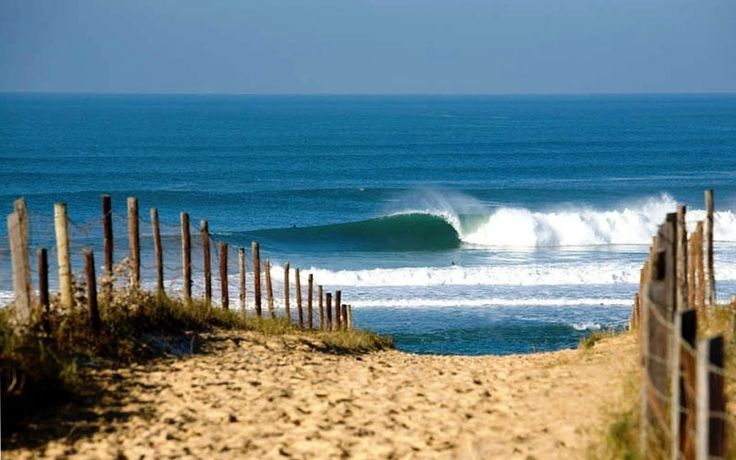
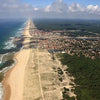
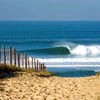
France's 3,500 kilometers of coastline deliver some of Europe's most consistent and powerful surf, anchored by the legendary beach breaks of Hossegor, the big wave reefs of the Basque Country, and the wild Atlantic swells hammering Brittany's rocky points. The Bay of Biscay's underwater canyons funnel North Atlantic energy directly onto hundreds of sandy beaches from Lacanau to Biarritz, creating world-class barrels that host WSL Championship Tour events each autumn. With year-round waves, a thriving surf culture dating back to the 1950s, and everything from beginner-friendly beach breaks to expert-only slabs, France stands as one of the best surf destinations in the world for riders of every level.
The key takeaway: France offers unmatched surf diversity across three distinct coastlines-the Atlantic's powerful beach breaks (best September-November), Brittany's reef points (winter swells), and the Mediterranean's surprise sessions (autumn-winter). The Silver Coast from Hossegor to Lacanau delivers Europe's most consistent waves, while the Basque Country provides big wave challenges and beginner havens within minutes of each other. Autumn combines clean offshore winds, warm water (18-20°C / 64-68°F), and fewer crowds than summer's holiday rush.
Why France is One of Europe's Best Surf Destinations
France earned its reputation as Europe's surf capital through a combination of geography, consistency, and infrastructure that few destinations can match. The Atlantic coastline faces directly into North Atlantic storm tracks, ensuring year-round swell with autumn and winter bringing the most powerful waves. Unlike many European surf zones that rely on occasional swells, France's underwater topography-particularly the deep Gouf de Capbreton canyon off Hossegor-amplifies ocean energy and delivers waves even during smaller swells.
The country's surf culture runs deep, with Biarritz hosting Europe's first surfers in 1957 when Californian screenwriter Peter Viertel brought the sport to French shores. Today, that legacy translates into world-class surf schools, camps, and retail infrastructure throughout coastal regions. Major surf brands like Quiksilver and Rip Curl maintain European headquarters in southwest France, and the annual WSL events continue to draw global attention to breaks like La Gravière.
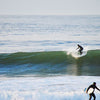
What truly sets France apart is diversity. Beginners find gentle 2-3 ft (0.6-1 m) rollers on protected beaches like Hendaye and Moliets during summer months. Intermediates progress on consistent beach breaks from Lacanau to Seignosse. Experts chase hollow barrels at Hossegor or paddle into 15+ ft (5+ m) reef breaks like Parlementia and Belharra. This range exists within relatively short driving distances-you can sample multiple surf zones in a single trip without marathon road sessions.

Understanding France's Surf Regions
France's surfable coastline divides into six distinct regions, each offering unique wave characteristics, water temperatures, and optimal seasons. Understanding these differences helps surfers target the right destination for their skill level and travel dates.
The Atlantic Coast: The Surf Heartland
Stretching from south Brittany to the Spanish border, France's Atlantic coast represents the country's primary surf zone. This 800-kilometer stretch faces open ocean, receiving consistent North Atlantic swells year-round. The continental shelf drops off steeply in places, allowing deep-water energy to reach shore with minimal loss of power. Average wave heights range from 2-4 ft (0.6-1.2 m) in summer to 6-12 ft (2-4 m) in winter, with occasional bigger days pushing double overhead.
Brittany: Rocky Reefs and Wild North Atlantic Swells
Brittany's jagged coastline provides France's most rugged surf experience. Unlike the sandy beach breaks dominating regions further south, Brittany features rocky points, reef breaks, and craggy coves that work best on larger northwest swells. The region attracts hardcore surfers willing to endure colder water (often 2-3°C cooler than southern Atlantic zones) for less crowded lineups and powerful waves.
The Silver Coast (Côte d'Argent): Beach Break Paradise
The Silver Coast-running approximately 200 kilometers from the Gironde estuary to Capbreton-represents France's most famous surf territory. This near-continuous stretch of sandy beaches backed by pine forests features hundreds of peaks, sandbars, and shifting banks that create waves for every level. The Landes region (including Hossegor and Seignosse) anchors this zone, hosting professional competitions and drawing surfers from across Europe.
The Basque Coast: Big Waves and Classic Points
France's Basque Country (Pyrénées-Atlantiques department) bridges Atlantic power with Spanish influence, creating a unique surf culture. The coastline transitions from sandy beaches around Anglet to rockier terrain near Guéthary and Saint-Jean-de-Luz. This variety produces everything from learner waves at Hendaye to the infamous big wave break of Parlementia, which handles 15-20 ft (5-6 m) swells.
The Mediterranean: Fickle but Surprising
France's Mediterranean coastline receives far less surf than Atlantic zones, but autumn and winter windswells occasionally light up breaks from Marseille to Nice and across Corsica. The enclosed Mediterranean Sea generates its own weather systems, with strong mistral winds creating short-period windswells that hit south-facing beaches.
The North Coast: Channel Swells and Tide-Dependent Breaks
France's English Channel coast (Normandy and northern Brittany) sees surf during autumn and winter when large North Atlantic storms push swell through the gap between Brittany and England. These breaks work best on bigger northwest swells and show extreme tide dependency due to dramatic tidal ranges (up to 12 meters in some areas).
When to Surf in France: Complete Seasonal Guide
| Season | Wave Size | Water Temp | Wetsuit | Best For | Crowds |
|---|---|---|---|---|---|
| Spring (Mar-May) | 4-8 ft (1.2-2.5 m) | 12-17°C (54-63°F) | 4/3mm (early), 3/2mm (late) | Intermediates/Advanced - Consistent swell, clean conditions, warming water | Low-Moderate |
| Summer (Jun-Aug) | 2-4 ft (0.6-1.2 m) | 18-22°C (64-72°F) | 3/2mm or springsuit | Beginners/Families - Smaller waves, warm water, surf schools open | Very High |
| Autumn (Sep-Nov) | 4-10 ft (1.2-3 m) | 17-20°C (63-68°F) | 3/2mm | All Levels - Best overall conditions, offshore winds, WSL events | Moderate-High |
| Winter (Dec-Feb) | 6-15 ft (2-5 m) | 10-13°C (50-55°F) | 5/4mm + boots/hood | Advanced/Experts - Big swells, powerful waves, challenging conditions | Low |
Best Time Overall: September and October deliver France's prime surf conditions-powerful yet manageable swells (4-8 ft / 1.2-2.5 m average), consistent offshore winds from the east, water still warm from summer (18-20°C / 64-68°F), and significantly fewer crowds than July-August. The annual WSL events at Hossegor typically run late September to early October, bringing professional-level surfing to watch from the beach.
Budget Tip: Visit during November or April-May for shoulder season value. Accommodation prices drop 30-50% compared to summer peaks, surf schools offer discounted packages, and lineups thin considerably. You'll need thicker wetsuits, but wave quality often rivals autumn's famous conditions.
Best Surf Spots in France by Region
Southwest France (Nouvelle-Aquitaine)
The Nouvelle-Aquitaine region encompasses France's most concentrated surf zone, running from Lacanau in the north through the Landes department to Capbreton in the south. This 100-kilometer stretch contains over 60 distinct surf beaches, from mellow summer peaks to winter barrels that challenge the world's best.
Hossegor: The European Pipeline
Hossegor's reputation as Europe's barrel capital stems from unique bathymetry-the Gouf de Capbreton, a massive underwater canyon, funnels swells directly onto shallow sandbars, creating thick, hollow waves that break dangerously close to shore.
La Gravière
Key Features:
- Heavy, hollow barrels breaking onto shifting sandbars
- Works best 4-10 ft (1.2-3 m), expert-only when bigger
- Fast, powerful sections requiring committed takeoffs
- Hosts WSL Championship Tour events (September-October)
- Extremely crowded during quality swells and competitions
- Best on mid-to-low tide with offshore east winds
Skill Level: Advanced to expert. Beginners should avoid La Gravière entirely-the heavy lip, shallow sandbars, and intense crowds create dangerous conditions for inexperienced surfers.
La Nord
Key Features:
- Breaks in deeper water than La Gravière when swell exceeds 6 ft (2 m)
- Long, workable walls with barrel sections
- Channel provides easier paddle-out during big swells
- Heavy hold-downs on bigger sets-intermediate to advanced only
- Less intense than La Gravière but still powerful
Best For: Solid intermediates and advanced surfers when other Hossegor breaks get too gnarly.
La Sud
Key Features:
- Most sheltered Hossegor break, located near Capbreton port
- Protected by groynes (jetties) that reduce swell size
- Better for beginners and intermediates in smaller conditions (2-4 ft / 0.6-1.2 m)
- Still closes out when swell gets too big
- Popular with surf schools during summer
Skill Level: Beginner-friendly in small summer conditions; intermediate when waves pick up.
Seignosse: Consistent Beach Break Heaven
Just north of Hossegor, Seignosse offers slightly more forgiving waves while maintaining high quality. The town's four main beaches provide options for different swell sizes and tides.
Key Features:
- Les Estagnots - Fast, hollow left-hand waves with barrel potential (4-8 ft / 1.2-2.5 m)
- Les Bourdaines - World-class A-frame peaks with shallow takeoffs and round barrels
- Le Penon - Longest rides in Seignosse, walls can run 100+ meters
- Les Casernes - Long exposed beach, less crowded, great for summer surfing
- Multiple takeoff zones spread crowds effectively
- Works across most tide ranges depending on sandbar configuration
Skill Level: Beginner to advanced depending on spot and conditions-summer for beginners, spring/autumn for intermediates, winter for experts.
Lacanau: All-Level Beach Breaks
Lacanau sits roughly 60 kilometers north of Hossegor, offering similar beach break characteristics with slightly less swell consistency but reduced crowds and a more relaxed vibe.
Key Features:
- Long coastline (several kilometers of beach)
- Plage Nord features quality right-hand point-like setup
- Central beach (Plage Centrale) has multiple peaks
- Groynes help shape sandbars for consistent waves
- Hosts Lacanau Pro WSL Qualifying Series event (August)
- Wave sizes 2-6 ft (0.6-2 m) most common
- Excellent surf school infrastructure with 10+ schools
Skill Level: All levels. Beginners stay central, intermediates explore north and south sections.

Mimizan-Plage: Family-Friendly Waves
Mimizan's 10-kilometer beach stretch provides one of France's best beginner-intermediate zones, and the relaxed atmosphere attracts families and surf campers seeking progression without pressure.
Key Features:
- 10 km of sandy beachfront with shifting peaks
- Forgiving waves ideal for learning-soft shoulders, less power
- Multiple surf schools concentrated near town center
- Works year-round but summer (2-4 ft / 0.6-1.2 m) is prime
- Autumn can bring punchy wedges for intermediate progression
- Less crowded than Hossegor despite proximity
- Pine forest backdrop provides natural wind protection
Skill Level: Beginner to intermediate. Experts visit during rare bigger swells.
Moliets-Plage: Beginner Paradise
Key Features:
- Consistent gentle waves perfect for learning (2-4 ft / 0.6-1.2 m)
- Multiple surf camps including famous Star Surf Camps
- Mellow atmosphere-less competitive than major hubs
- Sandy bottom throughout with few hazards
- Works on all tides, best mid-tide
- Watch for rips that develop with changing sandbars
Skill Level: Primarily beginners and early intermediates.
Capbreton & Biscarrosse
Capbreton serves as sheltered alternative when Hossegor reaches unsurfable size (10+ ft / 3+ m). Groyne-protected beaches reduce swell intensity, creating manageable conditions. Multiple peaks between jetties, better for beginners when everywhere else goes huge.
Biscarrosse represents middle ground between beginner havens and expert zones. Punchy peaks that challenge intermediates, multiple surf schools for beginners, wave range 2-8 ft (0.6-2.5 m) typical.
The Basque Country (Pyrénées-Atlantiques)
France's Basque coast blends Atlantic power with distinct cultural identity, creating surf experiences that range from elegant beach town vibes in Biarritz to hardcore big wave missions at Parlementia.
Biarritz: The Birthplace of European Surfing
Biarritz launched European surf culture in 1957 and maintains its status as a stylish surf destination mixing Belle Époque architecture with modern wave riding.
Key Features:
- Grande Plage - City center beach with protected bay, beginner-friendly summer waves (2-3 ft / 0.6-1 m)
- Côte des Basques - Famous break visible from town, long mellow waves at low tide perfect for longboarding
- La Milady - South-facing beach, mellow shore break ideal for beginners (2-4 ft / 0.6-1.2 m)
- Very crowded July-August (100+ surfers common at Côte des Basques)
- Completely tide-dependent-Côte des Basques disappears at high tide
Skill Level: All levels, but timing critical-early morning before crowds, low tide for Côte des Basques.
Anglet: 11 Surf Spots in One Town
Key Features:
- Les Cavaliers - Anglet's most consistent and powerful break, can reach double overhead (10+ ft / 3+ m)
- Les Sables d'Or - Hollow A-frames with barrel potential, quality similar to Portugal's best
- VVF - Wedging lefts created by jetty, popular with bodyboarders, powerful and sectiony
- 11 named beaches across 4.5 kilometers offering France's highest concentration of quality breaks
- Works across tide ranges, stays consistent year-round
Skill Level: Intermediate to expert depending on spot and size.
Guéthary: Big Wave Territory
Parlementia - France's Premier Big Wave Break
Key Features:
- Holds 15-20 ft (5-6 m) regularly, tow-in crews surf when it reaches 20+ ft (6+ m)
- Powerful right-hand reef break over sand-covered rock
- 20-minute brutal paddle from shore (use channel)
- Ledgey takeoff requires precision and commitment
- Experts only-no exceptions
- Best with offshore east winds on big NW swells
Skill Level: Expert big wave riders exclusively.
Other Guéthary Breaks: Les Alcyons (reef close to shore, rocky bottom, 5-12 ft / 1.5-4 m), Avalanche (heavy reef with triple overhead potential).
Saint-Jean-de-Luz: Lafiténia Point Break
Lafiténia
Key Features:
- Classic right-hand point breaking over sand-covered reef
- Can run 200+ meters on optimal swells
- Works 4-8 ft (1.2-2.5 m), best around 6 ft (2 m)
- Gets extremely crowded when good-local priority strong
- Needs clean NW swell and light winds, mid to low tide optimal
Skill Level: Intermediate to advanced.
Hendaye: Beginner-Friendly Border Town
Key Features:
- Most sheltered waves in Basque Country-protected bay reduces wave size
- Casino break provides consistent small waves (2-4 ft / 0.6-1.2 m)
- Perfect for first-time surfers and families
- Works year-round, summer is prime beginner season
- Less wind interference, multiple surf schools focused on beginners
- Spanish border crossing nearby for extended surf trips
Skill Level: Beginners and early intermediates.
Brittany (Finistère & Morbihan)
Brittany's wild, rugged coastline attracts hardcore surfers willing to endure colder water for less crowded, powerful waves.

La Torche: Brittany's Swell Magnet
Key Features:
- Extremely consistent-waves year-round, picks up virtually every North Atlantic swell
- Main peak at point delivers powerful lefts and rights
- Works small (2-3 ft / 0.6-1 m) to huge (12+ ft / 4+ m)
- Strong rip current near point aids paddle-out
- Water 2-3°C colder than southwest France (9-10°C / 48-50°F in winter)
- Bays to north offer less crowded alternatives
- Winter swells can reach double overhead regularly
Skill Level: Intermediates can handle smaller days; point becomes expert territory above 6 ft (2 m).
Best Time: September-November for swell consistency without full winter cold.
Other Brittany Spots
Baie des Trépassés - Flanked by headlands at Brittany's western tip, powerful waves (4-8 ft / 1.2-2.5 m), closes out with dangerous rips when too big, coldest water in France.
Guidel - Protected bays reduce swell size, waves 1-2 ft (0.3-0.6 m) smaller than La Torche, Brittany's premier beginner zone, multiple surf schools, campsites nearby.
Saint-Malo - Le Sillon - Medieval walled city, requires large NW swells (8+ ft / 2.5+ m offshore), extremely tide-dependent, mediocre but fun when conditions align, ferry port for UK surfers.
Cap Ferret, Mediterranean & Other Regions
Cap Ferret - 11 miles of Atlantic-facing beaches, consistent year-round but smaller than Landes, wave range 2-6 ft (0.6-2 m), less crowded, one hour from Bordeaux, all skill levels.
La Salie - 20 minutes south of Arcachon, fantastic autumn beach breaks (September-October), works 3-7 ft (1-2 m), less crowded, can produce hollow sections.
Corsica - Mistral winds (November-March) generate windswells, northwest coast most exposed, wave range 2-5 ft (0.6-1.5 m), water warmer than Atlantic, requires patience for conditions, opportunity to explore unnamed breaks.
Marseille & Nice (Mediterranean) - Occasional winter windswells, extremely inconsistent, warm water (14-26°C / 57-79°F depending on season), better for cultural tourism with bonus surf possibility.
France Surf Spot Comparison: Finding Your Perfect Wave
| Spot | Skill Level | Wave Type | Best Season | Crowds |
|---|---|---|---|---|
| Hossegor - La Gravière | Expert | Heavy barrel | Sep-Oct | Very High |
| Seignosse - Les Estagnots | Intermediate-Advanced | Fast beach break | Mar-Apr, Sep-Oct | Moderate-High |
| Lacanau | All Levels | Beach break | May-Jun, Sep-Oct | Moderate |
| Mimizan | Beginner-Intermediate | Mellow beach break | Jun-Sep | Low-Moderate |
| Moliets | Beginner | Gentle beach break | Jun-Aug | Moderate |
| Biarritz - Côte des Basques | All Levels | Long point-like wave | Sep-Oct | Very High |
| Anglet - Les Cavaliers | Intermediate-Advanced | Jetty break | Year-round | High |
| Guéthary - Parlementia | Expert Big Wave | Powerful reef | Nov-Mar | Moderate (experts) |
| Saint-Jean-de-Luz - Lafiténia | Intermediate-Advanced | Right point | Sep-Nov | Very High |
| Hendaye | Beginner | Protected beach break | Year-round | Low |
| La Torche (Brittany) | Intermediate-Expert | Powerful point/beach | Sep-Nov | Moderate |
Best Surf Spots for Beginners in France
Why France is Perfect for Learning to Surf
France offers ideal conditions for surf learners through infrastructure, wave variety, and safety. The Atlantic coast's extensive sandy beaches provide forgiving bottoms where wipeouts result in soft landings. Summer months (June-August) deliver consistent small waves (2-4 ft / 0.6-1.2 m) perfect for mastering fundamentals without overwhelming power.
Over 160 federally licensed surf schools operate along the coast, many employing ISA-certified instructors who speak English. Surf camps combine accommodation, lessons, equipment, and social activities into packages. The right surfboard size matters tremendously for progression-most schools provide foam boards (8-9 feet) that maximize stability.
Top 5 Beginner Beaches
1. Moliets-Plage - Gentle 2-3 ft (0.6-1 m) waves, multiple surf camps including Star Surf Camps, sandy bottom, works across all tides, warmest water summer (20-22°C / 68-72°F).
2. Hendaye - Most protected major surf beach, bay location reduces wave size, Casino break provides reliable small waves year-round, numerous beginner-focused schools.
3. Mimizan-Plage - Ten kilometers forgiving beach breaks, less crowded than Hossegor, waves rarely overwhelming (2-4 ft / 0.6-1.2 m summer).
4. Lacanau - Central beach area, 10+ surf schools, long coastline means space for everyone, good for families.
5. Biscarrosse - Middle ground between beginner havens and intermediate zones, allows progression from white water to green waves.
What to Expect as a First-Timer
First lessons typically run 2-3 hours with beach instruction covering safety, paddling, pop-up mechanics, and wave selection. Groups contain 6-10 students per instructor (private lessons €60-80 vs €35-45 group). Most beginners stand up and ride white water during first session, though catching unbroken green waves requires 3-5 lessons. French surf schools emphasize safety and proper technique.
Advanced and Expert Surf Spots in France
Heavy Barrels and Big Wave Reefs
La Gravière (Hossegor) - Europe's most famous heavy beach break, thick barrels breaking close to shore, when 6-10 ft (2-3 m) transforms into hollow slab requiring committed takeoffs, WSL events showcase professionals, shallow sandbar and intense crowds create hazardous combinations.
Parlementia (Guéthary) - France's premier big wave challenge holds swells 20+ ft (6+ m), 20-minute paddle through cold turbulent water, reef's ledging takeoff demands precise positioning, tow-in teams use jet skis when it exceeds rideable paddle-in size.
Les Estagnots (Seignosse) - Powerful lefts challenging experienced surfers with fast hollow sections, wave's speed and power during autumn swells (6-8 ft / 2-2.5 m) separates intermediates from advanced riders.
Challenging Conditions to Know
Sandbar shifts: Beach breaks feature constantly moving sandbars changing wave characteristics dramatically-peak firing perfectly one day may close out next.
Powerful rips: Strong currents develop at many breaks, particularly around jetties during larger swells, understanding rip mechanics and using strategically separates capable surfers from those in danger.
Localism and lineup hierarchy: Popular spots like Lafiténia and La Gravière maintain strict pecking orders, visiting surfers should observe lineup dynamics, wait turn, show respect to regulars.
Cold water endurance: Winter sessions in Brittany (9-12°C / 48-54°F) or southwest France (12-14°C / 54-57°F) require proper thermal protection, cold reduces flexibility, slows reactions, increases fatigue.
Surf Camps and Surf Schools in France
Best Surf Camps in Southwest France
Star Surf Camps (Moliets-Plage)
- Premium glamping experience in Landes pine forests
- Large bell tents with raised beds and proper mattresses
- 6-part surf course with ISA-certified instructors
- Daily surf sessions plus yoga and activities
- Social atmosphere attracting international travelers (18-35 age range)
- Runs April-October with peak season July-August
- All-inclusive packages: accommodation, meals, surf lessons, equipment
Saint Girons Surf House (Vielle-Saint-Girons)
- Low-key, intimate camp atmosphere
- Close beach proximity (200 meters)
- Family-friendly vibe welcomes all ages
- Good value for money compared to premium camps
- Mix of structured lessons and free surf time
Hossegor Surf Camps
- Multiple operators in surf capital of France
- Range from budget hostels to upscale lodges
- Direct access to La Gravière, La Nord, Les Culs Nus
- Ideal for intermediate-advanced surfers
- Vibrant nightlife and surf culture immersion
Surf Schools by Region
Hossegor/Seignosse: Cloarec Brothers Surf School (former pros, Le Penon), Hossegor Surf Club (multi-level programs), Jo Moraiz Surf School (small groups). Rates: €40-50 group lesson (2 hours), €70-90 private session. Most provide wetsuits and boards.
Biarritz: Hastea Surf School (Côte des Basques, English-speaking), Biarritz Surf Training (video analysis), Rip Curl Surf School (professional instruction). Premium pricing €50-60/lesson, year-round operation, heated facilities.
Brittany: La Torche Surf Club (local expertise), Bretagne Surf School (cold water safety focus). Rates €35-45/lesson, smaller operations with personal attention.
What's Included in French Surf Camps
Accommodation: Ranges from basic dorms to glamping tents to private bungalows, linens and towels included.
Surf Lessons: 5-6 two-hour sessions per week with certified instructors, groups 6-10 students, premium camps offer smaller ratios.
Equipment: Surfboards (foam for beginners, fiberglass for advanced), wetsuits in appropriate thickness, sometimes surf watches or rashguards for rent.
Meals: Many include breakfast and dinner, lunch self-catering or provided, vegetarian/vegan increasingly standard.
Transport: Daily shuttles to surf breaks, airport/train transfers often available (additional fee).
Activities: Yoga, skate, beach volleyball, video analysis, evening social events (bonfires, BBQs, parties).
Typical week pricing: Budget €500-700, mid-range €700-1,200, premium €1,200-2,000+ depending on accommodation quality and amenities.
Essential Surf Trip Planning for France
What Wetsuit Do You Need for France?
Summer (June-August)
- Water temperature: 18-22°C (64-72°F)
- Recommended: 3/2mm full suit or 2mm springsuit
- Advanced surfers sometimes surf trunks-only during warmest periods (late July-August)
- Beginners stick with full 3/2mm for longer comfort
Spring/Autumn (March-May, September-November)
- Water temperature: 14-18°C (57-64°F)
- Recommended: 3/2mm full suit (early/late) to 4/3mm (peak shoulder season)
- Most versatile wetsuit for visiting surfers-covers widest temperature range
- Consider boots for early spring and late autumn (optional but increases comfort)
Winter (December-February)
- Water temperature: 10-13°C (50-55°F)
- Recommended: 5/4mm or 4/3mm full suit with hood
- Boots essential (5mm neoprene)
- Gloves recommended for sessions exceeding 90 minutes
- Quality wetsuit with sealed seams critical
Brittany Adjustment: Subtract 2-3°C from above temperatures for northern France.
Many surf schools and rental shops provide wetsuits, but serious surfers benefit from owning properly fitted suits. Major surf brands like Rip Curl, Billabong, and Patagonia maintain retail presence in French surf towns.
Surfboard Rental and Purchase Options
Daily Rental Rates: Foam beginner boards €15-20/day, fiberglass shortboards €20-25/day, longboards €25-30/day.
Weekly Rates: Typically 5-6x daily rate (€100-150 for week-long shortboard). Better value for trips exceeding 3-4 days.
Purchase Options: New performance shortboards €400-700, budget brands €250-350. Used boards provide best value (€150-300 for quality used).
Traveling with Boards: Airlines charge €50-100 each way. For trips under 10 days, rental often costs less than airline fees.
Surf Etiquette and Localism in France
Basic Rules:
- Surfer closest to peak has priority-don't drop in
- When paddling out, avoid interference with riders on waves
- Wait your turn-don't snake (paddle around others to gain position)
- Communicate clearly-shout "left" or "right" on A-frame peaks
- Share waves-don't catch every set wave while others wait
Managing Localism: Spots like Lafiténia, La Gravière, La Torche maintain strong local presence. Observe lineup 10-15 minutes before paddling out, let locals have priority on first waves, show courtesy, avoid peak weekend mornings, spread out if peak has 15 surfers.
Water Quality and Safety
France's Atlantic beaches generally maintain good water quality with EU standards requiring regular testing. Blue flags indicate excellent quality.
Safety Considerations:
- Lifeguards patrol major beaches June-September (10am-7pm typically)
- Red flags mean swimming/surfing prohibited-respect warnings
- Rip currents pose main hazard-if caught, paddle parallel to shore
- Shallow sandbars can cause impact injuries-protect head with arms
- Emergency number: 112 (works across EU)
Beyond Surfing: What Else to Do in France
Food and Wine in Surf Regions
Must-Try Dishes: Fresh oysters from Arcachon Bay (€8-15 dozen), Magret de canard (duck breast-Landes specialty), Chipirons (grilled squid-Basque staple), Ttoro (Basque fish soup), Gâteau Basque (almond cream cake).
Wine Regions: Bordeaux sits one hour from Lacanau offering world-renowned vineyard tours. Basque Country produces Irouléguy wines. Expect €15-30 quality bottles in restaurants, €8-15 retail.
Budget Eating: Boulangeries provide fresh baguettes, croissants, pain au chocolat €1-3. Build picnic lunches (€10-15 feeds two). Crêperies offer filling meals €8-12.
Cultural Attractions Near Surf Towns
Biarritz: Rocher de la Vierge (ocean views), Musée de la Mer aquarium, art deco architecture, historic Casino, Belle Époque heritage.
Bordeaux: UNESCO World Heritage city one hour from Lacanau, stunning 18th-century architecture, wine museums, riverfront promenades, world-class restaurants. Day trips easily accomplished between surf sessions.
Saint-Malo: Medieval walled city with 12th-century ramparts, cobblestone streets, pirate history, ferry connections to UK Channel Islands.
Brittany: Ancient megalithic sites (standing stones) dating 5,000+ years. Quimper's old town showcases traditional Breton culture.
Outdoor Activities
Cycling: Flat coastal paths through Landes pine forests parallel to beaches. Bike rentals €10-15/day. Vélodyssée route traces Atlantic coast-perfect for surf/bike touring.
Hiking: Basque Pyrenees foothills offer mountain trails with ocean views. GR10 long-distance path crosses region. Brittany's coastal paths (GR34) provide dramatic cliff-top walking.
Skiing: Pyrenees ski resorts sit 90 minutes from Biarritz. Surfers can genuinely snowboard morning then surf afternoon during winter.
France Surf Trip Costs and Budgeting
Average Daily Costs
Budget Traveler (€40-60/day): Accommodation €20-25 (camping/hostel), Food €15-20 (self-catering), Surfboard rental €15-20, Transport €5-10.
Mid-Range (€100-150/day): Accommodation €50-70 (hotel/Airbnb), Food €30-40 (mix restaurants/self-catering), Surfboard rental €20, Activities/misc €20-30.
Comfortable (€200+/day): Accommodation €100-150 (quality hotel/villa), Food €50-80 (restaurants), Equipment/lessons €40-60, Activities €40+.
Surf Camp Prices
Budget camps: €500-700/week (basic dorms, group lessons, simple meals)
Mid-range camps: €800-1,200/week (better accommodation, smaller groups, quality meals)
Premium camps: €1,400-2,000+/week (glamping/hotel rooms, gourmet food, professional coaching, yoga)
Money-Saving Tips
- Travel shoulder season (April-May or November) saves 30-50% on accommodation
- Self-cater-shopping at supermarkets reduces food costs from €40-50/day to €15-20
- Camp instead of hotels saves €30-80/night
- Share rentals among 4-6 people dramatically reduces per-person costs
- Weekly surfboard rental better value than daily if staying 5+ days
- Bring wetsuit eliminates €10-15/day rental fees
- Book surf lessons in multi-day packages (10-20% cheaper than single sessions)
- Use local buses (€2-5) vs €20-40 taxi rides
Sample Week Budget (Mid-Range): Accommodation (shared Airbnb) €350, Food (mix cooking/eating out) €200, Surfboard rental (week rate) €120, 3 surf lessons €120, Transport/misc €100. Total: €890 for week (€127/day)
Frequently Asked Questions About Surfing in France
Is France good for surfing?
Yes. France ranks among Europe's premier surf destinations with consistent year-round waves and world-class infrastructure. The Atlantic coast delivers everything from gentle beginner waves to heavy expert barrels. Hossegor's La Gravière produces powerful beach break barrels, while Parlementia offers big wave challenges up to 20 ft (6 m). Over 160 surf schools operate along the coast, and the surf culture dating to 1957 ensures excellent facilities and community.
When is the best time to surf in France?
September and October offer optimal conditions - consistent 4-8 ft (1.2-2.5 m) swells, offshore winds, warm water (18-20°C / 64-68°F), and fewer crowds. WSL events run late September. Spring suits intermediates with good waves and light crowds. Summer (June-August) is best for beginners with smaller 2-4 ft (0.6-1.2 m) waves and warmest water. Winter delivers powerful 6-15 ft (2-5 m) waves for experts in cold 10-13°C (50-55°F) water.
What is the surf capital of France?
Hossegor is France's undisputed surf capital, hosting WSL Championship Tour events and producing world-renowned barrels at La Gravière. The Gouf de Capbreton underwater canyon amplifies swell energy, creating powerful waves even during smaller swells. Major surf brands like Quiksilver and Rip Curl have European headquarters here. Biarritz holds historical significance as European surfing's birthplace (1957), while Lacanau offers more accessible all-level waves.
Can beginners surf in France?
Absolutely. France offers excellent beginner infrastructure with over 160 licensed surf schools, gentle summer waves (2-4 ft / 0.6-1.2 m), sandy bottoms, and warm water (18-22°C / 64-72°F). Top beginner spots include Moliets-Plage, Hendaye, Mimizan-Plage, and Lacanau. Most schools provide foam boards, wetsuits, and English-speaking instructors. Summer (June-August) offers best conditions, though May and September work well with fewer crowds.
Do you need a wetsuit to surf in France?
Yes, wetsuits are necessary year-round. Summer (June-August): 3/2mm full suit or springsuit for 18-22°C (64-72°F) water. Spring/Autumn: 3/2mm to 4/3mm for 14-18°C (57-64°F). Winter: 4/3mm or 5/4mm with boots and hood for 10-13°C (50-55°F). Brittany runs 2-3°C colder than southwest France. Surf schools provide rentals, but personal wetsuits offer better fit.
How crowded are French surf spots?
Summer (June-August) brings heavy crowds to famous spots like Côte des Basques (100+ surfers), Hossegor, and Lafiténia. September-October sees moderate crowds during WSL events. Winter and spring feature minimal crowds. Lesser-known spots like Cap Ferret, Biscarrosse, and Brittany offer year-round relief. Surf early morning (7-9am) to avoid peak crowds. Respect local hierarchy at breaks like La Gravière and Parlementia.
Is there surf in the French Mediterranean?
Yes, but very inconsistently. The Mediterranean generates windswells during mistral episodes (November-March). Corsica's northwest coast, Marseille, and Nice occasionally produce 2-5 ft (0.6-1.5 m) waves. Water is warmer than Atlantic (14-26°C / 57-79°F depending on season) with minimal crowds. Mediterranean surfing requires patience - you may wait weeks for conditions. Best approach: visit for culture and tourism, surf as bonus opportunity. Autumn-winter offers best chances; summer has virtually no surf.