Surfing in Aljezur: Portugal's Hidden Algarve Surf Paradise
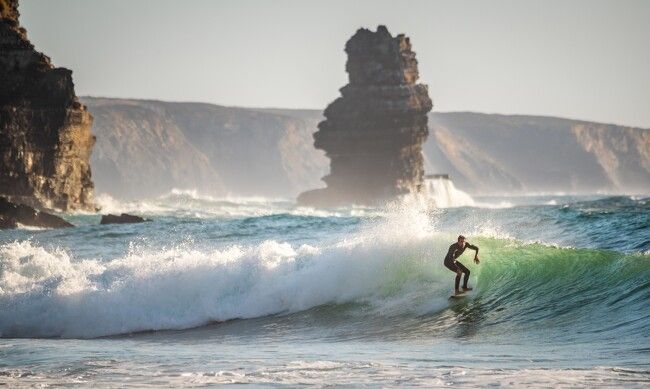
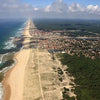
Aljezur sits on Europe's most consistent surf coastline with waves breaking 350+ days per year across eight diverse breaks within a 20-minute drive. This whitewashed Algarve town delivers what mass-tourism Algarve forgot: authentic Portuguese fishing villages, a 10th-century Moorish castle overlooking lush valleys, and Arrifana Beach—widely regarded as Portugal's premier beginner surf spot. While crowds flock to Peniche and Ericeira farther north, Aljezur maintains its laid-back charm with consistent swells that work for everyone from first-timers to barrel-hungry experts when winter groundswells light up the reefs.
The key takeaway: Aljezur offers year-round surf consistency unmatched in southern Portugal, with sheltered beginner bays that work in small conditions and exposed reefs that fire on winter swells. The variety within 20 minutes—from mellow beach breaks to advanced point breaks—means you'll always find rideable waves regardless of swell direction, size, or wind. Factor in authentic Portuguese culture without resort-town crowds and you've found the Algarve's best-kept surf secret.
Why Surf in Aljezur?
Aljezur distinguishes itself from Portugal's more famous surf destinations through a combination of consistency, variety, and authenticity that's increasingly rare along European coastlines.
Consistent Year-Round Surf
The Aljezur coastline faces directly into Atlantic swells tracking across thousands of miles of open ocean. This west-northwest exposure means swell consistency rivals anywhere in Portugal, with rideable waves available more than 350 days annually. Even summer's smaller swells produce clean 2-4 ft (0.6-1.2 m) waves perfect for progression, while autumn through spring delivers powerful 5-12 ft (1.5-3.7 m) groundswells that transform points and reefs into world-class setups.
Best Beginner Beach in the Algarve
Arrifana Beach holds legendary status among Portuguese surf instructors as the country's premier teaching venue south of Lisbon. The horseshoe bay configuration creates natural protection from northerly winds while sand bottom removes reef-fear for learners. Gradual depth increase allows controlled progression from whitewash to shoulder-high unbroken waves, with professional surf schools operating daily instruction throughout the year.
Authentic Portuguese Culture
Unlike resort-dominated southern Algarve, Aljezur town maintains working fishing-village authenticity. Cobbled streets wind past family-run tascas serving grilled sardines and local wine, elderly residents chat from doorways in the old Moorish quarter, and the 10th-century castle overlooks terraced valleys where agriculture still defines daily rhythms. This cultural preservation means your surf trip includes genuine Portuguese immersion rather than tourist-zone artificiality.
Variety of Surf Spots Within 20 Minutes
Eight distinct breaks cluster within a 20-kilometer stretch, each responding differently to swell direction, size, wind, and tide. This density means checking multiple spots takes 30 minutes maximum, and you'll always find something working regardless of conditions. Sheltered bays produce waves when exposed beaches close out, southern spots work during northerly winds that blow out northern breaks, and tide-sensitive rivermouths complement all-tide beach breaks.
Where is Aljezur and How to Get There?
Aljezur municipality occupies the northern Algarve coast where the region transitions from tourist development into Costa Vicentina Natural Park. The town itself sits 10 km inland in a river valley, with surf beaches spreading along the Atlantic coastline to the west.
Flying to Aljezur: Faro vs. Lisbon
Faro Airport (FAO) lies 100 km southeast, making it the closest international gateway with 75-minute driving time. However, flight availability heavily favors summer beach tourism, with reduced winter schedules precisely when surf peaks. Lisbon Airport (LIS) sits 200 km north but maintains year-round international connections from across Europe and North America. The Lisbon-to-Aljezur drive takes 2.5-3 hours via toll motorways or 4 hours on the scenic coastal N120 through cork forests and fishing villages.
Budget carriers including Ryanair, EasyJet, and Wizz Air serve both airports with competitive fares, particularly during off-peak surf seasons when flight demand drops.
Do You Need a Car in Aljezur?
Yes, absolutely. Aljezur town sits 10 km from the nearest beach, and the eight main surf spots spread across 20 km of coastline with zero public transport connecting them. Some surf camps include daily shuttle service to beaches, but independent travelers require personal transport for spot-checking, tide-timing flexibility, and accessing scattered breaks based on daily conditions.
Car rental through major aggregators runs approximately €25-45 per day depending on season, with pick-up available at both Faro and Lisbon airports. Manual transmission vehicles dominate the Portuguese rental fleet and cost significantly less than automatics.
Driving from Lisbon to Aljezur
Two routes connect Lisbon to Aljezur. The A2 motorway south to Lagos then IC4 northwest covers 200 km in 2.5 hours but incurs approximately €15 in toll charges. The toll-free alternative follows the N120 coastal road south through Sines, Vila Nova de Milfontes, and Odeceixe. This scenic route adds 90 minutes but showcases stunning Costa Vicentina landscapes, traditional villages, and numerous surf spots worth checking along the way.
Portuguese roads maintain excellent condition, though coastal routes feature numerous curves requiring attention, particularly during winter rainy seasons.
Public Transport Options
Limited bus service connects Aljezur to Lagos and Faro through Rede Expressos national network, with 2-3 daily departures requiring 60-90 minutes and costing €6-12. However, these buses run through inland routes, not coastal roads, and don't serve individual beaches. They work for reaching Aljezur town if staying at accommodation with surf school transport included, but provide no flexibility for independent spot-checking or multi-beach exploration.
When to Surf in Aljezur: Complete Seasonal Guide
Aljezur's Atlantic exposure delivers consistent surf year-round, with seasonal variations in swell size, crowd levels, water temperature, and wave quality creating distinct experiences throughout the calendar.
| Season | Wave Size | Water Temp | Wetsuit | Best For | Crowds |
|---|---|---|---|---|---|
| Summer (Jun-Aug) | 2-5 ft (0.6-1.5 m) | 17-19°C (63-66°F) | 3/2mm or spring suit | Beginners, surf lessons, warm conditions | Peak crowds, especially Arrifana |
| Autumn (Sep-Nov) | 5-10 ft (1.5-3 m) | 17-19°C (63-66°F) | 4/3mm | All levels, consistent groundswell, offshore winds | Moderate, decreasing by November |
| Winter (Dec-Feb) | 6-15 ft (2-4.6 m) | 14-16°C (57-61°F) | 4/3mm + boots/gloves | Advanced surfers, powerful swells, empty lineups | Minimal crowds |
| Spring (Mar-May) | 4-8 ft (1.2-2.4 m) | 15-17°C (59-63°F) | 4/3mm, transitioning to 3/2mm | Intermediates, manageable swells, warming water | Low to moderate |
Best Time Overall for Surfing
September through November represents Aljezur's sweet spot, combining powerful groundswells with warm water temperatures and decreasing crowds as European summer holidays end. Autumn sees dominant east-northeast offshore winds that groom Atlantic swells into clean, organized lines. Water remains 17-19°C (63-66°F) through October, requiring only 4/3mm wetsuits without boots. Wave quality peaks as summer's smaller wind swells transition to consistent 5-10 ft (1.5-3 m) groundswells, creating conditions suitable for progression from intermediates catching shoulder-high peelers to advanced surfers finding barrels when reefs wake up.

Best Surf Spots in Aljezur
Eight primary breaks define Aljezur's surf landscape, each with distinct characteristics responding to different swell, wind, and tide combinations. Understanding these variations ensures you'll find quality waves regardless of daily conditions.
Praia da Arrifana: The Beginner's Paradise
Arrifana's horseshoe bay forms the Algarve's most beloved beginner venue and Aljezur's signature break. The configuration creates natural wind protection while the sandy bottom removes reef-related fear for learners developing fundamentals.
Key Features:
- Sheltered horseshoe bay protected from northerly winds by 100-meter cliffs
- Consistent beach break working on all tides with waves 2-8 ft (0.6-2.4 m)
- Sandy bottom throughout main teaching area with gradual depth increase
- Advanced reef break at north end producing hollow rights 6-12 ft (2-3.7 m) for experts
- Multiple surf schools operating daily lessons from May through October
- Restaurant, parking, and showers at beach access point
Best For: Complete beginners during summer's 2-4 ft (0.6-1.2 m) conditions. Intermediate surfers progress to shoulder-high waves at bay center during spring and autumn. The northern reef point becomes expert-only territory when winter groundswells exceed 8 ft (2.4 m), producing fast, shallow barrels over scattered rocks.
Monte Clérigo: The Local's Choice
Monte Clérigo sits closest to Aljezur town at just 10 minutes' drive, delivering more exposed conditions than sheltered Arrifana. This openness brings bigger, punchier waves but also stronger rips and rocks requiring enhanced ocean awareness.
Key Features:
- Exposed beach break picking up maximum swell, typically 20-30% bigger than Arrifana
- Two distinct sections: northern peak under cliffs, southern peak near fishing village
- Sand bottom with scattered rock patches emerging at low tide
- Strong rip currents when swell exceeds 6 ft (1.8 m)
- Significantly fewer crowds than Arrifana due to more challenging conditions
- Parking directly at beach with restaurants in adjacent village
Best For: Confident intermediates comfortable reading rips and navigating rocks. When Arrifana maxes out or crowds overwhelm, Monte Clérigo offers alternatives with room to breathe. Southern village peak provides slightly mellower waves than the northern setup.
Amoreira: Rivermouth Beauty
Amoreira Beach spreads where the Aljezur river meets the Atlantic, creating a stunning landscape of sand dunes, rivermouth, and consistent peaks working differently at low versus high tide.
Key Features:
- Rivermouth setup creating shifting sandbars and varied peaks
- Protected low-tide conditions in northern bay under headland
- High-tide waves form near rivermouth with quality left peeling toward sand
- Sand bottom with occasional reef patches covered at higher tides
- Strong rivermouth current requiring strategic positioning
- Scenic hiking along river valley accessible from parking area
Best For: Versatile spot working for intermediates during smaller 3-5 ft (1-1.5 m) swells and advanced surfers when overhead waves 6-10 ft (2-3 m) produce longer walls along the rivermouth bar. Low tide suits beginners in protected northern corner, while high brings more power and critical sections.
Vale Figueiras: Hidden Gem
Vale Figueiras requires navigating a rough dirt track to reach this exposed beach break, a commitment that filters crowds even during peak summer. The rugged access preserves uncrowded lineups despite excellent wave quality.
Key Features:
- Rocky beach with powerful, exposed peaks catching maximum Atlantic swell
- Multiple sandbar formations creating A-frame peaks across the beach
- Hollow waves producing barrels on bigger swells 6-10 ft (2-3 m)
- Scattered rocks and reef patches requiring local knowledge
- Limited facilities—basic parking, no restaurants or showers
- Consistent even during summer's smaller swells due to swell magnet exposure
Best For: Confident intermediates to advanced surfers seeking uncrowded waves willing to handle rough access. The power here exceeds neighboring breaks, making it expert territory when groundswells push overhead.
Bordeira Beach: Endless Sandy Perfection
Bordeira stretches for kilometers as one of Portugal's most expansive beaches, with endless sandbars creating numerous peaks spreading crowds across vast space. The beach connects north to Vale Figueiras at low tide, forming an unbroken sand expanse.
Key Features:
- Multiple kilometer beach length with countless peak options
- Shifting sandbars creating fun A-frame peaks 3-8 ft (1-2.4 m)
- Southern end near Carrapateira village offers easier access and amenities
- Northern sections remain virtually empty even mid-summer
- Rips intensify near rivermouth at southern end when tide pushes
- Spectacular dune landscapes backing entire beach length
Best For: All levels finding space and variety. Beginners stay near Carrapateira village where surf schools operate. Intermediates explore middle sections for less-crowded peaks. Advanced surfers push into northern zones when swells exceed 6 ft (1.8 m) for powerful, hollow sections.
Praia do Amado: Championship Caliber
Amado hosts professional surf competitions including Portuguese Championship events, showcasing the beach's capacity for world-class waves when conditions align. The expansive bay accommodates surf schools alongside serious surfers without conflict.
Key Features:
- Consistent beach break with multiple peaks working all tides
- Championship-quality waves 4-10 ft (1.2-3 m) when swells hit optimal size
- Protected from northerly winds by dune formations
- Heavy surf school presence during summer mornings
- Restaurant, parking, and facilities at beach entrance
- Powerful closeouts when swells exceed 10 ft (3 m)
Best For: Beginners during summer's mellow 2-4 ft (0.6-1.2 m) conditions. Intermediate to advanced surfers score when autumn-winter groundswells 6-10 ft (2-3 m) create long walls and barrel sections, particularly during afternoon sessions after morning surf schools depart.
Praia de Odeceixe: North of Aljezur
Technically falling just north of Aljezur municipality in Alentejo region, Odeceixe sits 25 minutes' drive north but integrates into the local surf circuit. The rivermouth setup produces distinctive conditions worth exploring.
Key Features:
- Rivermouth beach break with shifting sandbars and variable peaks
- Picturesque setting where river meets ocean between cliffs
- Peaky waves 3-8 ft (1-2.4 m) with heavy closeouts on bigger swells
- Best with northwest swells and easterly offshore winds
- Charming village adjacent to beach with accommodation options
- Strong rips when rivermouth current combines with incoming swell
Best For: Intermediates seeking variety and scenic settings during moderate 4-6 ft (1.2-1.8 m) swells. The rivermouth creates challenging rips unsuitable for beginners, while closeout tendency frustrates advanced surfers seeking long walls. Works best as secondary option when primary breaks are crowded or unfavorable.
Carrapateira Point: Advanced Left-Hander
The rocky point at Bordeira's southern end transforms into a quality left-hand point break when bigger swells wrap into the bay. This setup only activates when conditions align, but delivers memorable sessions when working.
Key Features:
- Left-hand point break requiring minimum 6 ft (1.8 m) swell to activate
- Fast, sometimes hollow walls peeling along cliff base
- Rock bottom with scattered boulders requiring careful navigation
- Best during autumn-winter groundswells with east-northeast winds
- Spectator cliff above provides dramatic viewing perspective
- Limited crowd capacity—10-15 surfers max in optimal conditions
Best For: Advanced surfers only. The combination of rocks, power, and critical sections demands confidence and experience. When firing at 6-10 ft (2-3 m), Carrapateira Point produces some of Aljezur's longest, most rewarding rides for those with the skills to handle it.
Is Aljezur Good for Beginner Surfers?
Aljezur ranks among Europe's premier beginner surf destinations, centered around Arrifana Beach's reputation as arguably Portugal's finest learning venue south of Lisbon.
Why Arrifana is Perfect for Learning
The horseshoe bay configuration creates ideal teaching conditions through multiple factors working in beginners' favor. High cliffs flanking the bay block prevailing northerly winds that plague exposed beaches, maintaining clean conditions when other spots blow out. The sandy bottom removes reef-cut fears that intimidate learners, while gradual depth increase allows controlled progression from knee-deep whitewash practice to waist-deep reformed waves to eventually catching shoulder-high unbroken sets.
Wave consistency means beginners aren't waiting 10 minutes between sets—rides come frequently enough to maximize water time during 2-3 hour lessons. Multiple surf schools operate simultaneously without overcrowding the expansive bay, with professional instructors certified by the Portuguese Surfing Federation maintaining high safety standards.

Surf Schools in Aljezur
Numerous certified surf schools base operations around Aljezur's beginner-friendly beaches, offering instruction in English, Portuguese, Spanish, German, and French. Most operate May through October during peak beginner season, with some maintaining year-round service.
Aljezur Surf School
- Based at Arrifana and Monte Clérigo beaches
- Portuguese Surfing Federation certified instructors
- Group lessons (max 8 students per instructor) and private sessions available
- Equipment included: soft-top boards, wetsuits, leashes, wax
- Hotel pick-up service from Aljezur, Lagos, and Sagres areas
- 3-4 hour sessions including beach warmup, water instruction, and post-surf feedback
Aljezur Experiences
- Small group focus (maximum 6 students) for personalized attention
- Daily lessons at Arrifana Beach year-round
- Beginner through intermediate progression programs
- 3-hour sessions split into two 1.5-hour water intervals
- Video analysis available for technique refinement
- High-quality equipment fleet maintained regularly
Boa Onda Surf School
- Long-established school operating since early 2000s
- Specializes in small coaching groups for rapid progression
- Certified instructors with emergency response training
- Beginner-friendly approach with patient, encouraging teaching style
- Package deals combining lessons with accommodation nearby
- Equipment rental available for independent practice between lessons
Average Cost of Surf Lessons
Pricing structures remain relatively consistent across Aljezur's surf schools, with slight variations based on group size and package length:
- Single group lesson: €40-50 per person (2.5-3 hours including equipment)
- 5-lesson package: €180-220 per person (typically taken over one week)
- Private lessons: €70-90 per person for one-on-one instruction
- Week-long surf camp: €400-600 including accommodation, meals, daily lessons, and equipment
Children's lessons (ages 8-12) sometimes receive slight discounts, while advanced beginner and intermediate lessons cost the same as entry-level instruction. Equipment rental without instruction typically runs €15-25 per day for board and wetsuit combinations.
Aljezur for Intermediate and Advanced Surfers
Beyond beginner territory, Aljezur reveals itself as one of the best surf destinations for progression and performance surfing, particularly when autumn-winter groundswells activate reef and point breaks that remain dormant during summer's smaller conditions.
When the Reefs Wake Up
Arrifana's northern reef point lies dormant through summer, barely visible beneath small windswells lapping the beach break. But when September's first groundswells arrive, the scattered rock shelf transforms into a fast, hollow right-hander producing barrels on 6-12 ft (2-3 m) swells. Similarly, Carrapateira Point only activates when waves exceed 6 ft (1.8 m), revealing long left walls peeling along the cliff base.
These conditions typically emerge mid-September and persist through April, with November through February delivering the most consistent overhead-plus swells. Advanced surfers tracking swell forecasts can score world-class sessions during this window, particularly mid-week when crowds thin and groundswells pump.
Best Spots for Experienced Surfers
Priority lineup when swells exceed 6 ft (1.8 m):
- Arrifana reef point for hollow right barrels requiring precise positioning over shallow rocks
- Carrapateira Point for long left walls when swell direction and size align perfectly
- Vale Figueiras for powerful A-frame peaks producing barrels on bigger swells
- Monte Clérigo northern peak for punchy rights breaking near cliff base
- Amoreira rivermouth for longer walls during optimal tide and swell combinations
Each spot requires local knowledge regarding rocks, rips, and optimal tide-swell combinations. Observing from shore before paddling out proves essential, particularly at reef breaks where consequences escalate quickly.
Winter Swells and Big Wave Days
December through February sees regular groundswells pushing 10-15 ft (3-4.6 m) faces, occasionally exceeding 20 ft (6 m) during major North Atlantic storms—though nothing approaching the legendary big waves at Nazaré farther north. These conditions close out most beach breaks, leaving only experienced big-wave surfers in the water at points and exposed reefs.
Water temperatures drop to 14-16°C (57-61°F), requiring 4/3mm or 5/4mm wetsuits plus boots and gloves. Lineups empty dramatically—where 40 surfers might crowd summer Arrifana, winter sees 5-10 committed locals and traveling experts sharing waves. This combination of power and space creates memorable sessions for those comfortable in serious surf, but presents genuine danger for intermediates overestimating their abilities.
Best Surf Schools and Camps in Aljezur
Aljezur's surf instruction infrastructure combines individual lesson providers with comprehensive surf camps offering all-inclusive packages. Quality remains consistently high, with Portuguese Surfing Federation certification ensuring professional standards.
Aljezur Surf School
- Operates primarily at Arrifana and Monte Clérigo beaches year-round
- Portuguese Surfing Federation certified instructors with 10+ years average experience
- Maximum 8 students per instructor for group lessons, smaller ratios for intermediate/advanced
- Daily pick-up service available from accommodation in Aljezur, Lagos, Sagres areas (9:00-10:00 AM)
- 3-4 hour beach sessions including warm-up, safety briefing, water instruction, post-surf analysis
- Equipment provided: quality soft-top boards for beginners, performance boards for advanced students, full wetsuits, leashes, wax
- Children's programs available (ages 8-12) with age-appropriate instruction approach
- Pricing: Single lesson €45, 5-lesson package €210, private lessons €80
Aljezur Experiences
- Small group specialists (maximum 6 students) for enhanced personal attention
- Based at Arrifana Beach with daily lessons throughout the year
- 3-hour sessions divided into two 1.5-hour water intervals with rest between
- Video analysis available for intermediate/advanced students refining technique
- Local instructors (Braulio, Miguel, Suzanna) praised for patient, encouraging teaching style
- Flexible scheduling through WhatsApp booking system
- Focus on progression from beginner fundamentals to catching green waves
- Equipment: regularly maintained fleet of boards and wetsuits matched to student ability
- Pricing: Single lesson €45, week packages available, private sessions €75
Boa Onda Surf School
- Long-established school (operating since early 2000s) with strong local reputation
- Specializes in small coaching groups for rapid skill development
- Certified instructors with emergency response and ocean rescue training
- Beginner-friendly approach emphasizing safety, fun, proper technique foundation
- Operates across multiple Aljezur beaches based on daily conditions
- Package deals available combining surf lessons with nearby accommodation partners
- Equipment rental service for students wanting to practice independently
- Strong focus on understanding ocean dynamics, not just board riding
- Pricing: Single lesson €40, 5-lesson package €180, accommodation packages from €400/week
Mayla Surf House
- Combines surf instruction with comfortable accommodation in Vale da Telha
- Located 4 km from Arrifana, Monte Clérigo, Amoreira beaches
- Private surf point at Amoreira Beach for uncrowded instruction
- Qualified instructors teaching all levels from beginner to advanced
- Accommodation: rooms for 2-4 people with hillside views and private terraces
- Facilities: pool, garden, shared living room with fireplace
- Both lesson-only and full package options available
- Friendly, personal atmosphere described as "surf family" by guests
- Pricing: Lessons from €40, accommodation packages from €450/week
Surf Retreats Portugal
- Long-established operation offering coaching and surf guiding across Aljezur's best beaches
- Nestled within Costa Vicentina Natural Park for immersive nature experience
- Daily beach selection based on conditions—Amoreira, Vale Figueiras, Arrifana, Monte Clérigo
- Experienced instructors providing both beginner instruction and advanced coaching
- Comfortable accommodation with relaxed community atmosphere
- Suitable for beginners through advanced surfers seeking skill refinement
- Professional yet laid-back Algarve surf spirit
- Flexible packages: lessons only, accommodation only, or all-inclusive
- Pricing: Week packages from €500 including accommodation, daily instruction, equipment
Russo Surfcamp
- Boutique surf camp in hills south of Aljezur with pool and halfpipe on-site
- Close to Vale Figueiras and southern surf breaks
- Small coaching groups with personalized feedback and technique refinement
- Known for excellent food (guests rave about "grandma's cooking")
- Social atmosphere with BBQ nights and live music events
- Daily surf sessions with beach selection based on conditions and student level
- Clean, well-maintained facilities with comfortable rustic villa accommodation
- Strong community feel—guests frequently mention making lasting friendships
- Pricing: 8-day packages from €550 including accommodation, meals, daily surfing, equipment
Where to Stay in Aljezur for Surfing
Accommodation strategy splits between staying in Aljezur town with authentic Portuguese atmosphere versus beachfront properties offering ocean proximity. Each approach presents distinct advantages depending on priorities and budget.
Stay in Aljezur Town vs. Beachfront
Choose Aljezur Town For:
- Authentic Portuguese character with working fishing-village atmosphere
- Lower accommodation prices (typically 20-40% less than beachfront)
- Restaurants, cafés, supermarkets, and services within walking distance
- Evening entertainment and nightlife options (though still low-key)
- Moorish castle, old town architecture, and cultural immersion
Trade-off: 10-20 minute drive to beaches, requiring car rental and daily commute.
Choose Beachfront Accommodation For:
- Roll-out-of-bed surf access for dawn patrol and multi-session days
- Ocean views and sound of waves from your room
- Surf camp community atmosphere with other traveling surfers
- No daily driving—walk to beach in 2-5 minutes
- Sunset sessions and evening beach walks
Trade-off: Higher prices, isolated from town services, limited restaurant variety, requires car for non-surf activities.
Best Surf Camps and Lodges
Endless Summer Surf House (Arrifana)
- Located on clifftops overlooking Arrifana Beach
- Gorgeous pool and garden with multiple hang-out areas
- Individual room rentals with shared common spaces
- Social surf-house vibe attracting solo travelers and groups
- 5-minute walk down cliff path to beach
- Pricing: €35-60/night per person depending on room type and season
Mayla Surf House (Vale da Telha)
- 4 km from Arrifana, Monte Clérigo, Amoreira—central location
- Cozy rooms for 2-4 people with hillside views
- Most rooms feature private terraces
- Pool, garden, shared living room with fireplace
- Surf lessons included in packages or available separately
- Friendly, personal atmosphere—described as "surf family" by guests
- Pricing: €45-75/night per person, package deals available
Budget Accommodation Options
Aljezur Hostel/Guesthouse Options:
- Hostel options in Aljezur town: €15-25/night for dorm beds, €40-60 for private rooms
- Camping: Parque de Campismo do Serrão and other Costa Vicentina campsites €8-15/night
- Airbnb studios: €30-50/night in Aljezur town, €40-70 near beaches
- Van life/campervan: Free overnight parking exists at some beach car parks (enforcement varies), designated camper stops in nearby villages
Budget travelers combining camping or hostel accommodation with independent surfing (no lessons) can operate on €25-40 daily including food, versus €70-100+ daily for mid-range accommodation with surf camp packages.
Luxury and Boutique Stays
Birds of Paradise Surf Lodge (Arrifana area)
- Boutique surf lodge with maximum 12 guests for peaceful atmosphere
- 6 unique rooms with en-suite bathrooms, work desks, private terraces/balconies
- Modern design with bespoke decor and simple luxuries
- South-facing garden sheltered from north winds with multiple hang-out areas
- Healthy breakfast included, option to add dinner packages
- Pricing: €80-120/night per person including breakfast
Vale da Telha Nature Boutique Hotel
- Upscale boutique property in natural setting
- Modern rooms with quality furnishings and amenities
- Pool, spa services, and fine dining restaurant
- 5-10 minutes to multiple surf beaches
- Suitable for surf trips prioritizing comfort and relaxation
- Pricing: €100-180/night for double rooms depending on season
Surf Shop Rentals and Gear in Aljezur
Three primary surf shops serve Aljezur's equipment rental, purchase, and repair needs, supplementing the gear provided by surf schools for independent surfers and those wanting to extend sessions.
The Washout
The Washout occupies dual-purpose space as surf shop and laundrette on Aljezur's main road below the old town. This quirky combination reflects the practical needs of surf travelers while maintaining local character.
Services and Stock:
- Surf equipment rentals: boards €15-20/day, wetsuits €10/day, combined packages €20-25/day
- Accessories: fins, leashes, wax, rash guards, board bags
- Surf photography and artwork from local artists
- Jewelry and clothing with surf aesthetic
- Laundry service (useful for multi-week trips)
- Staff provide local break advice and condition updates
SW Surf Shop
SW Surf Shop operates as Aljezur's largest and most comprehensively stocked surf emporium, carrying major brands and maintaining extensive wetsuit inventory particularly valuable for finding proper sizing.
Services and Stock:
- Major wetsuit brands: Xcel, Rip Curl, O'Neill, Vissla
- Previous season wetsuits at 30-50% discounts
- New and used surfboard selection including quality second-hand rails
- Complete accessory range: leashes, fins, traction pads, wax, board bags
- Clothing and footwear from surf brands
- Board rentals: €15-25/day depending on board type
- Minor ding repairs available
Aljezur Surf Spot
Aljezur Surf Spot sits in the small hamlet of Vales on the road toward Arrifana, positioning it perfectly for surfers heading to the beach who realize they need equipment or repairs.
Services and Stock:
- Excellent new and used surfboard selection including locally shaped boards
- Eco-friendly WildSuit wetsuits and C-Skins brand
- Rental equipment: wide board variety from longboards to performance shortboards
- Connected to surf school offering lessons (can combine rental + instruction)
- Local shaper connections for custom board orders
- Ding repair service with quick turnaround
- Knowledgeable staff providing detailed break recommendations
What to Pack for Surfing in Aljezur
Proper equipment preparation proves critical for maximizing sessions and comfort across Aljezur's variable seasonal conditions. Focus on wetsuit selection, board considerations, and essential accessories often overlooked by traveling surfers.
Wetsuit Recommendations by Season
Summer (June-August): 3/2mm fullsuit handles 17-19°C (63-66°F) water comfortably for most surfers. Spring suits work for warm days and short sessions, though full coverage prevents shoulder burn during extended sessions. Pack a quality surf brand wetsuit for durability.
Autumn (September-November): 4/3mm fullsuit becomes essential as water holds 17-19°C (63-66°F) early autumn but session lengths increase with improving conditions. Boots optional early season, recommended by November.
Winter (December-February): 4/3mm or 5/4mm fullsuit plus boots and gloves for 14-16°C (57-61°F) water. Hooded wetsuits appreciated during coldest mornings. Consider surf watches that track sessions even in cold water.
Spring (March-May): Start with 4/3mm through March-April, transition to 3/2mm by late May as water warms toward summer temperatures.
Quality matters significantly—cheap wetsuits lose warmth quickly in Aljezur's extended surf sessions, while premium brands (Xcel, Rip Curl, Patagonia, O'Neill) maintain warmth and flexibility through multi-hour sessions.
Should You Bring Your Own Board?
Bring your board if:
- Traveling from within Europe where baggage fees remain reasonable (€50-80 typically)
- Staying 2+ weeks where rental costs exceed baggage fees
- Riding specific board types difficult to rent (fish, twin-fin, performance shortboards)
- Intermediate-advanced level where board familiarity impacts performance significantly
Rent locally if:
- Flying from outside Europe where board fees exceed €100-150 each way
- Staying less than 10 days where rental costs (€15-20/day) remain below baggage fees
- Learning to surf—rental boards suit skill development better than personal equipment
- Traveling with limited luggage capacity or uncertain about conditions
Aljezur's rental selection provides quality options including longboards, mid-lengths, and performance shortboards. However, specific board types (asymmetrical designs, twin-fins, fish shapes) prove harder to find, justifying bringing your own if these match your preferred equipment.
Essential Surf Gear Checklist
- Wetsuit (appropriate thickness for season)
- Boots and gloves (if visiting October-April)
- Rash guard (sun protection, prevents wetsuit chafing)
- Reef-safe sunscreen (SPF 30-50)
- Surf wax (water temperature appropriate)
- Leash and backup leash
- Ding repair kit (Solarez UV-cure for quick fixes)
- Board bag (padded for air travel, day bag for car transport)
- Portable surf shower (beaches lack showers—packable 10L bag useful)
- Waterproof action camera (GoPro) and mounts
- Changing towel/poncho (discreet car park changing)
- Ear plugs (cold water surfer's ear prevention)
- Surf forecast app (Surfline, Magicseaweed, Windy)
Surf Safety in Aljezur
Aljezur's consistent surf comes with Atlantic power that demands respect and awareness. Understanding hazards and implementing proper safety practices ensures sessions remain enjoyable rather than dangerous.
Rip Currents and Undertows
Rip currents represent Aljezur's most significant hazard, particularly at exposed beaches like Monte Clérigo, Amoreira rivermouth, and Vale Figueiras. These powerful currents pull swimmers and surfers away from shore, intensifying when swells exceed 6 ft (1.8 m) and during tide changes.
Identifying rips: Look for channels of darker, choppier water moving between sandbanks, areas where waves aren't breaking, or debris/foam moving steadily seaward. Rips often form near rivermouth structures, rock formations, and at beach ends where water funnels back out.
Escaping rips: Don't panic or swim directly toward shore against the current—this exhausts you quickly. Instead, swim parallel to shore until escaping the rip's narrow channel, then angle back toward beach. Surfers can simply ride the rip out beyond the break, then paddle laterally before catching waves back in.
Prevention: Observe conditions for 5-10 minutes before paddling out. Ask locals or surf school instructors about current locations. Enter water near other surfers who understand local hazards rather than isolated spots.
Rocks and Reefs to Watch For
While Aljezur's primary beginner breaks feature sandy bottoms, intermediate and advanced spots incorporate reef and rock hazards requiring awareness:
- Arrifana reef (north end): Shallow rocks create hollow barrels but demand precise positioning—wipeouts risk impacts
- Carrapateira Point: Rocky bottom throughout with scattered boulders breaking surface at low tide
- Monte Clérigo north peak: Rock patches emerge at low tide near cliff base
- Vale Figueiras: Scattered reef throughout requiring careful navigation
- Amoreira: Sand-covered reef patches appear at lower tides near rivermouth
Reef safety protocols: Wear booties when surfing reef breaks. Check tide charts and observe at low tide to see rock locations. Never dive headfirst in shallow areas. If caught inside during sets, protect your head with arms and surface carefully to avoid scraping reef. Exit strategically during lulls rather than rushing through impact zones.
Crowds and Lineup Etiquette
Summer Arrifana can host 50+ surfers simultaneously, creating potential for collisions and conflicts. Proper lineup etiquette maintains safety and positive vibes:
- Priority rules: Surfer closest to peak has right of way. Don't drop in on someone already riding.
- Paddling out: Paddle wide around lineup, not through takeoff zone where you interfere with riders
- Snaking: Don't paddle around others to gain inside position after they've waited their turn
- Board control: Never abandon your board in the impact zone—it becomes a projectile endangering others
- Locals: Show respect to regular surfers who know hazards and patterns. Let them have waves, especially early in sessions
- Communication: Call "left!" or "right!" when taking off to indicate direction, preventing multi-surfer takeoffs
Avoid mid-morning crowds (10 AM-12 PM) when surf schools dominate Arrifana. Dawn patrol (7-9 AM) and sunset sessions (5-7 PM) offer fewer people and often better conditions as winds typically settle.
Things to Do in Aljezur When Not Surfing
Flat days (rare) and rest days benefit from Aljezur's cultural attractions and Costa Vicentina's natural beauty. The region offers significantly more than just waves.
Explore the Moorish Castle
The 10th-century Moorish castle ruins crown Aljezur's highest hill, providing 360-degree views across the valley, town, and distant Atlantic. The fortification dates to Islamic occupation of the Iberian Peninsula, with strategic positioning allowing surveillance of inland approaches and coastal routes.
Though largely ruined, enough walls and towers remain to convey the castle's historical significance. The real attraction, however, comes from sunset views. Arrive 30-45 minutes before sunset to watch light transform from harsh daylight to golden hour to twilight, illuminating the old town's whitewashed buildings and casting long shadows across valley farmland.
Access: Free entry, always open. Steep cobbled path from old town takes 10-15 minutes. Bring flashlight for after-dark descent.
Hike the Costa Vicentina Trail
The Rota Vicentina long-distance trail traverses the entire Costa Vicentina Natural Park, with multiple sections accessible from Aljezur. These coastal paths reveal cliff-top perspectives impossible to see from beaches, along with wildflower meadows, secluded coves, and traditional fishing villages.
Recommended day hikes:
- Aljezur to Arrifana (12 km, 3-4 hours): Follows river valley to coast then tracks clifftops to Arrifana Beach
- Arrifana to Monte Clérigo (8 km, 2-3 hours): Spectacular cliff-edge walking with ocean views throughout
- Odeceixe to Aljezur (15 km, 4-5 hours): Longer trek passing multiple beaches and river crossings
Trail quality remains excellent with clear marking. Bring sun protection, water, and snacks. Many sections offer swimming access at beaches along the route, combining hiking with ocean dips.
Visit Nearby Beaches and Towns
Sagres (40 minutes south): This dramatic cape region where Henry the Navigator established his navigation school features impressive fortress ruins, powerful cliffs, and excellent surf spots. The southwesternmost point of continental Europe creates end-of-the-world atmosphere enhanced by wind-sculpted vegetation and dramatic seascapes.
Lagos (40 minutes southeast): Larger town offering contrast to Aljezur's quiet character. Historic old town with city walls, marina, restaurants, nightlife, and famous Ponta da Piedade rock formations accessible by boat or clifftop walks.
Praia do Carvalho and south coast beaches: The sheltered south-facing Algarve beaches south of Lagos showcase the famous golden cliffs and turquoise water that define postcard Algarve. These beaches suit flat-day swimming and snorkeling rather than surfing, but their beauty warrants exploration.
Aljezur vs. Other Algarve Surf Towns
Choosing between Algarve surf towns depends on experience level, crowd tolerance, and cultural preferences. Aljezur distinguishes itself through specific advantages and trade-offs compared to nearby alternatives.
Aljezur vs. Sagres
Choose Sagres if you want:
- More surf spot variety (15+ breaks within 20 minutes)
- Both west-facing and south-facing beaches for wind protection options
- Larger town with more restaurant, bar, and nightlife choices
- Better winter surf—south-facing beaches receive wrap-around swells
- Established surf hostel and digital nomad community
Choose Aljezur if you want:
- More authentic Portuguese atmosphere without tourism dominance
- Better beginner conditions—Arrifana exceeds any Sagres beginner spot
- Less wind exposure (Sagres notorious for constant wind)
- Quieter, more relaxed pace with traditional culture preserved
- Slightly fewer crowds at primary breaks
Aljezur vs. Lagos
Choose Lagos if you want:
- City amenities, shopping, diverse dining, active nightlife
- Marina, boat tours, water sports beyond surfing
- Larger accommodation selection across all budgets
- Better public transport connections to other regions
- More activities for non-surfing travel companions
Choose Aljezur if you want:
- Surf-focused trip without city distractions
- Better wave quality and consistency than Lagos area
- Authentic Portuguese culture versus resort-town atmosphere
- Natural environment and Costa Vicentina National Park access
- Significantly lower costs for accommodation and food
Why Choose Aljezur?
Aljezur occupies a sweet spot for surf travelers prioritizing wave quality, beginner-friendliness, authentic culture, and budget management over nightlife, dining variety, and tourist amenities. The town works best for surfers whose primary focus remains maximizing water time in quality conditions while experiencing genuine Portuguese life, rather than those seeking resort-style vacation with surfing as one activity among many.
For pure surf focus—particularly beginners and intermediates developing skills in consistent, safe conditions—Aljezur arguably delivers better value than any alternative within 2 hours' drive, including more famous destinations like Ericeira farther north. Advanced surfers find sufficient challenge during autumn-winter groundswells, though they might supplement Aljezur with day trips to Sagres when specific conditions favor southern exposures.
How Much Does a Surf Trip to Aljezur Cost?
Budget planning ensures surf trips match financial realities while maximizing wave time. Aljezur offers flexibility across spending levels without compromising surf quality.
Budget Breakdown (Accommodation, Food, Lessons)
Budget Option (€35-50/day per person):
- Accommodation: Hostel dorm €15-20, camping €8-12, or splitting Airbnb studio €20-25
- Food: Self-catering from supermarket €8-12, one restaurant meal €10-15
- Surf: Board rental €15-20/day, no lessons (or occasional lesson €45)
- Transport: Shared car rental €15-20/day split between 2-3 people
- Miscellaneous: Coffee, snacks, incidentals €5-10
Mid-Range Option (€80-120/day per person):
- Accommodation: Guesthouse or surf house €40-60
- Food: Mix of restaurant meals (2 per day) €25-35, coffee/snacks €8-12
- Surf: Board rental €15-20, 2-3 lessons per week €40-45 each
- Transport: Car rental €30-40/day (or included in surf camp package)
- Miscellaneous: Activities, drinks, souvenirs €10-15
Comfortable Option (€140-200+/day per person):
- Accommodation: Boutique hotel or upscale surf lodge €80-120
- Food: All meals at restaurants €40-60
- Surf: All-inclusive surf camp with daily instruction, or private lessons €70-90 each
- Transport: Individual car rental €40-50/day
- Miscellaneous: Spa services, tours, premium experiences €20-30
Week-long surf camp packages: All-inclusive options (accommodation, meals, daily lessons, equipment, sometimes transport) run €400-750 depending on season and accommodation quality. These often provide better value than booking components separately.
Money-Saving Tips
- Visit shoulder seasons (March-May, late November-February): Accommodation costs drop 30-50%, flight prices decrease, fewer crowds means better surf despite slightly less consistent conditions
- Self-cater breakfasts and lunches: Restaurant dinners only cuts food costs dramatically while still experiencing Portuguese cuisine
- Rent car through aggregators and book early: Prices increase closer to travel dates. Booking 2-3 months ahead saves 20-40%
- Share accommodation and car rental: Traveling with 2-3 people halves or thirds these major expenses
- Buy used wetsuit locally: If staying multiple weeks, purchasing used wetsuit (€40-80) costs less than renting (€10/day × 14+ days)
- Pack lunch for beach days: Supermarket sandwiches (€3-5) versus beach café meals (€8-12) adds up over multi-week trips
- Limit lessons to first few days: Once basics established, independent practice with occasional check-in lessons develops skills while controlling costs
- Consider surf trip variety: Aljezur offers better value than more expensive destinations like Peniche, where accommodation and crowds can drive up costs
Frequently Asked Questions
Is Aljezur good for beginner surfers?
Yes, Aljezur ranks among Portugal's best beginner destinations thanks to Arrifana Beach's sheltered horseshoe bay configuration, sandy bottom, gradual depth increase, and consistent 2-4 ft (0.6-1.2 m) summer waves. Multiple Portuguese Surfing Federation certified schools operate daily lessons with professional instruction, safety equipment, and progressive teaching methods. The protected bay blocks northerly winds that plague exposed beaches while maintaining wave consistency, creating ideal learning conditions from May through October.
What is the best time of year to surf in Aljezur?
September through November delivers optimal conditions combining powerful groundswells 5-10 ft (1.5-3 m), warm water 17-19°C (63-66°F), offshore winds, and decreasing crowds after summer holidays end. However, Aljezur works year-round: summer (June-August) suits beginners with mellow 2-5 ft (0.6-1.5 m) waves and peak temperatures; winter (December-February) delivers powerful 6-15 ft (2-4.6 m) swells for advanced surfers and empty lineups; spring (March-May) offers manageable 4-8 ft (1.2-2.4 m) conditions for intermediates and budget pricing.
Do you need a car to surf in Aljezur?
Yes, a car proves essential for independent surf trips. Aljezur town sits 10 km from the nearest beach, and eight main surf spots spread across 20 km of coastline with zero public transport connecting them. Spot-checking conditions, timing tide windows, and accessing different breaks based on daily swell and wind requires personal transport. Some all-inclusive surf camps include shuttle service to beaches, making car rental optional if you stay at these properties and don't need independence for non-surf activities.
How crowded are the surf spots in Aljezur?
Arrifana Beach experiences significant summer crowds with 40-60+ surfers during peak mid-morning hours (10 AM-12 PM) when surf schools dominate. However, dawn patrol (7-9 AM) and sunset sessions (5-7 PM) thin crowds dramatically. Alternative breaks like Monte Clérigo, Amoreira, and Vale Figueiras maintain much lower crowds even during peak season due to more challenging conditions or difficult access. Autumn-winter seasons see dramatic crowd decreases across all breaks—even popular Arrifana often hosts just 10-15 surfers during winter groundswells.
What wetsuit thickness do I need in Aljezur?
Summer (June-August) requires 3/2mm fullsuit for 17-19°C (63-66°F) water, with spring suits acceptable for short sessions on warm days. Autumn (September-November) needs 4/3mm fullsuit as sessions lengthen and temperatures hold 17-19°C (63-66°F). Winter (December-February) demands 4/3mm or 5/4mm fullsuit plus boots and gloves for 14-16°C (57-61°F) water. Spring (March-May) starts with 4/3mm transitioning to 3/2mm by late May. Quality matters—premium brands maintain warmth through multi-hour sessions better than cheap alternatives.
Can you surf in Aljezur year-round?
Yes, Aljezur delivers consistent surf 350+ days annually thanks to direct Atlantic exposure capturing all swell directions. Summer provides smaller 2-5 ft (0.6-1.5 m) waves perfect for beginners. Autumn and spring generate consistent 4-10 ft (1.2-3 m) groundswells suitable for all levels. Winter produces powerful 6-15 ft (2-4.6 m) conditions for advanced surfers, occasionally exceeding 20 ft (6 m) during major storms. Even rare flat spells typically last only 1-2 days before new swells arrive. This consistency means surf trips work any month, though conditions and crowds vary seasonally.
Is Aljezur better than Sagres for surfing?
Each town suits different priorities. Choose Aljezur for better beginner conditions (Arrifana exceeds any Sagres beginner beach), authentic Portuguese culture without tourism dominance, less wind exposure, and quieter atmosphere. Choose Sagres for more surf spot variety (15+ breaks), both west and south-facing beaches providing wind protection options, better winter surf when south swells favor south-facing beaches, and more developed town amenities including nightlife and restaurants. Aljezur wins for surf-focused trips prioritizing wave quality over social scene.
Are there surf shops in Aljezur?
Yes, three primary surf shops serve equipment needs: The Washout (surf shop + laundrette on main road with rentals, accessories, local artwork), SW Surf Shop (largest selection including major wetsuit brands, new and used boards, previous season discounts), and Aljezur Surf Spot (excellent used board selection, eco-friendly wetsuits, connected to surf school, located in Vales hamlet toward Arrifana). All offer daily rentals (boards €15-20, wetsuits €10, combined packages €20-25) plus accessories, repairs, and local knowledge about current conditions.