
I’ve watched a lot of beginners show up to the beach with the wrong board — a friend’s old 6’2″ shortboard they borrowed because it looked cool, or a cheap foam toy that collapses under any real wave. Both experiences share the same result: frustration, wipeouts, and a much slower path to actually standing up. After years of surfing and testing boards across different shapes, sizes and constructions, I put together this guide to help you skip the guesswork and get into the water on something that will genuinely accelerate your progression.
Worth Knowing Before You Buy
- ✓ The best beginner surfboard is a soft-top (foamie) with high volume — stability beats everything else at this stage
- ✓ An 8’0″–9’0″ length is the sweet spot for most adult beginners — long enough to paddle easily, short enough to control
- ✓ Volume (in litres) matters more than length — aim for 2x your body weight in kg as a starting point
- ✓ Soft-tops are safer, more durable, and more forgiving — don’t let anyone talk you into starting on a hardboard
- ✓ Budget $300–$600 for a board that will carry you through beginner and into early intermediate level
Quick Guide — Best Beginner Surfboards
- Best overall: Catch Surf Odysea Log 8’0″ — Stable, forgiving, genuinely fun ($299 / €280)
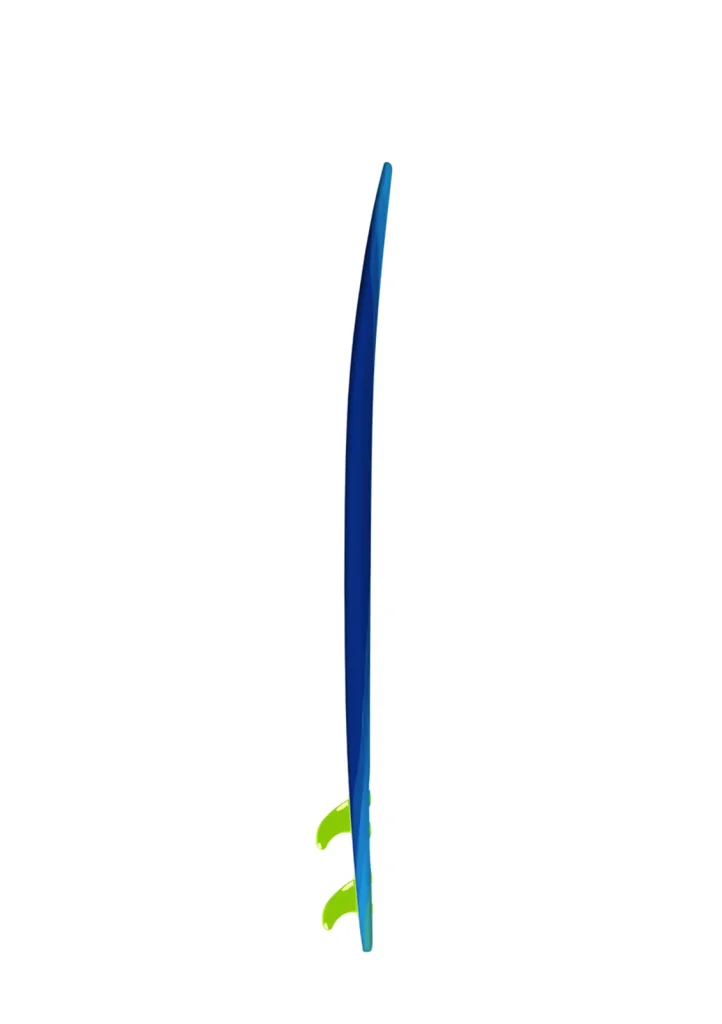
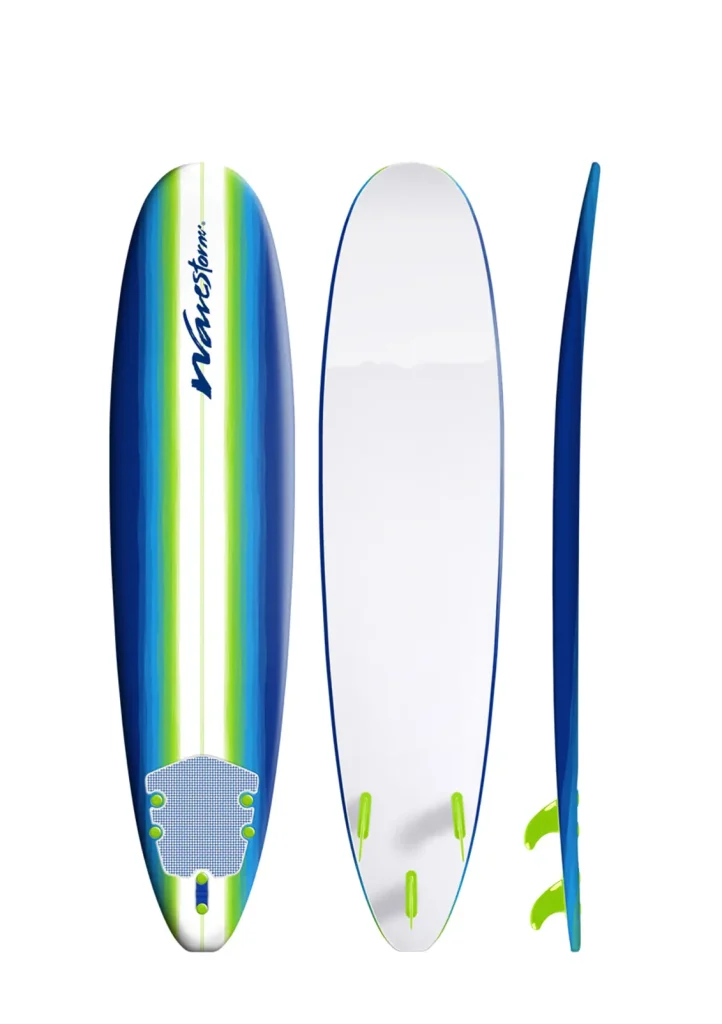
- Best budget: Wavestorm 8’0″ Classic — Legendary entry-level foamie, impossible to beat for price ($150 / €140)
- Best for progression: BIC Sport NOVA 8’4″ — Bridges soft-top feel with hardboard performance ($350 / €330)
- Best longboard: Torq TET 9’0″ Longboard — Epoxy construction, perfect for nose-riding progression ($650 / €615)
- Best for kids: Catch Surf Beater 5’6″ — Indestructible, floaty, kids love them ($189 / €178)
- Best premium: Channel Islands CI Mid 7’6″ — The board to grow into, not grow out of ($795 / €750)
Why Beginners Need a Specific Type of Surfboard
Learning to surf on the wrong board is one of the most common reasons people quit surfing after two or three sessions. The physics are simple: a board with more volume floats higher and paddles faster, which means you catch more waves. More waves mean more practice. More practice means actual progress. I see too many beginners on boards that would challenge an intermediate surfer — borrowed shortboards, old eggs, mid-lengths that look reasonable but have nowhere near enough volume for someone still figuring out how to pop up. Start with too little board and you’ll spend your sessions paddling hard for waves that don’t come, wobbling to your feet for half a second before tumbling, and wondering why everyone else seems to be having fun.
A proper beginner surfboard solves three problems simultaneously: it catches waves easily (high volume, good paddling surface), it stays stable under your feet when you stand (wide, flat profile), and it forgives mistakes (soft construction, generous width). None of those qualities are exciting to read about, but they’re what separates someone who learns to surf in two weeks from someone who’s still struggling after a year.
What Makes a Good Beginner Surfboard: The Key Characteristics
Volume and Buoyancy
Volume, measured in litres, is the single most important number on a beginner surfboard. It determines how high the board sits in the water, how easily it paddles, and how stable it feels under your feet. A good starting formula: multiply your body weight in kilograms by 0.6 to get the minimum recommended volume. So a 75kg beginner should look for at least 45L — but honestly, as a complete beginner, I’d round up significantly. 55–75L is where I’d aim for most adults. You can always drop volume as your skills develop; you can’t manufacture the confidence that comes from a board that floats you well.
Soft-Top vs. Hard-Top
Soft-tops (foamies) have a foam deck and soft, rubber-like rails — the outer edges of the board. Hard-tops (epoxy or polyurethane) have a glassed surface and sharper rails. For beginners, soft-tops win on every metric that matters: they’re safer (you will hit your board; with a foamie that’s a bruise, with a hard-top that’s a gash), more durable (no dings from knocking it on rocks, concrete, or your car roof), and more forgiving in white water where most beginners spend their first sessions. The argument that soft-tops “don’t perform” is irrelevant at beginner level — performance only matters once you have the fundamentals. Start soft, move to hard when your surfing demands it.
Board Length — Why 8’0″ Is the Sweet Spot
Length affects paddling efficiency, wave-catching ability, and stability. Too short and you’ll struggle to catch waves; too long and the board becomes unwieldy to carry, duck dive, and manoeuvre. For most adult beginners, 7’6″–9’0″ covers the ideal range. I usually recommend starting around 8’0″–8’6″. It’s long enough to give you a genuine paddling advantage in the white water where you’ll be learning, but manageable enough that you’re not wrestling a 10-foot log in the shore break. Taller or heavier surfers should lean toward the longer end; lighter surfers or those with some fitness background can go slightly shorter.
Width and Thickness
Width is what gives you stability side-to-side — the wobble you feel when you first stand up. A wider board (22″–24″+) gives your feet more platform to work with and makes the pop-up forgiving even when your foot placement isn’t perfect. Thickness translates directly into float — a thick board (3″–3.5″) carries more volume distributed evenly and paddles with noticeably less effort. Both width and thickness decrease as you progress to more performance-oriented shapes. For now, more of both is always better.
Fin Setup
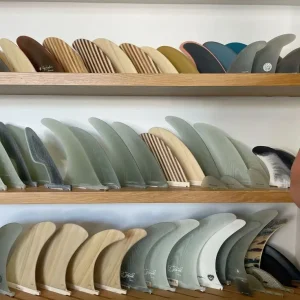
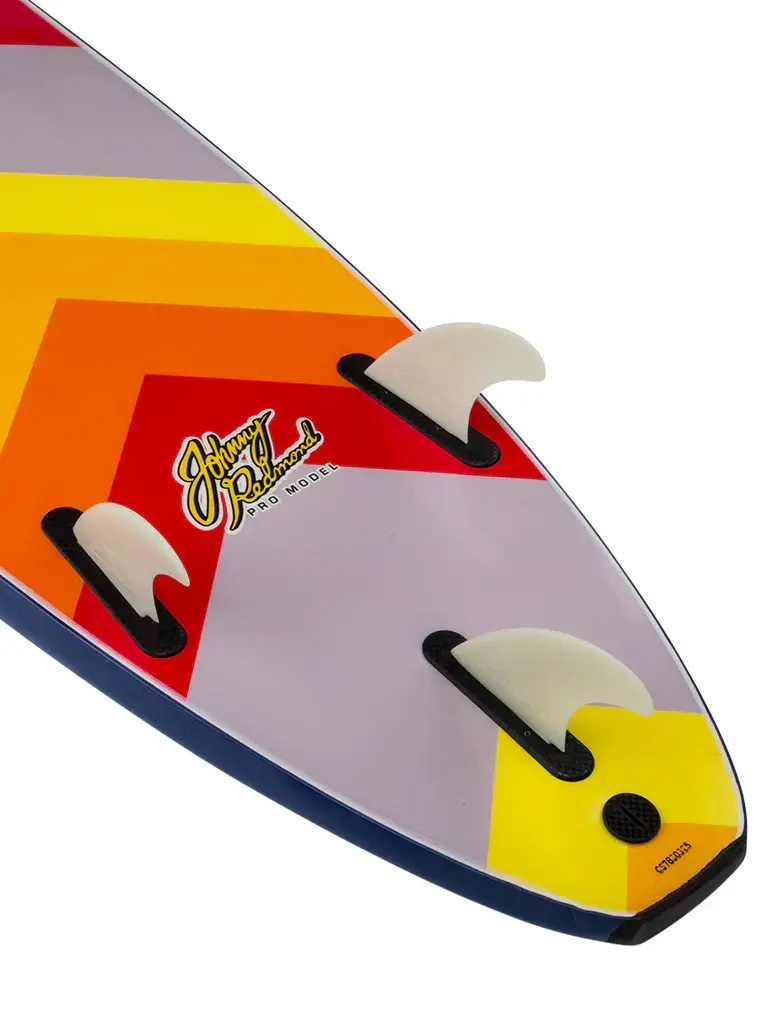
Most beginner boards come with a thruster (three-fin) setup or a large single fin. Both work well for learning. The three-fin setup gives directional stability and a small amount of looseness that helps when you start trying to turn. Most soft-top boards come with rubber or soft plastic fins for safety — fins are one of the most common sources of cuts in the surf. If you’re buying a board with hard glass fins, swap them for a rubber set while you’re learning.
My Top 6 Beginner Surfboard Picks
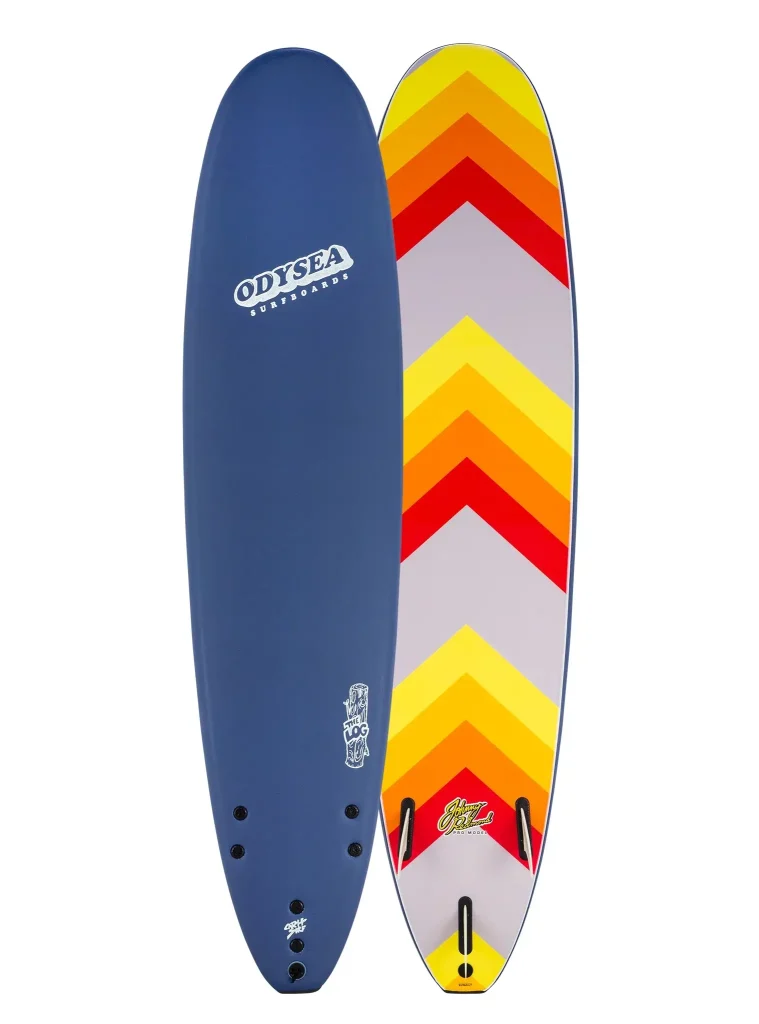
Catch Surf Odysea Log 8’0″ — Best Overall
What I Like:
- Genuinely fun to ride from day one: The wide, flat rocker generates speed on tiny waves — you’ll catch waves you have no business catching, which is exactly what a beginner needs
- The soft top is excellent quality: Catch Surf’s foam construction is noticeably better than budget foamies — the deck holds up, the rails stay intact, and it handles being bashed around in shore break
- Log shape encourages good technique: The longboard-inspired outline rewards proper paddling and weight distribution rather than letting you get away with sloppy fundamentals
- Available in multiple sizes: 6’0″, 7’0″, 8’0″, 9’0″ — whole families can find the right fit from one brand
- Good resale value: Catch Surf boards hold their value better than budget foamies when it’s time to move on
What Could Be Better:
- Not the cheapest option — there are functional foamies at half the price if budget is the priority
- The 8’0″ can feel large in the car park — make sure your vehicle can transport it before buying
- Soft fins are great for safety but limit feedback slightly once you progress
Best for: Adult beginners wanting a board that will last through beginner and early intermediate, surfers who want quality construction from the start, anyone who’s going to surf regularly and wants something that won’t fall apart
| Level | Volume | Dimensions | Price |
|---|---|---|---|
| Beginner–Intermediate | ~80L (8’0″) | 8’0″ × 22.5″ × 3″ | $299 / €280 |
Wavestorm 8’0″ Classic — Best Budget
What I Like:
- Unbeatable price-to-function ratio: At $150 (often found at Costco for less), it’s the most accessible entry into real surfing that exists
- It actually works: The Wavestorm’s reputation as a serious learner’s board is earned — the volume and width are genuinely well-spec’d for beginners
- Cult status in lineups: Pros have ridden Wavestorms ironically and ended up having a blast — the “Costco board” is beloved even by experienced surfers
- Throwaway economics: If you break it, ding it, or lose it, you haven’t lost much. Perfect for travel, rocky launches, and learning falls
What Could Be Better:
- Build quality is noticeably lower than premium foamies — the deck can dent and the stringer can flex over time
- Fins are very basic — they work, but you’ll notice the difference if you ever swap them for proper soft fins
- Mainly available through Costco (US) — harder to find in Europe
Best for: Complete beginners not sure if surfing will stick, anyone on a tight budget, summer holiday boards, parents buying a first board for a teenager
| Level | Volume | Dimensions | Price |
|---|---|---|---|
| Beginner | ~85L | 8’0″ × 22.5″ × 3″ | $150 / €140 |
BIC Sport NOVA 8’4″ — Best for Progression
What I Like:
- Dual-construction bridges two worlds: The NOVA uses a soft top deck for safety and comfort with a harder, more performance-oriented bottom — you get the forgiveness of a foamie with slightly more feel underfoot
- Durable enough to last years: BIC’s industrial construction means this board handles abuse better than most — it’s used heavily in surf schools across Europe for good reason
- Transitions well as you improve: The rounder rails and moderate concave give you something to work with once you’re consistently standing up
- Wide availability in Europe: Easier to find in European surf shops than some US-focused brands
What Could Be Better:
- Heavier than comparable foam boards — noticeable when carrying it to the beach
- Less fun in small surf than Catch Surf’s more buoyant shapes
- Design aesthetic is utilitarian at best — it looks like a school board because it often is one
Best for: Beginners who want a board with a longer shelf life, those planning to surf regularly and wanting something that grows with them, surfers in Europe looking for readily available, proven construction
| Level | Volume | Dimensions | Price |
|---|---|---|---|
| Beginner–Early Intermediate | ~90L | 8’4″ × 23″ × 3.25″ | $350 / €330 |
Torq TET 9’0″ Longboard — Best Longboard for Beginners
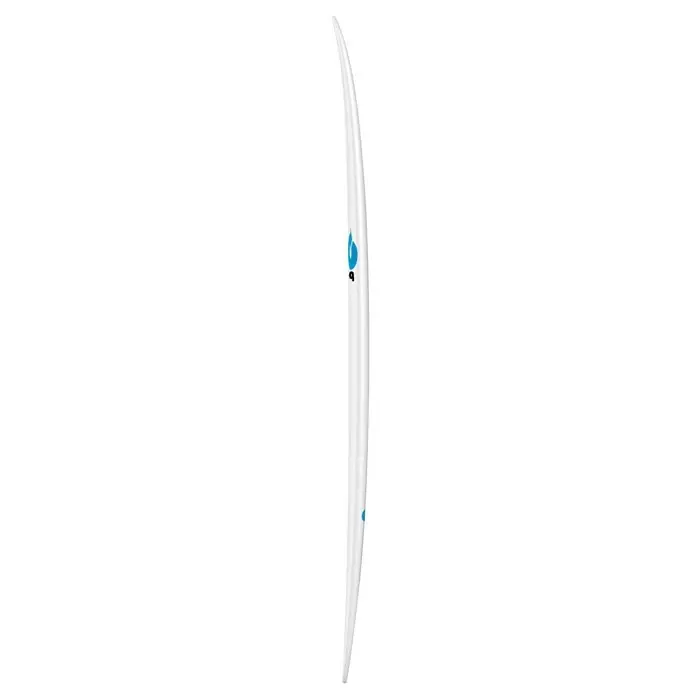
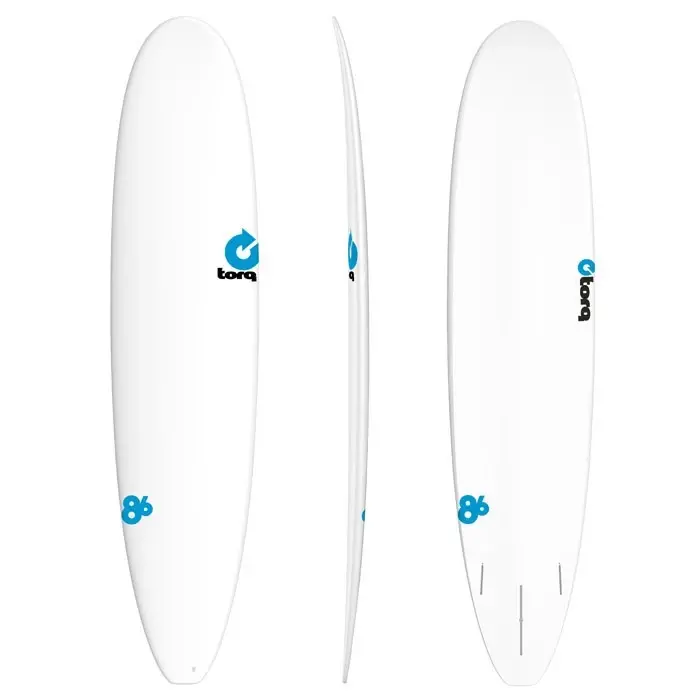
If you want to learn on a longboard — which I genuinely recommend for most adults, especially those who aren’t athletic teenagers — the Torq TET is the best entry-level option that doesn’t feel like a compromise. The epoxy-composite construction gives it the durability of a school board with something closer to a real surfboard’s feel. It’s heavier than a performance longboard, but for learning purposes, that weight translates into stability you’ll appreciate every time a wave catches the tail and tries to spin you.
What I Like:
- 9’0″ gives maximum wave-catching surface: Paddling onto waves becomes almost effortless — you’ll catch the same wave three times earlier than someone on a shorter board
- Epoxy construction is ding-resistant: Not a soft-top, but the epoxy finish handles bumps and scrapes better than traditional PU boards
- Genuine longboard shape: Teaches you proper longboard technique (cross-stepping, trimming) rather than just “surfing on a big board”
- Strong resale value: Torq boards hold their second-hand price well compared to budget alternatives
What Could Be Better:
- A hard-top board — you should add a soft fin set and be careful in the water until you’re confident
- 9’0″ is genuinely large to transport — roof rack or van is ideal
- More expensive than foam alternatives — but the construction justifies it
Best for: Adults who want to learn proper longboarding rather than just getting to their feet, surfers in locations with small, mushy waves where a longboard is the right tool, anyone serious about the longboard path of surfing
| Level | Volume | Dimensions | Price |
|---|---|---|---|
| Beginner–Intermediate | ~100L | 9’0″ × 23″ × 3.25″ | $650 / €615 |
Catch Surf Beater 5’6″ — Best for Kids
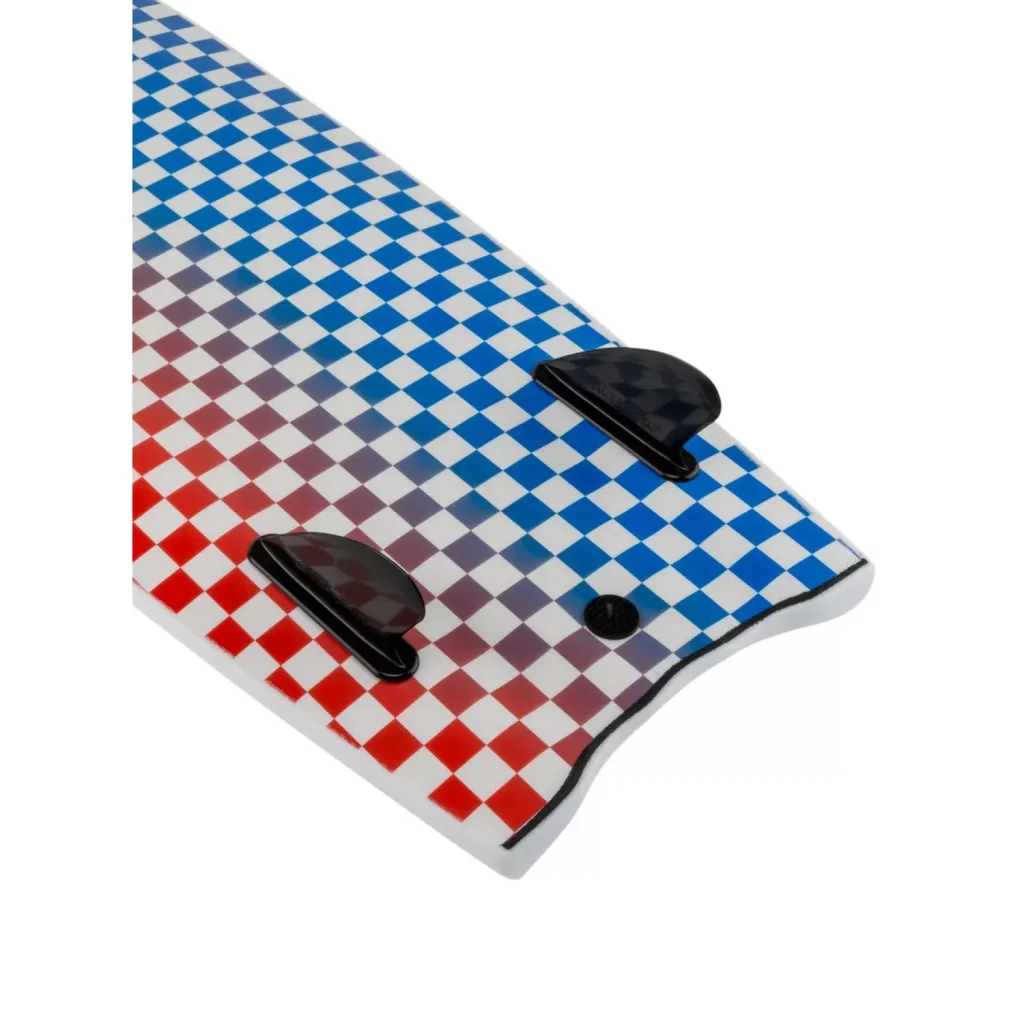
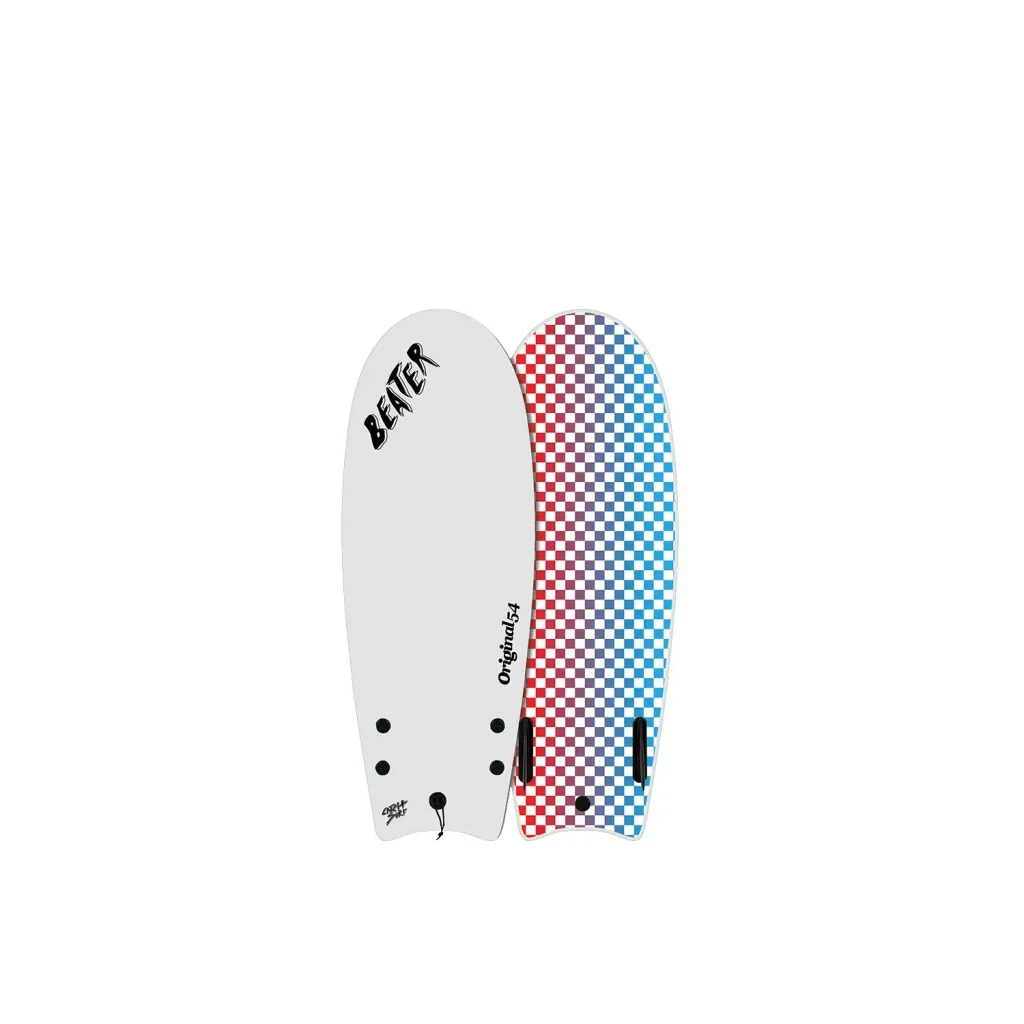
The Beater is a genuinely brilliant board for kids — short enough to be manageable for smaller riders, wide enough to be ridiculously stable, and soft enough to be completely safe when it hits them in the head (and it will). The egg-like outline maximises volume-to-length ratio, so a 5’6″ Beater floats a small child as well as an 8’0″ board would float an adult. I’ve watched kids who have never touched a surfboard stand up on their first wave on a Beater. It doesn’t get better than that for a first experience.
| Level | Volume | Dimensions | Price |
|---|---|---|---|
| Kids / Beginners | ~50L | 5’6″ × 22.5″ × 3″ | $189 / €178 |
Channel Islands CI Mid 7’6″ — Best Premium
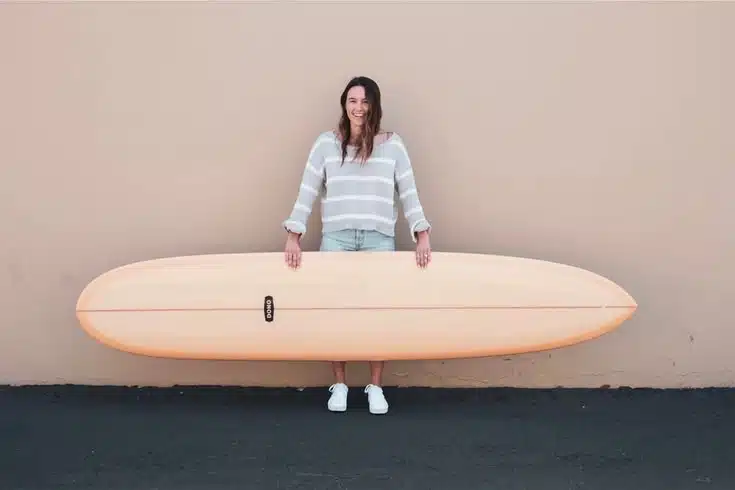
The CI Mid isn’t strictly a beginner board — it’s a mid-length that rewards surfers who’ve got the basics down and want something they won’t outgrow. I include it here because buying a mid-length from a serious shaper like Channel Islands at the start of your journey, rather than a budget foamie you’ll sell in six months, is a genuinely smart long-term investment for the right person. If you’re an adult beginner who’s already active (snowboarder, skateboarder, athletically confident) and knows surfing is going to become a real part of your life, starting on something like the CI Mid means you’ll never need to buy a “real board” — you’ll already have one.
| Level | Volume | Dimensions | Price |
|---|---|---|---|
| Beginner+–Intermediate | ~55–65L (size dependent) | 7’6″ × 22″ × 2.875″ | $795 / €750 |
How to Choose the Right Beginner Surfboard Size
The Volume Rule of Thumb
Volume is the single most reliable size indicator for beginners. The formula I use: take your weight in kilograms and multiply by 0.6–0.8. That gives you the minimum volume in litres. Then add 20–30% on top of that minimum because you’re a beginner — extra volume is almost always correct at this stage. A 75kg beginner who calculates 45–60L should actually target 65–80L. You will not be “too floaty.” Too floaty is not a beginner problem. Too little volume is a beginner problem.
Beginner Volume Guide by Weight
| Body Weight | Minimum Volume | Recommended for Beginners | Suggested Length |
|---|---|---|---|
| 45–55 kg (100–120 lbs) | 27–33L | 45–55L | 7’0″–8’0″ |
| 55–70 kg (120–155 lbs) | 33–42L | 55–70L | 7’6″–8’6″ |
| 70–85 kg (155–190 lbs) | 42–51L | 65–80L | 8’0″–9’0″ |
| 85–100 kg (190–220 lbs) | 51–60L | 75–90L | 8’6″–9’6″ |
| 100 kg+ (220 lbs+) | 60L+ | 85–100L+ | 9’0″–10’0″ |
Common Beginner Size Mistakes
The most common mistake is choosing based on aspiration rather than current ability — picking a board slightly too short because you plan to be surfing it at that level within a few months. That calculation almost never works out, and you’ll spend those months having harder sessions than you should. The second mistake is copying what friends ride. A friend on a 6’4″ shortboard who’s been surfing for five years is not a useful reference point for your equipment choices. Start with too much board, drop volume when your technique demands it.
Soft-Top vs. Hard-Top Surfboards: A Full Comparison
| Soft-Top (Foamie) | Hard-Top (Epoxy/PU) | |
|---|---|---|
| Safety | ✓ Soft rails and deck — forgiving on impacts | ✗ Hard edges — cuts and bruises from contact |
| Durability | ✓ No dings, handles rough handling | ✗ Dings easily, repairs needed |
| Performance | ✗ Less responsive, slower rails | ✓ More responsive, better feedback |
| Price | ✓ Generally cheaper | ✗ More expensive, especially quality shapes |
| Progression | ✓ Ideal for learning fundamentals | ✓ Better once fundamentals are solid |
| When to use | Beginner to early intermediate | Once popping up consistently |
When to Upgrade from Soft-Top to Hard-Top
The signal to move from a foamie to a hardboard isn’t about time — it’s about what your surfing is demanding. When you’re consistently riding waves to the shoulder, attempting (not necessarily landing) basic turns, and feeling like your board’s soft rails are the limiting factor rather than your technique, it’s time to look at hardboards. For most recreational surfers, that transition happens somewhere between six months and two years depending on frequency. If you’re surfing twice a week in good conditions, you might be ready in a season. If you’re holiday surfing once a year, stay on the foamie longer.
Budget Guide: What to Spend on Your First Surfboard
Entry-Level ($150–$300 / €140–€280)
This tier covers Wavestorm-type foamies, generic branded soft-tops from surf shops, and some basic epoxy funboards. The boards work — the Wavestorm in particular is a genuine learner’s board, not a toy. At this price point you’re compromising on construction longevity and fin quality, but you’re not compromising on function in any way that will hold back your learning. If you’re not sure surfing will become a habit, start here. The Wavestorm at $150 is one of the best value objects in all of sport.
Mid-Range ($300–$600 / €280–€570)
This is the sweet spot. At this price you can get a quality foamie (Catch Surf Odysea), a proper BIC Sport model, or a second-hand mid-length from a decent shaper. The boards in this range are better built, have better fins, and will last significantly longer. If you’re going to surf more than occasionally, spend here rather than at the budget tier — the cost-per-session maths works out in your favour quickly.
Premium ($600–$900+ / €570–€850+)
Premium beginner territory covers the Torq longboards, CI Mid types, and quality second-hand performance boards from serious shapers. I’d only recommend spending here if you’re confident surfing is a long-term pursuit and you understand what you’re getting. A $795 CI Mid ridden through beginner and intermediate phases is a better long-term investment than three sequential budget boards — but only if you actually stick with surfing consistently enough to justify it.
Where to Buy Your First Surfboard
Local Surf Shops
The best option if one exists near you. Local shop staff can assess your height, weight, and fitness and give you a genuine recommendation. You can hold the boards, check the fin setups, and often negotiate on price. Local shops also carry second-hand boards — a used board from a reputable shop at $250 will often be better than a new board at the same price from a big box retailer. Build the relationship with your local shop; it’ll pay off in advice and access for years.
Online Retailers
Reliable for known brands at competitive prices. Catch Surf, BIC Sport, and Torq all ship direct and through specialist online surf retailers. The risk with buying online is volume miscalculation — if you’re between sizes, a local shop can solve that in minutes; online you’re guessing. Stick to established brands with clear volume specs and return policies if buying without being able to try first.
Rent Before You Buy
If you’re taking a surf holiday, rent before committing to a purchase. Most surf camps in Portugal, Morocco, Costa Rica and France provide boards as part of the package. Renting different shapes across a week of lessons will tell you more about what works for your surfing than any amount of research online. Use that information to buy smart when you return home.
Should I Buy Used?
Yes, with conditions. A used soft-top foamie in good condition is a perfectly valid first board — foamies don’t ding, they just dent, and a dented foamie still works. For hard-top boards, inspect carefully: run your hand along the rails looking for sharp dings that have exposed foam, check the fins for cracks, press on the deck to feel for delamination (a hollow, soft feel under the glass). A well-maintained second-hand epoxy funboard at $200 will outperform a new budget board at the same price almost every time.
Surfboard Care and Maintenance for Beginners
Caring for Your Soft-Top
Rinse with fresh water after every session to remove salt. Salt left on the foam accelerates UV degradation and weakens the deck over time. Store out of direct sunlight — don’t leave it on the roof of your car in a sunny car park longer than necessary. UV is the enemy of foam construction; a board bag helps significantly. The deck of a soft-top will dent with repeated use (knee marks, pop-up hand marks) — this is normal and doesn’t affect performance. If the foam starts delaminating from the slick bottom, repair it with specialised foam board repair adhesive before water gets in.
Storage
Horizontal storage on a rack is ideal — vertical storage against a wall can cause pressure dents over time. Keep it away from heaters, radiators, and direct sun. A board bag is worth buying alongside your first board: it protects during transport, reduces sun exposure, and keeps the board clean between sessions. A basic day bag costs $30–50 and will extend the life of any board significantly.
Lifespan Expectations
A well-maintained soft-top will last 3–5 years of regular use. A budget soft-top will last 1–2 years before the construction starts compromising. A quality hard-top board that’s kept free of major dings and stored correctly can last 10+ years. The lifespan correlation with price is real — budget boards are budget because the materials and construction won’t hold up as long. That’s an acceptable trade-off for a first board; just know what you’re buying into.
What to Bring to Your First Sessions
- ☑ Wetsuit — water temperature dictates the thickness; most surf schools provide them, but owning your own is more hygienic and better fitting
- ☑ Surf hat — sun protection is underrated in surf; beginners spend more time sitting on boards in direct sun than experienced surfers
- ☑ Surfboard leash — attaches board to your ankle; comes with most boards but check before buying
- ☑ Surf wax — soft-tops often have traction pads, but a light coat of wax on any exposed areas improves grip significantly
- ☑ Reef-safe SPF 50+ — your face, neck, and ears get direct sun for the duration of every session
- ☑ Surf watch with tide tracker — tides shift wave quality dramatically; knowing the window helps you plan better sessions
Frequently Asked Questions
How much volume do I need as a beginner?
A solid starting point: multiply your weight in kilograms by 0.6 to get minimum volume, then add 25–30% on top because you’re a beginner. A 70kg beginner wants 42L minimum — but should actually target 55–70L. Extra volume makes learning dramatically easier and faster. You will not outgrow too much volume; you will struggle with too little.
Should I buy a used surfboard as a beginner?
Yes, if you’re buying a soft-top or a well-maintained epoxy funboard. Inspect carefully for delamination on hard-tops. A good used board at $200–250 is almost always a better buy than a new budget board at the same price. Check local surf shops, Facebook Marketplace, and Craigslist in surf towns — boards cycle through constantly.
What is the best surfboard size for beginners?
For most adults: 8’0″–9’0″ in length, 22″–24″ wide, 2.75″–3.25″ thick, 60–80L volume. Kids: 5’6″–7’0″ depending on size. Err longer rather than shorter — length adds paddling power and stability, which are the two things beginners need most.
When should I upgrade from my beginner board?
When your surfing is consistently demanding more from the board than it can give — when you’re riding waves to the shoulder regularly, attempting turns, and feeling that the soft rails or excess volume are limiting your technique rather than supporting it. That’s usually somewhere between six months and two years of regular surfing. Don’t rush it. Staying on the right board for longer is always better than switching too early.
Are soft-top surfboards good for beginners?
They’re genuinely the best option for most beginners. The safety argument alone is compelling — you will hit your board, and soft-top contact is a bruise while hard-top contact is a cut. Add the durability (no dings), the lower price, and the high-volume shapes that most quality foamies come in, and there’s no compelling reason to start on a hard-top unless you’re an athletic adult buying a quality mid-length you plan to surf long-term.
What are the best surfboard brands for beginners?
Catch Surf leads for quality foam construction and fun shapes. Wavestorm for pure budget value. BIC Sport for durability and availability in Europe. Torq for the step up to a proper epoxy shape. NSP (Not Specified Performance) also makes excellent beginner and intermediate boards at reasonable prices. All of these offer quality products with strong beginner volume specs — the brand matters less than making sure you’re buying the right size and construction for where your surfing actually is right now.