I used to think fins were fins. Then a friend swapped the stock set on my shortboard for a proper template, and the board felt like a different object in the water — looser in the turns, faster down the line, actually responding to what I was trying to do. That was the moment I started paying attention. After years of testing fin setups across shortboards, twins, longboards and everything in between, I’ve put together this guide to help you cut through the marketing and find fins that actually change how your board surfs.
Worth Knowing Before You Buy
- ✓ The best surf fins depend on three things: your board’s fin boxes, the waves you surf, and your style — not the brand logo
- ✓ Fin template (size, rake, foil) matters more than material — a well-chosen fibreglass fin beats a wrong-shape carbon one every time
- ✓ FCS II and Futures are the two dominant systems — they’re not cross-compatible, so check your boxes before buying
- ✓ Larger, stiffer fins = drive and hold. Smaller, more flexible fins = looseness and speed in small surf
- ✓ Budget $50–$120 for a quality thruster set that will genuinely change how your board rides
Quick Guide — Best Surf Fins
- Best overall thruster: FCS II Performer PC — Balanced, all-wave, genuine do-it-all set ($115 / €108)
- Best performance shortboard: Futures Blackstix 3.0 — Carbon construction, tournament-grade feel ($150 / €142)
- Best for small waves: FCS II Mick Fanning Tri — Looseness and speed when waves are mushy ($120 / €113)
- Best twin fin: True Ames Greenough 4A — Classic keel template, fish board essential ($85 / €80)
- Best longboard single fin: True Ames Greenough Classic 9″ — Flex and drive for traditional longboarding ($90 / €85)
- Best budget: Dorsal Performance Core Thruster — Genuine value for starter or spare sets ($35 / €33)
- Best quad set: Futures Rasta Quad — Drive, speed and hold for fish and step-ups ($130 / €123)
Why Your Fin Choice Matters More Than You Think
Fins are the most underrated piece of surf equipment. A surfer will spend $800 on a board, another $400 on a wetsuit, and then ride whatever stock fins came in the box without a second thought. That’s a mistake. The fin is the only part of your setup that’s actually gripping the water while you’re turning — everything else rides on top. Swap a board’s fins and you change how it paddles, how it generates speed, how it holds a line through a bottom turn, and how it releases off the top. It’s the closest thing to an instant tuning dial surfing has.
What you don’t need is to own twenty sets. You need to understand what fin characteristics do, pick a setup that matches your board and the waves you actually surf, and then maybe own one or two additional sets for specific conditions. This guide is structured around that logic.
Understanding Surf Fin Anatomy
Base, Depth and Sweep: The Three Measurements That Matter
Base is the length of the fin where it meets the board. A longer base = more drive and hold, especially in powerful waves. A shorter base = easier release, looser feel, better for weak surf.
Depth (also called height) is how far the fin extends into the water. Deeper fins grip harder; shallower fins release more easily.
Sweep (or rake) is the angle the fin leans back. More rake = smoother, more drawn-out turns. Less rake (more upright) = tighter, pivot-style turns.
These three numbers tell you more about how a fin will feel than the marketing copy ever will. A small base, upright template fin will surf completely differently to a large base, raked-back template fin — even from the same brand, in the same material.
Foil
The foil is the shape of the fin’s cross-section — flat on one side, curved on the other, or symmetrical. Side fins (in a thruster) are usually foiled flat on the inside and curved on the outside, which generates lift and drive as water flows over them. The centre fin is typically symmetrical because it works equally in both directions. You don’t need to think about foil much as a buyer — brands engineer it — but it’s one of the hidden reasons good fins feel noticeably better than cheap ones.
Cant and Toe
Cant is the outward tilt of the side fins (away from vertical). More cant = more responsive to rail-to-rail transitions, looser feel. Less cant (more vertical) = more drive and straight-line speed.
Toe is the angle the fin’s leading edge points toward the nose. Toe creates lift and responsiveness through turns. Both cant and toe are built into the board’s fin boxes, so as a fin buyer you don’t adjust these — but understanding them helps you read why different boards feel different under your feet.
Flex and Material
Flex is the fin’s ability to bend under load. Stiffer fins return energy faster — they feel snappy, direct, responsive. Softer, more flexible fins load up through turns and release the energy on exit, giving a smoother, more drawn-out feel. Material drives flex: fibreglass is classic and balanced, carbon is stiffer and more responsive, composite and honeycomb materials sit between the two. I’ll cover materials properly in the dedicated section below.
Surf Fin Types Explained: Thruster, Twin, Single, Quad, and 5-Fin
Thruster Fins (Three-Fin Setup)
The thruster is the default for most modern shortboards and the most versatile setup in surfing. Two side fins (equal, angled inward) plus one centre fin (straight, slightly smaller) give you drive, hold, and the ability to pivot off the tail. If you ride one board and one set of fins for everything, a well-chosen thruster set is the answer. Almost every fin system (FCS II, Futures, FCS Original) has thruster-optimised templates across their entire range. If your board has three boxes, this is where most people start.
Surf Twin Fins
Twin fins — two side fins, no centre — are what fish boards, retro shapes, and many mid-lengths use. The absence of a centre fin dramatically changes the feel: faster down the line, looser in the turns, but with less hold through the bottom turn in powerful waves. Twin fins come in two broad templates: traditional keels (long base, low rake, raw speed and glide) and modern upright twins (shorter base, more vertical, closer to a thruster feel but without the drag of the centre fin). Which one you want depends entirely on your board. Fish and classic twins want keels; performance twins want upright templates.
Longboard Surf Fins (Single Fins)
Longboard single fins are where fin choice matters most dramatically. A longboard with the wrong fin feels stuck and lifeless; the right fin turns the same board into something that glides, pivots, and holds through nose rides. Length is the first decision: 8″–10″ is the standard range for most longboards. As a general guide, match the fin depth in inches roughly to the board length in feet — 9″ for a 9’0″, 10″ for a 10’0″. Templates break into three broad categories: pivot fins (upright, for aggressive turning), flex fins (raked, for drive and smooth cutbacks), and traditional D-fins (long base, large area, for classic trim surfing). Most recreational longboarders want a mid-size flex fin around 9″.
Quad Fins
A quad is four fins — two in the standard side positions, two more closer to the rails behind them, with no centre fin. Quads generate speed through the middle of the board and hold a line well in powerful, fast waves. They’re particularly effective in hollow point break surf and step-up boards designed for overhead conditions. The downside is that quads don’t pivot off the tail the way a thruster does — cutbacks feel different, and the board wants to run in a line rather than snap. If you have a 5-fin board, you can swap between thruster and quad to see which feels better for any given day.
5-Fin Systems
A 5-fin setup isn’t a fin arrangement you ride all at once — it’s a board with five fin boxes that accepts either a thruster or a quad configuration depending on what you put in. Most modern shortboards come 5-fin for exactly this reason. The flexibility is worth having: thruster for typical conditions, quad for powerful or hollow waves, or a 4-fin quad with the rear two closer together for a different feel again. You’ll need separate thruster and quad sets (or buy a 5-fin pack) to take advantage.
My Top 7 Surf Fin Picks for 2026
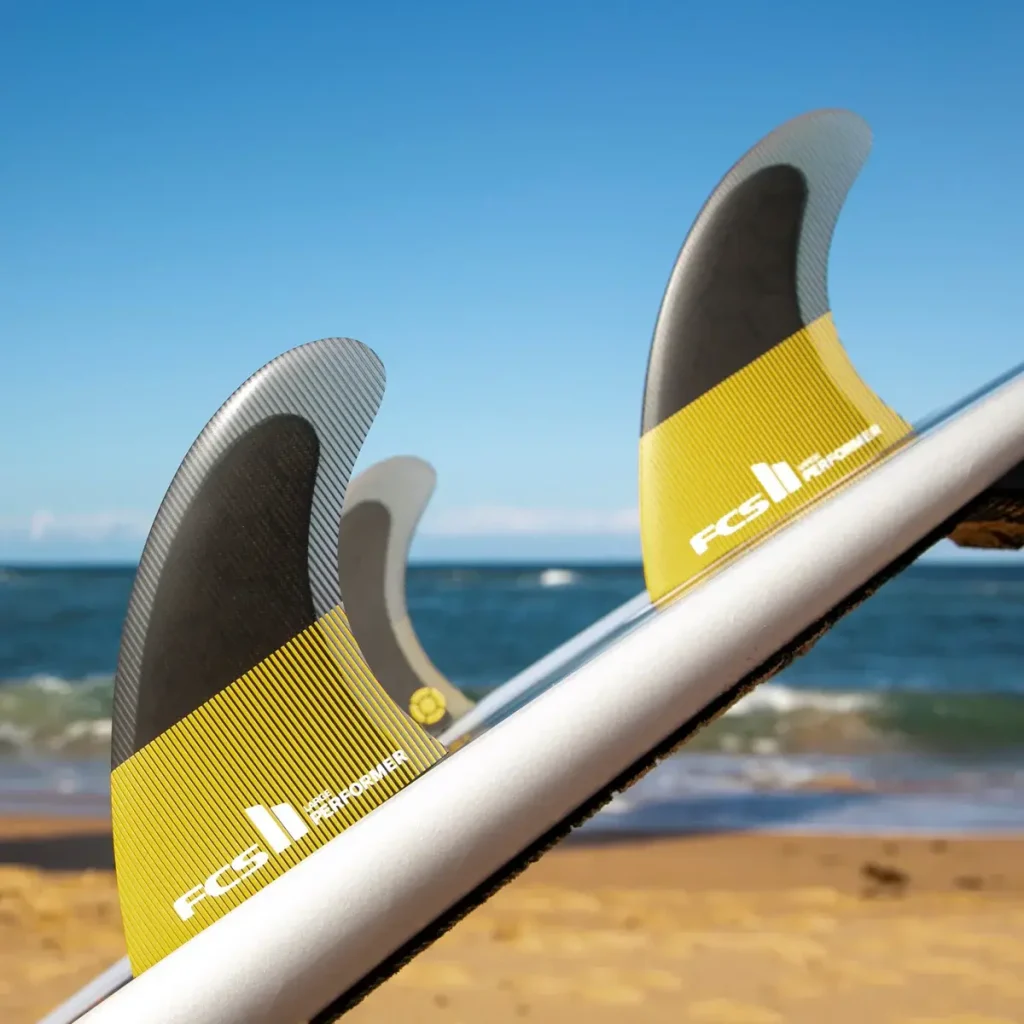
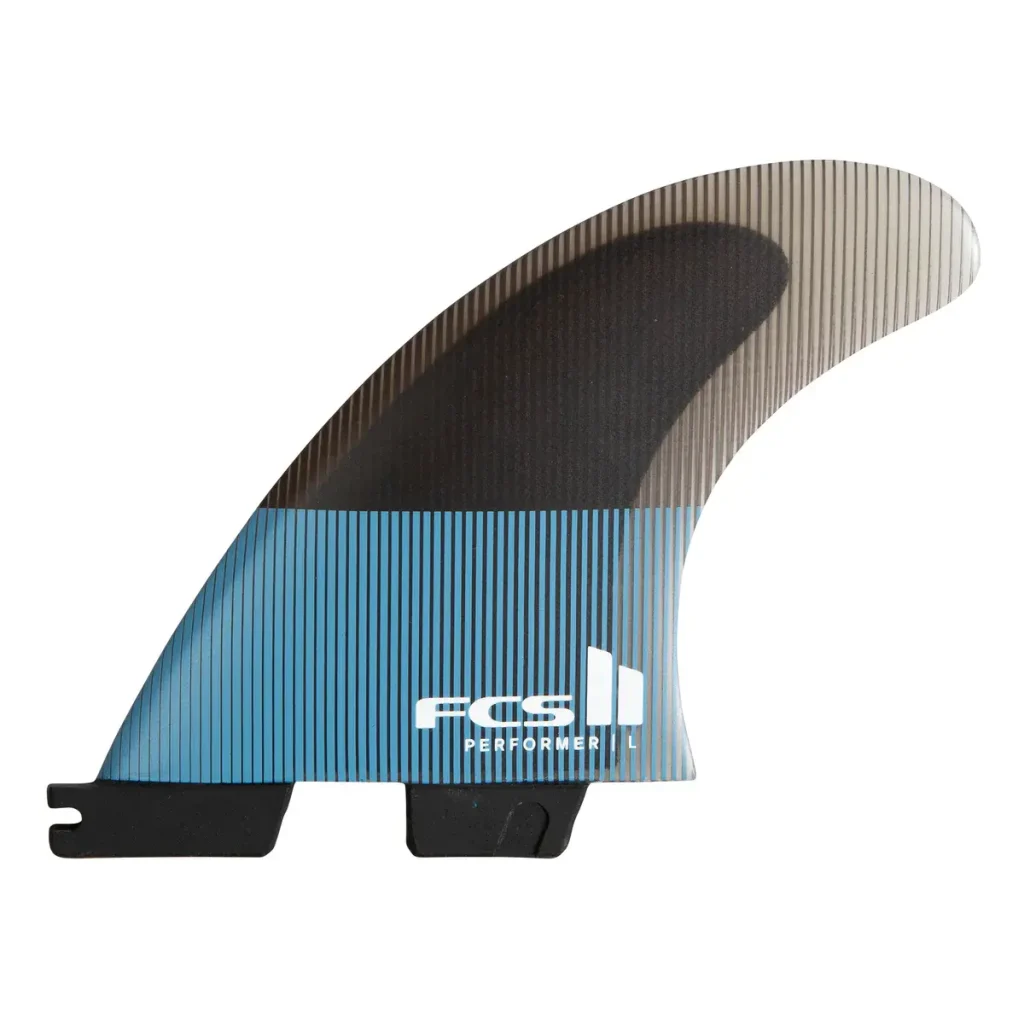
FCS II Performer PC — Best Overall Thruster
What I Like:
- The most balanced fin set I’ve tested: The Performer template is genuinely neutral — drive without being stuck, release without feeling loose — which makes it the best “first serious fin set” for most surfers
- PC (Performance Core) construction is the sweet spot: Stiffer than plastic, more forgiving than carbon, and noticeably better value than full glass
- FCS II system is genuinely faster to swap: No screws, no key, fins click in and hold reliably — if you’re changing fins between sessions, the time saved adds up
- Works across conditions: Waist-high summer to overhead winter, this set doesn’t become the limiting factor
- Medium size covers 75–90kg surfers: Size-appropriate for most adult surfers; smaller and larger templates available
What Could Be Better:
- FCS II only — incompatible with Futures boxes, so check before buying
- Not the lightest or stiffest in the FCS range — specialists will prefer the AirCore or Carbon versions
- At $115 it’s not cheap, but cost-per-use over 2+ years is reasonable
Best for: Surfers with FCS II boxes wanting one set that does everything well, upgrading from stock plastic fins, intermediate to advanced shortboarders on performance or performance hybrid shapes
| System | Construction | Size Guide | Price |
|---|---|---|---|
| FCS II Thruster | Performance Core (PC) | S (55–70kg) / M (65–80kg) / L (75–90kg) | $115 / €108 |
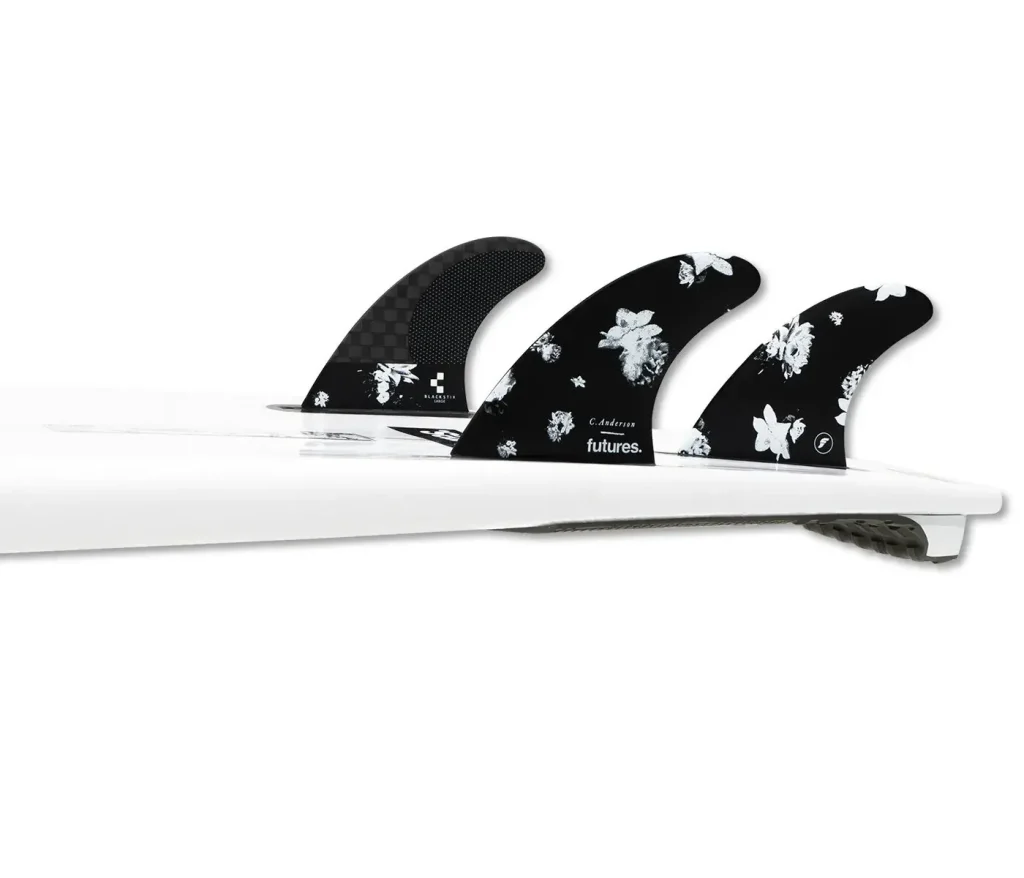
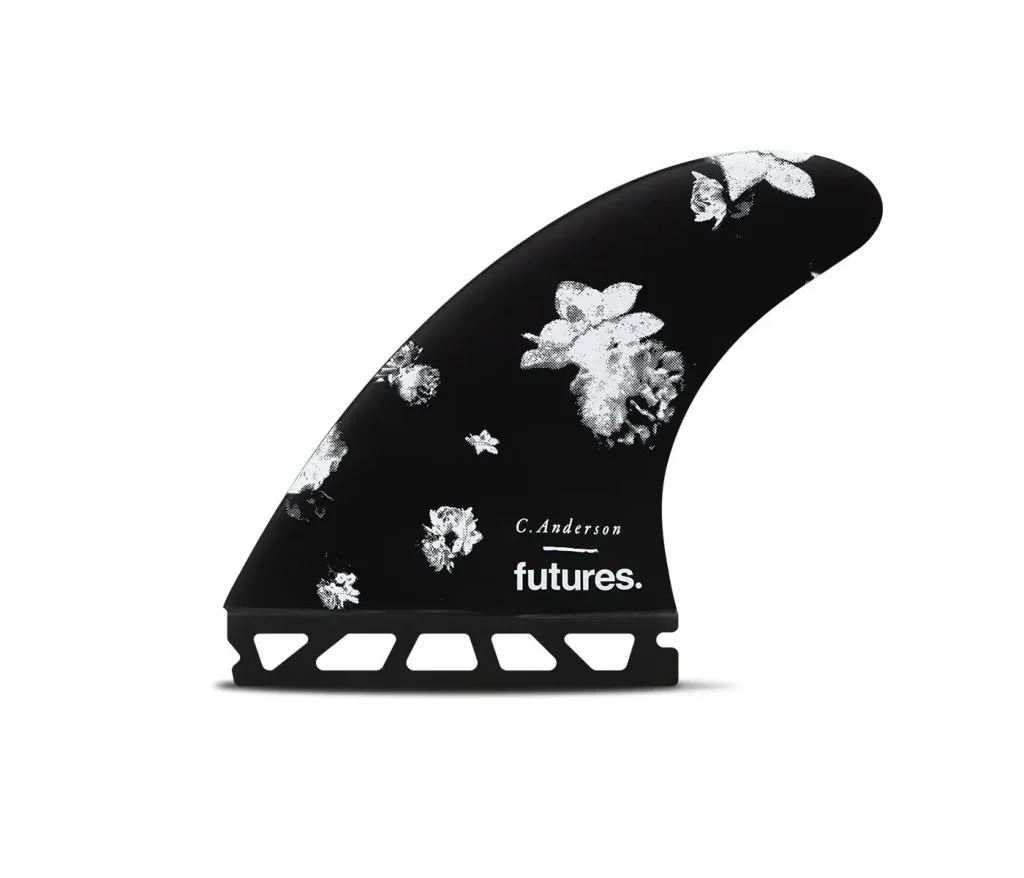
Futures Blackstix 3.0 — Best Performance Shortboard Fin
What I Like:
- The lightest quality thruster set I’ve ridden: Carbon construction drops weight noticeably off the tail of the board — you feel the difference instantly on the first wave
- Stiffness plus flex in the right places: Blackstix use V2 Foil technology that keeps the fin base rigid while allowing the tip to flex — loading through turns without losing directional hold
- Template is performance-shortboard focused: Medium rake, medium base — biased toward tight pocket surfing and aggressive turns rather than trim and glide
- Futures box system is rock-solid: Single screw, tight fit, no movement in the box — if you notice stock fins flexing sideways in the boxes, Futures solves that
- Genuinely felt improvement over stock: The difference between a Blackstix set and the plastic stock fins most boards ship with is like upgrading tyres on a sports car
What Could Be Better:
- Expensive at $150 — you need to actually be pushing your surfing for the difference to justify the price
- Carbon can chip or crack on hard impacts with rocks or other boards — treat them carefully
- Futures only — not cross-compatible with FCS boxes
Best for: Advanced shortboarders who feel stock fins holding them back, competitive or pre-competitive surfers, Futures box owners willing to pay for performance gear
| System | Construction | Size Guide | Price |
|---|---|---|---|
| Futures Thruster | Carbon (V2 Foil) | S / M / L | $150 / €142 |
FCS II Mick Fanning Tri — Best Surf Fins for Small Waves
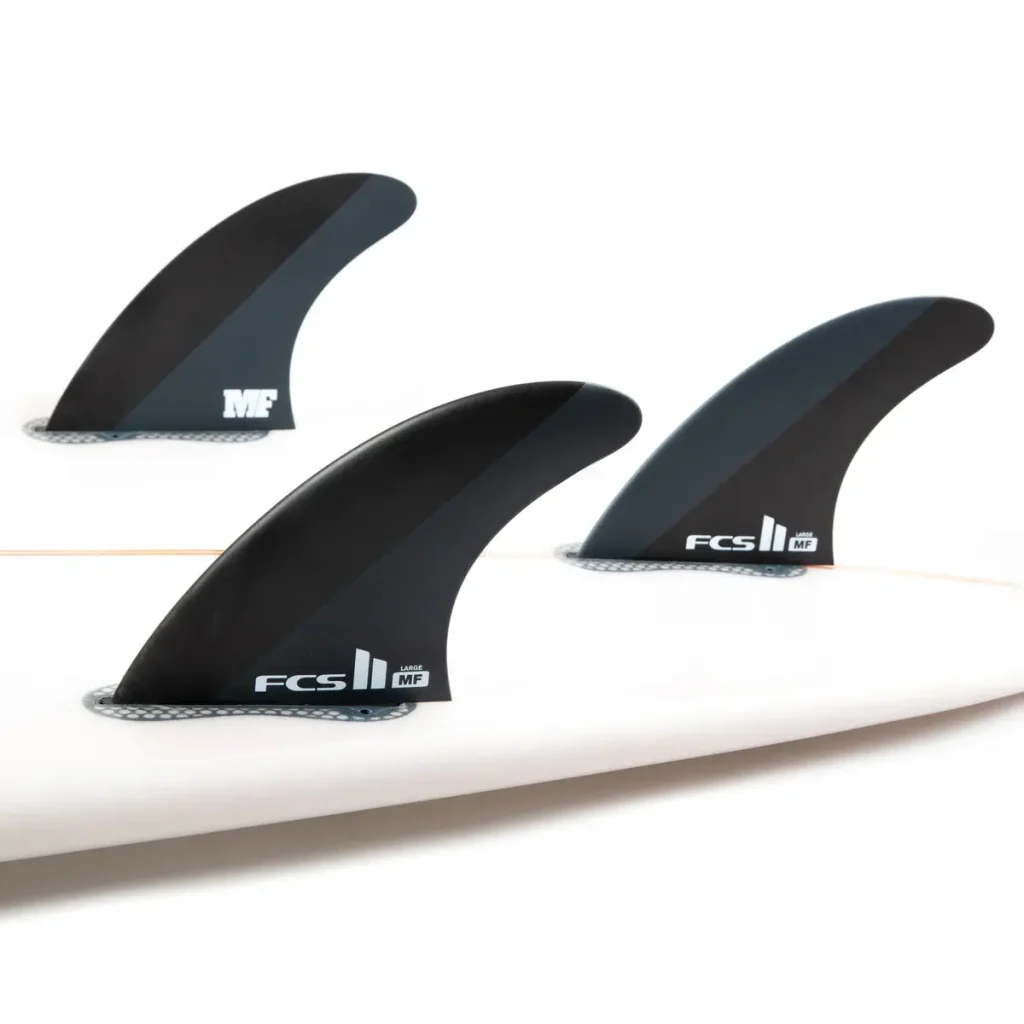
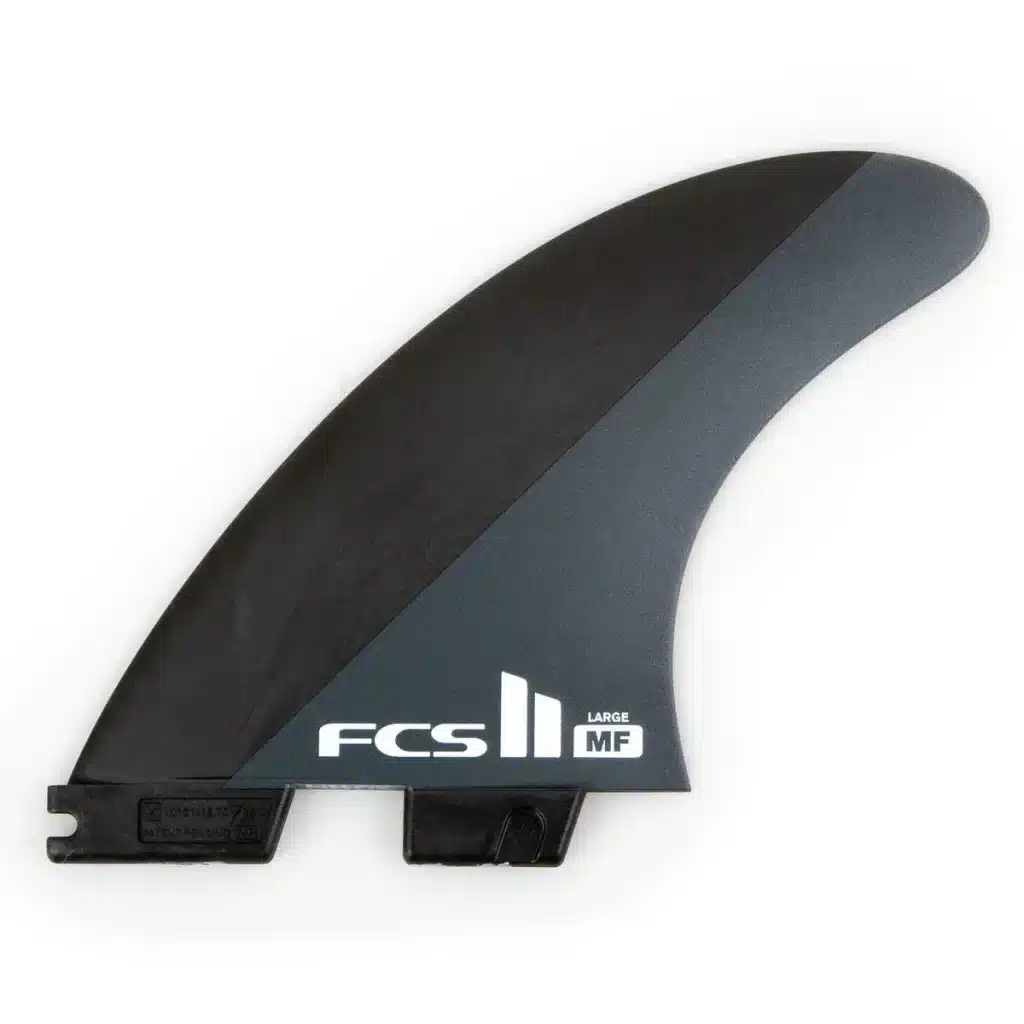
Small waves punish performance fins. The drive and hold that make a Blackstix set feel incredible in head-high surf become drag when you’re trying to generate speed on a knee-high day. The Mick Fanning Tri solves that — smaller template, more flex, designed specifically for the kind of soft, weak surf most of us actually surf 80% of the year. When the waves are mushy, this is the set that keeps your board alive.
What I Like:
- Purpose-built for weak waves: Smaller base, more rake, generates speed from the smallest amount of wave energy
- Looseness without losing control: The template releases easily off the top but still has enough hold for confident bottom turns
- Pairs well with grovelers and small-wave shapes: If your summer board is a fish or a small-wave performance shape, this fin set is the match
- Mick Fanning name isn’t just marketing: The template was genuinely refined by one of the best small-wave surfers in competition history
Best for: Summer surfers in small-wave regions, surfers with dedicated small-wave boards, anyone whose home break is knee-to-waist high most of the time
| System | Construction | Size Guide | Price |
|---|---|---|---|
| FCS II Thruster | Performance Core | M (65–80kg) | $120 / €113 |
True Ames Greenough 4A — Best Twin Fin
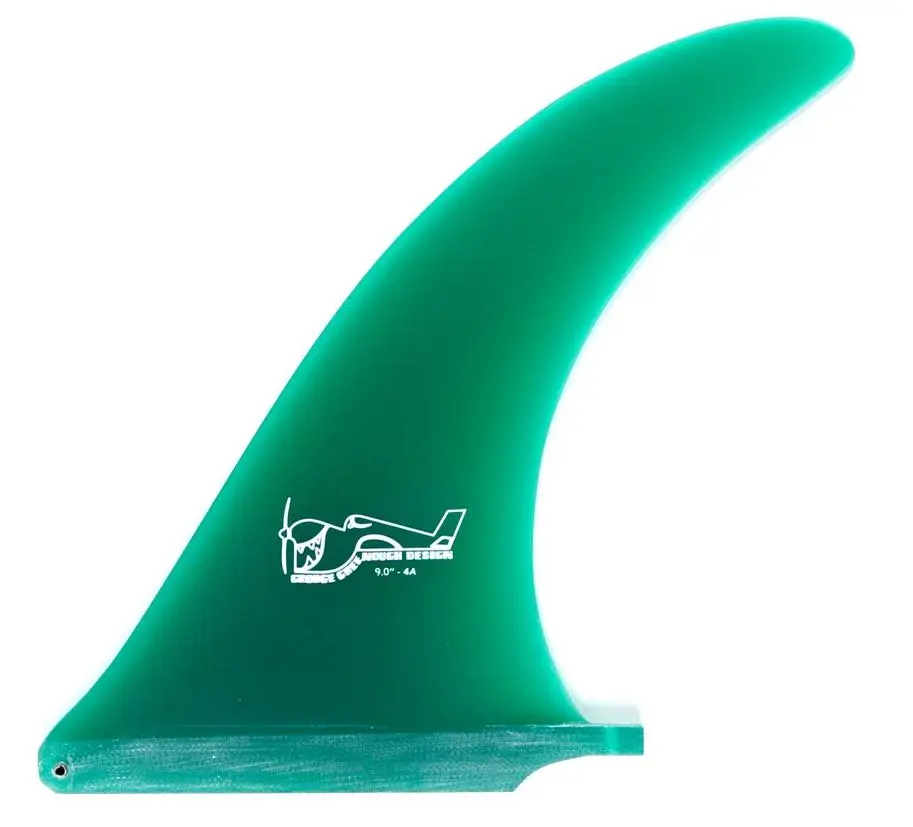
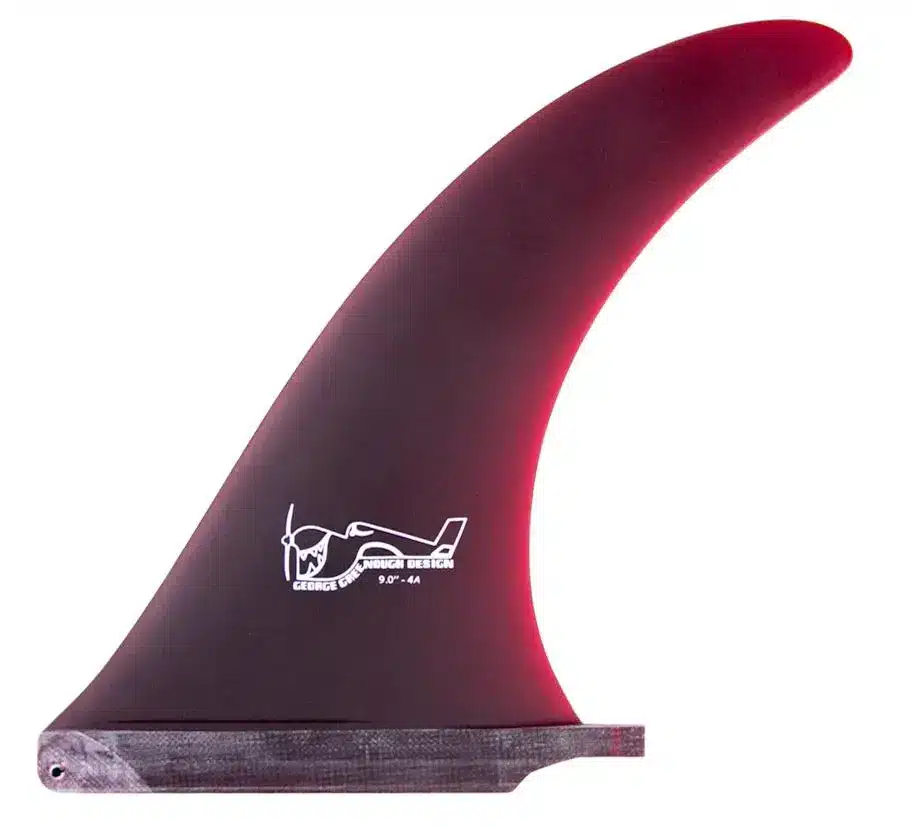
If you ride a fish, a classic twin, or a mid-length twin, the Greenough 4A is the template most shapers have in mind when they design the board. True Ames built their reputation on traditional fibreglass fins made in Goleta, California, and the 4A keel is one of the all-time classic templates — long base, low rake, generating the flowing, drawn-out lines that make twin fin surfing feel like a completely different discipline from thruster surfing.
What I Like:
- The reference keel template: If you read about keel fins online, the 4A is what they’re usually describing — it’s the benchmark
- Hand-finished fibreglass: True Ames fins are made in small batches in California — the finish is noticeably better than mass-produced alternatives
- Genuine drive down the line: Fish boards with the right keels feel unlike anything else in surfing — speed and flow rather than tight turns
- Available in multiple box systems: FCS Original, FCS II, Futures, and standard longboard boxes — check your board before ordering
What Could Be Better:
- Not a “modern performance” fin — it surfs a specific way, and you’ll want different keels if your twin fin is shortboard-style rather than traditional
- Fibreglass is more brittle than composite — treat them carefully
- Price varies by system — FCS II versions cost more than Futures or Original FCS
Best for: Fish board owners, traditional twin fin riders, mid-length twin fin setups, anyone who surfs with style and flow rather than aggressive turning
| System | Construction | Size | Price |
|---|---|---|---|
| FCS / Futures keel | Fibreglass | Single size (keel) | $85 / €80 |
True Ames Greenough Classic 9″ — Best Longboard Single Fin
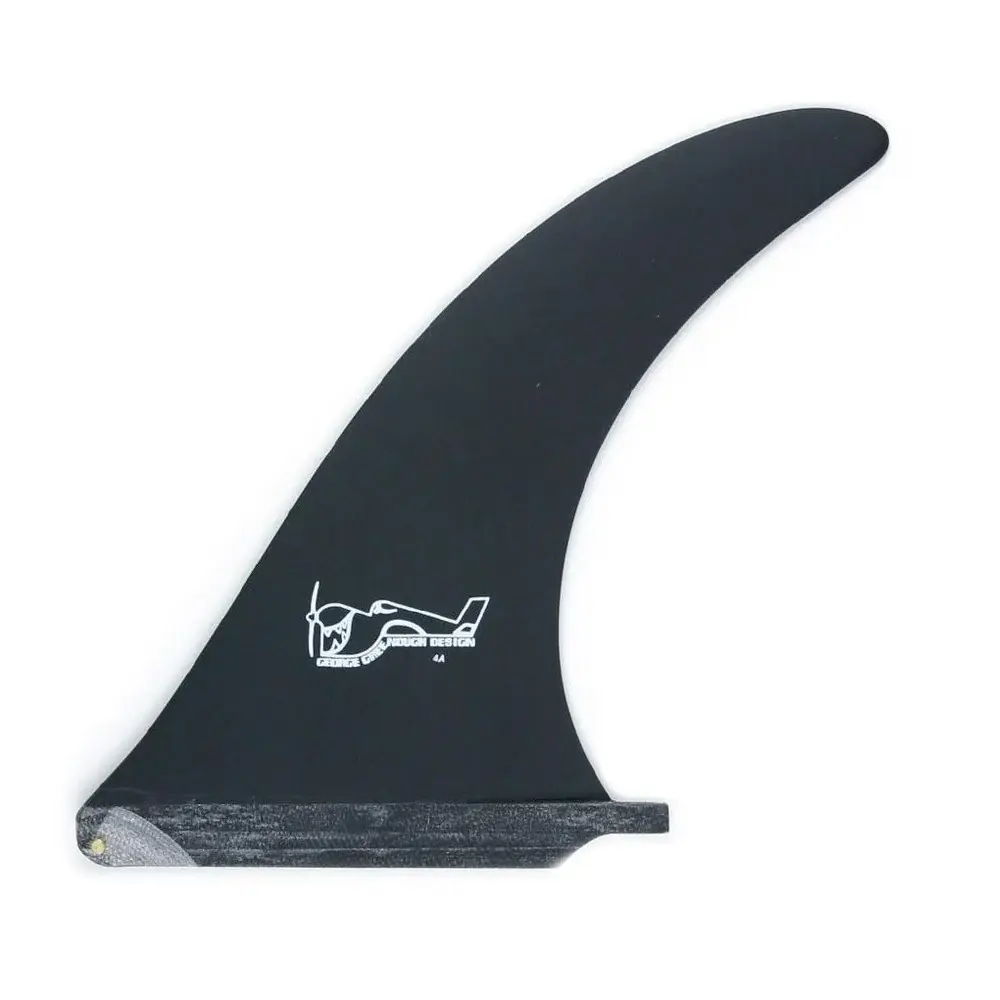
The Greenough Classic is a flex fin template that changed longboarding in the 1960s and has stayed essential ever since. It’s a flex fin — meaning the fin is designed to load and release energy through turns, adding drive to cutbacks and smoothness to trim riding. If your longboard came with a generic centre fin and you’ve never experienced a proper flex fin, this is the single upgrade that will make your longboard feel like an entirely different board.
Best for: Longboarders wanting drive and flex, surfers moving from log-style to more progressive longboarding, anyone with a modern high-performance longboard
| System | Construction | Size | Price |
|---|---|---|---|
| Standard longboard box | Fibreglass flex | 8″, 9″, 10″ | $90 / €85 |
Dorsal Performance Core Thruster — Best Budget
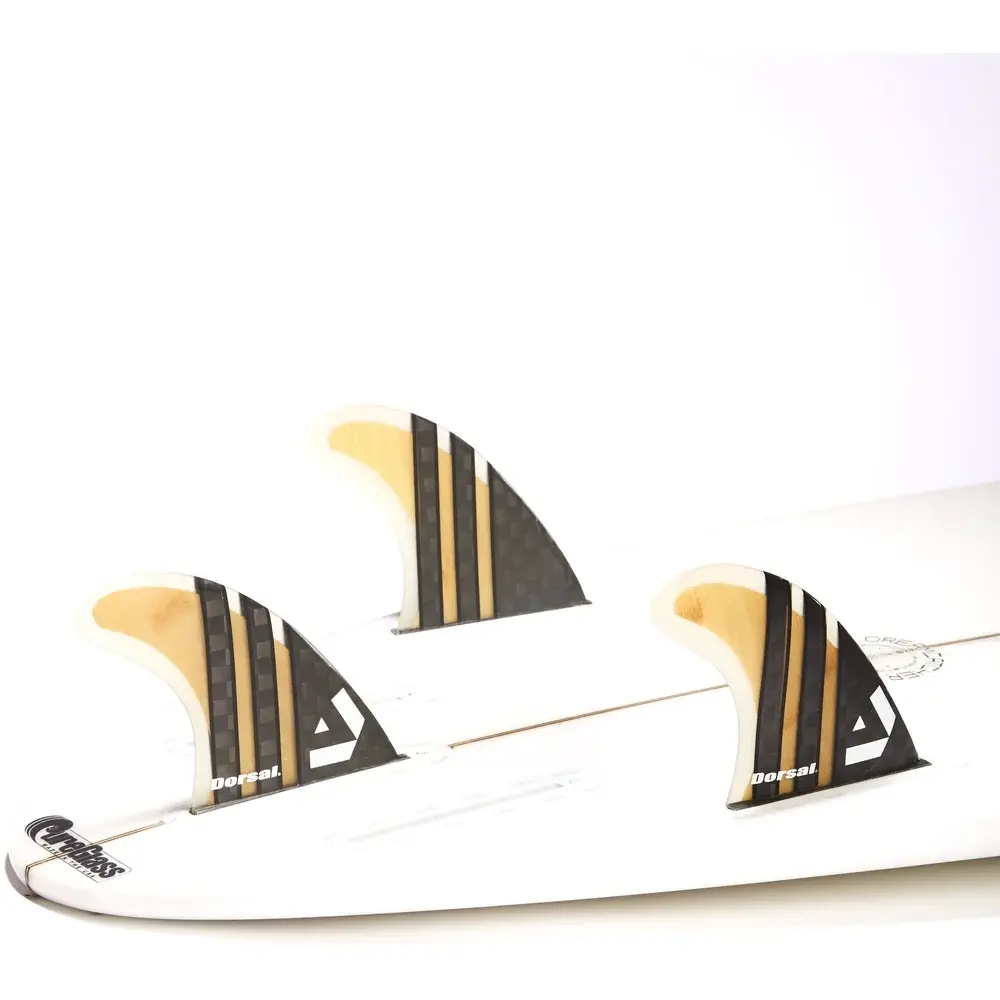
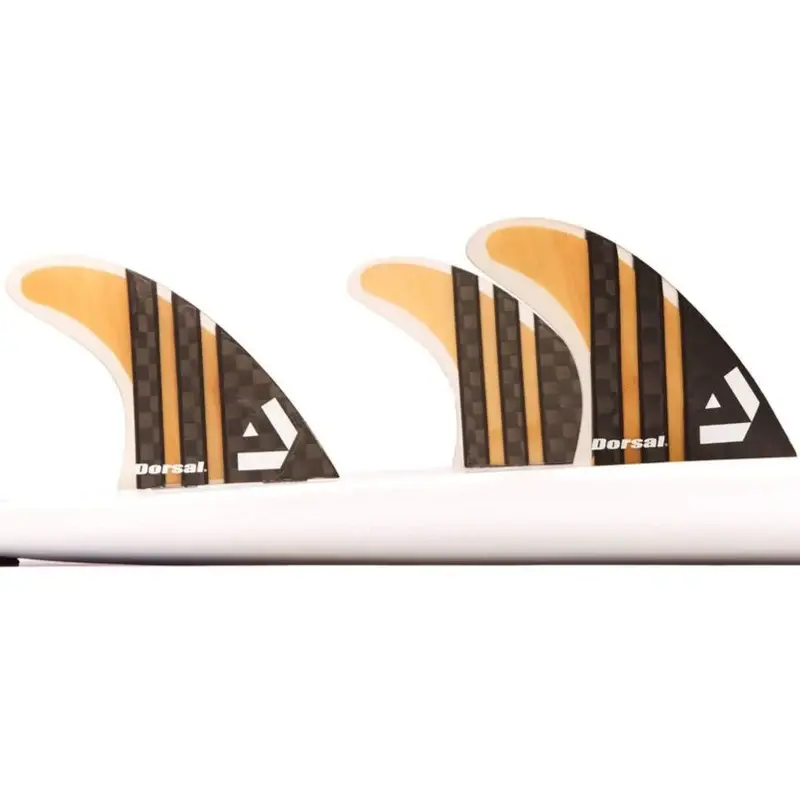
Dorsal makes solid, affordable fins that match the FCS and Futures box systems without the premium brand pricing. Are they as good as Blackstix or FCS Performer sets? No. Do they cost a third of the price and feel significantly better than the plastic stock fins that come on most boards? Yes. If you’ve just bought a board and the stock fins are cheap plastic, a Dorsal PC set is the most cost-effective upgrade in surfing. They’re also the set to buy if you want a spare that lives in your travel bag or your car.
| System | Construction | Size | Price |
|---|---|---|---|
| FCS-compatible / Futures-compatible | Performance Core composite | M / L | $35 / €33 |
Futures Rasta Quad — Best Quad Set
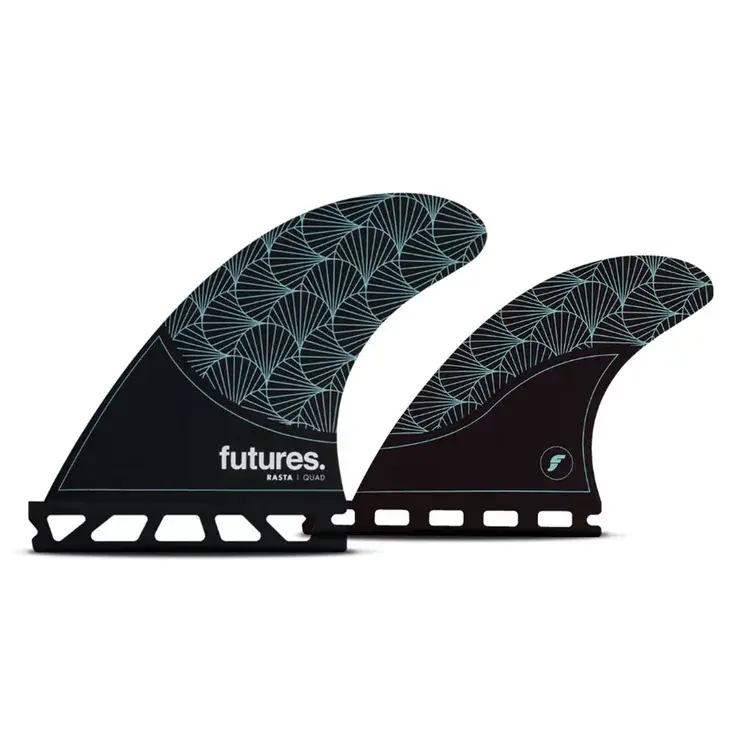
Quads are their own thing, and getting the template right matters more than it does with thrusters because there’s no centre fin to balance out poor fin selection. The Futures Rasta Quad set — designed with Dave Rastovich — is the set most shops recommend when you ask for a quad recommendation, and the reason is simple: it works. The combination of generous front fins and slightly smaller rear fins gives drive through the centre of the board without locking it into straight lines. If you have a 5-fin board and want to try quad mode, start here.
Best for: Fish boards in powerful surf, step-ups in hollow waves, 5-fin boards where you want a genuine quad option, surfers who want drive and speed over tight pocket turning
| System | Construction | Size | Price |
|---|---|---|---|
| Futures Quad | Honeycomb composite | Single size | $130 / €123 |
Fin Systems Compared: FCS vs. FCS II vs. Futures
The fin system is determined by your board’s fin boxes, not by your choice. Before you buy any fin, check what your board has — this is the single most common buying mistake. FCS boxes take FCS Original fins (screw-in, two tabs). FCS II boxes take FCS II fins (tool-free, click-in). Futures boxes take Futures fins (single screw, one long tab). These three systems are not cross-compatible. FCS does make “FCS II compatible” fins in their Original line, and some FCS II fins can be retrofitted into FCS Original boxes, but broadly speaking: know your system before you shop.
| FCS II | Futures | FCS Original | |
|---|---|---|---|
| Install | Tool-free click-in | Single screw | Two screws |
| Box profile | Two small rounded boxes | One long rectangular box | Two small rectangular boxes |
| Stability | Very good | Excellent (single-box) | Good |
| Ease of swap | Fastest | Requires key | Requires key |
| Fin range | Huge | Huge | Good (legacy) |
| Typical price range | $30–$180 | $30–$180 | $25–$150 |
Which is best? Honestly, neither — they’re both excellent systems with full fin ranges covering every template and material. FCS II wins on ease of swapping; Futures arguably wins on box stability (single long box vs. two short boxes). Pros ride both. Your board dictates the system; your fin choice within that system is what matters.
Fibreglass Surf Fins vs. Carbon vs. Composite: Materials Explained
Fibreglass
Classic fin material. Fibreglass fins have a specific feel — balanced flex, smooth response through turns, and a sort of “broken in” quality even when new. True Ames built their reputation on hand-finished fibreglass, and there’s a reason traditionalists still prefer them. Weakness: fibreglass is more brittle than composite, and a hard rock strike or collision can crack one. If you surf reefs or rocky shore breaks regularly, factor in potential replacements.
Carbon
Carbon fin construction drops weight significantly and increases stiffness. On a performance shortboard with a strong surfer, carbon fins feel like an instant upgrade — faster response, more drive, more direct feedback from the board. On a less experienced surfer or a non-performance board, the added stiffness can feel harsh and less forgiving. Carbon is also more expensive and more fragile than composite.
Composite and Honeycomb
Composite (often called PC, Performance Core, or similar brand names) uses a plastic or honeycomb core with glass or other materials bonded around it. This delivers most of the performance of fibreglass at lower cost and with better durability. Honeycomb construction takes this further — a hex-cell internal structure reduces weight while maintaining stiffness. For most surfers, composite and honeycomb are the best value-to-performance material class — cheaper than carbon, tougher than pure fibreglass, with feel that’s within 10% of either.
Eco-Friendly Fin Options
A growing number of brands — including Futures with their Alpha and Techflex lines — are using recycled plastic and bio-based resins. Performance is within striking distance of traditional composites. If sustainability matters to you, these options have caught up significantly; it’s no longer a case of compromising on ride quality to make a greener choice.
How to Choose the Right Fins for Your Board and Style
Match Fins to Your Weight
Fin size is largely driven by body weight. Every brand publishes a weight-size chart — take them seriously. A Medium-sized fin on an 85kg surfer will feel noticeably loose; a Large-sized fin on a 60kg surfer will feel stuck and heavy. Rough guide: Small (under 70kg), Medium (70–85kg), Large (over 85kg). These are starting points, not absolutes — stylistic preference can move you one size either way.
Match Fins to Wave Conditions
| Condition | Fin Characteristics | Example |
|---|---|---|
| Small, weak surf (knee–waist) | Smaller, more flex, more rake | FCS II Mick Fanning, Futures Small Rasta |
| All-round (waist–head high) | Medium template, balanced flex | FCS II Performer, Futures F6 |
| Powerful (head high+) | Larger base, stiffer, more hold | FCS II Carver, Futures John John Florence |
| Hollow, fast waves | Quad setup preferred | Futures Rasta Quad, FCS II Pyzel Quad |
| Longboard/mellow waves | Flex single fin | True Ames Greenough 9″ |
Match Fins to Your Level
Beginners genuinely don’t need to think about fins — stock fins on a foamie or beginner board are fine while you learn to catch waves and stand up. Once you’re riding waves to the shoulder and starting to try turns, a proper mid-range set (FCS II Performer PC, Futures F6) is the first upgrade that will noticeably change your surfing. Save premium carbon sets for when your surfing has genuinely outgrown mid-range fins — typically when you can feel specific limitations and know what you want to fix.
Surf Fin Maintenance and Care
Fins require minimal care, but a few habits significantly extend their life. Rinse after every session — salt accelerates corrosion on screws and can fade colour on printed fibreglass. Never leave them in a hot car in direct sun for extended periods; heat warps composite construction. Check fin screws monthly and replace any that show corrosion — a loose fin at the wrong moment can crack your fin boxes. When you notice fins losing their edge or showing small cracks near the base, it’s time to replace. Well-maintained composite fins last 3–5 years of regular use; carbon fins are more fragile and may last shorter periods. Fibreglass lasts indefinitely if you don’t hit rocks.
Surf Fin Checklist — Before You Buy
- ☑ Confirm your board’s fin box system (FCS II, Futures, FCS Original, standard longboard)
- ☑ Check the recommended weight size for the template (S/M/L)
- ☑ Match fin template to wave conditions where you actually surf
- ☑ Pick a material appropriate to your level (composite for most, carbon for advanced)
- ☑ For 5-fin boards, consider buying a thruster set and a quad set for flexibility
- ☑ Have a spare fin key on hand — Futures and FCS Original both require one
- ☑ If you surf multiple board types (watching the tide, checking the forecast, planning surf trips), build a quiver of setups rather than constant swapping
Frequently Asked Questions
What fins should I start with as a beginner?
Stick with the stock fins that came with your board until you’re consistently riding waves to the shoulder. Once you’re past that point, an FCS II Performer PC set or a Futures F6 set (depending on your box system) is the standard first upgrade. Both deliver a significant improvement over basic plastic stock fins at a reasonable price.
Can I mix fin brands on the same board?
Within the same fin system, technically yes — but I don’t recommend it. Running an FCS II side fin from one brand with a centre fin from another will work mechanically but produces an unbalanced feel. Stay consistent within a set. Different sets for different boards, different conditions — absolutely yes.
How often should I replace my surf fins?
When they’re actually worn out — not on a fixed schedule. Signs to replace: visible cracks near the base, softened flex that feels mushy, chipped or dented edges that affect water flow, or loose fit in the boxes. Well-maintained composite fins last 3–5+ years; fibreglass lasts essentially forever if undamaged; carbon can be more fragile depending on use.
What are the best surf fins for small waves?
Smaller templates with more flex and rake. The FCS II Mick Fanning Tri is purpose-built for this; the Futures Small Rasta is another excellent option. The logic is simple: small, weak waves have little energy to give, so you need fins that generate speed easily and release quickly. Big, stiff performance fins will feel stuck in knee-high surf.
Are expensive fins actually worth it?
Depends on your level. The jump from stock plastic to a $100 mid-range composite set is dramatic — a genuine and noticeable improvement. The jump from $100 composite to $150+ carbon is smaller and only matters if you’re surfing at a level where those marginal gains translate. Spend the first tier of money; the second tier is optional.
What’s the difference between FCS and Futures surf fins?
Both are fin systems with box profiles that are not cross-compatible. FCS uses two small boxes per fin; Futures uses one long box. FCS II is easier and faster to swap (tool-free click-in); Futures has slightly better stability in the box (single long anchor vs. two small anchors). Both cover the full range of templates, materials, and price points. Your board’s boxes dictate which system you use — buy accordingly.