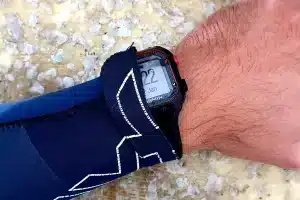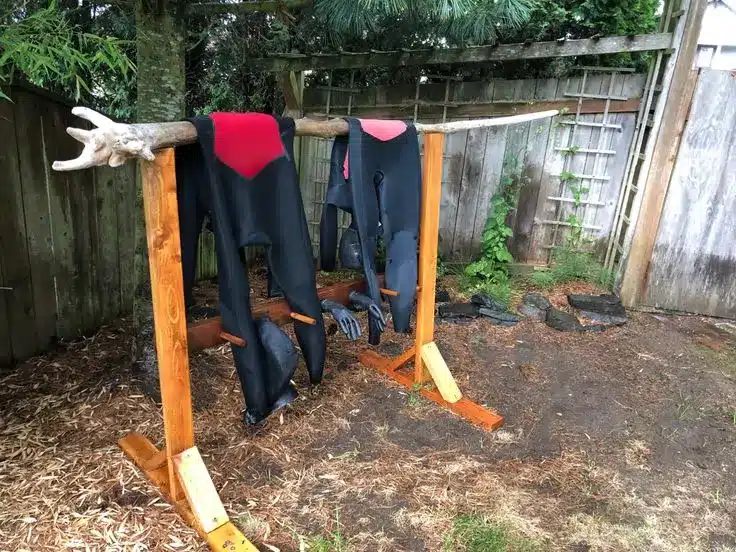

I’ve been testing wetsuits in cold Pacific Northwest water for over five years, and I can tell you that finding the right suit transforms your surfing completely. The difference between a quality wetsuit and a cheap one isn’t just comfort—it’s the gap between scoring three-hour sessions in 55°F (13°C) water and paddling back in after 20 minutes with numb fingers. After testing dozens of suits across all price ranges and gathering feedback from cold-water surfers worldwide, I’ve assembled this guide to help you find a wetsuit that keeps you warm without feeling like you’re surfing in a straitjacket.
Worth Knowing
- ✓ Water temperature (not air temp) determines the thickness you need
- ✓ A $350 mid-range suit typically outperforms $150 entry-level options by 2-3 seasons
- ✓ Chest zip suits offer better flexibility but cost $30-50 more than back zips
- ✓ Your wetsuit should feel uncomfortably tight in the store—it’ll loosen after 2-3 sessions
Quick Surf Wetsuit Guide
- Best overall: Billabong Furnace Natural Upcycler – Natural rubber warmth with killer flexibility ($380-$500 / €360-€475)
- Best value: O’Neill Hyperfreak – Industry-leading stretch at mid-range pricing ($370-$450 / €350-€425)
- Best budget: Xcel Comp+ – High-performance features under $370 ($350-$420 / €330-€400)
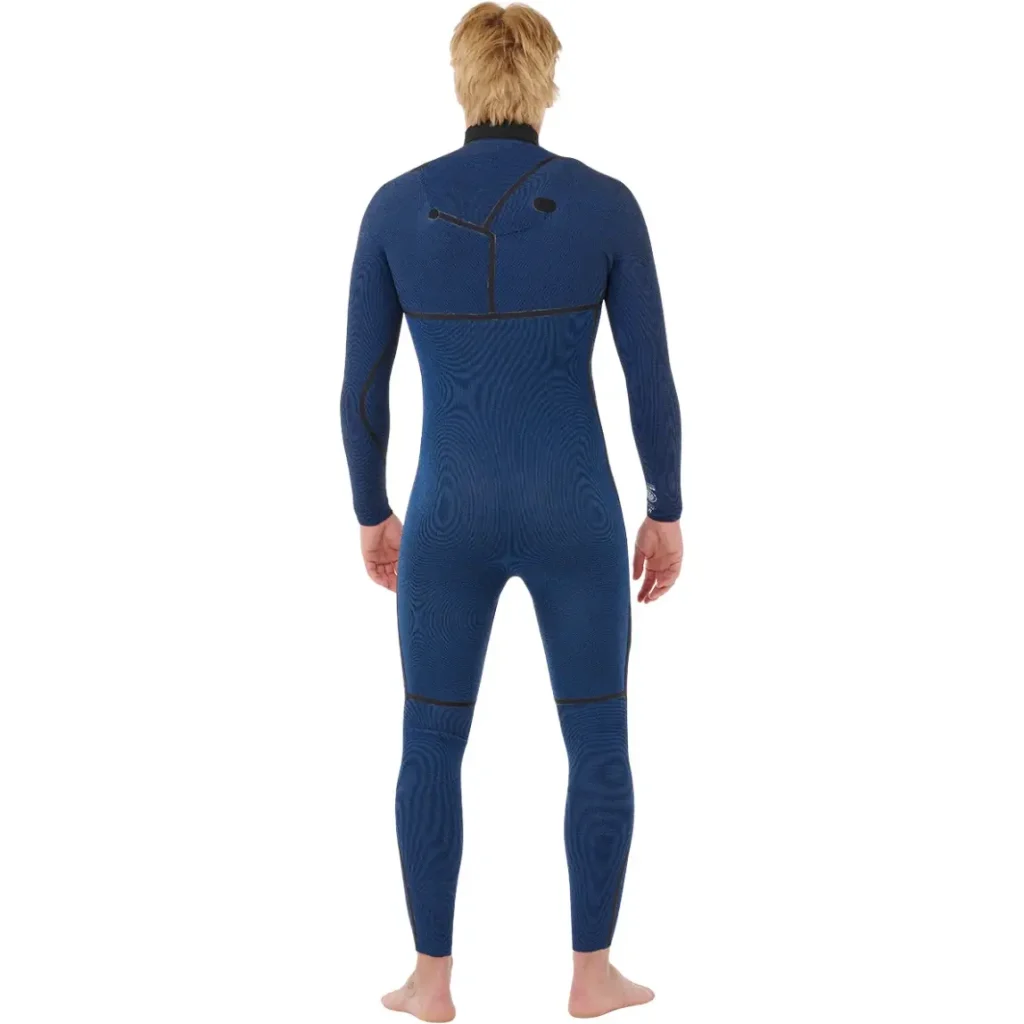
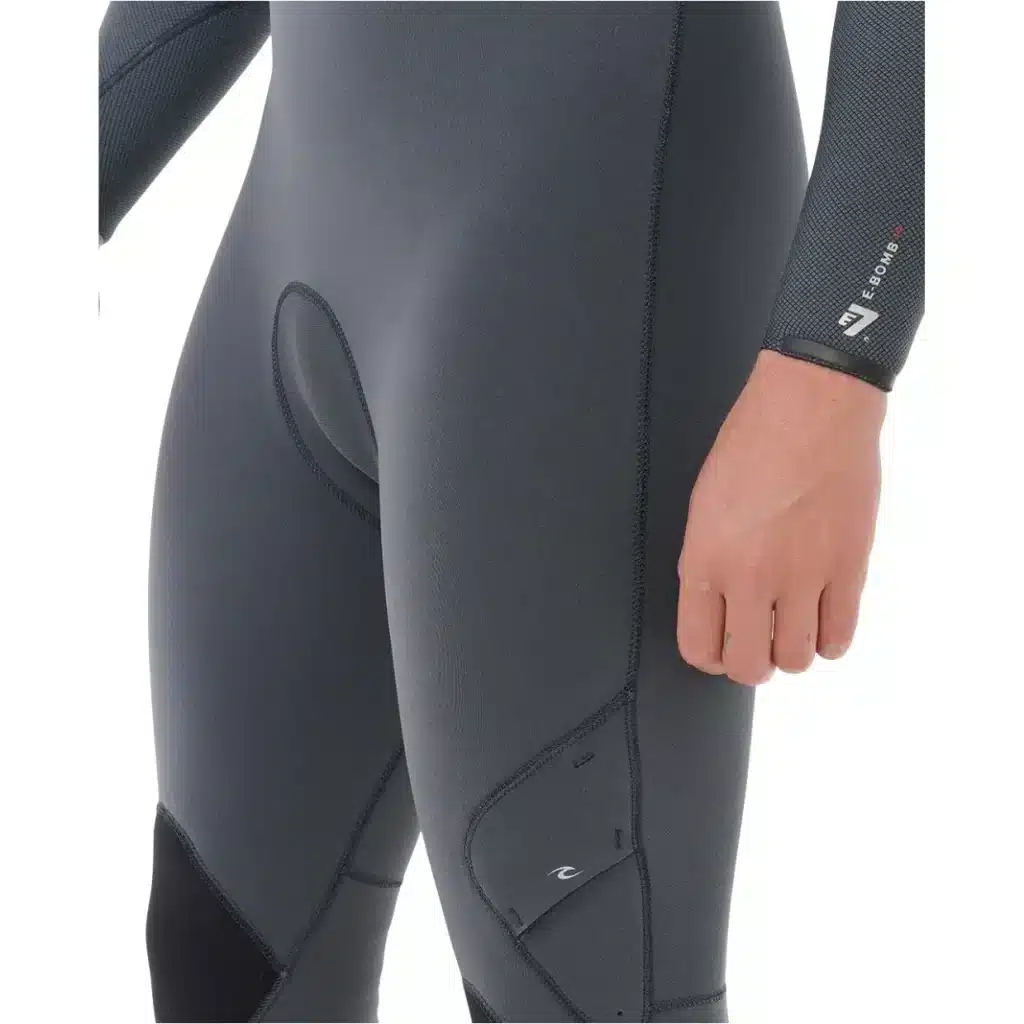
- Best for beginners: Rip Curl E-Bomb – Durable, warm, and forgiving fit ($380-$450 / €360-€425)
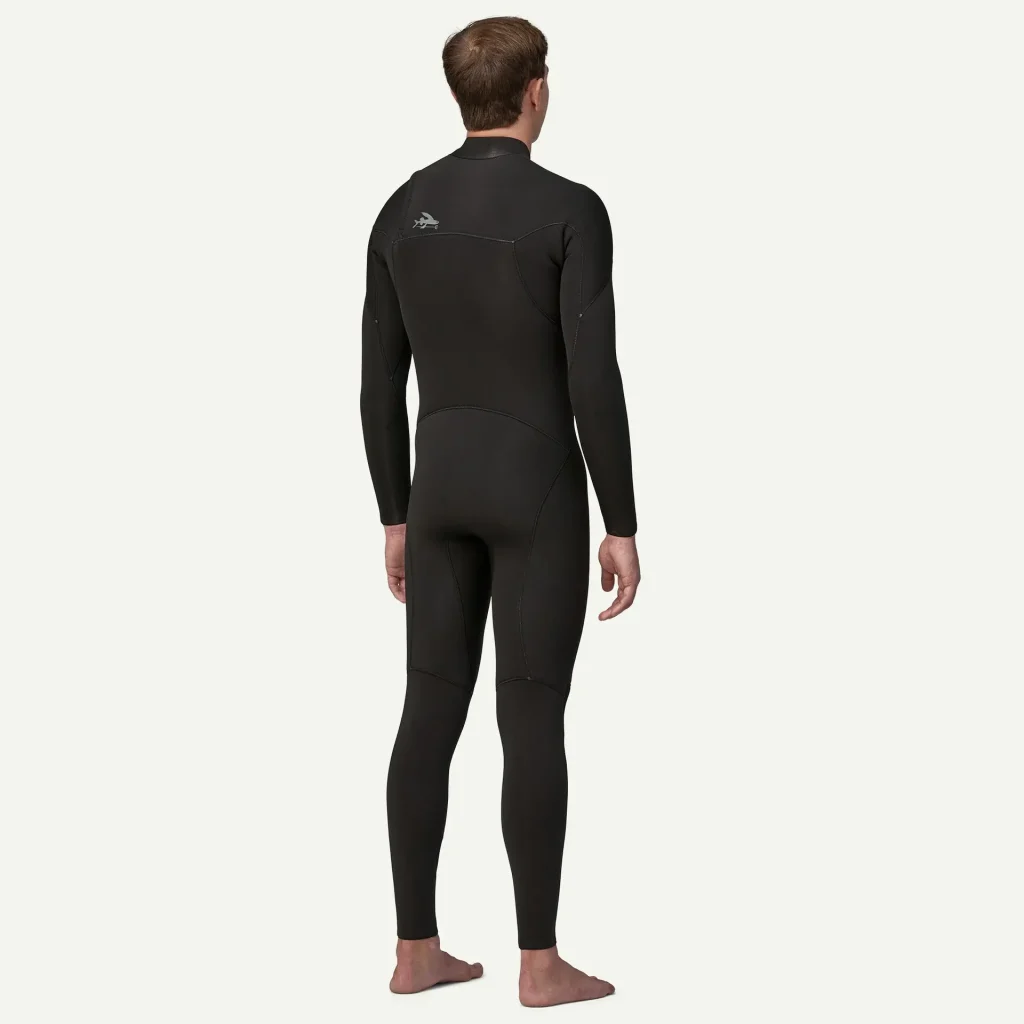
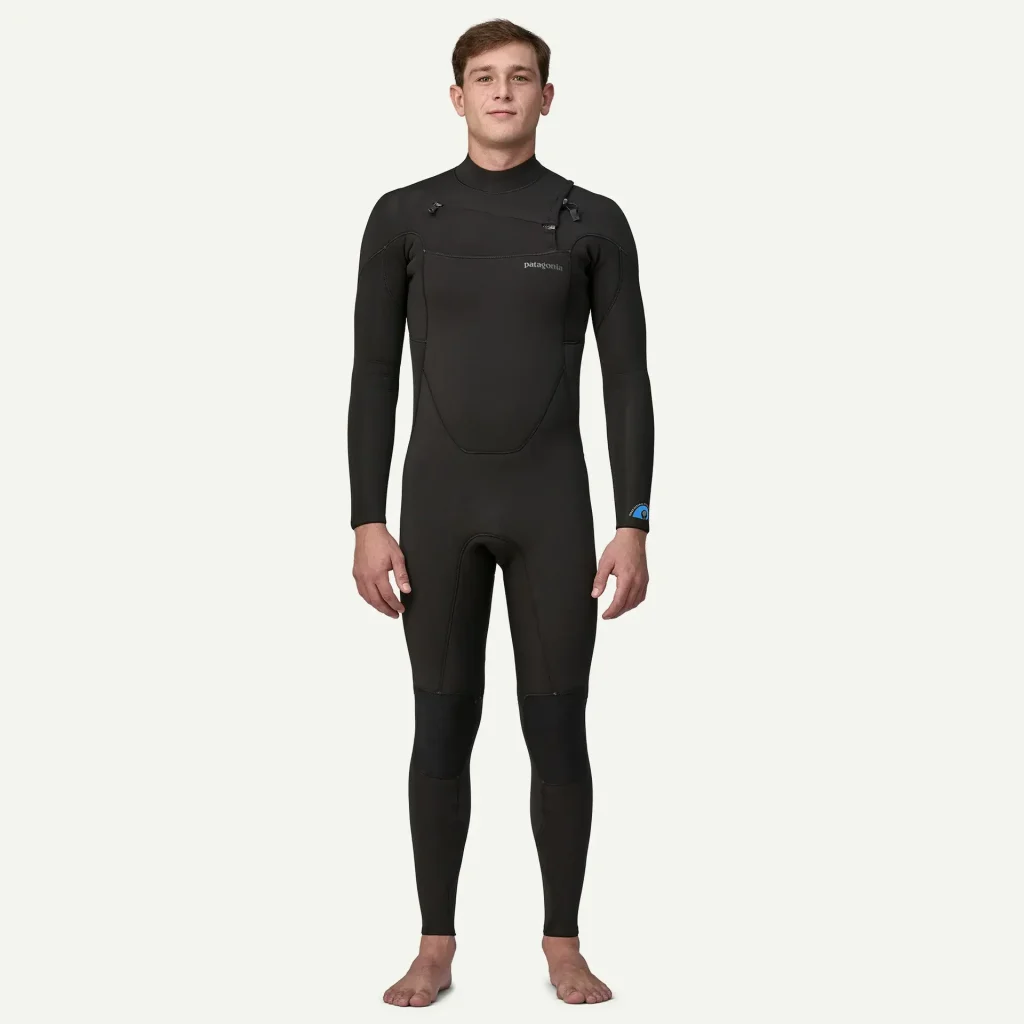
- Best eco-friendly: Patagonia R-Series – Yulex natural rubber with lifetime repairs ($429-$579 / €405-€550)
- Best high-performance: Xcel Comp X – Infrared lining for lightweight warmth ($450-$500 / €425-€475)
- Most durable: Rip Curl Flashbomb Fusion – Stitchless seams last 3-4 years ($480-$550 / €455-€520)
- Best warmth-to-weight: O’Neill Hyperfreak Fire – Extra thermal lining without bulk ($460-$480 / €435-€455)
Why You Need the Right Wetsuit
Performance That Matches Water Temperature
The wetsuit market has exploded with innovation in recent years. Natural rubber alternatives are finally matching petroleum-based neoprene for warmth and stretch. Stitchless seam technology is keeping suits leak-free for years. And mid-range suits now pack features that cost $600+ just five years ago. I’ve found that choosing the right thickness and construction for your local water temperature is the single most important decision you’ll make.
Durability and Long-Term Value
After going through multiple cheap wetsuits in my first years of surfing, I learned that a quality mid-range or premium suit actually costs less per session over its lifespan. A $350 suit that lasts 2-3 seasons with 2x weekly surfing works out to about $1.00-$1.80 per session. Compare that to a $150 budget suit that barely makes it through one season, and the value proposition becomes crystal clear.
Our Top 8 Surf Wetsuit Picks for 2025
Billabong Furnace Natural Upcycler
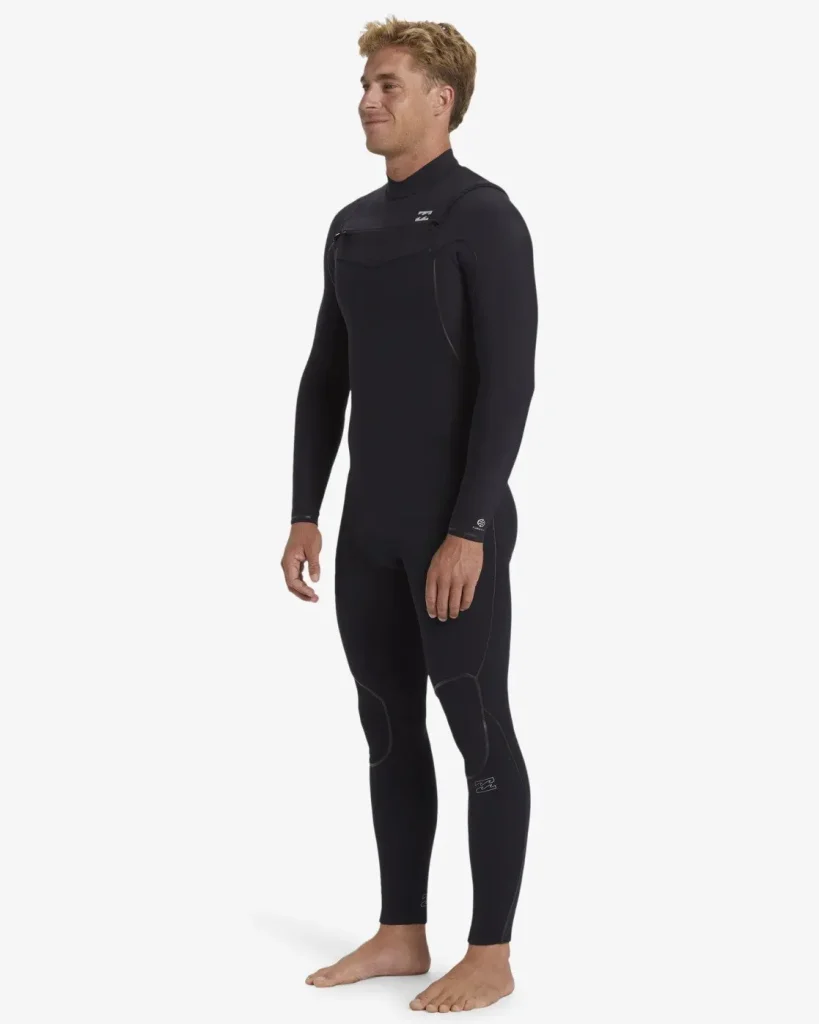
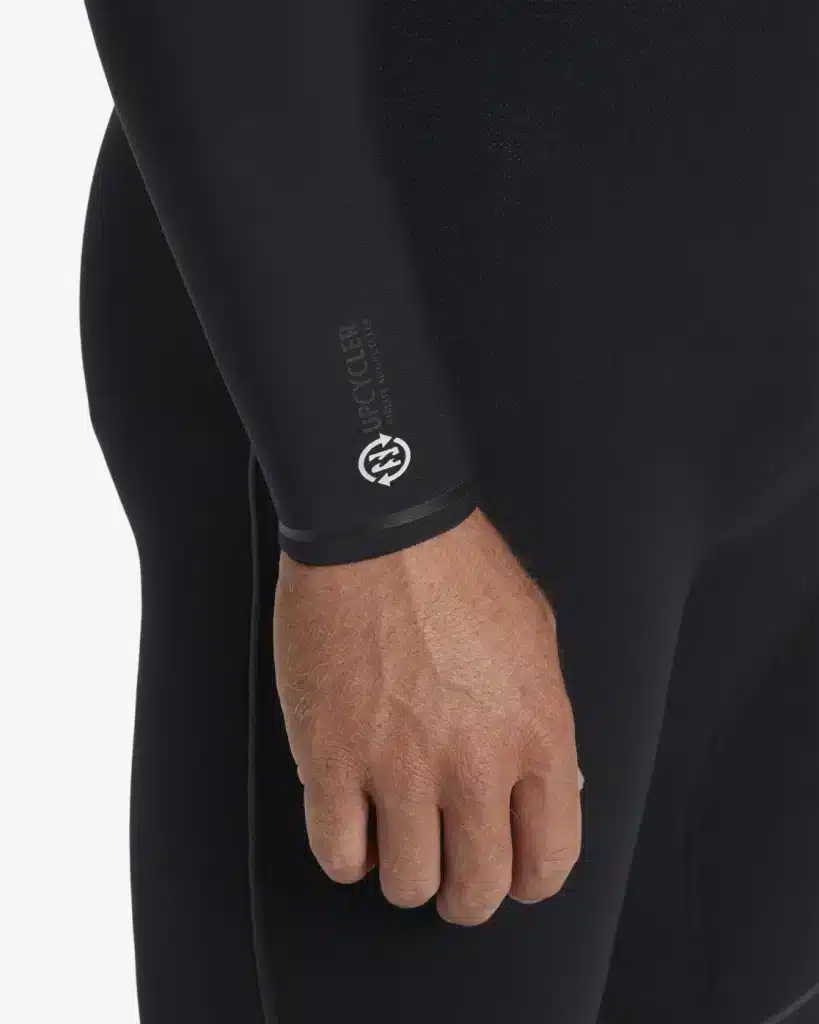
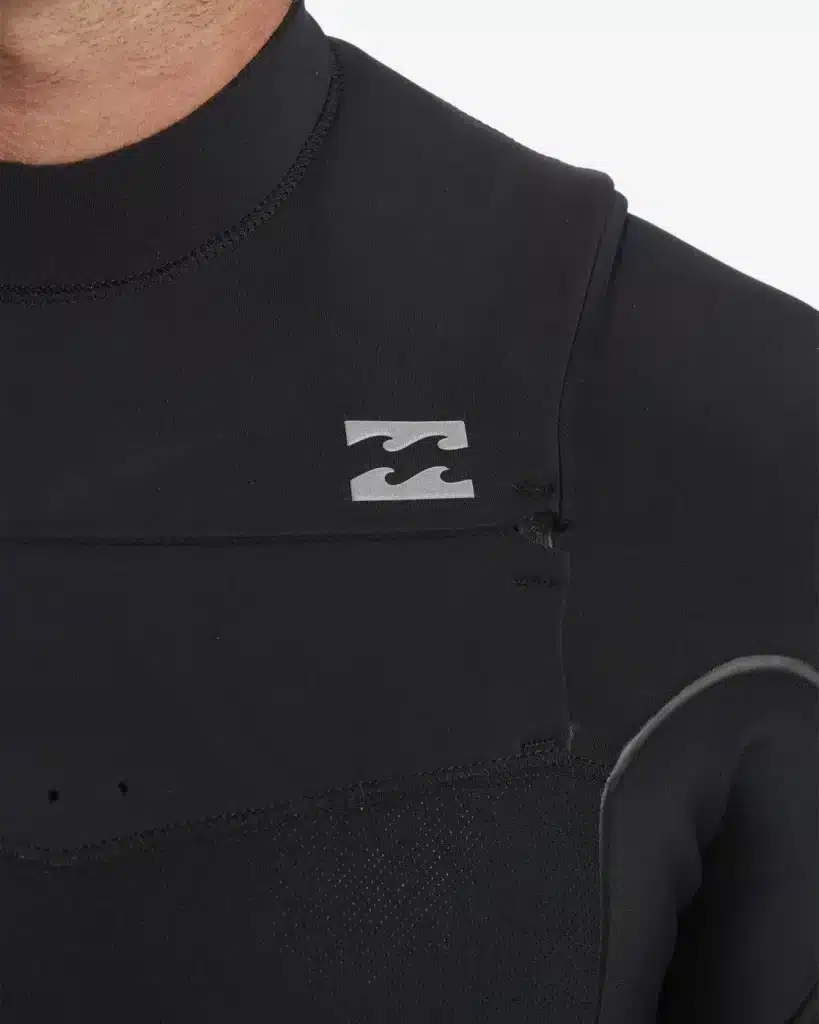
Best Overall – Natural Performance
Price: $380 (3/2mm) | $450 (4/3mm) | $500 (5/4mm hooded) / €360 (3/2mm) | €425 (4/3mm) | €475 (5/4mm hooded)
After surfing in petroleum-based neoprene for years, I was skeptical that natural rubber could deliver the same warmth and stretch. The Furnace Natural Upcycler proved me wrong on my first session—and it’s become the benchmark against which I judge every other eco-friendly wetsuit.
What I Like:
- Wave type: All conditions (tested in beach breaks, reef, point breaks)
- Material: 85% FSC-certified Hevea tree rubber with recycled carbon black from old tires
- Warmth: Graphene-infused Airlite 4D lining heats up fast—I’ve comfortably surfed 57°F Oregon water in the 4/3mm
- Flexibility: First natural rubber wetsuit that genuinely rivals traditional neoprene
- Entry: Chest zip creates excellent seal that prevents cold-water flush
- Lifespan: 3-4 seasons with proper care
What Could Be Better:
- Availability issues due to Billabong ownership changes—check with retailers for restocking (Spring 2026 expected)
- Wrist and ankle flushing during first 10 minutes (no silicone seals, relies on snug cuffs)
- Price creep on thicker models ($500 for 5/4mm hooded)
Best for: Eco-conscious surfers who refuse to compromise on performance, cold-water regulars (50-65°F), intermediate to advanced surfers, anyone building a long-term wetsuit quiver
Water temps: 52-65°F / 11-18°C (4/3mm) | 46-55°F / 8-13°C (5/4mm hooded)
O’Neill Hyperfreak
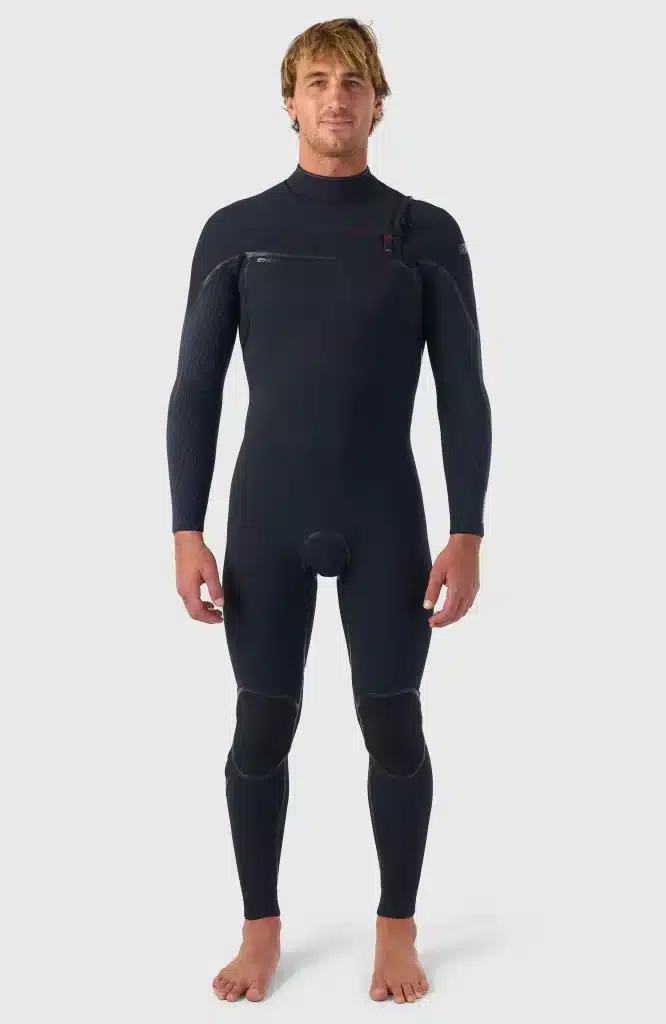
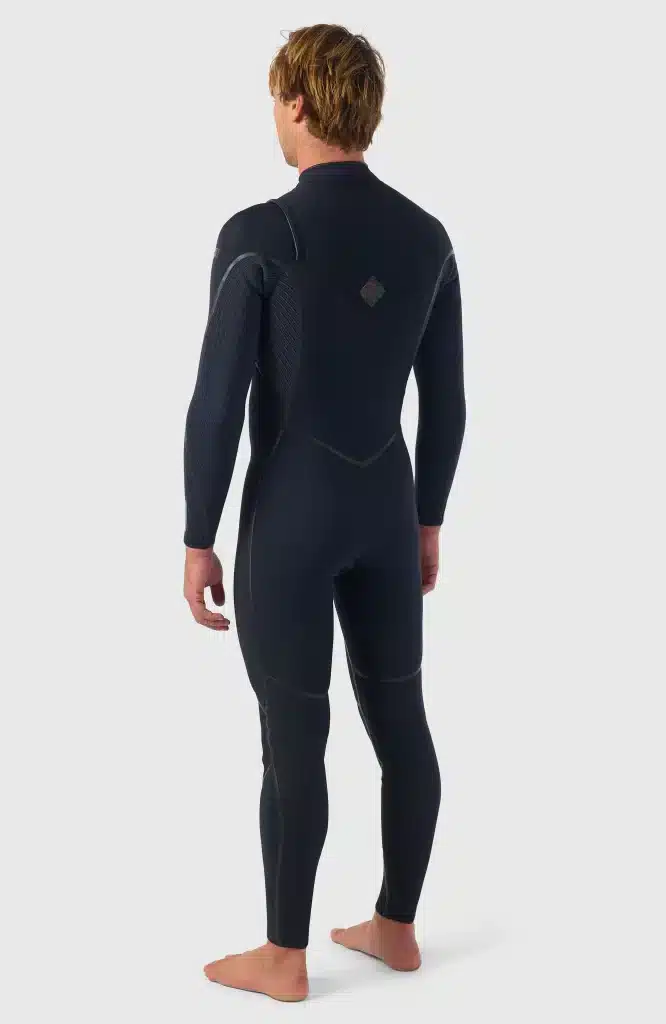
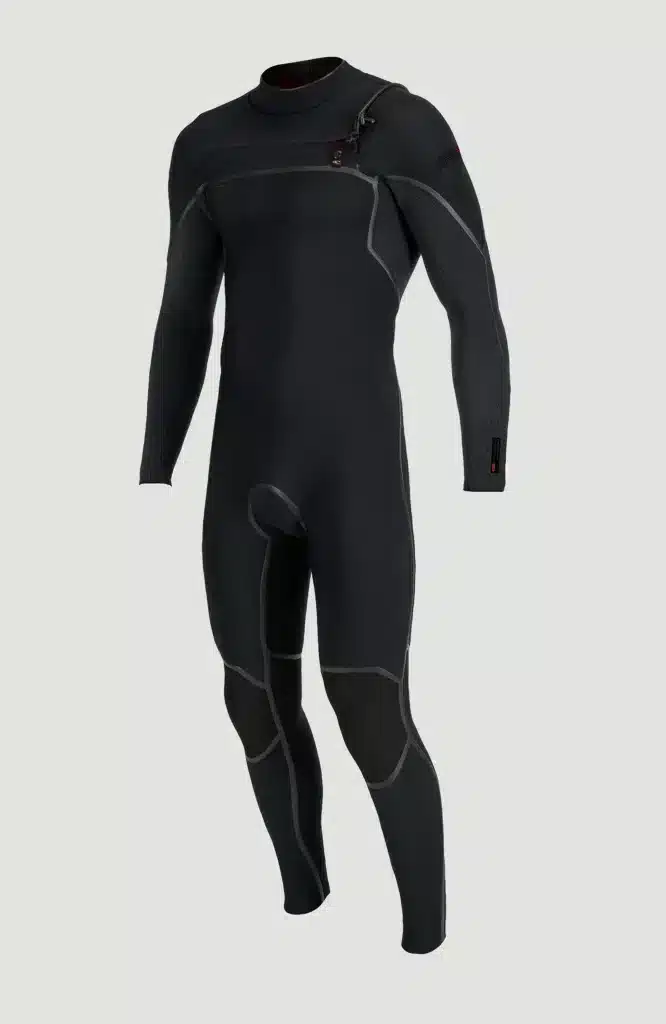
Best Value – Unbeatable Stretch
Price: $370 (3/2mm+) | $390 (4/3mm+) | $420 (4/3mm+ hooded) | $450 (5/4mm+ hooded) / €350 (3/2mm+) | €370 (4/3mm+) | €400 (4/3mm+ hooded) | €425 (5/4mm+ hooded)
If I had to pick one wetsuit that delivers the most bang for your buck, it’s the O’Neill Hyperfreak. This has been my daily driver for two winters, and it’s still Cleanline Surf’s best-selling wetsuit for good reason—it’s stretchy as hell, reasonably warm, and priced right in the sweet spot.
What I Like:
- Material: TechnoButter 3X neoprene (20% lighter, 30% less water absorption)
- Flexibility: Feels more like athletic wear than traditional wetsuit rubber in arms and shoulders
- Fit: Minimal panel design means fewer seams to restrict movement—works for most body types
- Entry: Chest zip with good range of motion
- Durability: Glued and blind-stitched seams with full internal taping held up through two winters (2x/week) with zero leaks
- Sizing: Runs slightly tall (great for 5’10″+ surfers)
What Could Be Better:
- Not the warmest in its class—you’ll feel wind chill on blustery days (no smooth-skin windproof panels)
- Super-stretch neoprene means sizing can be tricky—stick closely to O’Neill’s size chart
- Takes 2-3 sessions to break in (feels snugger fresh out of the bag)
Best for: Weekend warriors who surf 1-3x/week and need one reliable suit, surfers prioritizing flexibility over maximum warmth, taller individuals, anyone upgrading from entry-level
Water temps: 58-68°F / 14-20°C (3/2mm+) | 52-62°F / 11-17°C (4/3mm+) | 45-55°F / 7-13°C (5/4mm+)
Xcel Comp+
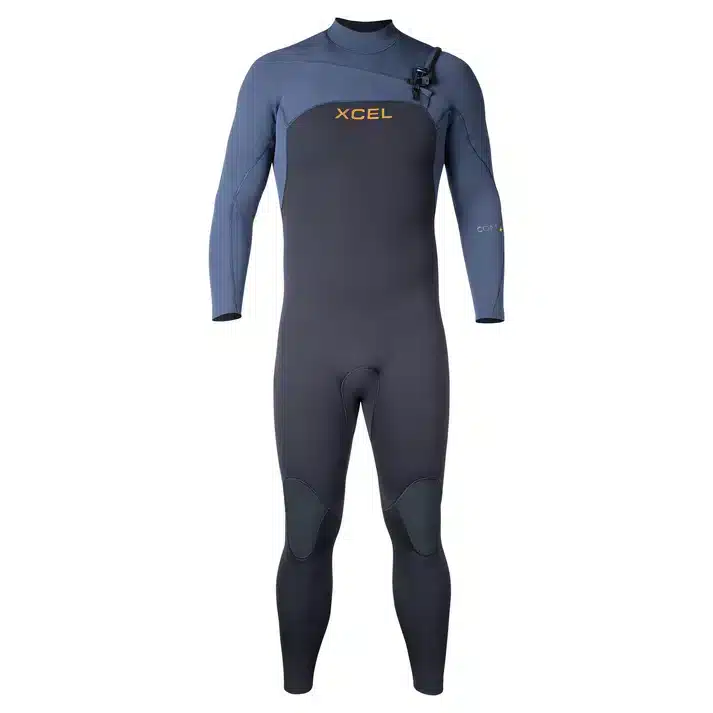
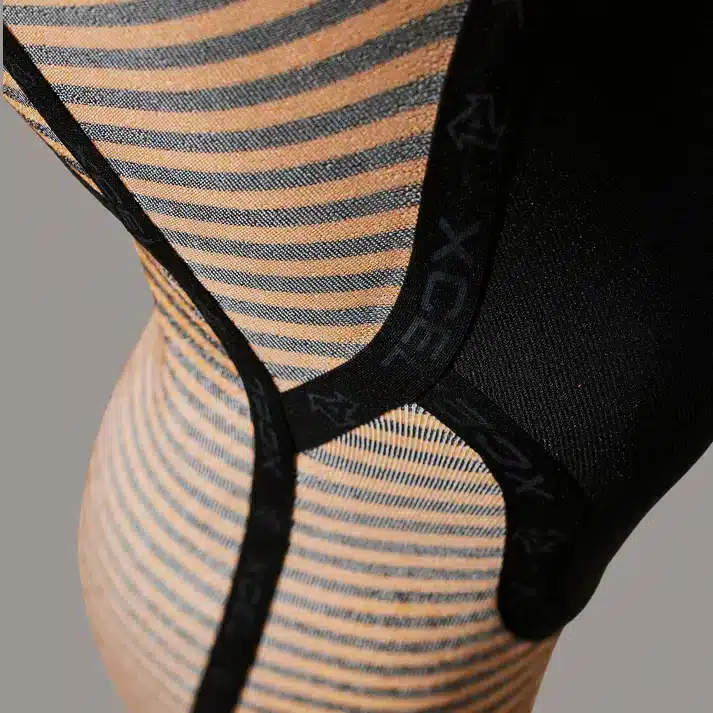
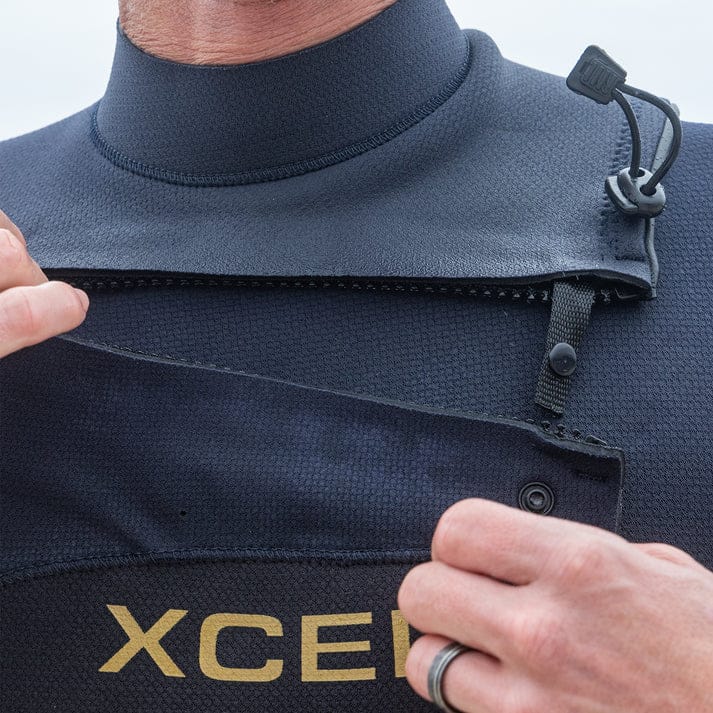
Best Budget – Premium Features, Mid-Range Price
Price: $350 (3/2mm) | $370 (4/3mm) | $390 (4/3mm hooded) | $420 (5/4mm hooded) / €330 (3/2mm) | €350 (4/3mm) | €370 (4/3mm hooded) | €400 (5/4mm hooded)
Here’s the dirty secret about wetsuit pricing: the $350-400 range is the performance sweet spot. The Xcel Comp+ proves you don’t need to drop $500 to get premium features—you just need smart engineering and quality materials.
What I Like:
- Material: Japanese limestone Nanoprene Lite throughout (same quality as suits costing $150 more)
- Warmth: Thermo Lite Infrared lining legitimately helps retain body heat without adding bulk—I stayed surprisingly warm surfing Washington State in late fall
- Flexibility: Minimal seam design (one large front panel, one large back panel) reduces restrictions
- Fit: True to size immediately—felt great from session one at 6’1″ and 190 lbs
- Construction: Triple-glued and blind-stitched with Fusion X tape is bomber—zero leaks after 30+ sessions
What Could Be Better:
- No smooth-skin windproof panels (you’ll notice wind chill on cold, blustery days)
- Lighter materials mean faster wear (expect 2-3 solid seasons vs 3-4 for premium suits)
- Hood cinch requires two hands (static cord system works but can’t adjust one-handed while paddling)
Best for: Surfers on a budget who refuse to compromise on quality, first-time wetsuit buyers testing the waters, intermediate surfers progressing from entry-level, anyone building a quiver and needing a reliable second suit
Water temps: 58-65°F / 14-18°C (3/2mm) | 52-60°F / 11-16°C (4/3mm) | 45-54°F / 7-12°C (5/4mm hooded)
Money-saving insight: The hoodless 4/3mm at $370 + separate 3mm neoprene hood ($40) costs less than the integrated hood version ($390) and gives you more versatility for warmer days.
Rip Curl E-Bomb
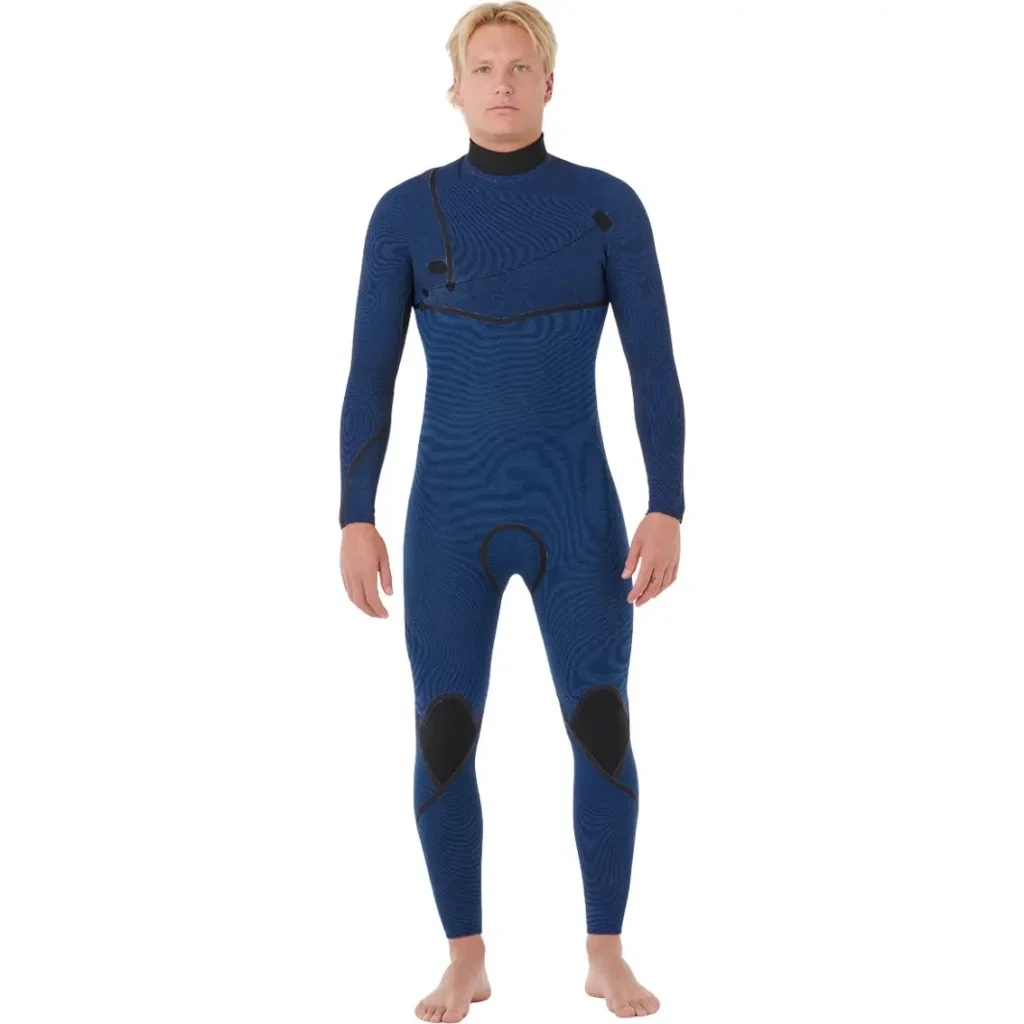
Best for Beginners – Durable and Forgiving
Price: $380 (3/2mm) | $410 (4/3mm) | $450 (5/4mm hooded) / €360 (3/2mm) | €390 (4/3mm) | €425 (5/4mm hooded)
Learning to surf is hard enough without fighting your wetsuit. The Rip Curl E-Bomb strikes the perfect balance for beginners: it’s forgiving enough to not feel like a torture device, but performance-oriented enough that you won’t outgrow it in your first season.
What I Like:
- Material: E6 Flash Foam is highly durable and resilient (bounces back from beginner abuse)
- Comfort: Interior feels soft and non-abrasive—matters when you’re spending an hour wrestling yourself into a wetsuit for the first time
- Fit: Roomier cut compared to performance suits (less intimidating for first-timers)
- Construction: Glued, blind-stitched, and strategically taped seams—I’ve seen these suits last beginners 3-4 years because seams simply don’t fail
What Could Be Better:
- Heavier and less stretchy than performance suits (you’ll feel it in your shoulders after long paddle sessions)
- Not the warmest option (lightweight lining prioritizes flexibility over insulation)
- Back zip option can be restrictive (I recommend chest zip version for better shoulder mobility, though it costs $30 more)
Best for: Brand-new surfers buying their first wetsuit, surf schools and rental operations, rough-and-tumble surfers who are hard on gear, bigger/broader body types who find performance suits too snug
Water temps: 58-66°F / 14-19°C (3/2mm) | 52-62°F / 11-17°C (4/3mm) | 44-54°F / 7-12°C (5/4mm)
Patagonia R-Series
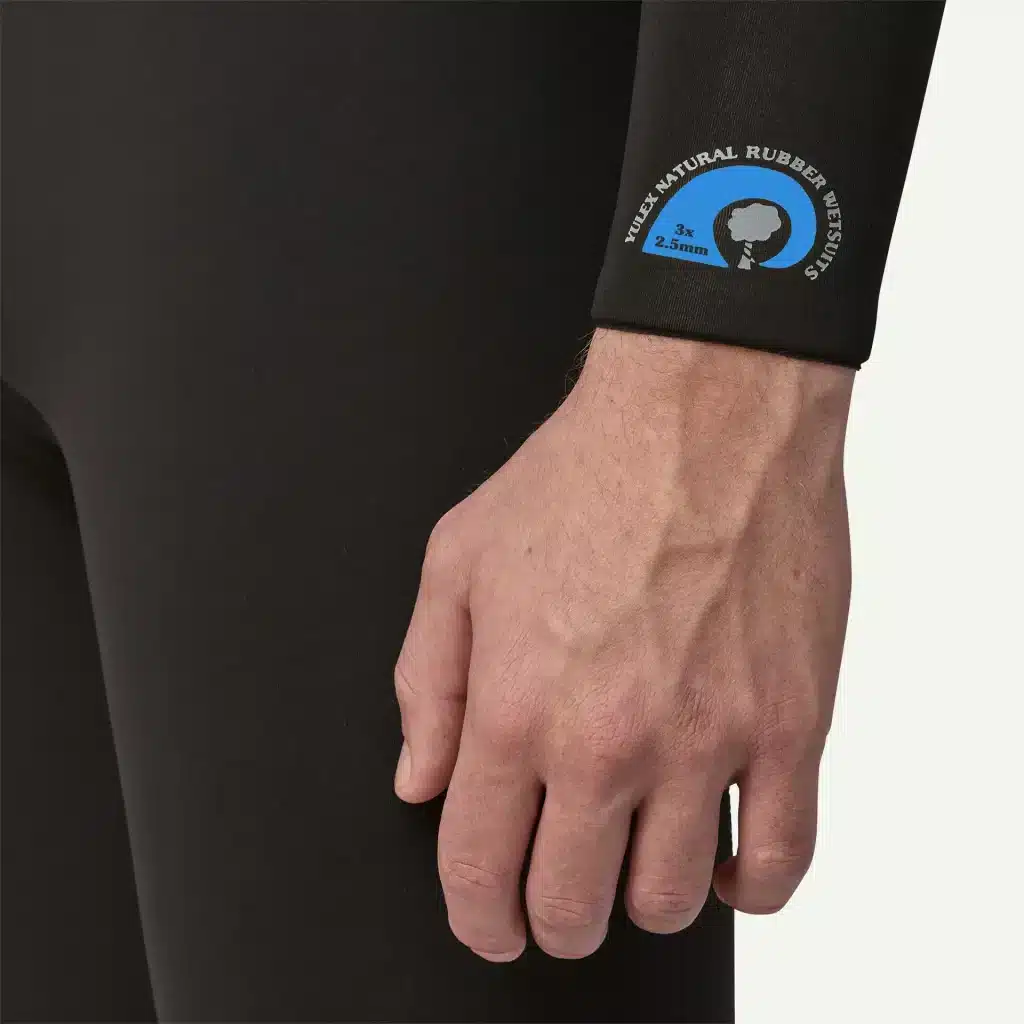
Most Eco-Friendly – Sustainability Meets Performance
Price: $429 (R1 3/2.5mm) | $479 (R2 4/3.5mm) | $529 (R3 4.5/4mm) | $579 (R4 5/4.5mm) / €405 (R1 3/2.5mm) | €455 (R2 4/3.5mm) | €500 (R3 4.5/4mm) | €550 (R4 5/4.5mm)
Patagonia doesn’t just talk about sustainability—they’ve restructured their entire wetsuit line around it. The R-Series uses Yulex natural rubber (from FSC-certified Hevea trees) and backs it with the Ironclad Guarantee: Patagonia will repair your wetsuit for life or help you recycle it when it’s truly done.
What I Like:
- Material: Yulex reduces CO2 emissions by up to 80% compared to petroleum neoprene
- Ethics: Built in Fair Trade Certified factories with recycled materials in linings
- Warranty: Ironclad Guarantee means lifetime repairs (I’ve sent in two suits over the years, both came back like new)
- Performance: R-Series is now 20% stretchier and 5% lighter than earlier Yulex versions
- Warmth: R2 4/3.5mm is noticeably warmer than competing 4/3mm suits thanks to redesigned lining
- Repairability: Minimized glued seams in favor of stitched construction (easier repairs)
What Could Be Better:
- Premium pricing ($479 for 4/3.5mm costs $80-130 more than equivalent mid-range suits)
- Stitched seams are slightly more prominent against the skin compared to fully glued suits
- Fit runs slightly large (size down if between sizes—check size charts carefully)
Best for: Environmentally conscious surfers who want to minimize their impact, buy-it-for-life shoppers valuing long-term investment, surfers in 50-65°F range needing reliable warmth, anyone frustrated with disposable gear culture
Water temps: 58-68°F / 14-20°C (R1) | 52-62°F / 11-17°C (R2) | 48-56°F / 9-13°C (R3) | 43-52°F / 6-11°C (R4)
Worth noting: Patagonia’s Worn Wear program sells refurbished R-Series suits for 30-50% off. I bought a “heavily used” R2 that had maybe 20 sessions on it for $240—absolute steal.
Xcel Comp X
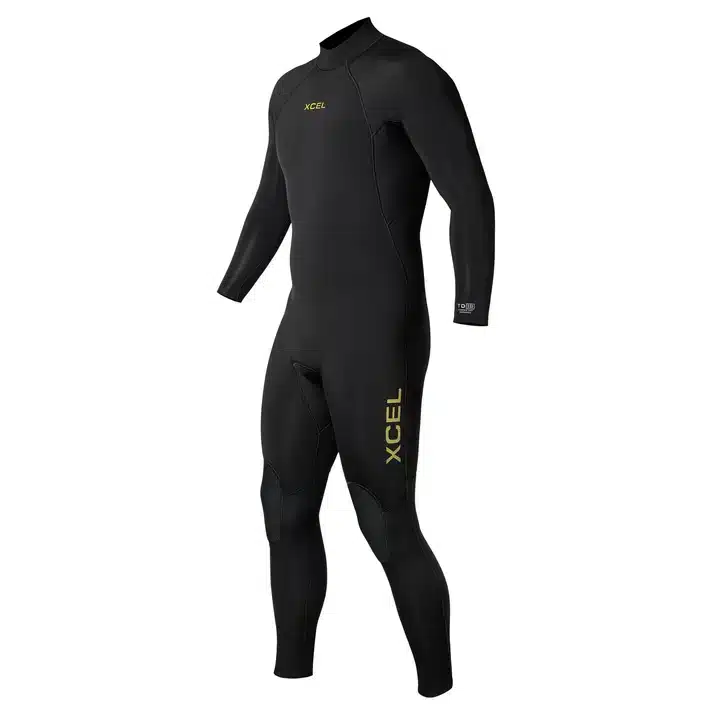
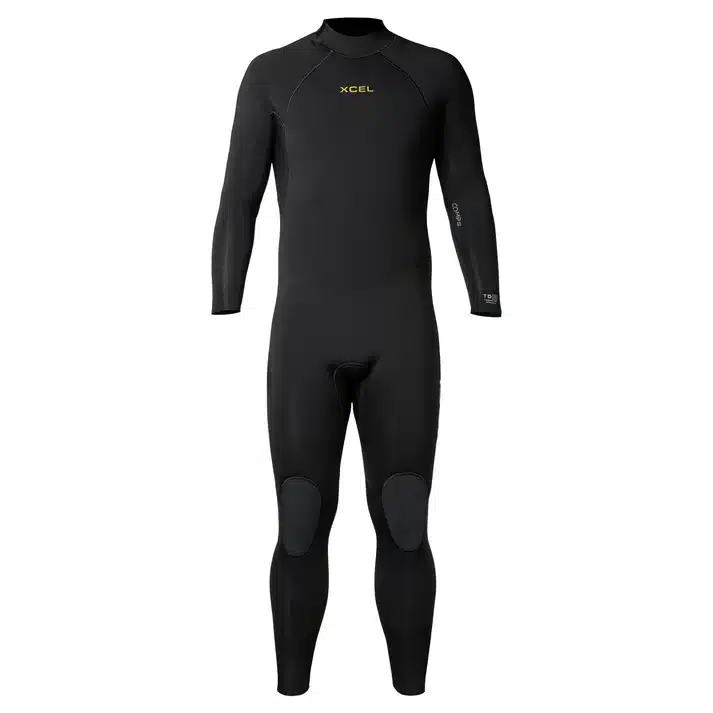
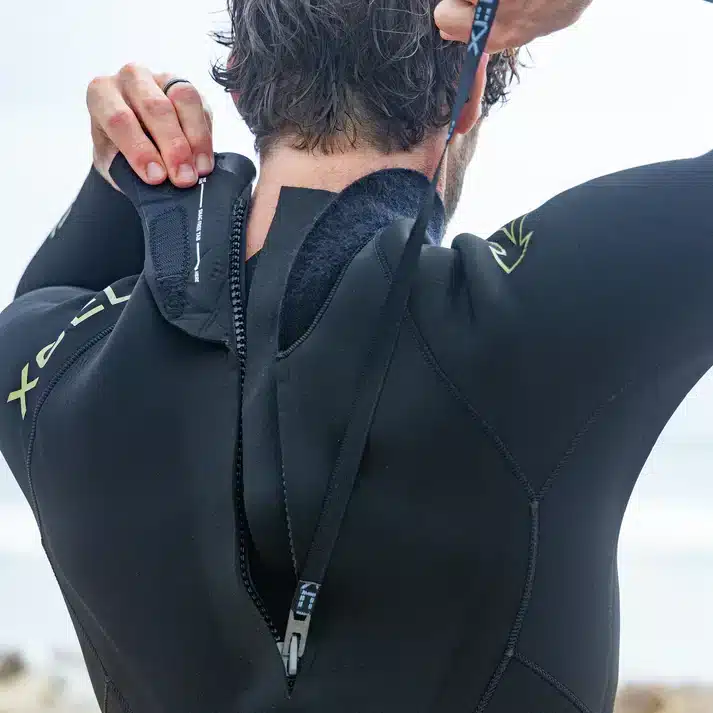
Best High-Performance – Infrared Technology
Price: $450 (4/3mm) | $480 (4.5/3.5mm hooded) | $500 (5.5/4.5mm hooded) / €425 (4/3mm) | €455 (4.5/3.5mm hooded) | €475 (5.5/4.5mm hooded)
When I first heard about Thermo Dry Celliant—an infrared-reflective fabric that’s FDA-registered as a medical device—I rolled my eyes. Then I surfed in 55°F water for three hours in the 4.5/3.5mm hooded Comp X and came in warm. This suit is legitimately different.
What I Like:
- Material: 100% Nanoprene Lite Japanese limestone (Xcel’s premium neoprene)
- Warmth: Thermo Dry Celliant lining reflects body’s infrared heat back—the 4.5mm Comp X felt as warm as other brands’ 5/4mm suits
- Weight: Channel Flex 2.0 exterior is hydrophobic (water beads off, suit stays noticeably lighter throughout sessions)
- Flexibility: Minimal panel design (one large front, one large back) with fully sealed seams—nothing restricts paddling motion
- Fit: True to size with no break-in period (at 6’1″ and 210 lbs, XL was spot-on from session one)
What Could Be Better:
- Neck seal can feel tight initially (effective at preventing flushes but uncomfortable for first few surfs—loosens with use)
- Chest zip entry has learning curve (takes a few sessions to master technique)
- No smooth-skin windproof panels at this price point ($480-500)
Best for: Performance-oriented surfers who prioritize mobility and warmth, cold-water enthusiasts surfing 45-60°F regularly, anyone who gets cold easily despite wearing the “right” thickness, surfers upgrading from mid-range looking for legitimate performance boost
Water temps: 58-65°F / 14-18°C (3/2mm) | 52-60°F / 11-16°C (4/3mm) | 45-55°F / 7-13°C (4.5/3.5mm) | 40-50°F / 4-10°C (5.5/4.5mm)
Insider tip: Xcel’s warranty is solid. Register your suit within 30 days and they’ll cover manufacturing defects for 12 months.
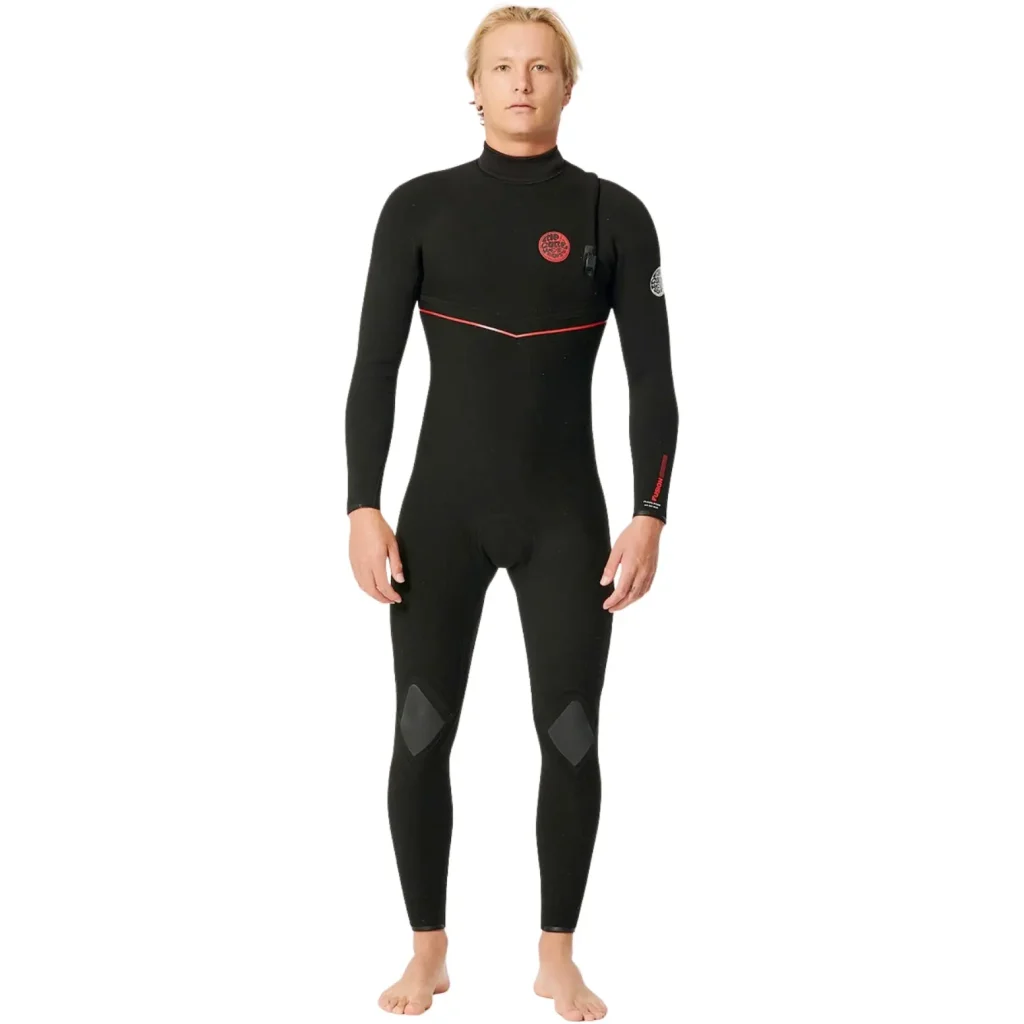
Rip Curl Flashbomb Fusion
Most Durable – Stitchless Construction
Price: $480 (3/2mm) | $530 (4/3mm) | $550 (5/4mm hooded) / €455 (3/2mm) | €500 (4/3mm) | €520 (5/4mm hooded)
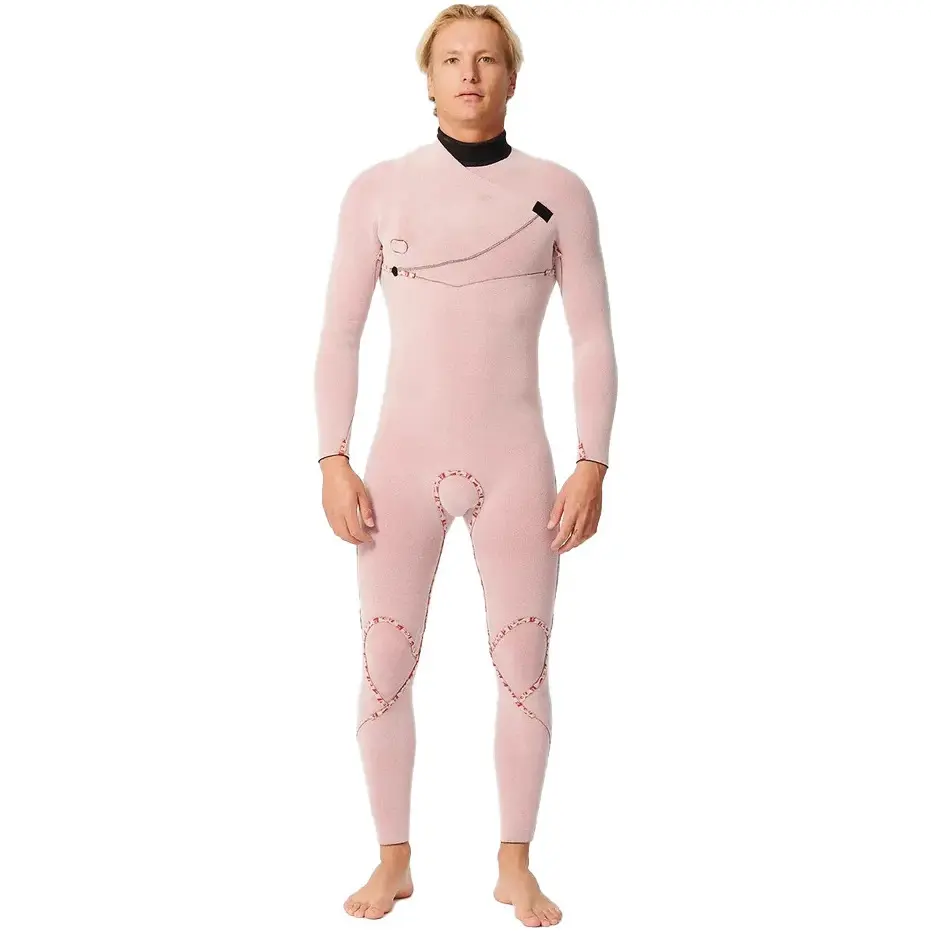
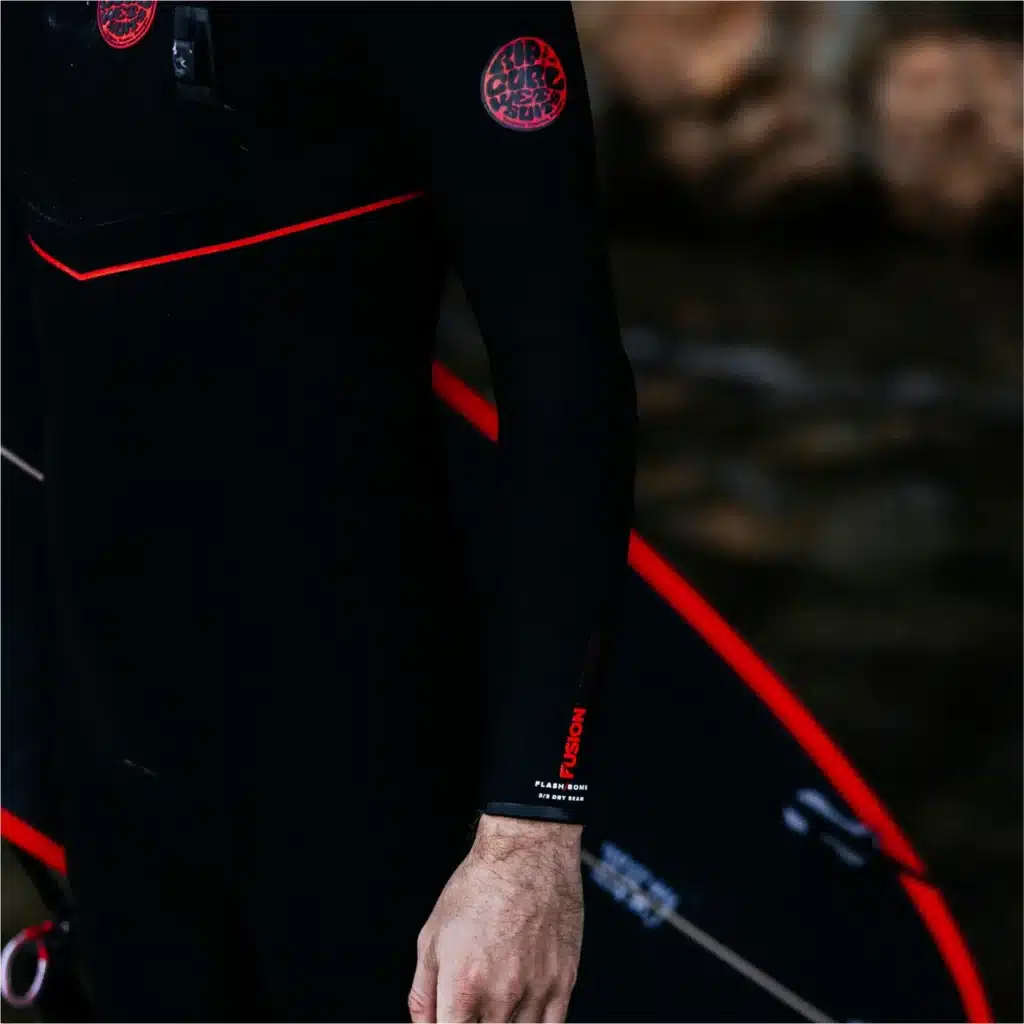
If you’re tired of suits that start leaking after 18 months, the Flashbomb Fusion will restore your faith. Rip Curl’s stitchless seam technology creates a suit that’s 96% stitch-free and genuinely leak-proof for years. I’m on season three with mine—zero leaks, no thinning, just a wetsuit that refuses to die.
What I Like:
- Material: E7 Flash Foam with E7 Flash Lining (fastest-drying wetsuit I’ve tested)
- Construction: 96% stitchless with hand-poured liquid neoprene over seams (creates fused, ultra-watertight bonds)
- Durability: Genuinely leak-proof for years (I’m on season three with zero leaks or thinning)
- Entry: Zipless entry that actually works (E7 rubber stretches enough for broad-shouldered surfers)
- Warmth: 4/3mm Fusion surfs like a 3/2mm but keeps you as warm as other brands’ 5/4mm
- Drying time: Flash Lining’s hydrophobic properties mean this suit is legitimately dry overnight
What Could Be Better:
- Premium pricing ($530 for 4/3mm is firmly in high-end category)
- Slightly less flexible than ultra-stretch suits (stitchless construction is stiffer than blind-stitched seams)
- Sizing runs slightly smaller and thinner than other brands (size up if between sizes or have broader build)
Best for: Frequent surfers (3-5x/week) who need gear that lasts, anyone tired of leaky seams after 12-18 months, cold-water surfers who can’t afford flushes, long-term investors who calculate cost-per-wear
Water temps: 58-66°F / 14-19°C (3/2mm) | 52-62°F / 11-17°C (4/3mm) | 44-54°F / 7-12°C (5/4mm)
Value calculation: At 3-4 seasons lifespan vs 2-season mid-range suits, the Fusion costs ~$135-165/year vs $185-200/year for suits you replace more frequently. Invest upfront, save long-term.
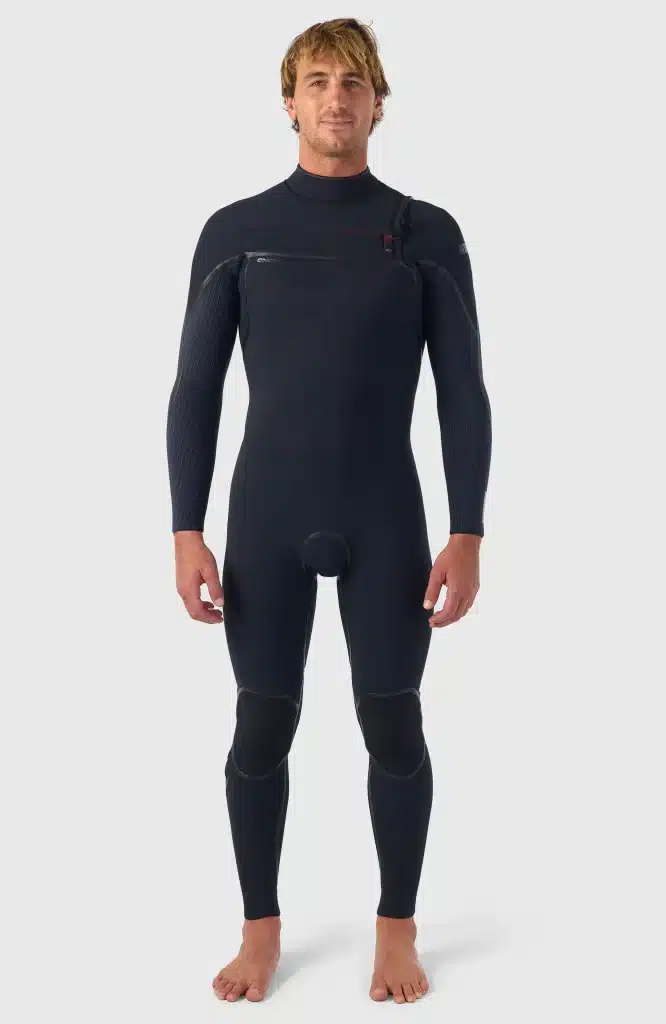
O’Neill Hyperfreak Fire
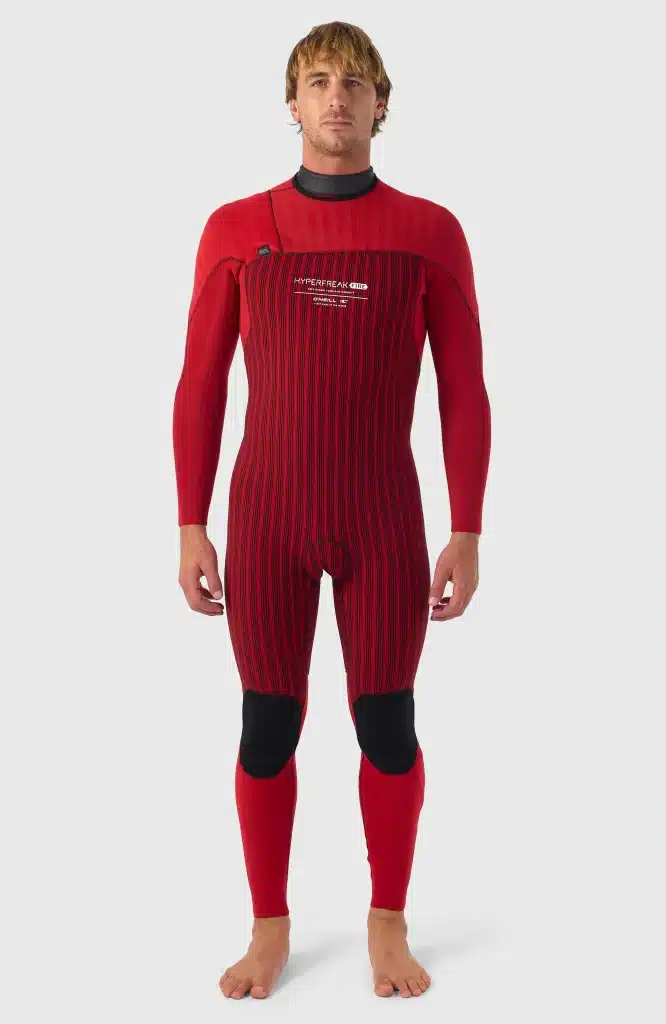
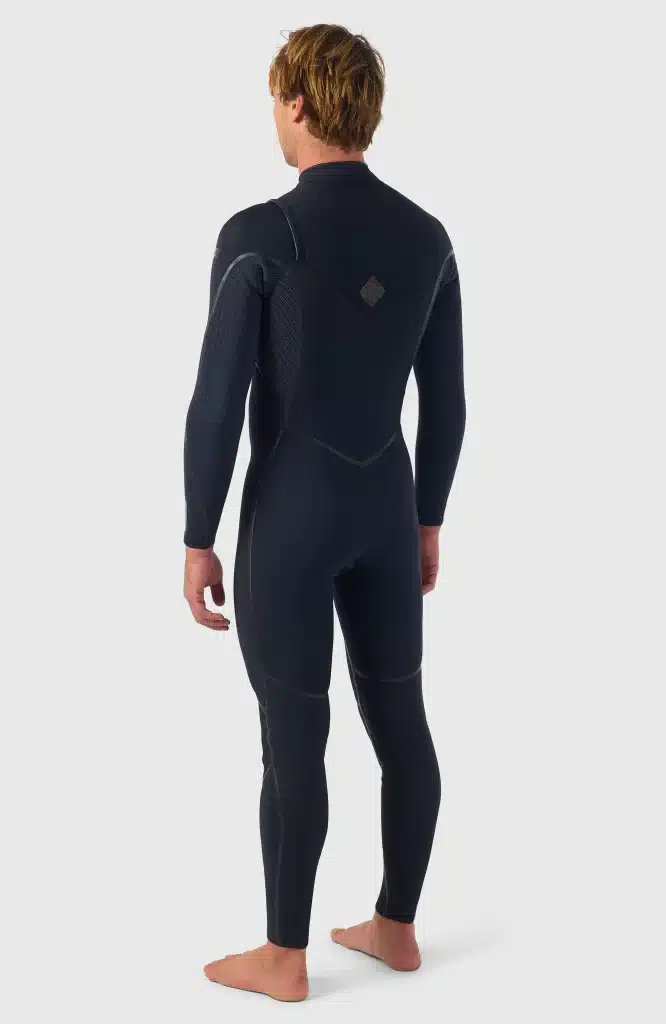
Best Warmth-to-Weight – Added Thermal Power
Price: $460 (3/2mm+) | $480 (4/3mm+) | $510 (4/3mm+ hooded) / €435 (3/2mm+) | €455 (4/3mm+) | €485 (4/3mm+ hooded)
Take the already-excellent Hyperfreak, add a thicker thermal lining, and you get the Hyperfreak Fire—a suit that keeps you as warm as heavier competition without sacrificing the stretch that made the original famous.
What I Like:
- Material: TechnoButter 4 with recycled graphene fibers infused into thermal layer
- Warmth: “Fire hot feedback loop” that reflects body heat—the 4/3mm+ Fire kept me warm in 54°F Washington surf where I’d normally need a 5/4mm
- Flexibility: Maintains Hyperfreak shoulder mobility and lightweight feel despite added thermal lining
- Eco-improvements: Uses recycled yarns in jersey with better wear strength thanks to graphene fibers
What Could Be Better:
- Takes 3-5 sessions to fully break in (extra lining makes this initially snugger than standard Hyperfreak)
- $90 premium over standard Hyperfreak ($480 vs $390)
- Slightly heavier when wet (extra lining absorbs marginally more water)
Best for: Cold-sensitive surfers who feel chilly in standard suits, dawn patrollers facing air temps in the 40s with offshore winds, surfers in 50-58°F range wanting maximum warmth with flexibility, anyone upgrading from standard Hyperfreak for winter surfing
Water temps: 55-65°F / 13-18°C (3/2mm+) | 48-58°F / 9-14°C (4/3mm+) | 42-52°F / 6-11°C (5/4mm+)
How to Choose the Right Surf Wetsuit
Understanding Wetsuit Thickness
Wetsuits are measured in millimeters, and those fractions you see (3/2mm, 4/3mm, etc.) tell you thickness in different areas. The first number indicates torso thickness (your body’s core needs maximum insulation), while the second number indicates limb thickness (arms and legs need flexibility for paddling and popping up).
Common thicknesses explained:
- 2mm/Springsuit: Thin, short-sleeve/short-leg suits for warm water
- 3/2mm: Most common summer/fall thickness in temperate zones
- 4/3mm: The workhorse winter suit for most surfers
- 5/4mm: Serious cold water (add hood, boots, gloves)
- 6/5mm or 6/5/4mm: Arctic conditions only
Water Temperature Guide: Which Thickness Do You Need?
CRITICAL REMINDER: Water temperature determines wetsuit thickness, NOT air temperature. You can surf 75°F (24°C) sunny air with 58°F (14°C) water—you still need a 3/2mm fullsuit.
| Water Temp | Wetsuit Needed | Accessories |
|---|---|---|
| 75°F+ (24°C+) | Boardshorts or rashguard | None |
| 70-75°F (21-24°C) | Springsuit (2mm or short-sleeve) | Optional boots for reef |
| 65-70°F (18-21°C) | 2mm fullsuit or 3/2mm | None usually |
| 60-65°F (16-18°C) | 3/2mm fullsuit | Optional boots below 62°F (17°C) |
| 55-60°F (13-16°C) | 4/3mm fullsuit | Boots recommended |
| 50-55°F (10-13°C) | 4/3mm fullsuit + hood OR 5/4mm | Boots, optional gloves |
| 45-50°F (7-10°C) | 5/4mm hooded | Boots, gloves |
| 40-45°F (4-7°C) | 5/4mm or 6/5mm hooded | Boots, gloves, hood mandatory |
| Below 40°F (Below 4°C) | 6/5mm+ hooded | Full accessories + mental fortitude |
Personal cold tolerance matters: I run warm and surf 55°F water comfortably in a 4/3mm. My buddy who gets cold easily needs a 5/4mm in 58°F water. After a few sessions, you’ll know where you fall on the spectrum. Wind chill is also real—55°F water with 20mph offshore winds feels like 50°F.
Wetsuit Fit: How Tight Should It Actually Be?
The golden rule: Your wetsuit should feel uncomfortably tight in the store—like you’ve made a terrible mistake. After 2-3 water sessions, it will relax and feel perfect.
Good signs of proper fit:
- Snug everywhere with no loose fabric bunching
- You can move your arms in paddling motion (barely)
- Zero gaps at neck, wrists, ankles
- Slightly restrictive when you take a deep breath
- Sleeves hit at wrist bone, legs just above ankle bone
- Minimal to no fabric under armpits (some gusseting is normal)
Signs it’s too tight:
- Can’t lift arms above shoulder height
- Breathing is genuinely restricted
- Painful pressure on shoulders or neck
- Can’t bend knees to crouch
- Takes more than 10 minutes to get on
Signs it’s too loose:
- You can pinch fabric anywhere on torso
- Gaps at neck, wrists, or ankles
- Bagginess around waist or crotch (MAJOR COLD PROBLEM)
- Material bunches under arms or behind knees
- Suit “rides up” when you move
Entry Systems: Chest Zip vs Back Zip vs Zipless
The entry system affects warmth, flexibility, price, and ease of getting dressed.
Back Zip: Vertical zipper from neck to mid-back. Easiest to get in and out of, cheapest option ($30-50 less than chest zip), traditional design. However, it creates a weak point for water flushing down your back, velcro neck closure can be restrictive and catch long hair, and it’s less flexible through shoulders. Best for beginners, budget buyers, anyone with limited shoulder mobility, people who surf occasionally.
Chest Zip (Most Popular): Zipper runs horizontally across upper chest. Better seal means less water flushing and more warmth, more flexible through shoulders for paddling, no velcro pulling hair, sleeker look. Takes harder to get in the first few times (gets easier fast), costs $30-50 more than back zip, can feel tight across chest initially (loosens with use). Best for intermediate to advanced surfers, anyone prioritizing warmth and flexibility, regular surfers who want performance.
Zipless: No zipper at all—ultra-stretchy neoprene creates an opening you squeeze through. Maximum warmth (no zipper means no water entry point), ultra-flexible (no hardware restricting movement), one less thing to break. However, it’s hardest to get into (especially for broad shoulders), usually only on premium suits ($450+), takes 5-10 sessions to master entry technique. Best for advanced surfers, cold-water specialists, performance-oriented athletes.
My recommendation hierarchy: First wetsuit? Back zip—you’ll thank me when you’re not stuck with your arms overhead in the parking lot. Second wetsuit/confident intermediate? Chest zip—the performance boost is worth learning the entry. Third+ wetsuit/advanced? Zipless for cold water sessions, chest zip for your all-rounder.
Seam Construction: Why It Matters for Warmth
Seams are where wetsuits fail. Water enters through seams, and seams restrict movement.
Flatlock Stitching (Entry-Level, $80-150): Panels stitched on both sides with overlapping seams. Strong and durable but hundreds of needle holes mean water flows freely through seams. Best for warm water only (68°F+), springsuits, budget beginner suits. Lifespan of 1-2 seasons max. Never buy a flatlock-stitched suit for cold water.
Glued & Blind-Stitched/GBS (Mid-Range, $200-400): Panels glued together then stitched partway through without piercing exterior (no through-holes). Watertight, durable, standard in quality wetsuits. Stitch holes eventually let tiny amounts of water through after 2-3 seasons. Best for most surfers in most conditions with 2-3 season lifespan. Many brands add taped seams—liquid-rubber tape over GBS seams for extra waterproofing. This is the gold standard for mid-range suits.
Welded/Stitchless Seams (Premium, $450-600): Liquid neoprene hand-poured over seams, fusing panels without stitching to create molecular bonds. Leak-proof for years, more flexible than stitched, bomber durability. Best for frequent surfers, cold water regulars, anyone tired of leaky seams. Lifespan of 3-4+ seasons. Examples include Rip Curl Flashbomb Fusion (96% stitchless) and Billabong Furnace (Aqua Alpha welding).
My recommendation: Mid-range GBS + taped is the sweet spot for 90% of surfers. Upgrade to stitchless if you surf 3+ times weekly or in water below 55°F regularly.
Practical Tips for Getting the Most from Your Wetsuit
What to Pack: Wetsuit Gear Checklist
I’ve learned through experience what accessories actually matter for extending your sessions and protecting your investment.
Recommended Gear Checklist
- ☐ Wetsuit (appropriate thickness for season)
- ☐ Surf watch / tide tracker
- ☐ Boardbag (for travel)
- ☐ Reef-safe sunscreen
- ☐ Wetsuit hanger (wide-shoulder design, $15-20)
- ☐ Wetsuit shampoo (Piss Off, Suit Juice, or MiraZyme)
- ☐ Changing mat/bag combo ($40-80)
Proper Care After Each Session
Rinsing (CRITICAL—Adds 6-12 Months Lifespan): Immediately after surfing, turn suit inside-out and rinse both sides with fresh water (cold or lukewarm, never hot). Focus on seams, crotch, armpits where salt builds up. Squeeze (don’t wring) excess water out. Salt crystals act like microscopic sandpaper, degrading neoprene and seams—five minutes of rinsing adds months of life. If you can’t rinse immediately, at minimum soak in bathtub for 20 minutes when you get home.
Drying (Do This Wrong = Suit Dies Fast): Hang inside-out on thick wetsuit hanger (not wire/thin plastic) in shade or indoors—NEVER in direct sunlight. Drape over hanger at waist so shoulders/crotch don’t take full weight. After 24 hours, flip right-side-out to finish drying. Avoid direct sunlight (UV degrades neoprene in weeks), hot car trunks (heat breaks down neoprene), wire hangers (stretch shoulders permanently), leaving in wet ball (mildew, smells, degradation), and machine dryers (instant death).
Budget Breakdown: How Much Should You Spend?
Entry-Level ($100-$180 / €95-€170): Flatlock seams, basic neoprene, back zip. Lifespan of 1 season (50-75 sessions max). Best for first-timers testing the waters, warm water only (68°F / 20°C+), occasional surfers (once a month), kids who’ll outgrow it fast. You sacrifice warmth (seams leak badly), flexibility (stiff, heavy neoprene), and durability (seams fail, neoprene stretches out).
Mid-Range ($250-$450 / €235-€425) – The Sweet Spot: GBS + taped seams, quality limestone neoprene, chest or back zip. Lifespan of 2-3 seasons (150-250 sessions). Best for regular surfers (1-3x/week), year-round surfing in variable conditions, anyone committed to surfing long-term, cold water down to 50°F (10°C). You get legitimate warmth from sealed seams, good flexibility from modern neoprene, durability that justifies the investment, and features trickled down from premium lines. This is the best value—you get 80% of premium performance at 60% of the cost. Cost per session works out to $1.00-$1.80 / €0.95-€1.70 if you surf 2x/week for 2 years.
Premium ($450-$600 / €425-€570): Stitchless seams OR advanced materials (natural rubber, infrared linings), chest zip or zipless. Lifespan of 3-4 seasons (200-400 sessions) with proper care. Best for frequent surfers (3-5x/week), cold-water specialists (under 55°F / 13°C), performance-oriented surfers, eco-conscious buyers prioritizing sustainability. You get maximum warmth-to-weight ratio, leak-proof construction for years, premium materials, better fit and finish, and often lifetime repair programs.
When you calculate cost-per-session, premium suits at $500 / €475 ÷ 300 sessions equals $1.67 / €1.58 per session versus mid-range at $350 / €330 ÷ 200 sessions equals $1.75 / €1.65 per session. If you surf frequently, premium suits cost less per session and perform better.
How to Choose a Quality Wetsuit
Wetsuit Quality Checklist
- ☐ Check seam construction (GBS + taped minimum for cold water)
- ☐ Verify it matches your water temperature range
- ☐ Confirm proper fit (uncomfortably snug in store is correct)
- ☐ Compare warranty terms (12-month standard, lifetime for premium)
- ☐ Read reviews about durability and sizing for specific brand/model
- ☐ Calculate cost-per-session based on expected lifespan
Frequently Asked Questions
What thickness wetsuit do I need for 60-degree water?
A 3/2mm fullsuit works for most surfers in 60-65°F (16-18°C) water. This is the threshold zone—if you run warm or it’s sunny, a 3/2mm is perfect. If you run cold, surf early mornings, or face wind, consider a 4/3mm. I personally use a 3/2mm comfortably in 60°F (16°C) midday but switch to 4/3mm for dawn patrol in the same water.
Should my wetsuit be tight or loose?
Your wetsuit must be uncomfortably tight in the store—perfect after 2-3 water sessions. A wetsuit needs to be snug to work properly. It traps a thin layer of water between your skin and the neoprene, which your body warms. If it’s loose, cold water constantly flushes through, keeping you cold. When you try it on in the store, it should feel restrictive when you breathe deeply—but you should still be able to paddle-motion your arms and crouch. After 2-3 sessions, the neoprene will relax and mold to your body. If you can pinch excess fabric anywhere on the torso, it’s too big.
How long should a surf wetsuit last?
With regular care (2x/week surfing), expect 2-3 years from a quality wetsuit. Budget suits ($100-180) last 1 season max, mid-range ($250-400) last 2-3 years with proper care, and premium ($450-600) last 3-4+ years. Main factors: rinse after every session, hang properly (never in sun), repair small tears immediately. I’ve had premium suits last 4 years with zero leaks by being religious about rinsing.
Can I use a scuba wetsuit for surfing?
Technically yes, but you won’t want to. Scuba wetsuits are designed for minimal movement and maximum warmth (you’re neutrally buoyant underwater). They’re thick, heavy, restrictive, and have reinforced knee/elbow padding that’ll chafe when paddling. Surf-specific suits use strategic thickness (thin on limbs for flexibility, thick on torso for warmth) and are designed for constant arm movement. You can surf in a scuba wetsuit, but you’ll be exhausted after 20 minutes of paddling. Stick with surf-specific.
Do surfers wear anything under their wetsuits?
It’s personal preference—most wear either nothing or surf-specific underwear. Nothing (most common) creates the best seal against skin and is warmest. Surf shorts/bikini bottoms provide modesty for public changing and prevent chafing. Rash guard underneath adds an extra warmth layer and sun protection (if using springsuit). Never wear regular cotton underwear—it bunches, chafes, and holds water. If you wear something, make it synthetic (boardshorts, compression shorts, surf-specific undies). Some go naked underneath for easier bathroom breaks mid-session (just unzip/pull down), no chafing, and slightly warmer since there’s no fabric layer disrupting the seal.
What’s better: chest zip or back zip?
Chest zip for performance, back zip for ease of entry. Chest zip is warmer (better neck seal), has more flexible shoulders (no shoulder zipper pulling), and is preferred by 70% of surfers once they learn the entry technique. It costs $30-50 more. Back zip is easier to get into (crucial for beginners and people with shoulder issues), cheaper, and still totally functional. If it’s your first wetsuit, get back zip so you’re not wrestling in the parking lot. Second wetsuit? Go chest zip—the performance boost is real.
Are eco-friendly wetsuits as warm as traditional ones?
Yes—modern natural rubber rivals petroleum neoprene for warmth. Early natural rubber suits (pre-2020) were noticeably stiffer, heavier, and less warm than synthetic. But technology caught up. Billabong Furnace Natural and Patagonia R-Series now match traditional neoprene for warmth while being 60-80% lower CO2 emissions. The Furnace Natural specifically is one of the warmest suits I’ve tested at the 4/3mm thickness. You’re no longer sacrificing performance for sustainability.
When should I replace my wetsuit?
Replace when repairs cost more than $80 or multiple systems are failing. Replace if seams are leaking in 10+ places (suit is more hole than neoprene), neoprene is thinning everywhere (you can see light through it), suit has lost stretch (doesn’t return to shape after pulling), zipper is completely broken (replacement costs $60-100), or suit is 4+ years old showing multiple issues. It’s still wearable if you have few small tears (easy DIY repair), minor cuff pulling away (glue fix), or isolated seam leak (tape repair). One or two issues? Repair. Three or more major issues? Replace.
I hope this guide helps you find the perfect wetsuit for your surfing conditions. Stay warm out there and enjoy those longer sessions!