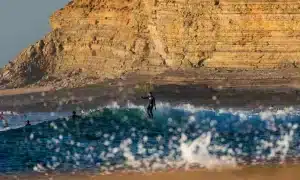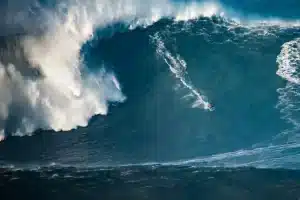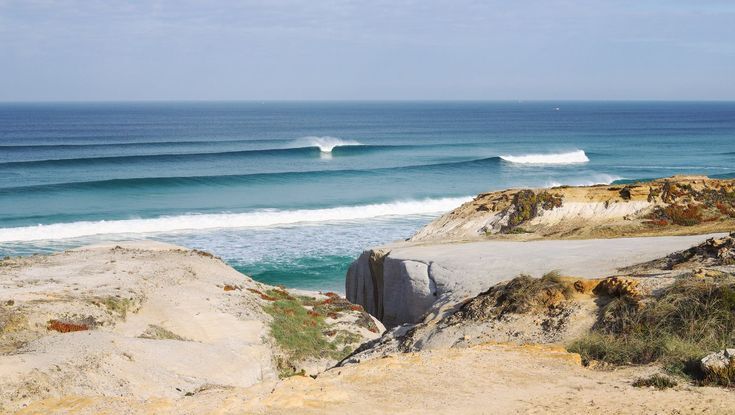

After years chasing waves across Portugal, I’ve learned that Peniche stands alone as the country’s most consistent surf destination. This compact peninsula 90 minutes north of Lisbon delivers what no other European spot can: surfable waves 365 days a year, offshore winds always available somewhere, and 30+ breaks ranging from Supertubos’ WSL Championship Tour barrels to Baleal’s beginner paradise. Peniche’s geography is brilliantly simple—a small landmass surrounded by ocean on three sides creating natural wind protection and swell exposure from every direction. This guide covers everything from world-class barrels to gentle learning waves across Peniche’s diverse breaks.
Worth Knowing
- ✓ Peniche’s unique peninsula geography guarantees offshore winds somewhere—when north winds blow, the south coast fires clean
- ✓ 30+ breaks within 20 minutes means you’ll always find quality waves matched to your ability level
- ✓ Supertubos hosts the WSL Championship Tour every October, showcasing world-class barrels that rival any beach break globally
- ✓ September-October offers peak conditions: powerful 3-8 ft swells, warm water (16-18°C), and the WSL event atmosphere
Quick Surf Guide to Peniche
- Best season: September-October for powerful swells, warm water, and WSL event
- Best for beginners: Baleal (Cantinho da Baía) year-round
- Best for intermediates: Lagide, Molhe Leste, Almagreira
- Best for advanced: Supertubos, Papoa, Prainha (when big)
- Main wave types: Beach breaks, reef breaks, harbor wall break
- Water temp range: 14-19°C (57-66°F)
- Wetsuit needed: 3/2mm summer, 4/3mm autumn/spring, 5/4mm winter
- Budget level: €25-80/day (excellent value for Western Europe)
Why Surf in Peniche?
Peninsula Geography: Always Offshore Somewhere
Understanding Peniche’s magic starts with geography. The peninsula extends into the Atlantic at roughly a right angle to the main Portuguese coastline, creating three distinct coastal orientations: north-facing beaches receiving northwest swells, west-facing beaches catching pure Atlantic energy, and south-facing breaks picking up southwest swells. More importantly, this geometry means wind that’s onshore on one side is offshore on the other.
When prevailing north winds blow during summer, the south coast breaks fire with clean offshore conditions. Supertubos, Molhe Leste, and southern breaks become glassy while northern beaches get choppy. When less common south winds arrive, the north coast activates with spots like Lagide, Prainha, and Almagreira turning on. This geographical advantage makes Peniche stand out when surfing in Portugal only Peniche provides this level of year-round reliability.
30+ Breaks Within 20 Minutes
Peniche concentrates exceptional wave diversity into a compact area. From town center, I can drive to any break in the region within 20 minutes maximum, most within 10 minutes, several within walking distance. This density of quality surf is unmatched in Europe.
The variety spans the full spectrum: Supertubos delivers world-class barrels over sand, Baleal offers gentle learning waves, Papoa throws heavy reef barrels for experts, Consolação provides long beach break rides, and Prainha catches swell when everywhere else goes flat. This means you can progress through ability levels without changing locations—beginners start at Baleal’s protected bay, intermediates move to more exposed beach breaks, and advanced surfers tackle Supertubos when it’s pumping.
Home of Supertubos & the WSL Championship Tour
Supertubos put Peniche on the global surf map. Since 2009, the Meo Rip Curl Pro Portugal has showcased the world’s best surfers competing in hollow, powerful barrels that rival any beach break on the planet. After watching Gabriel Medina, John John Florence, and Carissa Moore tackle Supertubos, I can confirm the wave’s legitimate world-class quality.
Beyond the professional competition, Supertubos attracts serious surfers year-round. When conditions align with proper swell, offshore wind, and tide, this wave produces barrels that challenge even experienced surfers. Successfully riding Supertubos earns legitimate respect in any lineup worldwide.

Best Surf Spots in Peniche by Area
South Coast: Main Surf Hub
The south-facing coast from Peniche town to Supertubos offers the most famous breaks and best infrastructure. When north winds blow (common in summer), this entire coast goes offshore and clean.
Supertubos – Best for Advanced-Expert
Wave type: A-frame beach break producing lefts and rights
Best swell: Autumn through spring with size + offshore winds
Best season: September-February
Skill level: Varies—intermediate on small summer days (2-4 ft), expert-only when firing (6-10 ft)
Hazards: Powerful barrels, heavy closeouts, intense crowds
Crowds: Very heavy during WSL event and quality swells
Supertubos stands as Peniche’s most famous wave and one of Europe’s best beach breaks, translating to “super tubes” for the hollow barrels that made it legendary. The right is typically longer while the left offers more hollow sections. After years watching this break, I can confirm it produces barrels with reef-like power despite breaking over sand. Sandbars shift seasonally, changing wave character throughout the year.
Molhe Leste – Best for Intermediate
Wave type: Harbor wall break producing long rights
Best conditions: Protected from wind by harbor wall
Best season: Year-round
Skill level: Intermediate
Access: Walking distance from Peniche town center
Crowds: Consistent due to convenience and shelter
Molhe Leste breaks beside Peniche’s eastern harbor wall, creating unique wind-protected dynamics. I’ve found the harbor wall provides significant shelter, making this spot work when other breaks are onshore. Long, workable rights peel parallel to the harbor from knee to overhead depending on swell.

Baleal Area: Beginner Paradise
The Baleal peninsula offers protected conditions perfect for learning and progressing, with multiple breaks catering to different abilities.
Baleal (Cantinho da Baía) – Best for Beginners
Wave type: Gentle beach break over sandy bottom
Best season: Year-round, especially summer
Skill level: Beginner to intermediate
Hazards: Minimal—gradual depth, sandy bottom
Access: Multiple surf schools operating year-round
Crowds: Heavy with surf schools, but multiple peaks spread surfers
Baleal represents Peniche’s beginner headquarters—a horseshoe-shaped bay offering protected conditions I recommend to everyone learning. Cantinho da Baía specifically refers to the corner where most surf schools operate. The bay orientation filters raw Atlantic power, typically running 2-4 ft even when Supertubos hits 6-8 ft. Protection from north winds means offshore conditions here when other spots are onshore, and forgiving wipeouts make it perfect for learning.

Lagide – Best for Intermediate
Wave type: Beach break with punchy peaks
Best swell: Northwest to west
Best wind: South (offshore)
Best tide: Low to mid
Skill level: Intermediate
Crowds: Moderate (requires short drive)
Lagide offers powerful beach break peaks on Peniche’s north coast near Baleal. South winds make it offshore and clean when southern breaks are onshore. I’ve found punchy peaks with barrel potential on lower tides, and multiple peaks spread along the beach over sandy bottom reduce crowd pressure.
Almagreira – Best for Intermediate
Wave type: Beach break with multiple peaks
Best season: Year-round
Skill level: Intermediate, families
Crowds: Light to moderate
Access: Short drive from Baleal toward Ferrel
Almagreira offers quality beach break surf without the intense crowds of Supertubos or Baleal. After surfing here regularly, I appreciate the relaxed vibe and manageable crowds. Multiple sandbars create numerous takeoff zones, reducing competitive pressure for waves. The wave characteristics resemble other Peniche beach breaks—punchy peaks, hollow sections on lower tides, workable walls for progression.
North Coast & Outlying Breaks
Prainha – Best for All Levels (Size Dependent)
Wave type: Beach break, swell magnet
Best conditions: Northwest facing, catches swell when other spots are flat
Best season: Summer for small conditions, autumn-winter for size
Skill level: Intermediate on small days, expert-only when firing
Crowds: Light due to slight remoteness
Prainha captures energy when other spots run flat, earning its “swell magnet” nickname. The north-facing exposure concentrates swell, making it rideable during summer’s smallest periods. I’ve learned to check here during flat spells but avoid it when massive swells max it out.
Consolação – Best for Intermediate+
Wave type: Long exposed beach break
Best swell: Northwest, west, southwest
Best wind: Light or offshore
Skill level: Intermediate to advanced
Access: 10 minutes south of Peniche, requires transport
Consolação stretches south of Peniche as a long, exposed beach break that picks up significant swell. The beach’s length and multiple peaks create numerous surfing options spread across several kilometers, allowing crowds to disperse naturally. Swell exposure makes it reliable year-round, but it works best with light winds or offshore conditions.
Papoa – Best for Expert
Wave type: Heavy reef break
Best swell: Significant northwest swell
Best tide: Mid to high (for water depth over reef)
Skill level: Expert only
Hazards: Shallow rock bottom, powerful barrels, reef impacts
Crowds: Limited by difficulty
Papoa represents Peniche’s serious challenge—a heavy reef break that demands expert-level skills and ocean knowledge. Located north of Baleal, this spot breaks over rock bottom with shallow sections that create intense consequences for mistakes. Only confident, experienced surfers should paddle out here. The wave produces powerful, hollow barrels when proper swells activate the reef, with rights offering fast, critical sections over extremely shallow rock.

When to Surf in Peniche: Best Seasons & Conditions
Summer (June-August) – Perfect for Beginners
Summer transforms Peniche into beginner paradise. The powerful Atlantic swells mellow into gentle rollers averaging 1-3 ft (0.3-1 m). Water temperatures climb to 17-19°C (63-66°F), making sessions comfortable with a 3/2mm wetsuit.
The tradeoff is peak crowds, especially at Baleal where surf schools concentrate. I’ve found that the gentle waves and warm conditions make summer ideal for first lessons despite the busy lineups.
Best for: Beginners | Water temp: 17-19°C | Wetsuit: 3/2mm | Crowds: Very heavy
Autumn (September-November) – Peak Season
Autumn represents Peniche surf at its absolute finest. The first Atlantic storms send powerful groundswells toward the coast, creating waves averaging 3-8 ft (1-2.5 m) at exposed breaks. September and October offer the perfect combination—powerful swells, warm water (16-18°C), the WSL Championship Tour event, and manageable crowds.
After years timing my trips, I consider September-October the sweet spot. This is when Peniche’s surf capital status truly shines, with Supertubos producing world-class barrels and options across all ability levels.
Best for: All levels | Water temp: 15-18°C | Wetsuit: 4/3mm | Crowds: Moderate (heavy during WSL)
Winter (December-February) – Big Wave Season
Winter unleashes the Atlantic’s full power. Massive North Atlantic systems generate swells exceeding 10-15+ ft (3-4.5+ m) at exposed breaks. Water temperature drops to 14-16°C (57-61°F), requiring 5/4mm wetsuits plus boots.
I recommend winter strictly for experienced surfers—the powerful swells create heavy, consequence-laden conditions. However, Peniche’s variety means sheltered spots like Baleal still offer surfable conditions even when exposed coasts are maxing out.
Best for: Expert only | Water temp: 14-16°C | Wetsuit: 5/4mm + boots | Crowds: Light
Spring (March-May) – Shoulder Season Value
Spring offers excellent shoulder season balance for intermediates. Swells maintain enough energy to create quality surf, averaging 3-6 ft (1-2 m). Water temperature slowly climbs to 15-17°C by May.
Crowds remain light, and I’ve found May delivers excellent spring conditions with consistent waves and shoulder season prices—often Peniche’s best overall value for money.
Best for: Intermediate+ | Water temp: 15-17°C | Wetsuit: 4/3mm | Crowds: Light
Practical Tips for Surfing in Peniche
What to Pack (Wetsuit Guide & Gear)
Peniche requires wetsuits year-round. After years surfing here, I recommend:
- Summer (Jun-Aug): 3/2mm wetsuit
- Autumn (Sep-Nov): 4/3mm wetsuit
- Winter (Dec-Feb): 5/4mm wetsuit + neoprene boots
- Spring (Mar-May): 4/3mm wetsuit
Even during August peak warmth when water reaches 17-19°C, extended sessions cause hypothermia without thermal protection. A proper wetsuit extends your water time and enhances enjoyment significantly.
Recommended Gear Checklist
☐ Neoprene boots (3mm for winter sessions)
☐ Surf watch / tide tracker (recommended models)
☐ Boardbag (essential for flights)
☐ Reef-safe sunscreen
☐ Travel insurance covering surf-related injuries
☐ Quick-dry towel and changing robe
☐ Wax appropriate for water temperature
Getting to & Around Peniche
Driving from Lisbon Airport to Peniche takes approximately 90 minutes via the A8 freeway. Rental cars cost €25-60 daily, with advance booking securing better rates. Bus service connects Lisbon to Peniche multiple times daily via Rede Expressos for €8-12 one-way.
I recommend cars for serious surfers planning to chase the best conditions daily. The ability to check multiple breaks, chase offshore conditions, and explore spots beyond walking distance maximizes your surf opportunities. However, cars aren’t essential if you base yourself strategically—staying in Baleal puts several quality breaks within walking or cycling distance.
Surf Etiquette & Safety
Peniche’s surf etiquette follows universal rules. After years in these lineups, I’ve learned:
- The surfer closest to the peak has priority—don’t drop in
- Show respect for locals who’ve surfed these breaks for years
- Don’t paddle straight to the peak on your first session at spots like Supertubos or Papoa
- Know your limits—don’t paddle out at breaks beyond your ability
- Be aware of reef hazards at Papoa and other rock-bottom breaks
- Check conditions before paddling out, especially during big swells
Where to Stay: Peniche vs Baleal vs Ferrel
Choosing between accommodation areas significantly affects your surf trip experience. After staying in all three, here’s what I’ve learned:
Peniche Town: Authentic Fishing Village
Choose Peniche Town for: Authentic Portuguese character with working fishing port, close proximity to Supertubos and Molhe Leste (walking distance), better nightlife and dining variety, lower accommodation prices than Baleal, better availability during peak season, and year-round businesses.
Accommodation options:
- Budget hostel dorms: €15-25 per person per night with board storage
- Private rooms: €40-70 for doubles in hostels or guesthouses
- Surf lodges: €60-120 per night with breakfast and surf amenities
- Mid-range hotels: €100-180 per night for comfort and style
Baleal: Dedicated Surf Village
Choose Baleal for: Total immersion in surf culture, immediate proximity to beginner waves (Cantinho da Baía steps away), ability to check conditions from your accommodation, surf lodge concentration with communal areas, built-in surf community, and ideal setup for families learning.
Trade-offs: Limited restaurant/nightlife options, slightly higher accommodation prices, tight summer availability (book ahead).
Ferrel: Budget-Friendly Middle Ground
Choose Ferrel for: Traditional Portuguese village atmosphere, lower accommodation costs than both Peniche and Baleal, quiet residential environment, and reasonable access to multiple breaks with a car.
Trade-offs: No immediate surf infrastructure, limited dining/nightlife, requires driving to breaks and entertainment.
How to Choose Surf Accommodation
☐ Verify surf school certifications and reviews (for camps)
☐ Confirm what’s included (boards, wetsuits, meals, transport)
☐ Book for the right season (autumn for best waves, summer for learning)
☐ Read cancellation policies carefully
☐ Look for board storage and wetsuit drying facilities
☐ Consider kitchen access for self-catering budget savings
Surf Schools & Lessons in Peniche
Peniche’s concentration of quality surf schools offers instruction at all levels. After teaching friends here and observing numerous schools, I can share what works best.
Best for Beginners
Beginner surf schools concentrate around Baleal’s protected bay where consistent, gentle waves create ideal learning conditions. Group lessons typically cost €25-40 for two-hour sessions including equipment. Multi-day packages (5-7 lessons) run €120-250, offering better per-session value.
Key factors when choosing schools: instructor certifications (Portuguese Surfing Federation certified), student-to-instructor ratios (6-10 students per instructor is standard), equipment quality and proper fitting, insurance coverage, and safety protocols including ocean awareness and rip current education.
Intermediate Progression & Surf Guiding
Intermediate surfers benefit from specialized instruction focusing on positioning, wave selection, and maneuver execution. Video analysis services provide invaluable feedback for progression—I recommend booking sessions that include video review.
Experienced surfers visiting Peniche benefit from local guides who understand break characteristics, optimal tide and wind windows, and crowd dynamics. Surf guiding rates typically run €50-80 for half-day sessions, taking small groups (2-4 surfers) to appropriate breaks based on current conditions.
How Much Does Surfing in Peniche Cost?
Peniche offers excellent value compared to other European surf destinations. After tracking expenses over multiple trips, here’s realistic budgeting:
Sample Daily Budgets
Budget Trip: €25-35/day
Hostel dorm: €15-20 | Self-catered meals: €8-12 | Board rental: €15-25 (if needed) | Minimal extras
Mid-Range: €55-75/day
Private room/surf lodge: €40-60 | Mix of restaurants and self-catering: €20-30 | Board rental or lessons: €20-30 | Transport and extras: €10-15
Comfortable: €100-130/day
Quality accommodation: €70-100 | Restaurant meals: €25-40 | Lessons or guiding: €30-50 | Car rental share: €10-20 | Activities: €10-15
Equipment & Lesson Costs
- Board rentals: €15-25 daily for soft-tops or performance boards
- Wetsuit rentals: €10-15 daily
- Week packages (board + wetsuit): €100-150 for seven days
- Group surf lessons: €25-40 per 2-hour session with equipment
- Private lessons: €50-80 per hour
- Week-long surf camps: €400-800 including accommodation, meals, and lessons
Beyond Surfing: What to Do in Peniche
While waves dominate most visitors’ time, Peniche offers activities that enhance your surf trip with cultural experiences and natural beauty.
Berlengas Islands Day Trip
The Berlengas archipelago sits 10 kilometers offshore, a protected nature reserve featuring dramatic granite formations, sea caves, and crystal-clear water. Day trips depart from Peniche harbor during summer (May-September) for €50-70 round-trip. I recommend the kayaking and snorkeling—the underwater beauty rivals anywhere I’ve explored.
Fresh Seafood & Portuguese Cuisine
Peniche’s fishing heritage delivers exceptional seafood at reasonable prices. Traditional restaurants along the harbor serve grilled fish with potatoes and salad for €15-25. I recommend Tasca do Joel beside the fish factory—professional surfers flock here during the WSL event for authentic Portuguese cooking.
Don’t miss pastéis de nata from local bakeries, fresh bread still warm from ovens, and regional wines that pair perfectly with seafood.
Peniche Fortress & Historic Center
Peniche’s historic fortress served as a political prison during Portugal’s dictatorship era, now functioning as a museum. The fortress offers panoramic ocean views and historical context for understanding modern Portugal. Walking through the old town reveals traditional architecture and authentic neighborhoods largely unchanged by tourism.
Frequently Asked Questions
When is the best time to surf Peniche?
September through November offers peak conditions combining solid Atlantic swells (3-8 ft), relatively warm water (15-18°C), and manageable crowds. I consider September-October the sweet spot. For beginners, summer (June-August) provides gentle waves ideal for learning. Expert surfers find winter (December-February) delivers maximum power and size, though cold water and challenging conditions demand experience.
Is Peniche good for beginner surfers?
Absolutely. After teaching numerous friends here, I can confirm Peniche excels for beginners particularly during summer months. Baleal’s protected bay offers gentle, consistent waves perfect for learning, and numerous quality surf schools provide certified instruction. The peninsula geography ensures alternative breaks when conditions get challenging.
Can you surf year-round in Peniche?
Yes. Peniche delivers surfable waves 365 days per year thanks to its peninsula geography providing swell exposure from multiple directions and offshore wind options regardless of prevailing conditions. Even during summer’s smallest swell windows, spots like Prainha capture enough energy for sessions. This year-round reliability makes Peniche Portugal’s most consistent surf destination.
What’s better: Peniche or Ericeira?
Both destinations offer world-class Portuguese surf with different characteristics. I’ve found Peniche provides more consistent year-round waves thanks to peninsula geography, better beginner infrastructure, and slightly lower prices. Ericeira features Europe’s only World Surfing Reserve with more powerful reef breaks and more charming old town atmosphere. Ideally, visit both as they sit just 40 minutes apart—many traveling surfers combine them into one trip.
Do I need a wetsuit in summer?
Yes, always. Even during August peak warmth when water reaches 17-19°C, I use at least a 3/2mm wetsuit. Extended sessions in Portuguese Atlantic water cause hypothermia without thermal protection regardless of summer timing. Proper wetsuits extend your water time and enhance enjoyment significantly.
How do I watch the WSL event at Supertubos?
The Meo Rip Curl Pro Portugal runs in October during a two-week waiting period. Event organizers announce competition days based on optimal conditions. Access to the beach is free—I recommend arriving early for good viewing positions. Expect large crowds during prime heats. Check the WSL website or app for live schedules and streaming options.
Do I need a car to surf in Peniche?
Not essential, but highly recommended for serious surfers. Cars unlock Peniche’s full potential by allowing you to check multiple breaks and chase the best conditions. However, I’ve done car-free trips successfully by basing in Baleal, where several quality breaks are within walking or cycling distance. Surf schools also often provide transport to appropriate breaks for lesson participants.
How much does a surf trip to Peniche cost?
Budget trips work for €25-35/day (hostel dorms, self-catering, minimal extras). Mid-range trips run €55-75/day (private rooms, mixed meals, equipment rental). Comfortable trips cost €100-130/day (quality accommodation, restaurants, lessons, car rental). Week-long surf camps including accommodation, meals, and lessons range from €400-800.
After years exploring Peniche’s waves, I hope this guide helps you score epic surf—from the beginner-friendly sanctuary of Baleal to the world-class barrels of Supertubos. Pack your wetsuit, book your accommodation, and get ready to discover why Peniche stands as Portugal’s undisputed surf capital. See you in the lineup!
For more Portuguese surf destinations, explore our guides to surfing in Ericeira, surfing in Nazaré, and the complete surfing in Portugal overview.