
September is a hinge month, the best of two worlds meeting. In the south, the final great swells of the Southern Hemisphere winter are still rolling through Chile, the South African season hasn’t quite surrendered, and the Indonesian archipelago is in its last weeks of peak offshore conditions. In the north, everything is beginning to stir. The North Atlantic has woken from its summer flat spell, and the Bay of Biscay is receiving its first long-period groundswells of the season, some of the most anticipated surf events in the European calendar. Japan is deep in typhoon season. The Philippines is flickering to life at Siargao after months of near-flat. Portugal’s reef breaks are transitioning from summer playthings to serious autumn machines. September rewards the traveller who understands the transitions, because the windows of optimal crowd-to-quality ratio open only briefly: the summer masses have cleared, the peak-season prices have dropped, but the best waves of the year are just arriving.
Ten destinations for September, eight known quantities and two the crowds haven’t quite found yet.
Quick Overview, Where to Surf in September
- Siargao, Philippines, Season opens: Cloud 9 firing for the first time since winter, offshore winds established, crowds pre-Cup
- Hossegor, France, Golden window: warm water, first autumn swells, summer crowds departed, La Gravière at its best
- Ericeira, Portugal, Autumn season begins: Ribeira d’Ilhas and Coxos waking up, World Surfing Reserve emptying of summer tourists
- Pichilemu, Chile, Final weeks of peak SW swell season; Punta de Lobos at its most powerful before the season closes
- Mentawai Islands, Indonesia, Season tail end but still firing; quieter than August peak
- Bali, Indonesia, Dry season extending; Uluwatu and Bukit reefs still quality before the wet season arrives
- Japan (Chiba & Miyazaki), Typhoon swell season peak; overhead barrels from Tokyo day-trips, no passport required for most
- The Maldives, Season continuing with still-consistent swells; crowds thinner than peak August
- Banyak Islands, Indonesia, Hidden gem: Peak season tail-end / shoulder-season transition; Treasure Island and Bay of Plenty nearly empty
- Lanzarote & Fuerteventura, Canary Islands, Hidden gem: First Atlantic swell of season, warm water and air, 12 months of wind-sculpted perfection
Siargao, Philippines
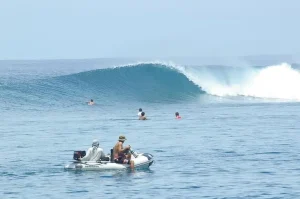
September marks the start of Siargao’s surf season as North Pacific typhoon systems begin generating NE groundswells. Around 60% of days bring surfable waves, often 6 ft or bigger, with reliable SW offshore winds in the mornings. The island’s most famous wave, Cloud 9, is a powerful right-hand reef break known for its thick barrels over a shallow coral shelf. September offers excellent conditions with fewer crowds than the busy November competition period. Beyond Cloud 9, Siargao has 15+ breaks within a short distance, including Stimpy’s, Jacking Horse, Daku Reef, and Rock Island, all easily reached by motorbike from General Luna.
Season opens, Cloud 9 firing properly for the first time since winter, world-class barrels before the Cup crowds arrive in November.
Beg
Int
Adv
Cloud 9 is expert-only when it’s pumping, shallow reef at 3-6 ft depth, fast pitching lip, consequences for errors. On smaller days (chest-to-head-high) it softens considerably and can be surfed by confident intermediates; reef booties are strongly recommended at all times. Jacking Horse, Daku Reef, and Daku Island are legitimate beginner options with softer waves and more forgiving conditions. September’s typhoon season proximity is real, Siargao sees 1-2 typhoons per month in September vs. 3-4 in August, so conditions are more settled but the risk of disruption exists; monitor forecasts. Water is 27-28°C, boardshorts only. Fly to Sayak Airport (IAO) via Cebu (CEB) or Manila (MNL), budget 45 minutes by tricycle to General Luna from the airport. Accommodation 20-30% cheaper than the November Cup window.
Where to Stay
- Harana Surf Resort, General Luna, Siargao · ★ 4.9 · the most highly rated surf-specific resort on the island, with rooms designed around surf-first living, morning wake-up forecasts, guided boat trips to the outer reefs and Stimpy’s, and the best position in General Luna for daily Cloud 9 sessions; September guests get the resort at peak wave quality and off-peak price, a combination that rarely exists for long
- Punta Punta Surf Retreat, General Luna · ★ 4.8 · boutique resort directly opposite the Cloud 9 and Jacking Horse surf points, a mix of glamping tents and deluxe bungalows in a palm-shaded garden setting, with the added luxury of watching the Cloud 9 lineup directly from the property; the choice for surfers who want the visual theatre of being opposite the break as much as they want to be in it
- Single Fin Siargao, General Luna · ★ 4.7 · the best-value option for social solo travellers, thatched-roof common areas, plunge pool, garden space, and the kind of communal surf culture that makes September’s pre-Cup window the ideal time to be here; boards can be rented on-site and staff will direct you to the best current conditions across the island’s breaks
Hossegor, France
September and October are considered the golden months for surfing in Hossegor. The first autumn Atlantic low-pressure systems send consistent W-NW swells toward the Landes coast, while easterly offshore winds create clean conditions that turn the beach breaks into powerful barrel waves. With summer crowds mostly gone, lineups become far more manageable. September is especially appealing because water temperatures remain warm at 20-22°C, with pleasant air temperatures around 20-25°C. Famous breaks like La Gravière, Les Culs Nus, and Les Estagnots begin to fire more regularly, producing the hollow beach break waves that make Hossegor one of Europe’s most famous surf destinations.
The golden window, first autumn swells, warmest water of the year, La Gravière firing with summer crowds already gone.
Beg
Int
Adv
La Sud and Les Estagnots are accessible to competent beginners and intermediates throughout September. La Gravière and Les Culs Nus are for experienced surfers, heavy drops, powerful shore break, strong rip currents. La Nord only activates on the biggest swells (typically not until late October/November). Conditions are heavily swell- and wind-dependent even in optimal months, check Surfline or Windguru before driving from Biarritz. A 2mm shorty or spring suit is comfortable through most of September; a 3/2 is useful for late-month when water cools toward 20°C. Fly into Biarritz (BIQ) 25 km south, budget flights from London, Amsterdam, and Paris are regularly available. The WSL Quiksilver/Roxy Pro France contest window often runs in late September to early October; if the event is called on, expect the La Gravière crowd to spike dramatically during heat windows.
Where to Stay
- JO&JOE Hossegor, Hossegor · ★ 4.8 · the standout contemporary surf-stay in the area, a “poshtel” format with modern amenities, social spaces, on-site bar and good food, and direct access to the main breaks; popular with the post-summer surf crowd that fills Hossegor in September, where the communal atmosphere is at its most authentic before the WSL contest arrives
- Oasis Surf House Hossegor, Hossegor · ★ 4.7 · the best-value dedicated surf hostel walking distance from La Gravière, board storage, bike rental, and a social culture that attracts experienced travelling surfers from across Europe arriving specifically for the September-October swell window; the September off-season pricing makes the value considerably better than the summer months
- Boardingmania Surf School & Camp, Hossegor / Seignosse · ★ 4.7 · one of Hossegor’s most established all-levels surf operations, with September guides who know exactly which swell angle fires which section of the Landes coast, particularly valuable for intermediate surfers who want to navigate the beach break’s constantly shifting sandbars with the expertise of someone who reads them every single day
Ericeira, Portugal
Ericeira is Europe’s only World Surfing Reserve, thanks to the high concentration of quality waves along a short stretch of coast just north of Lisbon. September marks the start of the real surf season, as North Atlantic low-pressure systems begin sending consistent W-NW swells toward the Portuguese coast. Ribeira d’Ilhas is the most accessible break, offering long right-hand walls that regularly host WSL events. Further north, Coxos delivers one of Europe’s most powerful right-hand reef breaks, while Pedra Branca offers a fast, hollow left. Foz do Lizandro remains the main beginner-friendly beach break. With warm late-summer weather and fewer tourists than July and August, September is one of the best times to experience Ericeira’s surf and relaxed fishing village atmosphere.
Europe’s only World Surfing Reserve in its best month, Ribeira d’Ilhas and Coxos waking up, summer tourists gone, autumn swells arriving.
Beg
Int
Adv
Foz do Lizandro is beginner-appropriate year-round. Advanced beginners and intermediates have an excellent September on Ribeira d’Ilhas and the gentler sections of Praia do Norte when swells are 3-5 ft. Coxos and Pedra Branca are for experienced surfers only, sharp reef, powerful waves, consequences. Water reaches its September peak of around 20°C, the warmest of the year, requiring a 2mm shorty or spring suit; bring a 3/2 for later in the month as air cools. Fly to Lisbon (LIS) and either drive (35 min) or take the bus (under €7 from Campo Grande station). Ericeira is one of Europe’s most accessible quality surf destinations in terms of flight connections and cost. Book accommodation early for September, the town fills with intermediate and advanced surfers from across Europe specifically for the autumn season transition.
Where to Stay
- The Salty Ericeira, Ericeira · ★ 4.9 · consistently rated the best surf camp in town, with the September sweet spot fully in the guides’ plans, daily lessons and sessions covering the full range of Ericeira’s breaks from Foz do Lizandro beginners to Ribeira d’Ilhas intermediates, with yoga, board hire, and accommodation packages that represent genuinely good value in a town that can otherwise be pricey for the quality on offer
- Laneez Ericeira Surf House, Ericeira · ★ 4.8 · the most stylishly designed surf accommodation in the town, with Atlantic views from salt-washed balconies and reading nooks that make the September shoulder-season vibe genuinely atmospheric, rated “superb” by former guests; the best combination of aesthetics and direct ocean access in the Ericeira portfolio, bookable as accommodation with add-on surf lessons
- Lapoint Surf Camp Ericeira, Ericeira · ★ 4.7 · an internationally established camp brand with strong infrastructure and guide quality, the September all-levels programme covers the transition from summer’s beginner-friendly conditions to the more powerful autumn reef breaks, making it particularly well-suited to intermediate surfers who want to push their level in the season’s improving conditions
Pichilemu, Chile
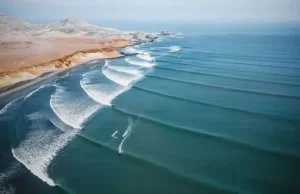
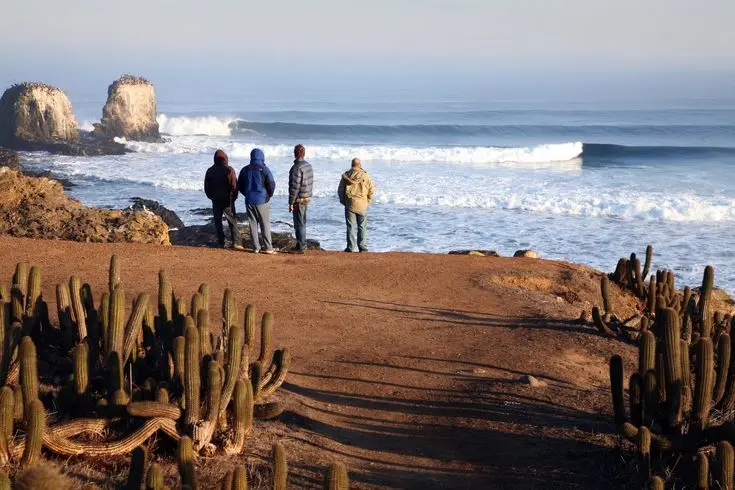
Located about 200 km southwest of Santiago, Pichilemu is one of South America’s top surf destinations, with a season running from April to October. September still benefits from powerful SW groundswells generated by Southern Ocean storms. The main wave, Punta de Lobos, a designated World Surfing Reserve, is a long left-hand point break that can produce 200-400 metre rides past the iconic sea stacks known as Los Morros. The wave can handle large swells and is especially popular with goofy-foot surfers chasing long walls and occasional barrel sections. Pichilemu itself is a relaxed coastal town known for good seafood and easy access to the Colchagua wine region. Water temperatures are cold at 13-16°C, so a 4/3 wetsuit or thicker is recommended.
Final peak weeks of South America’s best left point, Punta de Lobos at full power before the Southern Ocean swell season closes.
Beg
Int
Adv
Punta de Lobos itself is advanced territory, powerful waves, strong localism at the main takeoff zone, shallow cobblestone and rock on the inside. La Puntilla (the inside sand bar) and the town’s main beach break are beginner and intermediate-accessible. Infernillo is for experienced surfers who can handle fast, hollow sections over a shifty bottom. Cold water is the defining practical challenge: 13-16°C requires a quality 4/3mm wetsuit minimum; September’s bigger swells call for 5/4mm. Board selection matters, a step-up or mid-length for intermediate days, a gun or large step-up for the overhead-plus conditions Lobos delivers on solid swells. Fly to Santiago (SCL), take a 3-4-hour bus or rental car to Pichilemu. Accommodation is affordable, food is excellent, and the uncrowded Chilean coast feeling is authentic and substantial.
Where to Stay
- Surf Lodge Punta de Lobos, Pichilemu · ★ 4.9 · the definitive Pichilemu stay, a Scandinavian-influenced lodge tucked into the coastal forest above the point, with a pool, spa, and the kind of setting that makes the cold-water sacrifice feel genuinely worthwhile; surf school partnerships and guided Punta de Lobos sessions for guests give the September swell window maximum access, and the restaurant’s Chilean seafood is among the best in the region
- Punta de Lobos Surfcamp, Pichilemu · ★ 4.8 · the most established dedicated surf camp at the point, ISA-certified instructors, equipment included, accommodation in a garden setting a short walk from the beach, sauna for post-session recovery, co-working space; 7-day all-inclusive packages are the most popular format and September gives the best chance of the season’s remaining big-wave windows alongside more manageable intermediate conditions
- SuperFun Chile surf packages, Pichilemu · ★ 4.8 · widely regarded as the best-guided surf experience in the country, 3 and 5-day packages based at Hotel Alaia (hot tub, pool) with expert local guide sessions; September is a prime window because the local guides’ knowledge of exactly when and how Lobos performs at different swell angles becomes the difference between an average session and one of those trips that stays with you for years
Mentawai Islands, Indonesia
September marks the transition from peak to shoulder season in the Mentawais. Swells become slightly less frequent than in July and August, but around 70-80% of days still offer surfable waves, and famous breaks like HT’s, Bank Vaults, Macaronis, Rifles, and Telescopes continue to fire on the right swell. With the main peak season ending, crowds begin to drop and both charter boats and surf resorts often have more availability. Conditions remain excellent, though swells may be a little less consistent and the SE trade winds start to become more variable as the wet season approaches. For surfers looking for world-class waves with fewer people in the lineup, September can be an ideal time to visit.
Season winding down but still delivering world-class surf, better lineup access and off-peak prices as the charter fleet begins to quieten.
Beg
Int
Adv
September Mentawais are for intermediate-to-advanced surfers, all breaks are reef-based, boat-access-only, and remote (nearest evacuation hospital is a long journey). The shoulder season means you need more patience between solid swells, but the reduced crowd makes the sessions that do fire significantly more enjoyable. Board quiver, reef booties, and evacuation-grade travel insurance are all non-negotiable. Fly to Padang (PDG) and arrange resort or charter transfers from there, shorter-notice availability improves in September compared to peak season, but prime resorts still need advance booking.
Where to Stay
- Kandui Resort, North Mentawais · ★ 4.9 · the flagship Mentawai land resort, with the added September advantage that a resort running at 70% of August capacity means guides can give groups more personalised attention; the Playgrounds zone has 10+ named breaks and daily boat trips to HT’s, Macaronis, and Bank Vaults continue through September without the pressure of the peak-season booking queue
- Indies Trader surf charter, Full chain · ★ 4.8 · September is one of the most interesting months for a Mentawai charter because the combination of still-active swell and reduced boat traffic means genuinely quiet lineups at breaks that were elbow-to-elbow in August; Indies Trader charters run through October and September availability is often better than the peak months
- Macaronis Surf Resort, South Mentawais · ★ 4.8 · the resort positioned directly in front of Macaronis, the Mentawais’ most celebrated intermediate-to-advanced right-hand point break, with September giving the best combination of quality waves and off-peak access that the resort offers across its full operating window
Bali, Indonesia
September marks the end of Bali’s dry season but still offers reliable surf. SE trade winds are slightly weaker than in July and August, yet morning offshore conditions continue to produce clean waves at famous Bukit Peninsula breaks like Uluwatu, Padang Padang, and Bingin. Swell remains consistent before the wet season begins around October-November. One advantage of September is fewer crowds, as peak summer tourism fades and lineups become more manageable. Canggu continues to offer beginner-friendly beach breaks, while the Bukit reefs provide quality waves for intermediate and advanced surfers.
Last of the dry season, morning offshores still reliable, Uluwatu and Padang Padang quality, August crowd pressure gone.
Beg
Int
Adv
As always: beginners at Canggu and Kuta beach breaks; intermediates progressing at Bingin and the lower sections of Padang Padang; advanced surfers at Uluwatu, Impossibles, and Outside Corner. Water is 28-29°C; boardshorts all session. The Uluwatu sea cave exit requires careful tide awareness regardless of season. The September crowd drop from August’s peak is meaningful, check the dawn patrol rather than waiting until 9am when conditions can already be softening and what crowd reduction September offers is already partly offset by the afternoon sea breeze.
Where to Stay
- Padang Padang Surf Camp, Bukit Peninsula · ★ 4.8 · the benchmark Bukit surf camp, with September’s reduced crowds giving guides more capacity for individual coaching and break selection, the camp’s knowledge of which Bukit breaks work at which tide, swell angle, and wind direction is genuinely the difference between average and excellent sessions, and September is one of the best months for that guidance
- CARI Surf Camp, Padang Padang · ★ 4.8 · boutique small-group format with a 2:1 instructor ratio that becomes even more effective in September’s slightly less chaotic conditions, the camp specialises in progressing intermediate surfers who are ready to commit to their first reef sessions, and the September window before the wet season arrives is an excellent progression context
- Dreamsea Surf Camp Uluwatu, Padang Padang cliffs · ★ 4.7 · the community-focused camp with the best Indian Ocean sunset views on the Bukit, September’s shoulder-season energy gives the social atmosphere of Dreamsea a particular quality, as the crowd of international surfers who fill this camp in peak season is replaced with a more serious and experienced September cohort who are specifically here for the end of the swell season
Japan, Chiba & Miyazaki
September is one of the best months to surf Japan thanks to the typhoon season, which generates powerful NE and SE groundswells across the Pacific coast. Chiba Prefecture, about an hour from Tokyo, is the country’s most consistent surf zone, with beach breaks along its SE-facing coastline. Ichinomiya Beach (Shida), host of the Tokyo Olympic surfing event, offers punchy A-frame peaks on typhoon swells, while nearby Katsuura provides quality right-hand reef waves. Further south on Kyushu, Miyazaki Prefecture offers fewer crowds and excellent consistency, with Kisakihama Beach and Uchiumi Reef delivering strong conditions on typhoon swells. Beyond the surf, Japan offers a unique travel experience with onsen hot springs, outstanding food, and rich cultural sites.
Typhoon season at peak intensity, powerful Pacific groundswells, uncrowded beaches, an extraordinary country as your backdrop.
Beg
Int
Adv
Beginners surf Japan in September on the beach breaks between typhoon swells, Ibii Beach (Miyazaki) and Tainohama (Shikoku) are good learner options when conditions are smaller. Intermediates are well-served at Kisakihama Beach and Ichinomiya on moderate typhoon swells. Advanced surfers should be planning around the typhoon forecast, the best sessions arrive in the 24-72 hour window around a swell’s peak, and flexibility is essential. Water is 24-26°C in September, boardshorts for the whole month; a 1mm rashvest as the month ends. The defining logistical challenge of surfing Japan is forecasting: typhoon swells are powerful when they arrive but can be disorganised and wind-affected; local knowledge from surf schools and the surf-forecast app Windguru is essential. Fly to Tokyo (NRT/HND) for Chiba or Osaka (KIX) / Fukuoka (FUK) for Miyazaki.
Where to Stay
- Surfland Hotel, Ichinomiya, Chiba · ★ 4.8 · a stylish surf-focused lodge right on Chiba’s premier break, the base of choice for Tokyo surfers making the hour-long train journey for a September typhoon swell, and the clearest option for international surfers who want to combine Tokyo’s cultural offering with daily sessions at Japan’s Olympic break; the September crowd profile is almost entirely Japanese surfers, giving the experience a distinctly authentic quality
- PavilionSurf&Lodge, Shikoku Island · ★ 4.8 · the best surf accommodation on Japan’s wild island of Shikoku, facing the beach with a board rack and staff who know the south coast’s breaks with genuine depth, Shikoku’s rivermouth setups are among the most photogenic and uncrowded in the country, and the September typhoon season (peak months July-October) is exactly when they fire; three hours from Osaka and a world away from Chiba’s beach crowds
- Hata Surf Dojo, Shikoku Island · ★ 4.7 · the first and best surf school on Shikoku, running beginner classes and guided surf safaris along the southeast coast’s September typhoon swell windows, particularly valuable for international visitors who are new to Japan’s surf culture, as the guides translate not just the language but the subtle social dynamics of Japanese lineups that can otherwise be opaque to outsiders
The Maldives
September falls just after the peak surf season but still offers excellent conditions in the North Malé Atoll. Swell frequency is slightly lower than June-August, yet consistent Indian Ocean groundswells continue to produce clean waves across the reef passes. Breaks like Sultans, Cokes, Chickens, and Jailbreaks remain reliable, while crowds begin to drop compared to the busy August period. With fewer surfers in the lineup and more accommodation availability on islands like Thulusdhoo, September offers a more relaxed surf experience without losing the Maldives’ warm water and world-class reef waves.
Season continues with quality swells, less crowded than August peak, same extraordinary setting, Sultans and Cokes still very much on.
Beg
Int
Adv
The Maldives is not a beginner destination in September, all breaks are reef, all require boat access, all have consequence. Ninjas remains the most forgiving intermediate option. Sultans is friendly for confident intermediates when the swell is shoulder-to-head high. Cokes is for experienced surfers. Water 28-29°C, boardshorts and reef booties. Fly to Velana (MLE). The September shoulder-season dynamic means charter boats and island camps are both more flexible on availability and occasionally on pricing compared to peak summer.
Where to Stay
- Cokes Surf Camp, Thulusdhoo Island, North Malé Atoll · ★ 4.9 · the Maldives surf camp benchmark, positioned directly opposite Cokes with daily transfers to all North Malé breaks, September availability is better than the June-August peak, and the camp’s 25+ years of swell-reading experience means guides know which breaks fire on the smaller September swells that might seem underwhelming on paper but deliver excellent conditions at the right spots
- Bito’s Guest House, Himmafushi Island · ★ 4.8 · the best-value Maldivian surf camp experience, eight days, affordable, daily transfers to Jailbreaks (directly offshore) and the full North Malé lineup, two meals a day, beach terrace; the September shoulder pricing makes this one of the strongest value propositions in Maldivian surf travel, accessed from the island’s public ferry from Malé
- Cinnamon Dhonveli Maldives, North Malé Atoll · ★ 4.8 · the premium resort with direct access to Pasta Point, September is one of the most enjoyable months at Dhonveli because the exclusive wave access is more meaningful when the North Malé breaks are only slightly less powerful than peak season but with significantly fewer resort boats competing for the lineups
Banyak Islands, Indonesia
Hidden gem
The Banyak Islands are a remote chain of 99 islands off Sumatra’s west coast, located between Simeulue and Nias. Surf season runs from April to October, and September sits near the end of this peak window, with consistent swells still arriving but fewer boats in the area. The archipelago offers several world-class reef breaks including Treasure Island, a powerful right-hand barrel, Cobra, a fast hollow left for advanced surfers, Bay of Plenty (Gunturs) with multiple peaks, and Joysticks, one of the most consistent waves in the region. Extremely remote and largely undeveloped, the Banyaks are usually accessed by charter boats or surf resorts, rewarding surfers with high-quality waves and very uncrowded lineups.
One of Indonesia’s least-known surf archipelagos in its best season, Treasure Island and Bay of Plenty with essentially nobody else out.
Beg
Int
Adv
The Banyaks are an intermediate-to-advanced destination with no infrastructure for independent travel, all access is via charter boat or dedicated resort, all breaks are reef, and the remoteness (Aceh province, nearest real medical care is hours away) is as extreme as anywhere in Indonesian surf travel. The Bay of Plenty cluster has some forgiving options for competent intermediates on smaller days; Treasure Island and Cobra are for experienced surfers. Boardshorts and reef booties; water 27-28°C. Swell direction sensitivity is higher here than in the Mentawais, local knowledge from your charter guides on which breaks fire on which angle is genuinely critical for maximising the September visit. Fly to Medan (KNO) or Padang (PDG) and arrange onward transfer with your charter.
Where to Stay
- Star Koat 2 surf charter, Banyak Islands · ★ 4.9 · a newly built, premium liveaboard running dedicated Banyak Islands surf trips with an expert team of local guides who know the swell-direction sensitivities of Treasure Island, Cobra, and Bay of Plenty better than any other operation in the region, the full immersion charter experience in one of the most remote and pristine surf environments remaining in Indonesia
- Jiwa Surf Charters, Banyak Islands · ★ 4.8 · the most established charter operation in the Banyaks, running the archipelago’s breaks since before most surfers had heard of it, the guide team’s decade-plus of experience reading the shifting September swell direction toward the NW-influenced patterns is precisely what separates good Banyak sessions from great ones; small groups, unhurried pace, genuinely remote conditions
- Crystal Clear Surf Charter, Banyak / Telo / Mentawai · ★ 4.8 · a top-tier liveaboard with the flexibility to run between the Banyaks, Telos, and Mentawais on a single trip, particularly valuable in September when the Banyaks shoulder season transition means a charter that can pivot toward the Telos or Mentawais on days when the Banyak swell direction isn’t working maximises the overall wave count for the whole group
Lanzarote & Fuerteventura, Canary Islands
Hidden gem
First Atlantic swells of the season, warm water, sun, Fuerteventura reef breaks waking up, four hours from most of Europe.
Beg
Int
Adv
Fuerteventura has legitimate beginner and intermediate options across the Corralejo area beach breaks, wide, sandy, lifeguarded beaches with consistent small-to-medium waves. El Quemao on Lanzarote is expert-only: powerful, very shallow reef, no place for anyone not comfortable in serious water. The September season-opening character means swells can be inconsistent, one solid NW pulse followed by a few days of smaller conditions is typical early-season behaviour; flexibility in your daily plan is a virtue. Water is 22-23°C in September, requiring at most a light spring suit; earlier in the month, boardshorts are viable. Fly to Arrecife (Lanzarote, ACE) or Fuerteventura (FUE), both have excellent budget airline connections from the UK, Germany, and the Netherlands, often for under €80 return in the shoulder season.
Where to Stay
- Flag Beach Surf Lodge, Corralejo, Fuerteventura · ★ 4.9 · the benchmark Corralejo surf lodge, positioned steps from Flag Beach and the surrounding reef and beach breaks that light up in September’s first Atlantic swells, daily guided sessions across all levels from beginner beach break to the northern reef points, with September’s shoulder prices making this one of the strongest value surf-stay propositions in Europe
- Mana Surf Camp Fuerteventura, Corralejo, Fuerteventura · ★ 4.8 · one of the most popular all-levels surf camps on the island, combining daily surf lessons and guided sessions with accommodation, yoga, and a social atmosphere that makes September’s quieter season particularly warm; the guides’ familiarity with the northern coast’s varied breaks, from Las Lajas to El Moro, means the September swell-chasing logistics are handled for you
- La Santa Sport Resort, La Santa, Lanzarote · ★ 4.8 · the defining premium surf and multi-sport resort in the Canary Islands, built directly beside La Santa’s break with El Quemao a short walk down the coast, October and November are El Quemao’s prime months, but September guests get the resort at its warmest and least crowded, with the first significant NW swells beginning to arrive and the full Atlantic winter still ahead of them; particularly suitable for experienced surfers who plan to extend their stay into October