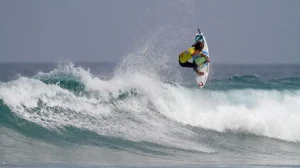

I’ve surfed Cantabria’s coastline multiple times over the past few years, and it’s one of northern Spain’s best-kept secrets. Less crowded than the Basque Country but equally consistent, Cantabria offers long sandy beaches, mellow vibes, and waves for every level. Whether you’re a beginner looking for your first surf camp experience or an intermediate surfer chasing consistent peaks, this region delivers.
Worth Knowing
- Playa de Somo is one of Spain’s best beginner beaches with 6+ kilometers of consistent peaks
- Autumn (Sept–Nov) offers the best conditions: consistent swells, warm water, fewer crowds
- Santander Airport makes Cantabria one of Spain’s easiest surf regions to reach
- Less crowded and more affordable than Basque Country with a welcoming international surf community
Quick Surf Guide to Cantabria
- Best season: Autumn (Sept–Nov) for consistent swells and warm water
- Best for beginners: Playa de Somo
- Best for intermediates: El Sardinero (Santander)
- Best for advanced: Liencres on bigger swells
- Main wave types: Sandy beach breaks, consistent peaks at all tides
- Water temp & wetsuit: 3/2mm in summer, 4/3mm+ in winter
- Crowds: Moderate in summer, quiet in winter
- Cost level: Mid-range (more affordable than Basque Country)
Why Surf in Cantabria?
Consistent Waves for All Levels
Cantabria’s 6-kilometer stretch at Playa de Somo works at all tides and offers multiple peaks spread across the beach. I’ve found that no matter your skill level, you’ll find a wave that suits you. The variety means beginners aren’t competing with advanced surfers for the same peak—there’s space for everyone.
Less Crowded Than Neighboring Regions
While the Basque Country draws massive crowds, Cantabria maintains a more laid-back atmosphere. Even during peak summer months at Somo, I’ve never felt like I was fighting for waves. The local surf community is welcoming, and the international crowd at surf camps creates a friendly, inclusive vibe.
Easy Access and Infrastructure
Santander’s airport makes reaching Cantabria incredibly easy compared to other Spanish surf regions. The concentration of surf schools, camps, and rentals around Somo means everything you need is within reach. I recommend this region for first-time surf travelers to Spain—it’s accessible without being overdeveloped.
Best Surf Spots in Cantabria
Playa de Somo – Best for Beginners to Intermediates
- Wave type: Sandy beach break
- Best swell: Northwest, 2–6 ft
- Best wind: South to southeast (offshore)
- Best tide: Works at all tides
- Skill level: Beginner to intermediate
- Hazards: Rip currents on bigger swells
- Crowds: Moderate in summer, quiet in winter
- Access: Multiple beach access points, ample parking, surf schools and rentals everywhere
Playa de Somo is Cantabria’s crown jewel—stretching over 6 kilometers with consistent peaks at all tides. I’ve spent weeks here and never run out of space. The waves are forgiving for beginners but can offer punchy sections for intermediates looking to progress. The beach is lined with surf schools and camps, making it one of the best places in Spain to learn surfing.
El Sardinero (Santander) – Best for Intermediates
- Wave type: Beach break with punchy peaks
- Best swell: Northwest, 3–5 ft
- Best wind: South (offshore)
- Best tide: Mid to high tide
- Skill level: Intermediate
- Hazards: Shallow sandbanks at low tide
- Crowds: Moderate year-round due to city location
- Access: City beach with excellent facilities, cafes, and nightlife nearby
Located right in Cantabria’s capital, El Sardinero offers the perfect mix of surf and city life. The beach breaks are more punchy and challenging than Somo, making it ideal for intermediates. I love surfing here on weekend trips—you can catch morning waves, explore Santander’s food scene for lunch, and hit an evening session before dinner. The urban setting means facilities are top-notch.
Liencres – Best for Advanced Surfers
- Wave type: Beach break with multiple peaks
- Best swell: Northwest to west, 4–8 ft
- Best wind: East to southeast (offshore)
- Best tide: Mid tide
- Skill level: Intermediate to advanced
- Hazards: Powerful waves on bigger swells, rocks at certain sections
- Crowds: Less crowded than Somo, local crew on good days
- Access: Natural park setting, limited facilities but beautiful scenery
Just west of Santander, Liencres offers a wilder, more rugged surf experience. The waves here can handle serious size and power—I’ve seen it produce hollow, challenging peaks on good swells. The natural park setting adds to the appeal, with dramatic cliffs and pristine beaches. This spot attracts both locals and traveling surfers looking for variety and more challenging conditions than Somo offers.
When to Surf in Cantabria: Best Seasons & Conditions
Autumn (September–November) – Peak Season
Autumn is when Cantabria truly shines. I always recommend visiting during this window if you can choose your dates. The Atlantic starts pumping consistent swells, but the water temperature remains comfortable (around 18–20°C). Crowds thin out after summer holidays end, giving you more space in the lineup. The weather is generally stable with sunny days and light offshore winds. This is prime time for both learning and progression.
Winter (December–February) – Big Waves & Solitude
Winter brings powerful swells and cold water temperatures (13–15°C). I’ve had some incredible sessions during this period, but you need a solid 4/3mm wetsuit minimum, preferably 5/4mm with boots and gloves. The upside? Nearly empty lineups and consistent groundswell. Liencres comes alive in winter, offering challenging conditions for advanced surfers. Somo remains surfable but can get heavy on bigger days.
Spring (March–May) – Transitional Season
Spring offers a mix of conditions as the season transitions. Swells become less consistent than autumn or winter, but the water starts warming up (15–17°C). Crowds remain low, and you’ll find good windows between fronts. It’s a solid shoulder season for intermediates wanting uncrowded waves without the winter cold.
Summer (June–August) – Beginner Season
Summer brings smaller, gentler waves perfect for beginners. Water temperatures peak at 19–21°C, making it comfortable to surf in just a 3/2mm wetsuit. Surf schools and camps are in full swing, and the beach atmosphere is lively. I recommend summer for first-time surfers or families—the conditions are forgiving, and the infrastructure is geared toward learning. Just expect more crowds at Somo.
Practical Tips for Surfing in Cantabria
What to Pack (Wetsuit Guide & Gear)
Based on my experience across all seasons, here’s what I pack. Choosing the right wetsuit thickness is crucial for comfort—check out our complete wetsuit guide for detailed recommendations.
Recommended Gear Checklist
- ☐ Summer (Jun–Aug): 3/2mm wetsuit
- ☐ Spring/Autumn (Mar–May, Sep–Nov): 4/3mm wetsuit
- ☐ Winter (Dec–Feb): 5/4mm wetsuit + boots and gloves
- ☐ Surf watch or tide tracker (link: best surf watches)
- ☐ Surf hat for sun protection (link: best surf hats)
- ☐ Quick-dry surf clothing for post-session (link: best surf clothing brands)
- ☐ Reef-safe sunscreen (strong UV in summer)
- ☐ Boardbag if traveling with your own board
- ☐ Rash guard for extra sun protection
Getting Around & Beach Access
Santander Airport is your gateway to Cantabria. I always rent a car for maximum flexibility—it gives you freedom to explore different breaks and escape crowds. That said, Somo is accessible by ferry from Santander (a scenic 15-minute ride), and local buses connect major surf spots.
Parking at Somo is straightforward with large lots near the beach. El Sardinero has city parking, which can be tight in summer. Liencres requires driving through the natural park with limited parking—arrive early on good swell days.
Surf Etiquette & Localism
Cantabria’s surf community is welcoming and friendly, especially at Somo where the international surf camp crowd mixes with locals. I’ve never encountered aggressive localism here. That said, basic surf etiquette applies:
- Don’t drop in on someone already riding a wave
- Respect surf school groups and give them space
- Wait your turn in the lineup
- Be friendly and acknowledge other surfers
- Keep the beach clean—Cantabria’s natural beauty is part of its charm
At Liencres, the local crew appreciates respect on bigger days. A smile and a nod go a long way.
Where to Stay: Surf Camps, Hostels & Hotels
I’ve stayed at various spots around Cantabria, and the concentration of options near Somo is impressive.
Surf Camps
Somo area: Dozens of surf camps line the road to Somo, ranging from budget-friendly hostels to more upscale lodges. Most include daily surf lessons, equipment rental, meals, and transport to different breaks. I recommend booking camps that offer small group sizes (6–8 people max) for better instruction.
Hostels & Budget Stays
Near Somo: Several backpacker-friendly hostels offer dorm beds and private rooms. The atmosphere is social and perfect for solo travelers. Prices are reasonable compared to other European surf destinations.
Hotels & Apartments
Santander: For a more urban experience, stay in Santander and surf El Sardinero. The city offers everything from budget hotels to boutique stays, plus excellent restaurants, bars, and nightlife.
How to Choose a Surf Camp
- ☐ Check instructor certifications and reviews on Google/TripAdvisor
- ☐ Confirm the camp matches your skill level (beginner/intermediate/advanced)
- ☐ Verify what’s included: boards, wetsuits, meals, transport to breaks
- ☐ Book for autumn (Sept–Nov) for the best conditions
- ☐ Read cancellation policies carefully before booking
Vibe & Culture
Cantabria feels more relaxed and authentic compared to the busier Basque surf towns. The pace is slower, the crowds are smaller, and the locals are genuinely welcoming. Somo has a strong international flavor thanks to the surf camp scene—you’ll hear English, French, German, and Spanish mixing in the beach cafes.
The food scene highlights Cantabrian seafood and hearty mountain dishes. I always make time for fresh anchovies, grilled octopus, and local cheeses. After long surf sessions, nothing beats a plate of seafood and a cold beer watching the sunset over the bay.
Santander brings a livelier vibe with its city energy, cultural attractions, and nightlife. It’s the perfect base if you want to mix surfing with urban exploration.
Frequently Asked Questions
Is Cantabria good for beginner surfers?
Absolutely. In my experience, Playa de Somo is one of the best beginner beaches in Spain. The 6-kilometer stretch offers gentle, forgiving waves that work at all tides. The concentration of surf schools means you’ll have expert instruction, and the sandy bottom reduces injury risk. Summer is ideal for first-timers when waves are smaller and water is warmest.
What’s the water temperature in Cantabria?
Water temperature varies by season. Summer (Jun–Aug) peaks at 19–21°C, comfortable with a 3/2mm wetsuit. Autumn (Sept–Nov) drops to 17–19°C, requiring a 4/3mm suit. Winter (Dec–Feb) can be cold at 13–15°C—I recommend a 5/4mm wetsuit with boots and gloves. Spring (Mar–May) gradually warms from 15–17°C.
Do I need a car to surf in Cantabria?
Not strictly necessary, but I highly recommend it for flexibility. While Somo is accessible by ferry from Santander and buses connect some spots, having a car lets you explore different breaks, escape crowds, and chase the best conditions. Rental cars from Santander Airport are affordable and give you freedom to discover hidden gems along the coast.
How crowded does Cantabria get?
Cantabria is significantly less crowded than the Basque Country. Somo sees moderate crowds in summer (Jul–Aug) due to surf camps, but even then, the 6-kilometer beach provides plenty of space. I’ve found that walking 10 minutes from the main access points usually leads to emptier peaks. Winter and spring are quiet, and Liencres stays relatively uncrowded year-round.
What’s better: Cantabria or Basque Country for surfing?
It depends on what you’re after. The Basque Country offers more dramatic scenery, higher-quality waves, and a stronger surf culture—but it’s crowded and more expensive. Cantabria provides consistent waves, easier access, lower prices, and smaller crowds. For beginners and intermediates, I often recommend Cantabria. Advanced surfers seeking world-class waves should head to the Basque Country.
When is the best time to visit Cantabria for surf?
Autumn (September–November) is peak season—consistent swells, warm water, fewer crowds, and stable weather. I schedule my trips during this window whenever possible. Winter offers bigger waves but cold conditions. Summer is best for beginners with smaller, gentler surf. Spring is hit-or-miss but uncrowded.
Can I rent surf equipment in Cantabria?
Yes, equipment rental is abundant, especially around Somo. Nearly every surf school rents boards and wetsuits by the hour, day, or week. Prices are reasonable (€10–20/day for board and wetsuit). Quality varies—I suggest renting from established schools rather than random beach vendors for better-maintained gear.
Is Cantabria safe for solo travelers?
Cantabria is very safe for solo travelers. The surf camp scene is social and welcoming, making it easy to meet people. I’ve met solo travelers from around the world who felt comfortable here. Standard precautions apply (watch your belongings on the beach, don’t leave valuables in cars), but overall, it’s a friendly, low-risk destination.
Final Thoughts
Cantabria hits the sweet spot between accessibility and authenticity. It’s easier to reach than remote Portuguese surf towns but less crowded than famous Basque breaks. The waves are consistent, the community is welcoming, and the infrastructure supports surfers of all levels without feeling overdeveloped. Whether you’re booking your first surf camp or planning a dedicated surf trip, Cantabria won’t disappoint. I hope this guide helps you score great waves—see you in the lineup at Somo!