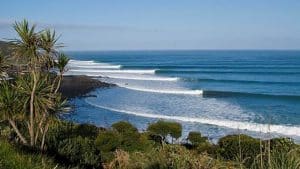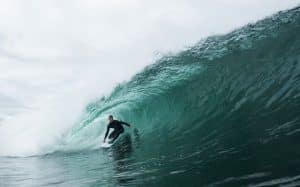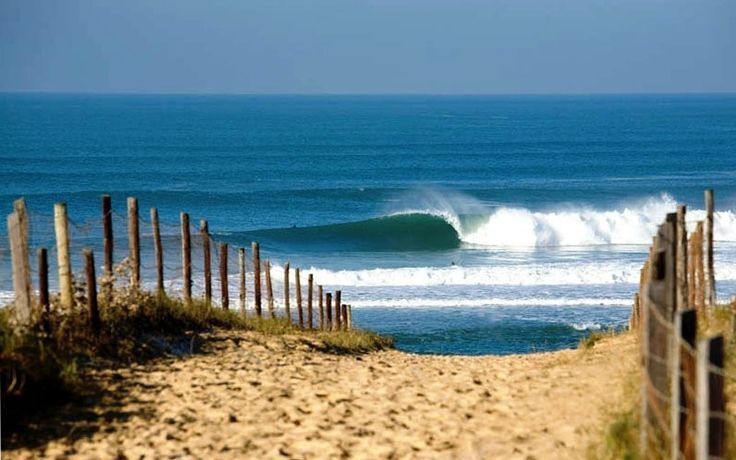

Standing on the beach at Hossegor watching La Gravière throw perfect barrels while the WSL Championship Tour unfolded, I finally understood why France earned its reputation as Europe’s surf capital. France’s 3,500 kilometers of coastline deliver some of the continent’s most consistent and powerful surf, anchored by legendary beach breaks, big wave reefs in the Basque Country, and wild Atlantic swells hammering Brittany’s rocky points. The Bay of Biscay’s underwater canyons—particularly the Gouf de Capbreton—funnel North Atlantic energy directly onto hundreds of sandy beaches from Lacanau to Biarritz, creating world-class barrels that host WSL events each autumn. With year-round waves, thriving surf culture dating back to the 1950s, and everything from beginner-friendly beach breaks to expert-only slabs, France stands as one of the best surf destinations in the world.
Worth Knowing
- ✓ September-October delivers optimal conditions: 4-8 ft swells, warm water (18-20°C), offshore winds, and WSL Championship Tour events
- ✓ Gouf de Capbreton canyon amplifies swells at Hossegor creating Europe’s most powerful beach break barrels
- ✓ 160+ licensed surf schools across three distinct coastlines serve all skill levels from complete beginners to big wave experts
- ✓ Autumn combines clean conditions and moderate crowds while summer brings smaller waves but intense peak-season lineups
Quick Surf Guide to France
- Best season: September-October (intermediate to advanced) or June-August (beginners)
- Best for beginners: Moliets-Plage, Hendaye, Mimizan-Plage, Lacanau, Guidel-Plages
- Best for intermediates: Seignosse, Lacanau, Anglet, Biarritz Côte des Basques, Saint-Malo
- Best for advanced/experts: Hossegor La Gravière, Parlementia, La Torche, Baie des Trépassés, Quiberon
- Main wave types: Beach breaks (Atlantic coast), reef/point breaks (Basque Country & Brittany), jetty breaks (Anglet, Capbreton)
- Water temp + wetsuit: Summer 18-22°C (3/2mm); Autumn/Spring 14-18°C (3/2mm to 4/3mm); Winter 10-13°C (5/4mm + boots/hood); Brittany 2-3°C colder
- Crowds: Very high in summer at famous spots; moderate in autumn; low in winter/spring and Brittany year-round
- Budget level: €40-60/day (budget) to €200+/day (premium)
Why Surf in France?
Europe’s Most Consistent Waves
France earned its reputation as Europe’s surf capital through geography, consistency, and infrastructure that few destinations match. After surfing here across multiple seasons, I’ve found the Atlantic coastline faces directly into North Atlantic storm tracks, ensuring year-round swell with autumn and winter bringing the most powerful waves. Unlike many European surf zones relying on occasional swells, France’s underwater topography—particularly the deep Gouf de Capbreton canyon off Hossegor—amplifies ocean energy and delivers waves even during smaller swells.
Deep-Rooted Surf Culture Since 1957
The country’s surf culture runs deep, with Biarritz hosting Europe’s first surfers in 1957 when Californian screenwriter Peter Viertel brought the sport to French shores. Today, that legacy translates into world-class surf schools, camps, and retail infrastructure throughout coastal regions. Major surf brands like Quiksilver and Rip Curl maintain European headquarters in southwest France, and the annual WSL events continue to draw global attention to breaks like La Gravière.
Unmatched Diversity for All Levels
What truly sets France apart is diversity. Beginners find gentle 2-3 ft rollers on protected beaches like Hendaye and Moliets during summer months. Intermediates progress on consistent beach breaks from Lacanau to Seignosse. Experts chase hollow barrels at Hossegor or paddle into 15+ ft reef breaks like Parlementia and Belharra. After exploring these regions extensively, I appreciate how this range exists within relatively short driving distances—you can sample multiple surf zones in a single trip without marathon road sessions.

Best Surf Spots in France by Region
Southwest France: The Silver Coast (Nouvelle-Aquitaine)
The Nouvelle-Aquitaine region encompasses France’s most concentrated surf zone, running from Lacanau in the north through the Landes department to Capbreton in the south. This 100-kilometer stretch contains over 60 distinct surf beaches.
La Gravière (Hossegor) – Best for Advanced to Expert
Wave type: Heavy, hollow barrels breaking onto shifting sandbars
Best swell: NW-W, 4-10 ft (1.2-3 m); expert-only when bigger
Best wind: E, SE (offshore)
Best tide: Mid to low tide
Best season: September-October
Skill level: Advanced to expert
Hazards: Heavy lip, shallow sandbars, intense crowds, fast powerful sections
Crowds: Extremely crowded during quality swells and WSL competitions
Access: Hossegor town center; parking challenging peak season
After watching La Gravière fire during autumn, I can confirm these tubes rival Hawaii. Hossegor’s reputation as Europe’s barrel capital stems from unique bathymetry—the Gouf de Capbreton underwater canyon funnels swells directly onto shallow sandbars, creating thick, hollow waves that break dangerously close to shore. Hosts WSL Championship Tour events annually. Beginners should avoid La Gravière entirely.
La Nord (Hossegor) – Best for Intermediate to Advanced
Wave type: Long workable walls with barrel sections
Best swell: NW-W, 6+ ft (2+ m)
Best wind: E, SE (offshore)
Best tide: Mid tide
Best season: September-November
Skill level: Intermediate to advanced
Hazards: Heavy hold-downs on bigger sets
Crowds: High when La Gravière gets too big
Breaks in deeper water than La Gravière when swell exceeds 6 ft. Less intense but still powerful—best for solid intermediates when other Hossegor breaks get too gnarly. Channel provides easier paddle-out during big swells.
Seignosse (Les Estagnots, Le Penon, Les Bourdaines) – Best for Intermediate to Advanced
Wave type: Fast, hollow beach breaks with barrel potential
Best swell: W-NW, 4-8 ft (1.2-2.5 m)
Best wind: E, SE (offshore)
Best tide: Low to mid tide (varies by sandbar)
Best season: March-April, September-October
Skill level: Intermediate to advanced
Hazards: Fast powerful sections, shallow sandbars
Crowds: Moderate-high in autumn
Just north of Hossegor, Seignosse offers slightly more forgiving waves while maintaining high quality. After multiple sessions here, I recommend Les Estagnots for fast left-handers, Le Penon for longest rides (100+ meters), and Les Bourdaines for world-class A-frame peaks. Multiple takeoff zones spread crowds effectively.
Lacanau – Best for All Levels
Wave type: Beach break with multiple peaks; A-frames and point-like setups
Best swell: W-NW, 2-6 ft (0.6-2 m)
Best wind: E (offshore)
Best tide: Mid tide; varies by sandbar
Best season: May-June, September-October
Skill level: All levels
Hazards: Sandbars shift frequently; rips develop
Crowds: Moderate; less intense than Hossegor
Access: 10+ surf schools; hosts Lacanau Pro WSL event (August)
Lacanau sits roughly 60 kilometers north of Hossegor, offering similar beach break characteristics with slightly less swell consistency but reduced crowds and a more relaxed vibe. Plage Nord features quality right-hand point-like setup. I recommend beginners stay central, intermediates explore north and south sections.

Mimizan-Plage – Best for Beginner to Intermediate
Wave type: Forgiving beach break with soft shoulders and less power
Best swell: W-NW, 2-4 ft (0.6-1.2 m) summer; 4-6 ft (1.2-2 m) autumn
Best wind: E (offshore)
Best tide: Mid tide
Best season: June-September
Skill level: Beginner to intermediate
Hazards: Minimal; avoid river mouth
Crowds: Less crowded than Hossegor
Access: Multiple surf schools; 10 km beachfront; pine forest wind protection
Mimizan‘s 10-kilometer beach stretch provides one of France’s best beginner-intermediate zones. After bringing friends here for their first sessions, I appreciate how the relaxed atmosphere attracts families and surf campers seeking progression without pressure.
Moliets-Plage – Best for Beginners
Wave type: Gentle beach break perfect for learning
Best swell: W-NW, 2-4 ft (0.6-1.2 m)
Best wind: E (offshore)
Best tide: All tides; best mid-tide
Best season: June-August
Skill level: Beginner to early intermediate
Hazards: Watch for rips with changing sandbars
Crowds: Moderate
Access: Famous Star Surf Camps; mellow atmosphere
Consistent gentle waves perfect for learning. Sandy bottom throughout with few hazards makes this ideal first-timer territory.
The Basque Country: Pyrénées-Atlantiques
France’s Basque coast blends Atlantic power with distinct cultural identity, creating surf experiences from elegant beach town vibes in Biarritz to hardcore big wave missions at Parlementia.
Biarritz (Côte des Basques, Grande Plage) – Best for All Levels
Wave type: Famous long mellow waves, perfect for longboarding (Côte des Basques)
Best swell: W-NW, 2-5 ft (0.6-1.5 m)
Best tide: Low tide (Côte des Basques disappears at high tide)
Best season: September-October
Skill level: All levels
Hazards: Completely tide-dependent
Crowds: Very crowded July-August (100+ surfers common)
Access: City center; birthplace of European surfing (1957)
Biarritz launched European surf culture in 1957 and maintains its status as a stylish surf destination mixing Belle Époque architecture with modern wave riding. I recommend timing sessions early morning before crowds arrive.
Anglet (Les Cavaliers, Les Sables d’Or, VVF) – Best for Intermediate to Advanced
Wave type: Powerful jetty breaks (Les Cavaliers); hollow A-frames (Sables d’Or)
Best swell: W-NW, 4-10+ ft (1.2-3+ m)
Best wind: E, SE (offshore)
Best tide: Low to mid tide
Best season: Year-round
Skill level: Intermediate to advanced
Crowds: High
Access: 11 named beaches across 4.5 kilometers
Anglet features France’s highest concentration of quality breaks. After exploring all 11 beaches, I’ve found Les Cavaliers delivers the most consistent and powerful waves, while VVF offers wedging lefts popular with bodyboarders.
Parlementia (Guéthary) – Best for Expert Big Wave Riders
Wave type: Powerful right-hand reef break over sand-covered rock
Best swell: NW, 15-20 ft (5-6 m) regularly; tow-in crews surf 20+ ft
Best wind: E (offshore)
Best tide: Mid to low tide
Best season: November-March
Skill level: Expert big wave riders exclusively
Hazards: 20-minute brutal paddle; ledgey takeoff requires precision
Crowds: Moderate (expert surfers only)
France’s premier big wave break. After watching sessions here, I can confirm this is no place for intermediates—experts only, no exceptions.
Hendaye – Best for Beginners
Wave type: Protected bay reduces wave size; consistent small waves
Best swell: W-NW, 2-4 ft (0.6-1.2 m)
Best wind: E (offshore); less wind interference
Best tide: All tides
Best season: Year-round (summer prime for beginners)
Skill level: Beginner to early intermediate
Crowds: Moderate
Access: Multiple beginner-focused surf schools; Spanish border nearby
Most sheltered waves in Basque Country. Perfect for first-time surfers and families I’ve taught here.
Brittany: Finistère & Morbihan
Brittany’s wild, rugged coastline attracts hardcore surfers willing to endure colder water for less crowded, powerful waves.

La Torche – Best for Intermediate to Expert
Wave type: Powerful point and beach break
Best swell: W-NW, 2-12+ ft (0.6-4+ m); extremely consistent
Best wind: E, SE (offshore)
Best tide: Mid tide
Best season: September-November
Skill level: Intermediate (smaller days); expert (6+ ft)
Hazards: Strong rip current near point; water 2-3°C colder than southwest
Crowds: Moderate
Access: Main peak delivers powerful lefts and rights; parking near beach
Picks up virtually every North Atlantic swell—waves year-round. After multiple Brittany trips, I’ve learned best time is September-November for swell consistency without full winter cold (9-10°C water). Main peak at point delivers powerful lefts and rights, while bays to north offer less crowded alternatives.
Baie des Trépassés – Best for Advanced
Wave type: Powerful beach break flanked by headlands
Best swell: W-NW, 4-8 ft (1.2-2.5 m)
Best wind: E (offshore)
Best tide: Mid to high tide
Best season: September-March
Skill level: Advanced (closes out with dangerous rips when too big)
Hazards: Closes out dangerously when overhead; strong rip currents; coldest water in France
Crowds: Low (remote location)
Access: Located at Brittany’s western tip near Pointe du Raz
Flanked by dramatic headlands at Brittany’s western tip, Baie des Trépassés offers powerful waves in a stunning wild setting. After surfing here in autumn, I recommend checking conditions carefully—when it exceeds 6-8 ft, dangerous closeouts and rips make it life-threatening. The coldest water in France (9-12°C year-round) requires full winter gear even in summer.
Guidel-Plages – Best for Beginners to Intermediate
Wave type: Protected beach breaks in sheltered bays
Best swell: W-NW, 2-5 ft (0.6-1.5 m)
Best wind: E, NE (offshore)
Best tide: All tides work
Best season: June-October
Skill level: Beginner to intermediate
Hazards: Minimal; watch for rocks at edges of beaches
Crowds: Low-moderate
Access: Multiple surf schools; campsites nearby; family-friendly
Protected bays reduce swell size—waves run 1-2 ft smaller than La Torche, making this Brittany’s premier beginner zone. After bringing beginners here, I appreciate how multiple beaches spread crowds and offer progression from white water to green waves. Plage du Fort Bloqué provides the most consistent waves.
Presqu’île de Crozon (Lostmarc’h, La Palue) – Best for Intermediate to Advanced
Wave type: Powerful beach breaks with reef sections
Best swell: W-NW, 4-10 ft (1.2-3 m)
Best wind: E, SE (offshore)
Best tide: Mid to low tide
Best season: September-November, March-April
Skill level: Intermediate to advanced
Hazards: Rocky outcrops at edges; strong currents; remote location
Crowds: Very low
Access: Remote peninsula requires 30-minute drive from Crozon village
The Crozon Peninsula’s exposed beaches face full North Atlantic fury. Lostmarc’h delivers long rides with barrel sections when conditions align, while La Palue offers more protected waves. After exploring this wild coastline, I recommend these breaks for adventurous intermediates seeking uncrowded Brittany gems. Bring full winter gear even in autumn—water rarely exceeds 15°C.
Saint-Malo (Le Sillon, Rochebonne) – Best for Intermediate
Wave type: Beach break requiring large swells
Best swell: NW, 8+ ft (2.5+ m) offshore to produce rideable waves
Best wind: S, SW (offshore)
Best tide: Extremely tide-dependent (12-meter tidal range)
Best season: October-March
Skill level: Intermediate
Hazards: Massive tidal range; rocks exposed at low tide; inconsistent
Crowds: Low (only works occasionally)
Access: Medieval walled city; ferry port for UK surfers
Saint-Malo’s English Channel location means it requires large NW swells (8+ ft offshore) to produce rideable surf. After timing sessions here, I’ve learned the extreme 12-meter tidal range creates short windows—you must surf mid to high tide. The medieval walled city makes this worth visiting even when surf’s flat, and it serves as ferry port for UK surfers heading to Brittany.
Quiberon Peninsula (Côte Sauvage) – Best for Advanced
Wave type: Powerful reef and beach breaks along wild coast
Best swell: W-SW, 4-10 ft (1.2-3 m)
Best wind: E, NE (offshore)
Best tide: Mid tide
Best season: September-March
Skill level: Advanced
Hazards: Rocky reefs; strong currents; exposed to Atlantic swells
Crowds: Low
Access: Multiple breaks along Côte Sauvage (Wild Coast)
Quiberon’s Côte Sauvage (Wild Coast) delivers powerful waves along a rugged, rocky coastline. After exploring multiple breaks here, I recommend Port Blanc and Port Rhu for quality reef waves when swell’s pumping. The peninsula’s south-facing orientation means it picks up different swells than north-facing Brittany breaks, offering backup options.
When to Surf in France: Best Seasons & Conditions
Peak Season (September-October)
September and October deliver France’s prime surf conditions—powerful yet manageable swells (4-8 ft average), consistent offshore winds from the east, water still warm from summer (18-20°C), and significantly fewer crowds than July-August. After timing multiple trips here, I can confirm the annual WSL events at Hossegor typically run late September to early October, bringing professional-level surfing to watch from the beach.
Best for: Intermediate to advanced surfers | Water temp: 18-20°C | Wetsuit: 3/2mm | Crowds: Moderate-High
Summer Season (June-August)
Summer brings smaller waves (2-4 ft), warmest water (18-22°C), and best conditions for beginners. However, expect very high crowds at famous spots—I’ve counted 100+ surfers at Côte des Basques on peak summer weekends. All surf schools open, camps run full capacity.
Best for: Beginners and families | Water temp: 18-22°C | Wetsuit: 3/2mm or springsuit | Crowds: Very High
Spring Season (March-May)
Spring suits intermediates with good consistent swells (4-8 ft), clean conditions, warming water (12-17°C), and light crowds. I recommend visiting during November or April-May for shoulder season value—accommodation prices drop 30-50% compared to summer peaks.
Best for: Intermediates/Advanced | Water temp: 12-17°C | Wetsuit: 4/3mm to 3/2mm | Crowds: Low-Moderate
Winter Season (December-February)
Winter delivers powerful 6-15 ft waves for experts in cold 10-13°C water requiring 5/4mm wetsuits with boots and hood. After experiencing winter sessions in Brittany, I can confirm this is when serious surfers chase big swells with minimal crowds.
Best for: Advanced/Experts | Water temp: 10-13°C | Wetsuit: 5/4mm + boots/hood | Crowds: Low
Practical Tips for Surfing in France
What Wetsuit Do You Need?
After years surfing France across all seasons:
Summer (June-August): 3/2mm full suit or 2mm springsuit for 18-22°C water. Advanced surfers sometimes go trunks-only during warmest periods.
Spring/Autumn (March-May, September-November): 3/2mm to 4/3mm full suit for 14-18°C water. Most versatile wetsuit for visiting surfers. I recommend boots for early spring and late autumn.
Winter (December-February): 5/4mm or 4/3mm with hood for 10-13°C water. Boots essential (5mm), gloves recommended for sessions exceeding 90 minutes.
Brittany runs 2-3°C colder than southwest France year-round.
Surfboard Rental and Gear
Daily Rental Rates: Foam beginner boards €15-20/day, fiberglass shortboards €20-25/day, longboards €25-30/day.
Weekly Rates: €100-150 for week-long shortboard (better value for 5+ day trips).
For choosing the right board size, consult a surfboard size chart or use a surfboard volume calculator.
Essential Surf Gear for France
☐ Rash vest for under wetsuit or warm summer days
☐ Surf watch for tracking tides and sessions (recommended models)
☐ Board bag if traveling with equipment (airlines charge €50-100 each way)
☐ Reef-safe sunscreen SPF 30+ water-resistant
☐ Surf wax matched to water temp
☐ Leash (6-7ft shortboards, 8-9ft longboards)
☐ Boots/hood/gloves for winter sessions (5mm neoprene)
☐ Changing robe/towel for beach parking lot changes
☐ First aid basics (waterproof bandages, antiseptic)
Surf Etiquette and Localism
After navigating French lineups for years:
Basic Rules: Surfer closest to peak has priority. Avoid dropping in. When paddling out, don’t interfere with riders. Wait your turn—don’t snake. Communicate clearly on A-frame peaks. Share waves.
Managing Localism: Spots like Lafiténia, La Gravière, La Torche maintain strong local presence. I recommend observing lineup 10-15 minutes before paddling out, letting locals have priority on first waves, showing courtesy, and avoiding peak weekend mornings.
Surf Camps & Schools in France
Best Surf Camps
Star Surf Camps (Moliets-Plage): Premium glamping in Landes pine forests. Large bell tents, 6-part surf course with ISA-certified instructors, daily surf sessions plus yoga. Social atmosphere for 18-35 age range. All-inclusive packages April-October.
Saint Girons Surf House (Vielle-Saint-Girons): Low-key intimate camp 200 meters from beach. Family-friendly, good value compared to premium camps.
Hossegor Surf Camps: Multiple operators from budget hostels to upscale lodges. Direct access to La Gravière and La Nord. Ideal for intermediate-advanced surfers wanting vibrant nightlife.
Top Surf Schools by Region
Hossegor/Seignosse: Cloarec Brothers (former pros), Hossegor Surf Club (multi-level), Jo Moraiz (small groups). Rates: €40-50 group lesson, €70-90 private.
Biarritz: Hastea Surf School (English-speaking), Biarritz Surf Training (video analysis), Rip Curl Surf School. Premium pricing €50-60/lesson, year-round operation.
Brittany: La Torche Surf Club (local expertise), Bretagne Surf School (cold water safety focus). Rates €35-45/lesson.
How to Choose a Surf Camp or School
☐ Check instructor qualifications (ISA certification or French Surfing Federation)
☐ Location matters (beachfront vs town-based for nightlife)
☐ Verify what’s included (wetsuit, board, accommodation, meals, transport)
☐ Season timing (summer for beginners, September for best value, April-May for deals)
☐ Multi-day packages (week-long camps €500-2,000 offer better value than daily lessons)
☐ English-speaking instructors available at most major schools
Where to Stay in France
Budget Options (€40-60/day)
Camping (€20-25/night) and hostels provide affordable bases. After budget traveling here, I recommend self-catering to reduce food costs from €40-50/day to €15-20. Multiple campsites throughout Landes and Brittany.
Mid-Range (€100-150/day)
Hotels and Airbnbs (€50-70/night) with mix of restaurant dining and self-catering. This balances comfort with reasonable costs for week-long trips.
Premium (€200+/day)
Quality hotels and villas (€100-150/night) with restaurant dining. Hossegor and Biarritz offer upscale accommodations near prime breaks.
Beyond Surfing: French Coastal Culture
Food and Wine
Must-Try Dishes: Fresh Arcachon Bay oysters (€8-15 dozen), Magret de canard (Landes duck), Chipirons (Basque grilled squid), Gâteau Basque (almond cream cake).
Wine Regions: Bordeaux sits one hour from Lacanau offering world-renowned vineyard tours. I recommend combining surf trips with wine tasting. Basque Country produces Irouléguy wines.
Cultural Attractions
Biarritz: Rocher de la Vierge ocean views, Musée de la Mer aquarium, art deco architecture, Belle Époque heritage.
Bordeaux: UNESCO World Heritage city one hour from Lacanau. Stunning 18th-century architecture, wine museums, riverfront promenades. Day trips easily fit between surf sessions.
Brittany: Ancient megalithic sites dating 5,000+ years. Medieval Saint-Malo with ramparts and cobblestone streets.
Frequently Asked Questions
Is France good for surfing?
Yes. After surfing across Europe, I rank France among the continent’s premier destinations with consistent year-round waves and world-class infrastructure. The Atlantic coast delivers everything from gentle beginner waves to heavy expert barrels. Over 160 surf schools ensure excellent facilities and community.
When is the best time to surf in France?
September and October offer optimal conditions—consistent 4-8 ft swells, offshore winds, warm water (18-20°C), and fewer crowds than summer. I recommend spring for intermediates with good waves and light crowds. Summer (June-August) best for beginners with smaller waves and warmest water. Winter delivers powerful waves for experts in cold water.
What is the surf capital of France?
Hossegor is France’s undisputed surf capital, hosting WSL Championship Tour events and producing world-renowned barrels at La Gravière. After watching multiple competitions here, I understand why the Gouf de Capbreton canyon creates such powerful waves. Biarritz holds historical significance as European surfing’s birthplace (1957).
Can beginners surf in France?
Absolutely. France offers excellent beginner infrastructure with 160+ licensed surf schools, gentle summer waves (2-4 ft), sandy bottoms, and warm water (18-22°C). I recommend Moliets-Plage, Hendaye, Mimizan-Plage, and Lacanau for first-timers. Summer (June-August) offers best conditions.
Do you need a wetsuit to surf in France?
Yes, wetsuits are necessary year-round. After surfing all seasons: Summer needs 3/2mm full suit for 18-22°C water. Spring/Autumn requires 3/2mm to 4/3mm for 14-18°C. Winter demands 5/4mm with boots and hood for 10-13°C. Brittany runs 2-3°C colder than southwest France.
How crowded are French surf spots?
Summer (June-August) brings heavy crowds to famous spots—I’ve seen 100+ surfers at Côte des Basques. September-October sees moderate crowds during WSL events. Winter and spring feature minimal crowds. I recommend lesser-known spots like Cap Ferret and Biscarrosse for year-round relief, or surf early morning (7-9am) to avoid peak crowds.
Is there surf in the French Mediterranean?
Yes, but very inconsistently. After attempting Mediterranean sessions, I learned it generates windswells during mistral episodes (November-March). Corsica’s northwest coast, Marseille, and Nice occasionally produce 2-5 ft waves. Best approach: visit for culture and tourism, surf as bonus opportunity when conditions align.
How do I get to French surf spots?
Fly into Bordeaux (for Lacanau, Hossegor, Landes coast) or Biarritz (for Basque Country). Both airports offer car rentals essential for surf travel. I recommend renting a car as southwest France surf towns sit 1-2 hours from major airports. Brittany accessed via Brest or Nantes airports.
Can I surf France year-round?
Yes. After surfing here across all seasons, I can confirm the Atlantic coast receives consistent swells 300+ days annually. Summer brings smallest waves but warmest water. Autumn delivers best overall conditions. Winter produces biggest swells for experts. Spring offers good intermediate conditions with lighter crowds.
France continues to deliver some of my most memorable surf sessions—from perfect autumn barrels at La Gravière to uncrowded winter bombs in Brittany. The combination of world-class waves, deep surf culture, and incredible food and wine creates experiences that go far beyond just catching waves. Whether you’re learning at Moliets, progressing at Lacanau, or charging Parlementia, French surf culture welcomes you. Book your September accommodation early, pack the right wetsuit, and get ready to experience Europe’s surf capital. À bientôt dans l’eau!