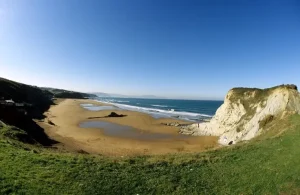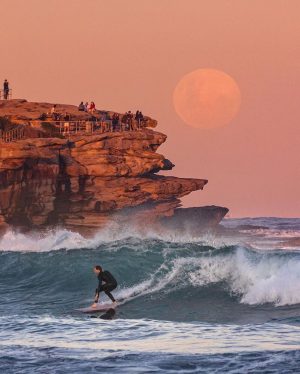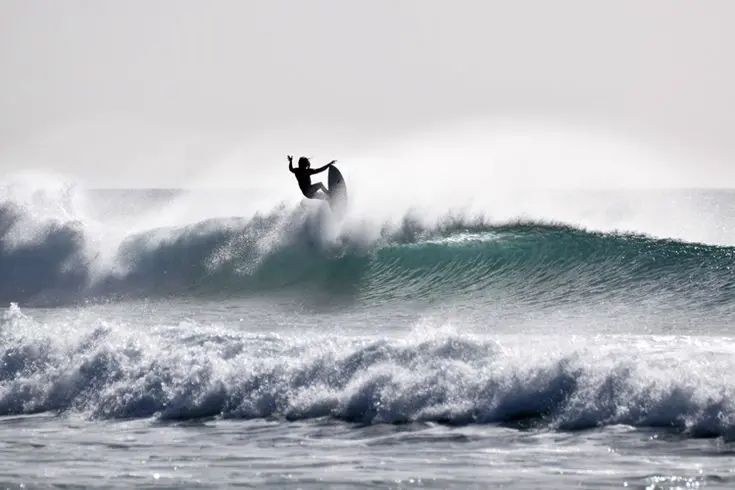

Arriving in El Cotillo on a January morning, watching perfect right-hand point breaks peel down Los Lobos reef while turquoise lagoons spread along the northern coastline, I understood why this northwest Fuerteventura fishing village remains the Canary Islands’ most authentic surf destination. While Corralejo’s main beach attracts package tourists and beginners, El Cotillo quietly delivers world-class reef breaks, consistent year-round Atlantic swells, and unspoiled Canarian character. What sets El Cotillo apart: dramatic contrast between powerful west-facing reef breaks (Los Lobos, Hierro, Majanicho) catching every Atlantic swell, and protected turquoise lagoons (Los Lagos) offering shelter when west coast fires. The village maintains working fishing harbor, traditional restaurants serving fresh catch, and local Spanish vibe despite growing surf recognition. Winter transforms El Cotillo into reef break paradise—overhead to double overhead waves peeling across volcanic rock with offshore trade winds—while summer delivers warm-water progression conditions perfect for intermediates upgrading from beach breaks.
Worth Knowing
- ✓ Year-round warm water: 18-22°C (64-72°F)—boardshorts or 2mm springsuit only, even winter (no thick wetsuit needed)
- ✓ Two coastlines one spot: West reefs (Los Lobos, Hierro) powerful Atlantic waves + north lagoons (Los Lagos) protected turquoise bays
- ✓ Consistent reef breaks: Los Lobos world-class right point, Hierro hollow lefts, Majanicho A-frames—all volcanic rock, year-round surf
- ✓ Authentic Canarian village: Working fishing harbor, local Spanish character, traditional restaurants—no mass tourism like Corralejo
Quick Surf Guide to El Cotillo
- Best season: October-March (consistent overhead reef breaks) or May-September (smaller, warm progression)
- Best for beginners: Los Lagos lagoons (north side, protected), avoid west reefs
- Best for intermediates: Los Lobos (smaller days), Hierro (inside section)
- Best for advanced: Los Lobos (main peak), Hierro, Majanicho
- Main wave types: Reef breaks over volcanic rock (rights + lefts) + lagoon beach breaks
- Water temp: 18-19°C winter (64-66°F), 21-22°C summer (70-72°F)—warmest Canaries
- Wetsuit: Boardshorts or 2mm springsuit year-round (optional 3/2mm winter dawn sessions)
- Crowds: Low to moderate; local Spanish/European expats, respectful vibe
- Access: 20km north of Corralejo; rental car essential; dirt roads to some breaks; reef booties recommended
Why Surf in El Cotillo?
Year-Round Warm-Water Reef Breaks
After surfing cold Atlantic Europe then arriving in El Cotillo, the combination of quality reef breaks with warm water feels almost unfair. Water temperatures rarely drop below 18°C (64°F) even mid-winter, hovering around 21-22°C (70-72°F) summer. This means boardshorts or 2mm springsuit year-round—no thick wetsuits, no boots, no gloves, no hoods. You surf world-class volcanic reef breaks in tropical comfort rare outside Indonesia or Central America, making El Cotillo one of the world’s best surf destinations for year-round warm-water waves.
The Canary Islands’ position off West Africa coast creates this unique climate—Atlantic swells arrive consistently while subtropical latitude maintains warm water and year-round sunshine. Trade winds blow offshore most mornings (particularly winter), grooming wave faces into clean perfection. Unlike European destinations where cold water limits session length or seasonal surf trips requiring planning around swell windows, El Cotillo delivers consistent warm-water waves 12 months annually.
Los Lobos: World-Class Right Point
After sessions at Los Lobos across multiple swells, I can confirm this right-hand reef point ranks among Europe’s finest waves. When northwest swells combine with offshore winds and proper tide, Los Lobos produces long, walling rights with multiple sections—workable shoulders for carving turns, occasional barrel sections on bigger swells, and rides extending 100+ meters on best days. The wave’s consistency and quality have attracted European surf media, professional surfers scouting winter training locations, and dedicated wave-hunters willing to surf reefs.
Los Lobos works across wide range of swell sizes (3-10 ft faces typical, occasionally bigger), making it accessible to strong intermediates on smaller days while challenging advanced surfers when it’s overhead. The volcanic rock bottom creates defined reef structure ensuring wave shape remains consistent—unlike beach breaks where sandbars shift, Los Lobos breaks the same way every swell once you learn the reef.
Authentic Canarian Village Character
After experiencing both touristy Corralejo and authentic El Cotillo, the contrast is stark. El Cotillo remains working fishing village first, surf destination second. Local Spanish families dominate the town, fishermen still sell fresh catch from the harbor, traditional restaurants serve Canarian cuisine (not international tourist menus), and village rhythm follows local life not vacation schedules. The few surf shops and accommodations integrate naturally rather than defining the town’s identity.
This authenticity extends to the surf scene. Local crew includes Spanish surfers who’ve grown up here plus European expats who chose El Cotillo specifically for its un-touristy character. Lineups maintain respectful vibe—show proper etiquette, don’t drop in, wait your turn, and you’re welcomed. The absence of surf camps, party hostels, and Instagram beach clubs keeps El Cotillo focused on actual surfing rather than surf-adjacent lifestyle marketing.
Best Surf Spots in El Cotillo
Los Lobos – Best Right Point (World-Class)
Wave type: Right-hand point break over volcanic reef
Best swell: NW-W, 4-10 ft (1.2-3 m), occasionally bigger
Best wind: NE-E (offshore trade winds)
Best tide: Low to mid tide; high tide too fat
Best season: October-March (consistent powerful swells); works year-round
Skill level: Intermediate (smaller days) to advanced
Hazards: Sharp volcanic rock, sea urchins, strong currents on big swells, shallow inside section
Crowds: Moderate when firing; respectful local crew, visiting Europeans
Access: Dirt road from El Cotillo harbor; park cliff-top, scramble down rocks; reef booties essential; best El Cotillo wave when conditions align
After countless sessions at Los Lobos, this right point delivers El Cotillo’s best wave and ranks among Canary Islands’ finest. The wave breaks off rocky point creating long, walling rights peeling down the reef. On best days—northwest swell, offshore trades, low-mid tide—rides extend 100+ meters with multiple workable sections. The outside peak offers steeper takeoff and occasional barrel, middle section provides long carving wall, and inside section (shallow, urchin-filled) offers final turn or cover-up before kicking out.
Los Lobos works across wide swell range. At 3-5 ft, strong intermediates can handle it with proper reef experience. At 6-8 ft, it becomes advanced surfers’ playground. At 10 ft+, only experts should paddle out—the power, speed, and consequences increase dramatically. The volcanic rock bottom demands reef booties; wipeouts onto urchins are painful reality. Show respect to locals who’ve surfed this wave for years—they have priority, they know the reef intimately, and dropping in earns immediate negative response.
Hierro – Best Left Reef Break
Wave type: Left-hand reef break over volcanic rock
Best swell: NW, 4-8 ft (1.2-2.5 m)
Best wind: E-NE (offshore)
Best tide: Mid tide ideal; low tide very shallow, high tide mushy
Best season: October-April (winter swells)
Skill level: Intermediate to advanced
Hazards: Shallow reef, sea urchins, rocks, hollow sections can catch you off-guard
Crowds: Low to moderate; less crowded than Los Lobos
Access: North of El Cotillo; dirt road access; reef entry; inside section mellower for intermediates, outside peak advanced
After sessions at Hierro, this left reef break offers alternative when Los Lobos gets crowded or conditions favor lefts. The wave breaks over volcanic reef creating hollow, powerful lefts with workable walls. Mid tide works best—low tide exposes sharp reef making it dangerously shallow, high tide fattens the wave losing its punch. The break has two distinct sections: mellow inside section where intermediates can practice reef surfing, and heavier outside peak where advanced surfers chase barrels.
Hierro demands respect. The reef is sharp, shallow, and unforgiving. Sea urchins populate the rock—booties essential. The wave’s hollow nature means wipeouts can result in reef contact. If you’re intermediate surfer progressing to reefs, start on smaller days (waist to chest-high) at inside section, observe how wave breaks over reef, and build confidence before attempting outside peak or bigger swells.
Majanicho – Best A-Frame Peaks
Wave type: A-frame reef peaks, lefts and rights over volcanic rock
Best swell: NW-W, 3-8 ft (0.9-2.5 m)
Best wind: E-SE (offshore)
Best tide: Low to mid tide
Best season: Year-round; powerful in winter
Skill level: Intermediate to advanced
Hazards: Multiple reef sections, rocks, currents between peaks, remote location
Crowds: Low; remote location filters out casual surfers
Access: 10km north of El Cotillo; rough dirt road (4WD recommended); tiny fishing village; multiple reef breaks along coastline; explore with caution
After exploring Majanicho, this remote fishing settlement offers multiple A-frame reef peaks breaking along volcanic coastline. The area works as alternative when El Cotillo’s main spots are maxed out or you want uncrowded waves. Multiple reef sections create both lefts and rights—some mellow and workable, others hollow and challenging. The remote location (rough dirt road, minimal facilities) means fewer surfers make the journey.
Majanicho requires self-sufficiency. Bring water, snacks, first aid, and know your limits—no lifeguards, no surf shops, no easy rescue if something goes wrong. The multiple reef breaks mean you can explore and find sections matching your ability, but also mean you need to read conditions carefully. Local fishermen sometimes surf here; show respect, observe before paddling out, and don’t assume empty lineup means easy waves—it might mean wave is heavy and locals know better than to paddle out that day.
Los Lagos (Lagoons) – Best for Beginners
Wave type: Protected lagoon beach breaks, small gentle waves
Best swell: Small N-NW, 2-4 ft (0.6-1.2 m)
Best wind: S-SW (offshore for lagoons)
Best tide: All tides; protected bays work most conditions
Best season: Year-round; best when west coast too big
Skill level: Beginners to intermediates
Hazards: Minimal; sandy/rocky bottom, shallow at low tide, occasional sea urchins near rocks
Crowds: Low; families, snorkelers, learners
Access: North side of El Cotillo; multiple turquoise lagoons; stunning scenery; surf schools operate here; parking along coast road
After teaching beginners across Canary Islands, Los Lagos lagoons offer ideal learning environment. These protected turquoise bays on El Cotillo’s north side create shelter from powerful west-facing swells. Small, gentle waves break over sandy bottom perfect for mastering pop-ups and balance without reef consequences. The stunning scenery—turquoise water, white sand, volcanic rock formations—makes this postcard-perfect beginner zone.
Los Lagos works particularly well when west coast fires with overhead swells. While Los Lobos and Hierro pump with powerful waves, the lagoons remain calm and surfable for learners. Water depth is shallow at low tide; watch for rocks and occasional sea urchins near edges. Multiple lagoons spread along coastline mean you find uncrowded section even busy days. Surf schools bring groups here, families snorkel and swim, and the vibe is relaxed rather than competitive.
When to Surf in El Cotillo: Best Seasons & Conditions
Peak Winter Season (October-March)
After multiple winter seasons, October through March delivers El Cotillo’s most powerful and consistent surf. Atlantic low-pressure systems generate northwest swells lighting up the west-facing reefs. Expect overhead to double overhead waves regularly at Los Lobos, Hierro, and Majanicho. Trade winds blow offshore (NE-E) most mornings, grooming wave faces into perfection. Water temperature 18-19°C (64-66°F)—boardshorts or 2mm springsuit comfortable for most surfers.
Winter is prime time for dedicated surfers seeking warm-water reef breaks. European surf travelers escape cold Atlantic winter, Scandinavians flee darkness, and wave-hunters chase consistent swells. November through February deliver most reliable conditions. December-January can see occasional calmer periods between swells, but consistency remains high compared to most European destinations.
Summer Season (May-September)
After summer sessions, May through September brings smaller, mellower conditions perfect for progression. Swells decrease to waist to chest-high most days, ideal for intermediates upgrading from beach breaks to reef experience. Water warms to 21-22°C (70-72°F)—boardshorts only, most comfortable surf conditions in Europe. Weather delivers endless sunshine and light winds.
Summer is underrated by advanced surfers but ideal for intermediates. Los Lobos still works on smaller swells (3-5 ft faces), offering perfect environment to practice reef positioning, reading sets, and building confidence without intimidating power. Crowds drop as hardcore surfers chase bigger waves elsewhere. Families visit Los Lagos lagoons making north side busier, but west reefs remain uncrowded.
Practical Tips for Surfing El Cotillo
Essential Gear & Preparation
After years surfing El Cotillo, specific gear makes difference between enjoyable sessions and painful experiences:
Reef Booties (ESSENTIAL): Volcanic rock is sharp, sea urchins populate reefs. Quality reef booties (3mm minimum) protect feet during entry/exit and inevitable reef contact. Don’t surf El Cotillo’s reefs without them—urchin spines are painful and can get infected.
Wetsuit: Boardshorts work for most surfers year-round. Some prefer 2mm springsuit winter mornings (18-19°C water) or for longer sessions. Optional 3/2mm for dawn patrols or if you run cold, but majority surf boardshorts only even December-February.
Sun Protection: Canary Islands sun is intense year-round. Reef-safe sunscreen SPF 50+ essential. Reapply after each session. Rash guard helps prevent sunburn during long sessions. UV exposure at these latitudes serious—don’t underestimate it.
Essential Surf Gear for El Cotillo
☐ Boardshorts (year-round sufficient for most surfers)
☐ Optional 2mm surf wetsuit or springsuit (winter dawn sessions if you run cold)
☐ Rash guard with UV protection
☐ Reef-safe sunscreen SPF 50+ (CRITICAL—intense sun year-round)
☐ Surf hat for beach/post-surf sun protection
☐ Surf watch for tide tracking (reefs tide-dependent)
☐ Leash (backup recommended—sharp reef can damage)
☐ First aid kit (reef cuts common, treat immediately)
☐ Surf clothing brands for après-surf comfort
☐ Rental car (essential—breaks spread out, no public transport)
Surf Schools & Board Rentals
Mojo Surf: El Cotillo’s established surf shop and school. Board rentals €15-25/day, wetsuits €10/day (rarely needed). Group lessons €40-50, private €60-80. Operate from Los Lagos lagoons for beginners, can arrange intermediate reef sessions. Local knowledge invaluable.
Cotillo Surf School: Small local operation. Focus on beginners and intermediates. Equipment rental and lessons. Flexible scheduling.
Board Rentals: Multiple shops in El Cotillo. Daily rates €15-25 depending on board type. Weekly rates offer 30% discount. Most shops stock reef-specific boards (thicker, more volume) alongside performance shortboards. Explain your level honestly—they’ll recommend appropriate equipment.
Where to Stay
El Cotillo Town: Apartments and small hotels €40-100/night depending on season and quality. Book via Airbnb, Booking.com, or direct with owners. Self-catering most economical for longer stays. Winter (Nov-Feb) book 6-8 weeks ahead. Summer easier availability.
Recommended Areas: Stay within walking distance of harbor for restaurants and convenience. North side near lagoons quieter, family-oriented. South side closer to main reefs (Los Lobos, Hierro).
Corralejo Alternative: Larger town 20km south offers more accommodation options, restaurants, nightlife. €30-80/night depending on type. Drive to El Cotillo daily for surf. Corralejo works if you want town amenities, nightlife, or staying with non-surfing family.
Getting to El Cotillo & Practical Info
☐ From Corralejo: 20km north, 20-min drive on paved road FV-10
☐ To surf breaks: Dirt roads to some spots (Los Lobos, Majanicho); 2WD usually OK, 4WD recommended wet conditions
☐ No public transport: Must have car to surf El Cotillo efficiently
☐ Parking: Free dirt parking cliff-top above reefs; secure vehicles (break-ins rare but possible)
☐ Gas/supplies: Fill up in Corralejo or La Oliva before heading north; limited services El Cotillo
☐ Currency: Euro (€); ATM in El Cotillo, more in Corralejo
☐ Language: Spanish; some English in tourist businesses; learning basic Spanish appreciated
Beyond Surfing in El Cotillo
After flat days or rest days, El Cotillo and Fuerteventura offer excellent experiences:
Los Lagos Lagoons: Stunning turquoise bays perfect for swimming, snorkeling, relaxing. Dramatic volcanic rock formations, white sand, crystal-clear water. Sunset views spectacular. Family-friendly, non-surfing partners love these beaches.
El Tostón Lighthouse & Museum: Historic lighthouse with small fishing museum documenting Canarian maritime heritage. Short walk from town center, scenic coastal views.
Traditional Restaurants: El Cotillo’s fishing harbor ensures fresh seafood. Try local specialties: vieja (parrotfish), lapas (limpets), papas arrugadas (wrinkled potatoes with mojo sauce). Restaurants along harbor serve authentic Canarian cuisine €10-20 per person.
Corralejo Natural Park: Stunning sand dunes and beaches 20km south. Protected nature reserve with endless white sand, turquoise water. Popular with kitesurfers, windsurfers. Beautiful scenery worth day trip.
Lobos Island: Small island visible from El Cotillo (namesake for Los Lobos break). Ferry from Corralejo (€15 round trip) for hiking, snorkeling, exploring. Pristine nature, volcanic landscapes, clear waters. Day trip requiring advance booking (limited daily visitors).
Betancuria: Historic former capital in Fuerteventura’s interior. Traditional architecture, church museum, mountain scenery contrasting with coastal landscapes. 45-minute drive, half-day trip.
Frequently Asked Questions
Is El Cotillo good for beginner surfers?
Yes, but ONLY at Los Lagos lagoons on north side. After teaching beginners, the lagoons offer protected bays with small, gentle waves perfect for learning. Sandy bottom, shallow water, beautiful scenery. DO NOT surf west-facing reef breaks (Los Lobos, Hierro, Majanicho) as beginner—sharp volcanic rock, sea urchins, powerful waves, and shallow reef make these intermediate to advanced only. Surf schools operate from Los Lagos for good reason.
What’s the best time of year to surf El Cotillo?
Depends on skill level and preference. After year-round experience: Intermediate to advanced seeking power: October-March (consistent overhead reef breaks, offshore trades). Intermediates progressing to reefs: May-September (smaller waves, warm water, less intimidating). Best overall: November or April-May (good swell, warm water, fewer crowds). El Cotillo delivers year-round warm water making it reliable choice for escaping cold European winters.
Do I need reef booties for El Cotillo?
YES—ESSENTIAL for reef breaks. After countless reef sessions, volcanic rock is extremely sharp, sea urchins populate the reefs, and entry/exit requires walking on rocks. Quality 3mm reef booties minimum. Don’t attempt Los Lobos, Hierro, or Majanicho barefoot—guaranteed painful experience and potential serious injury. Los Lagos lagoons can be surfed barefoot but booties still recommended near rocky edges.
How crowded is El Cotillo compared to other Canary Islands spots?
After surfing across Canaries, significantly less crowded than Lanzarote’s famous breaks or Tenerife’s beach breaks. Los Lobos sees 15-25 surfers on good winter days—compare to 40-60+ at comparable quality waves elsewhere. El Cotillo’s authentic character, dirt road access, and reef-break nature filter casual surfers. Local crew respectful, visiting Europeans generally show proper etiquette. Early mornings offer near-empty lineups even peak season.
Can I surf El Cotillo without a rental car?
No—rental car essential. Breaks spread along coastline, some accessed via dirt roads, no public transport between spots, limited taxis. Airport to El Cotillo 40km requires car. Town walkable but you need vehicle to access Los Lobos, Hierro, Majanicho, and to explore island. Budget €20-40/day for basic rental car. Factor this into trip costs—unavoidable but necessary.
What makes El Cotillo different from Corralejo?
After experiencing both, completely different characters. Corralejo: Tourist town, package holidays, nightlife, beginner-focused surf schools, crowded beaches, international restaurants. El Cotillo: Authentic fishing village, local Spanish character, reef breaks for intermediate/advanced, uncrowded, traditional Canarian restaurants, quiet evenings. Choose El Cotillo for serious surfing and authenticity, Corralejo for nightlife and family-friendly tourism. Many visitors stay Corralejo (more options) and drive to El Cotillo for surf.