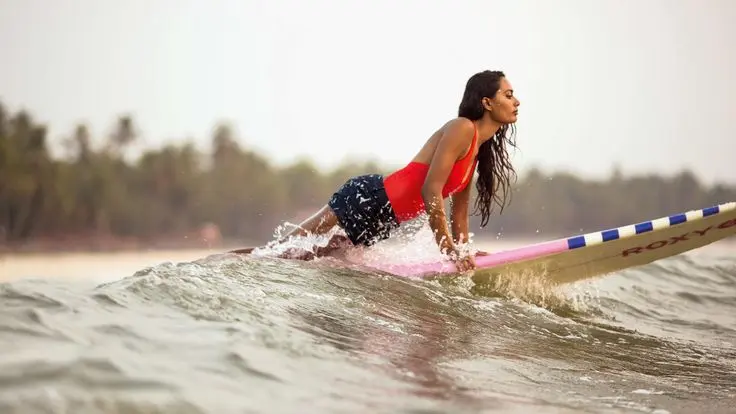

Standing on Arambol Beach watching Russian yogis share the lineup with Indian tech workers, you realise Goa breaks every surf-destination stereotype. India’s smallest state is also its most unlikely surf spot: warm turquoise water year-round, uncrowded beginner-friendly beach breaks, and the chance to learn to surf for less than the cost of a nice dinner back home. You won’t find Indonesian barrels or heavy Hawaiian water here, and the waves are genuinely fickle (come to relax and maybe surf, not the other way around). But when a swell pushes up past the Maldives, Goa serves clean, mellow 2 to 5 ft peaks that are about as friendly as learning gets, wrapped in one of Asia’s most unique cultures.
Quick surf guide to Goa
- Best season: October to November (most consistent), Dec to Mar (smaller, gentler)
- Best for beginners: Mandrem, Palolem, Arambol on small days
- Best for improvers: Arambol, Ashwem, Agonda
- Main wave type: gentle to moderate beach breaks over sand
- Water temp: 26 to 29°C year-round, no wetsuit, just a rashguard for the sun
- Airport: Goa (GOI/Dabolim and Mopa), 60 to 90 min to the North Goa beaches
- Budget: very cheap, roughly $12 to 30 a day plus $18 to 30 lessons
Where to surf in Goa
Goa is 100km of west and south-west facing sand. North Goa has the most consistent waves and the developed surf scene; South Goa is quieter and more scenic. Tap a marker to preview a spot, then click its name to jump to it below.
North Goa (the main surf hub)
The stretch from Morjim up to Arambol has Goa’s most consistent waves, its surf schools and its A-frame sandbars. This is where to base yourself if surfing is the priority.
Arambol
Arambol has arguably the best surf in North Goa. The kilometre-plus beach offers multiple peaks that spread the crowd, and a diamond-shaped sandbar throws up clean A-frames when it’s on. It handles anything up to about 7 ft before closing out, but in its usual 2 to 5 ft range the rights hold best and can even get briefly hollow on lower tides. The catch is the peak-season crowd, so surf at dawn.
Mandrem
Goa’s best-kept secret for learning in peace. Turtle-sanctuary status limits development, so crowds stay minimal, and the waves roll gently over forgiving sandbars, rarely more than chest-high. The water stays shallow close in, which helps nervous beginners feel secure. Often you’ll surf with just your lesson group.
Ashwem
Some of Goa’s most consistent surf, thanks to good swell exposure. Where the river meets the sea, a sandbank throws up a classic A-frame that peels slowly both ways, ideal for working on trim and balance. When it picks up, neat little wedges form for improvers. Calmer and more upscale than Arambol’s party scene.
Morjim
Just south of Mandrem, Morjim has quietly built a surf scene with schools and rental shops on a protected, undeveloped stretch of sand. When the sandbars set up it produces fun, longer rides, and it’s also becoming a kitesurfing hub on windy days, handy if you want to mix water sports.
South Goa
Quieter, more scenic and more patient: fewer surfable days than the north, but stunning palm-fringed bays and a laid-back vibe. Patnem and Galgibaga also throw up the odd wave.
Agonda
The premier surf beach in South Goa. The long crescent bay picks up more swell than its neighbours, with punchy little peaks marching across it and stronger, more defined waves at the northern end. The setting is gorgeous, low-key shacks and coconut palms, but it needs patience: you might wait several days between quality sessions.
Palolem
One of Goa’s most beautiful beaches, and a safe, sheltered spot for a first-ever lesson. Shallow water and soft shore breaks (rarely above waist-high) make popup practice forgiving, in a postcard setting of palms and headlands. Don’t expect consistency or challenge; come for the vibe and your first waves.
When to surf in Goa
Dry-season learner waves (Dec to Mar)
Off / monsoon (Apr to Sep)
October and November are the sweet spot: the post-monsoon ocean still holds residual energy, so you get the most consistent, best-shaped waves (waist to occasionally overhead), clear water and lovely weather before the tourist crowds peak. December to March brings smaller, gentler, on-and-off waves, ideal for absolute beginners, with every school open and the social scene in full swing. April and May build again as the monsoon approaches (good for improvers, fewer schools), and June to September is monsoon: big, wild, dangerous and onshore, with the schools closed. Skip it unless you’re advanced.
Surf schools and lessons in Goa
Goa is one of the best-value places in the world to learn. Expect roughly ₹1,500 to 2,500 ($18 to 30) for a group lesson with an ISA-certified instructor, board included, dropping further on multi-day packages. Schools cluster in North Goa (Arambol, Ashwem, Mandrem) with a few in the south (Agonda, Palolem). If you want more consistent Indian Ocean waves to pair with your trip, our Sri Lanka guide is the natural next step.
Compare surf camps in Goa on BookSurfCamps
What to pack for Goa
Water sits at 26 to 29°C, so there’s no wetsuit, just a long-sleeve rashguard for the fierce tropical sun (which is the real hazard here, far more than anything in the water). The rest:
- Reef-safe SPF 50+ and a wide-brim hat for beach time
- These small, soft waves want a high-volume board: see our best beginner surfboards, and check your board size or volume
- A surf watch to track tides and sessions, and new to the lingo? Our surf terms explained
Getting there and around
Fly into Goa (Dabolim GOI, or the newer Mopa airport in the north), 60 to 90 minutes from the North Goa beaches by pre-paid taxi. Overnight trains from Mumbai are a characterful alternative (Thivim is the closest station to Arambol). Once there, rent a scooter (around $3 to 5 a day): it’s the best way to check several beaches at dawn and explore inland when it’s flat. Planning a bigger surf trip? See our guide to the best surf destinations in the world.
Frequently asked questions
Can I learn to surf in Goa as a complete beginner?
Yes, it’s one of the best places in the world for first-timers. Warm water, gentle waves, sandy bottoms and cheap, professional instruction make for ideal learning conditions, and most students stand up in their first lesson. Mandrem and Palolem are the gentlest spots to start.
When is the best time to surf in Goa?
October and November are the most consistent, with residual post-monsoon energy and the best-shaped waves. December to March is smaller and gentler, ideal for beginners. June to September is monsoon, when the surf schools close. Avoid the monsoon unless you’re advanced.
Do you need a wetsuit in Goa?
No. The water is 26 to 29°C all through the surf season, so a rashguard for sun protection is all you need. The intense tropical sun is a bigger risk than anything in the water, so cover up and use reef-safe sunscreen.
Is Goa good for experienced surfers?
Not really. The waves are small, soft and fickle, better suited to beginners, improvers and longboarders. Experienced surfers can have fun on the rare bigger days at Arambol or in the pre-monsoon build-up, but shouldn’t expect powerful or consistent surf.
How crowded are the surf spots?
Arambol gets genuinely busy on December to January mid-mornings when the schools run lessons, but it’s still far quieter than Bali or California. Mandrem and South Goa often have near-empty lineups, and a dawn session guarantees space almost anywhere.
Do I need to be a strong swimmer?
You don’t need to be a competitive swimmer, but basic water comfort helps: being able to float, tread water and put your face under. Many schools work with weak swimmers in shallow water, but building basic swimming confidence before your trip removes a lot of anxiety.
Goa won’t give you Pipeline barrels or J-Bay perfection. What it offers instead is just as valuable: the perfect place to fall in love with surfing. Warm water lets you focus on technique, gentle waves forgive mistakes, sandy bottoms keep falls safe, and cheap professional coaching builds good fundamentals. Add 400-year-old Portuguese churches, incredible curry and sunset beach shacks, and few learner destinations come close. Pack your boardshorts, book a lesson, and go with patient expectations. See you in the line-up.