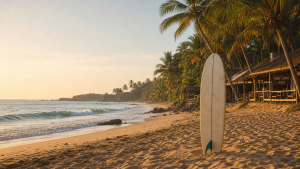
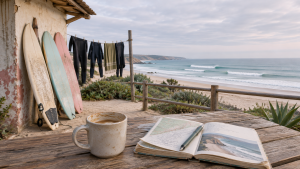
You’ve decided to book a surf camp. Now you’re stuck on a question that forums answer badly: Costa Rica or Morocco? Both have beginner-friendly beaches, both have well-developed camp scenes, and both are great for your first week standing up on a board. They feel very different once you land, though, and the differences hit hardest in the first few days, when water temperature, wave size and travel fatigue decide how much you enjoy learning.
This guide compares the two on what matters to a first-timer: how reliably you’ll find waves you can ride, how comfortable you’ll be in the water, how easy the trip is to pull off, and what the rest of your day looks like. Which one works better for you depends on the month you travel, how you feel about cooler water and how far you’re willing to fly.
Quick verdict: Costa Rica for warm water, Morocco for a short flight from Europe
If you want the easiest physical experience, pick Costa Rica. Tropical Pacific water means you can learn in a rash vest or a thin shorty, and beach breaks near Tamarindo and Nosara are used for lessons all year. If you’re travelling from Europe, want a short flight and are happy to wear a wetsuit, pick Morocco. Taghazout and Tamraght have a mature camp scene, plenty of sandy beginner beaches, and a swell season that suits learners once you’re on the right break.
| Beginner factor | Costa Rica | Morocco (Taghazout/Tamraght) |
|---|---|---|
| Water comfort | Warm most of the year, thin or no wetsuit | Cooler in winter, wetsuit needed; milder in summer |
| Best learner months | December to April for dry weather; green season works too | Roughly September to April for swell; autumn and spring are the sweet spot |
| Beach friendliness | Wide, sandy beach breaks, many lesson-friendly zones | Sandy beaches plus gentle bay options, with rocky sections nearby |
| Logistics | Long-haul from Europe; transfers of one to several hours | Short flight from much of Europe; under an hour from Agadir airport |
| Likely crowding | Busy in big-name towns in the dry season | Busiest on the main winter points; beginner beaches spread the crowd |
Pros and cons for beginners
Costa Rica pros:
- Warm water keeps you relaxed and in the water longer
- Lots of lesson-friendly beach breaks across several regions
- Easy to combine surf with wildlife, yoga and jungle days
Costa Rica cons:
- Long travel for anyone starting outside the Americas
- Rainy-season afternoons can cut sessions short
- Some famous breaks (Santa Teresa, Dominical) can be powerful for brand-new surfers
Morocco pros:
- Short flights and little or no jet lag for European travellers
- Camps are clustered along a compact stretch, so beginners can switch beaches easily
- Strong cultural add-ons: souks, tagine, mountain and desert day trips
Morocco cons:
- Winter water needs a thicker wetsuit, which makes paddling more tiring
- The famous point breaks look inviting but are for experienced surfers
- Wind can spoil the afternoon session, so mornings matter
Water temperature and wetsuits shape how much you learn
Cold is a learning problem as much as a comfort problem. A shivering beginner paddles worse, concentrates less and gets out of the water sooner. A thick wetsuit fixes the cold but adds bulk, so paddling and popping up feel harder at first. Warm water takes both problems off the table.
Costa Rica: thin suits, with some regional variation
The Pacific coast is warm enough that most beginners surf in a rash vest or a thin shorty. Local variation does exist: in Guanacaste, strong offshore winds in the dry season can cause upwelling that makes the water noticeably cooler for a stretch, so you may feel a chill on early mornings between January and March. A thin spring suit is cheap insurance if you tend to get cold.
Morocco: plan for a winter wetsuit
Taghazout’s Atlantic water peaks at around 21 degrees Celsius in late summer and drops well below that in winter, when most schools put beginners in full wetsuits. In practice, a 3/2mm is fine in summer and the shoulder months, while a 4/3mm is more comfortable in deep winter. Some people add booties on cold mornings. Most Moroccan camps include wetsuit and board in lesson packages, but policies differ, so confirm before you book.
What to pack
- Costa Rica: two rash vests, a thin shorty or spring suit for cool mornings, reef-safe sunscreen, a hat for between sessions
- Morocco in winter: a 4/3mm if you own one (otherwise rent), booties if you feel the cold, a warm hoodie and a changing robe for the beach
- Morocco in summer: a 3/2mm, plus a wind layer for the afternoons
Best months for beginners
When you pick a month, you’re balancing three things: rideable waves, water you won’t dread, and winds that don’t ruin the session.
Costa Rica: dry season versus green season
Costa Rica has a dry season from December to April and a rainy, or “green”, season from May to November. The dry season gives you sunnier days, offshore mornings and the biggest crowds. The green season brings larger swells, more variable conditions and afternoon downpours. Many beginners learn happily in the green season, because schools schedule lessons for the calmer mornings and lodging is often cheaper. For the most predictable week, aim for the dry season; if you’re flexible, the shoulder months either side are a smart compromise.
Morocco: the swell window
Taghazout’s waves work best from roughly September to April, when Atlantic swell is consistent. For a beginner, the nuance is that deep-winter swell can overwhelm the famous points while the sandy beaches stay manageable, so camps often move beginner lessons to sheltered corners. Autumn and spring are generally friendlier for learners: the swell is still around, the water hasn’t hit its coldest and the days are warmer. Our where to surf in November guide shows how Morocco and Costa Rica compare at that time of year.
If you can only travel in a certain window
- December to April: Costa Rica is the easier pick, with dry weather and warm water.
- October, November or March: Morocco is a strong option, with swell, mild weather and lighter crowds than peak winter.
- June to August: Costa Rica’s green season offers warm water and fewer visitors, while Morocco has small, gentle waves that suit total beginners but less consistency.
- Deep winter with a low tolerance for cold: Costa Rica again.
Top beginner spots: where the lessons actually happen
Beginner-friendly doesn’t mean a break is always easy. It means the wave breaks softly, the bottom is sand, and a lesson can run safely most days. Every spot below still needs a check on tide, swell and currents with your instructor.
Costa Rica
- Tamarindo (Guanacaste): a long, sandy beach with soft whitewater and plenty of peaks, which is why it’s the country’s best-known lesson hub. Watch for crowds and for rips near the river mouth at some tides. Our Tamarindo surf camps guide covers camp options.
- Playa Guiones (Nosara): a long, mellow beach break with several peaks, so schools can spread students out. The vibe skews towards yoga and wellness. See our Nosara surf camps guide.
- Santa Teresa and Playa Carmen (Nicoya Peninsula): consistent beach breaks with a boho town feel (compare camps in our Santa Teresa surf camps guide). Waves can have real power on bigger days, so beginners do best in smaller sections and early sessions. Our Santa Teresa surf guide explains how to read the breaks.
- Jacó (Central Pacific): a busy beach town close to San José, with steady waves on the main beach. Currents can be strong, so stay where the lifeguards direct you.
- Playa Espadilla (Manuel Antonio): a gentle beach break next to the national park, good if you want wildlife on your rest day.
Morocco
- Taghazout village beach: a sandy bay right by the camps, with softer waves when the swell isn’t too big. Mind the rocks at the edges.
- Devil’s Rock and Panorama: used by schools when the swell is small to moderate. Check conditions daily, because some sections have rocks and a faster takeoff.
- Tamraght and Banana Beach area: sandy beach breaks that suit lessons and give options when Taghazout is busy. Tide changes shift the shape, so camps plan around the tide chart.
- Imsouane (The Bay): a famously long, slow wave inside a bay, popular with longboarders and beginners. It’s about an hour and a half north of Taghazout, so it’s usually a day trip, and the main takeoff can get crowded.
For the camp scene, our Morocco surf camps guide maps Taghazout, Tamraght and Imsouane by what each zone is good for.
How to evaluate any beginner surf camp
- Group size. Ask how many students per instructor. Around four or fewer per coach is a good sign.
- Instructor qualifications. Look for recognised coaching certification (ISA or national federation awards), current first aid and water-rescue training, and a clear safety briefing.
- Beach rotation. A good camp picks the break based on swell, tide and wind, not the same beach every day.
- Video analysis. Video review is one of the quickest ways to fix a bad pop-up.
- Equipment. Soft-top boards in the right size for your weight, in decent condition, and wetsuits that fit.
- Structure beyond the water. Dry-land warm-ups, stretching and a rest day help your body recover.
Costa Rica’s strength is the sheer number of surf hubs, so a beginner can usually find a camp in the zone with the right conditions that week. Morocco’s strength is concentration: dozens of camps within a short drive and flexible beach choices. Our Taghazout surf camps guide can help you sort the options, and our best beginner surf camps in Europe and Morocco guide names specific picks.
Travel logistics: airports and transfers
Costa Rica
Most travellers fly into San José (SJO) or Liberia (LIR). Liberia is the better choice for Tamarindo, about an hour to an hour and a quarter by shuttle, and for Nosara, which is a longer drive. San José suits Jacó and the Central Pacific, and works for Santa Teresa too, though that route is long and often involves a ferry or a domestic flight. From North America, direct flights to both airports are common; from Europe you’ll usually connect.
Morocco
Taghazout camps are served by Agadir Al Massira Airport (AGA), south-east of Agadir. Taghazout is a small fishing village around 19 km north of the city, so the transfer typically takes under an hour depending on traffic. Many European airlines fly direct to Agadir, which keeps the travel day short. Imsouane takes longer by road.
What a 7-day camp typically includes, and what costs extra
Prices change by season, location and accommodation, so treat any number you read online with caution until you know what’s inside it. In general, camps fall into three tiers:
- Budget: shared dorms or simple rooms, fewer lessons, basic meals or self-catering
- Mid-range: private or semi-private rooms, a lesson most days, breakfast and sometimes dinner, board and wetsuit included
- Comfort: boutique hotel or resort, small-group coaching, video analysis, all meals, transfers
A typical week includes five or six lesson days, a rest day, board and wetsuit, and accommodation. Check these items, which are often extra:
- Airport transfers
- Wetsuit rental, especially in Morocco
- Board upgrades once you outgrow a soft-top
- Surf photo or video packages
- Travel and medical insurance
- Meals beyond breakfast
- Extra lessons or private coaching
- Activities such as yoga, ATV tours or desert excursions
Compare two or three current listings in each country on the same terms (lessons per day, group size, meals) before you decide which is the better value.
Safety and what you can realistically learn in a week
- Rip currents. They exist on nearly every beach break. Your instructor should show you how to spot one and what to do: swim parallel to the shore, don’t fight it.
- Reefs and rocks. More relevant in Morocco, where parts of the coast have rocky ledges. Stay on the beginner beach your coach picks.
- Sun. Tropical sun is intense. Wear a rash vest, a hat and reef-safe sunscreen.
- Cold. In a Moroccan winter, a poorly fitting wetsuit can lead to real chills. If you’re shivering, get out and warm up.
As for outcomes, expect solid progress rather than mastery. By day seven, most beginners with good coaching can paddle into small waves, get to their feet on a good share of attempts and ride towards the shore. Turning and surfing unbroken waves comes later. You’ll progress faster if you sleep well, do the warm-ups, drink plenty of water and let your coach pick the wave.
Two 7-day sample itineraries
Costa Rica (Tamarindo or Nosara base)
- Day 1: arrive, transfer, gear fitting, a short beach safety briefing, an early night
- Day 2: morning lesson on whitewater, covering paddling and pop-up practice
- Day 3: morning lesson with small unbroken waves; afternoon stretch or pool time
- Day 4: morning lesson, then video review in the afternoon
- Day 5: rest or nature day: a jungle walk, boat tour or yoga
- Day 6: morning lesson at a second beach, with a longer session
- Day 7: final session, video feedback and a plan for your next steps
Aim for early mornings, when winds are lighter. In the rainy season, afternoons often bring storms.
Morocco (Taghazout or Tamraght base)
- Day 1: fly into Agadir, transfer, settle in, gear fitting, an evening walk
- Day 2: beach lesson on whitewater, mostly pop-up fundamentals
- Day 3: move to a second beach based on the swell, working on paddling and timing
- Day 4: morning lesson, video review in the afternoon
- Day 5: rest day with a souk trip, a Paradise Valley outing or a hammam
- Day 6: a longer session, possibly a day trip to Imsouane for slow, forgiving waves
- Day 7: final lesson and feedback
Morning sessions often have lighter wind; afternoon onshore breezes can make conditions choppy, so plan your biggest effort early.
Decision checklist: Costa Rica or Morocco?
Choose Costa Rica if:
- Warm water is a top priority
- You’re travelling between December and April, or you don’t mind rain
- You’re based in North America with a direct flight
- You like a relaxed, eco-adventure feel with wellness options
Choose Morocco if:
- You’re travelling from Europe and want a short flight
- You’re fine with a wetsuit and cooler water
- You’re travelling between autumn and spring
- You like a surf town with a cultural side: food, markets and mountain trips
Before booking any camp, confirm the lesson format and number per day, group size and instructor ratio, board sizing and upgrade policy, wetsuit rental terms, airport transfers, and refund and rescheduling terms.
If you’re still torn, start with the calendar: your travel month will usually make the decision for you. Then browse our Costa Rica surf camps and Morocco surf camps guides to compare real options side by side.
See you in the line-up.