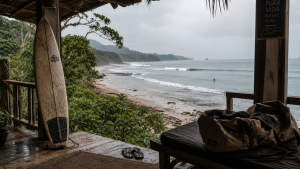
You’ve watched the videos, maybe tried a lesson on holiday once, and now you want a proper week of learning in the ocean with good people around you. Europe is a smart place to do it. Surf camps cluster along the Atlantic coast from Portugal to Brittany, sandy beach breaks make forgiving classrooms, and flights are short and cheap compared with most long-haul surf trips.
The hard part is choosing. Camp websites all promise “beginner-friendly” waves, and the details that matter (group size, included gear, the right month to go) are scattered or buried. This guide pulls those details together. It covers ten beginner-suitable camps across Portugal, France and Morocco, plus practical guidance for Spain, the Canary Islands, the UK and Ireland. It also explains seasons, what a lesson actually looks like, and what to ask before you pay a deposit.
How we chose these beginner surf camps
Every camp here had to clear the same few hurdles.
- Beginner fit. The camp runs a clearly labelled beginner programme and teaches on sandy, forgiving beach breaks rather than reef or point breaks.
- Coaching structure. It works in small groups with a progression: beach theory, whitewater practice, then unbroken waves.
- Package transparency. At minimum, a board and wetsuit are included, and the lodging type and course length are easy to find.
- Logistics. The learning beach is close to the accommodation, and the camp is reachable from a major airport without a heroic journey.
- Regional spread. The list covers different coastlines so you can match a camp to your travel dates, not just a pretty photo.
One honest caveat: prices, group caps and age limits change by season and by package, so we haven’t printed per-camp numbers that could be stale by the time you read this. Where a figure has a public source, we cite it. For everything else, the spec table further down tells you exactly what to confirm on the camp’s own booking page.
Best beginner surf camps in Portugal
Portugal has the densest camp scene in Europe, and the best all-round learning window is autumn. September and October usually bring consistent but manageable conditions, with warm-ish water and thinner crowds than summer. For the full country picture, see our best surf camps in Portugal guide.
Peniche and Baleal
Peniche is a peninsula, which is its secret for beginners: when the wind or swell is wrong on one side, there’s usually a sheltered beach on the other. The long, sandy beaches around Baleal are where most lessons happen. Our Peniche surf camp guide covers the area in more depth.
For context on cost, Travel-Surf’s 2026 Peniche guide quotes roughly €350 to €740 per week depending on season and room type. That’s a useful benchmark for the whole area, though it doesn’t speak for any one camp.
1. Baleal Surf Camp. A family-run operation founded in 1993, which makes it Portugal’s first surf camp and a rare survivor in a business where camps open and close quickly. Its surf base sits right on the sand at Baleal.
- Works well for families and mixed-ability groups travelling together.
- Worth checking: package inclusions sit a few clicks deep on the website, so confirm board, wetsuit and group size in writing.
2. Peniche Surf Lodge. A family-run lodge on the edge of Peniche’s old town, in the quiet streets just back from Papoa beach. Packages combine lessons, equipment and transport between spots.
- Works well for beginners who want the buzz of town, with restaurants and the harbour on foot.
- Worth checking: you’ll be driven to the day’s beach rather than walking, so ask how transport is handled and whether it’s included.
3. Shark’s Lodge. A renovated Baleal property around 200 metres from the Atlantic, with two pools, tennis courts and a gym alongside the surf course.
- Works well for beginners who want a short walk to the water and plenty to do between sessions.
- Worth checking: Baleal’s beaches can be busy in the water in peak summer, so ask which beach lessons run on.
Ericeira
Ericeira became Europe’s first World Surfing Reserve in 2011 and sits about 45 minutes from Lisbon, which makes logistics easy. Many of its famous breaks are reef or rock-bottomed, so beginners should choose a camp that teaches on the sandy beaches. Our Ericeira surf camp guide lists the options.
4. Rapture Surf Camp. An international, all-levels camp with a sociable crowd and a well-oiled lesson programme.
- Works well for first-timers and solo travellers who want a lively, social week.
- Worth checking: confirm that beginner sessions run on sandy beaches such as Foz do Lizandro rather than the reefs in town.
Best beginner surf camps in France
France is the surprise pick for beginners, because summer is the easy season. July and August in the Landes tend to be smaller and more approachable than the heavier shoulder-season and winter swells. Our best surf camps in France guide covers the whole coast, and our guides to Hossegor and the Landes and to Lacanau go into the individual towns.
5. Nature Surf Camp, Messanges. A Landes camp set among pine forest, with a pool, a shared kitchen and long open beach breaks nearby.
- Works well for beginners who want a relaxed, nature-first setting a short drive from Hossegor.
- Worth checking: you’ll likely want a car or confirmed shuttles for restaurants and groceries, and the camp is seasonal, so check opening dates.
6. Silver’Landes Surf Camp, Léon. A small, family-run surf house on the edge of the Landes forest, farther north and quieter than Hossegor itself. Lessons run with the camp’s own instructor, one or two a day depending on the package.
- Works well for travellers who’d rather avoid the busiest summer crowds.
- Worth checking: the area is rural, so confirm transfer times from Biarritz or Bordeaux airports.
7. Cheeky Family Surf School and Camp, Lacanau-Océan. Lacanau is the Gironde coast’s surf capital, with consistent beach breaks and a sociable town. Cheeky Family is a French Surfing Federation-labelled school whose instructors are all from Lacanau, and it also runs surf-and-yoga stays.
- Works well for parents, couples and anyone who wants yoga alongside lessons.
- Worth checking: the Gironde coast is exposed, so on bigger days lessons may shift to the smaller inside waves.
Best beginner surf camps in Morocco
Morocco is the closest warm-sun option to Europe, with direct flights to Agadir from many European cities. Taghazout and Tamraght have a camp culture similar to Portugal’s, usually with lower prices. Our best surf camps in Morocco guide compares the main zones.
8. Surf Maroc, Taghazout. Founded in 2003, Surf Maroc is one of the longest-running operators in Taghazout, with several oceanfront properties and lessons for all abilities, often starting on sandy beaches with gentle whitewater.
- Works well for beginners who want structured instruction in a lively, backpacker-friendly town.
- Worth checking: famous point breaks such as Anchor Point are for experienced surfers, so confirm your lessons run on gentler beach breaks nearby.
9. Azul Guesthouse, Taghazout Bay. A boutique, coaching-led guesthouse with a calmer, smaller feel.
- Works well for couples or solo travellers who want a quieter stay and personalised feedback.
- Worth checking: smaller properties fill up early for peak months.
Our Taghazout surf camp guide covers the zone in full.
Milder-water beginner options: the Algarve and the Canary Islands
Nothing in the Atlantic is truly warm, but a few places stay mild enough that you can spend long sessions in the water without your lips going blue. Comfort matters more than people expect: a cold beginner tires quickly and gets fewer waves.
The Algarve
10. Russo Surfcamp, Vale Figueiras. A spacious surf villa inside the Costa Vicentina natural park, a few minutes from the uncrowded beach break at Vale Figueiras, with a pool and daily yoga included. Our Algarve surf camp guide covers the Aljezur, Sagres and Lagos zones.
- Works well for travellers who want space, nature and yoga in addition to lessons.
- Worth checking: the west-facing beaches pick up big swell from November to April, so beginners should aim for spring or autumn.
The Canary Islands
Lanzarote and Fuerteventura have the mildest winters in Europe’s surf range, with roughly October to March as the high-season wave period. Beginners should treat that as a wave-quality window, not a guarantee of small surf: winter swells can be sizeable, so lessons depend on the day’s beach choice.
We haven’t named a specific Canary camp here because we couldn’t verify package specs for one. For Lanzarote in particular, check group sizes closely: some lesson listings advertise one instructor for every eight students, twice the density of the 4:1 or 5:1 groups many beginners prefer.
Best budget and family picks
Budget
Budget camps generally save money through dorm rooms, shorter packages and simpler inclusions. They don’t have to compromise on coaching. Peniche (Travel-Surf’s €350 lower bound is a rough off-season reference) and Morocco are the strongest value zones, and Léon or Messanges in the shoulder season can undercut peak Hossegor. When comparing, make sure a cheaper price still includes board, wetsuit and instruction, not just lodging.
Families and kids
Baleal Surf Camp and Cheeky Family are the clearest family-first options on this list. For any camp, confirm four things in writing:
- the minimum age for lessons
- whether family rooms are available
- whether kids are taught in separate, smaller groups
- how lesson times fit around nap or school-age schedules
Children’s lessons should stay in shallow whitewater with an instructor close enough to reach them. Ask how the camp handles that.
UK, Ireland and mainland Spain: where they fit
Cornwall and Devon in England, plus Bundoran and Lahinch in Ireland, have excellent beginner infrastructure and lots of schools. Water is cold, roughly 8 to 17 degrees Celsius across the year, so a thick wetsuit is part of the experience. Late spring to early autumn (about May to September) is the beginner sweet spot. See our guide to surfing in England for the main beaches.
Mainland Spain has beginner-friendly beaches in the Basque Country (such as Zarautz), Cantabria and Galicia. As in the UK, the water is cooler and summer is the easiest season. As with the Canaries, verify the camp’s package details before booking.
When to book: season by region
| Region | Easiest beginner window | What to expect |
|---|---|---|
| Portugal | September to October, plus late spring | Consistent, manageable waves; summer is busier and can be windy |
| France (Landes, Gironde) | July to August, with June and September also good | Smaller summer surf; big autumn and winter swells |
| Canary Islands | October to March for waves | Mild water, but winter swell can be large |
| UK and Ireland | May to September | Cold water; thicker suits all year |
| Morocco | Spring and autumn shoulders | Warm air, strong sun; winter has bigger swell |
Waves depend on daily swell, wind and tide, so no month is a promise.
What a beginner surf camp week looks like
Most mornings start with a beach session: how to read the water, safety rules, how to pop up on the sand. Then you go in on a soft-top foam board, which is wider and more buoyant than a hard board and much more forgiving of mistakes. Many camps film a session and review the footage with you that evening.
Your first week’s goals should be modest. Day one is usually about standing up on whitewater. By day three or four, you’re aiming to turn and ride longer. By the end of seven days, you may be picking your own waves, which is the real milestone. That’s why a seven-day course tends to feel more satisfying than a four-day one: the extra days let your body catch up with what your head already knows.
Group size shapes all of this. Ratios typically run from 1:1 for private coaching to about 4:1 or 5:1 for beginner groups, and anything larger means fewer waves and less feedback per person.
A beginner spec sheet to confirm before booking:
| Question | A good answer looks like |
|---|---|
| Student-to-instructor ratio | 4:1 to 6:1 for beginners |
| Board and wetsuit included | Yes, soft-top board and wetsuit |
| Course length | 4 or 7 days, with lessons daily |
| Lesson format | Beach theory plus in-water coaching |
| Learning beach | Sandy beach break, short transfer |
| Insurance | Stated clearly |
| Cancellation or reschedule policy | Weather and swell handled in writing |
Packing, wetsuits and ocean safety
Most camps supply the board, leash and wetsuit, so your bag can stay light. Pack a rash vest, swimwear you can move in, reef- and ocean-friendly sunscreen, flip-flops, a quick-dry towel and a refillable water bottle. For cold-water destinations, ask whether boots, gloves and hoods are included.
Wetsuit thickness follows water temperature. As rough guidance:
- 3/2mm for summer or milder-water spots
- 4/3mm for shoulder seasons in Portugal, France or Morocco
- 5/4mm, often with boots, for the UK and Ireland or deep winter
Before you go in, confirm how your school handles tides, currents and rips. A good camp will explain where to swim, how to signal for help and what to do if you’re pulled sideways, before you touch a board.
For transfers, the nearest hubs are Lisbon for Ericeira and Peniche, Faro for the Algarve, Biarritz or Bordeaux for the Landes and Gironde, Lanzarote’s airport for Famara, and Agadir for Taghazout. Ask whether the camp offers a pickup and what it costs.
FAQ
Do I need to swim well to start surfing?
You need to be comfortable in water over your head and able to swim a short distance without panic. Most schools will ask about your swimming ability and will keep you in shallow whitewater at first.
How many days do I need for real progress?
Four days gets you standing and riding whitewater. Seven gives you time to start choosing your own waves. If you can only manage a few days, pick a camp with daily lessons.
Is gear included?
At most beginner camps, yes: board, wetsuit and often a leash. Always confirm in writing, along with whether boots or hoods cost extra.
What if I’m travelling solo or with a partner?
Most camps group beginners by ability, not by who you booked with. If you want to learn alongside a partner, ask whether you can be placed in the same session.
What cancellation rules should I look for?
Look for flexibility on weather and swell, a clear deposit policy, and written terms on rescheduling lessons you miss through illness or unsafe conditions.
Choosing the camp that fits your trip
Start with your dates, because season narrows the list faster than anything else. Autumn points to Portugal, summer to France, winter to the Canaries, and spring or autumn to Morocco. From there, pick the vibe: a family-run original in Baleal, a quiet pine-forest camp in the Landes, a boutique guesthouse in Taghazout, or a nature-park villa in the Algarve. Then run your shortlist through the spec table and get the answers in writing. If you’d like to compare zones more broadly, our guide to the best surf destinations in the world puts Europe’s surf towns alongside other regions so you can see how they stack up.
You don’t need to be fearless to start. A forgiving beach, a small group and a good instructor are enough, and most of the rest comes from showing up and being willing to fall in.
See you in the line-up.