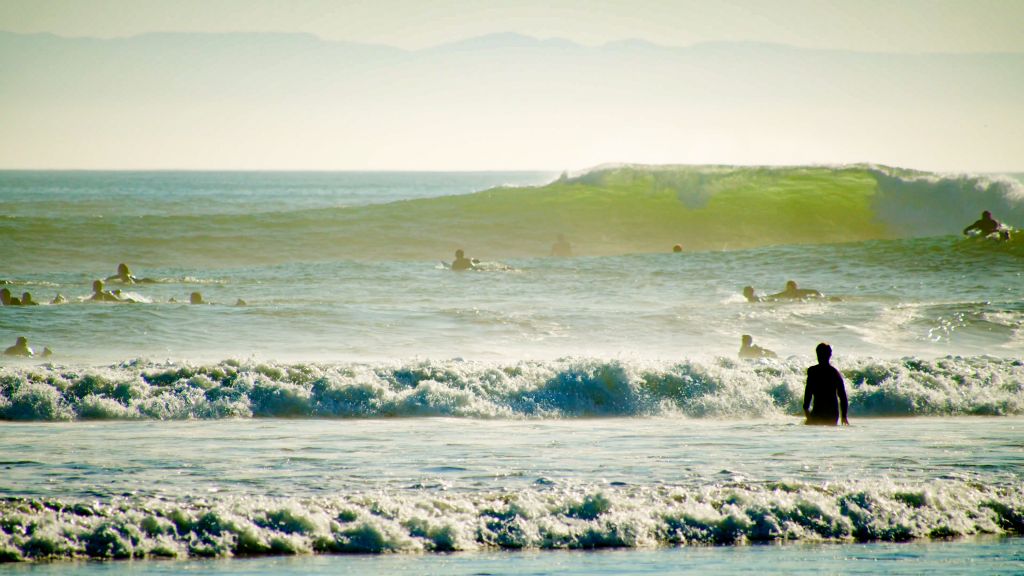
Rincon is the wave I’d point to if someone asked me what a perfect right-hand point looks like. Sitting right on the line between Santa Barbara and Ventura counties, the Queen of the Coast is widely rated the best point in California, a long cobblestone right that on the right winter swell links section after section into one of the longest, most rippable walls in the state. It is not a secret and it is not friendly to beginners, but if you can surf and you time it right, a session at Rincon is a rite of passage. This is a marquee stop on our guide to surfing in California. Here’s how the point breaks down, when it fires, and where to surf nearby.
Quick surf guide to Rincon
- Best season: winter (November to March) on NW and W swells; near-flat in summer
- Best for beginners: C Street and the Emma Wood inside, not Rincon itself
- Best for advanced: the Indicator, the Cove, Little Rincon
- Wave type: a long cobblestone right point in three linking sections
- Water temp: 12 to 19°C, a 4/3 and booties in winter, a 3/2 otherwise
- Crowds: heavy, competitive and localized, one of the busiest points in the state
- Getting there: Santa Barbara (SBA) 25 minutes, LAX 1.5 to 2 hours; a car is essential
- Budget: $120 to $220 a day, coastal California is expensive
Where to surf at Rincon
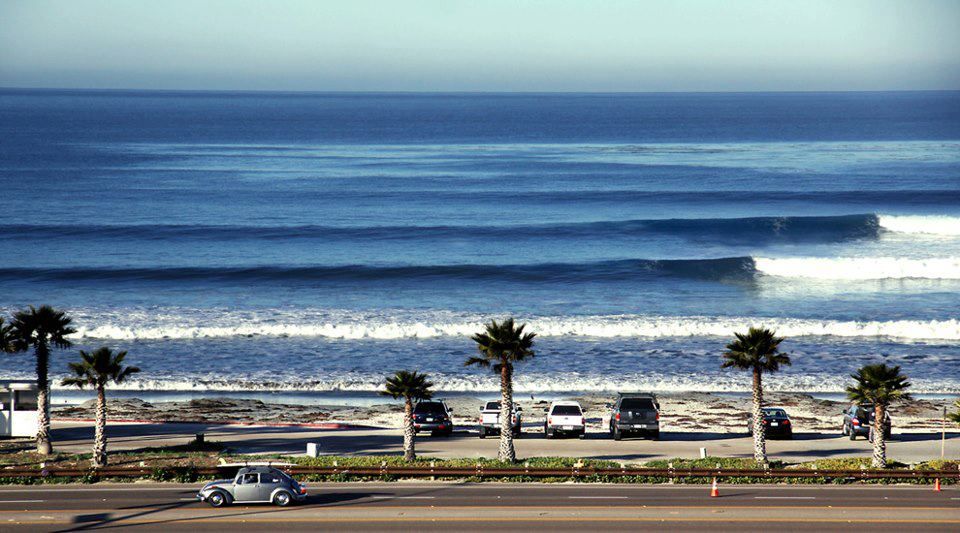
Rincon is really one long point split into three named sections that link up on the best days, plus a handful of nearby spots worth pairing with a trip. Tap a marker to preview a break, then click its name to jump to my full rundown below.
Rincon Point, section by section
The point breaks in three parts from the outside in. On a big, clean day they connect into one impossibly long right; most days you pick the section that suits the swell and the tide.
The Indicator
The Indicator is the outermost section and the first to break, so it is where you sit when the swell is up and you want the longest possible ride. It is the hardest part of the point to link inward and it draws the more experienced crew on the bigger days. Sit wide, be patient for the set waves, and if you connect from here all the way through, you’ll understand why people plan whole winters around this place.
The Rivermouth
The middle section, by the mouth of Rincon Creek, is the most sought-after take-off on the point and the most crowded. On a low tide after rain, when the creek has shaped the cobblestone banks, it can throw genuine barrels, and the wave gets fatter and more forgiving as the tide fills in. It is the heart of Rincon and the peak everyone jostles for, so expect a serious lineup and mind your manners.
The Cove
The Cove is the inside section, a long, workable right shoulder that wraps almost ninety degrees toward the beach and holds up for turn after turn. It is the best all-round part of the point for most surfers and, unsurprisingly, always busy. Watch the cobblestones and rocks as the wave runs dry on the inside, where a lot of the point’s dings and injuries happen. Pick your wave, commit, and enjoy the ride of the day.
Nearby spots to pair with Rincon
Rincon needs the right swell and tide, so it pays to know the backups. These are the spots I’d surf when the Queen isn’t cooperating, or when you want somewhere friendlier.
Little Rincon (Mussel Shoals)
Five minutes south by Rincon Island pier, Little Rincon is a shorter, punchier right point that works on the same NW swells as its famous namesake. It is bowlier and faster, and it usually holds a lighter crowd, so it makes a solid overflow option when the main point is a zoo. A good place to get your own waves when everyone else is fighting for the Rivermouth.
Emma Wood
Just up the Ventura coast, Emma Wood has a fun inside A-frame that suits improvers and an outer reef that jumps up into one of the bigger waves on this stretch when a solid NW arrives. The inside works for both goofy and regular footers, which makes it a friendly change of pace from the one-way right of Rincon. A good spot to build confidence before you paddle out at the Queen.
C Street (Surfers Point)
In the town of Ventura, about thirty minutes south, C Street is the reliable, friendly fallback: a long cobble-and-sand point with several peaks that catches swell from almost any direction and has one of the highest surfable-day counts anywhere. It is longboard heaven and forgiving enough for improvers, spread out enough to share, and the natural place to surf when Rincon is flat or too crowded to bother.
When to surf Rincon
Shoulder
Summer (near-flat)
Rincon is a winter wave, plain and simple. From November to March the North Pacific fires W and NW swells that wrap around the point and light it up, and the best days often pair a solid swell with a cold, clean offshore blowing down out of the Santa Ynez mountains. October and December are prime for the direct W swells that push the Indicator and connect the sections. When it is on in winter, it is one of the best waves in the country, which is exactly why the whole region shows up.
Summer is the opposite story. From roughly June to September the Channel Islands and Point Conception shadow the coast from swell, and Rincon goes near-flat, so the local action moves to the occasional south-swell peaks at the Ventura beach breaks. Spring and autumn are transitional, with the odd good day. If you are making a special trip for Rincon, come in winter and watch the charts.
Surf schools and where to stay near Rincon
Rincon is a self-guided, bring-your-own-board wave rather than a surf-camp destination, so there is no lesson scene at the point itself, and honestly it is no place to learn. If you’re finding your feet, take a lesson down the coast at C Street in Ventura, which has the mellow waves and the schools, and treat Rincon as a goal to work toward. There are no hotels at the point (just private homes), so base yourself nearby: Carpinteria is closest at about ten minutes, Ventura is fifteen to twenty and has the most spots and options, and Santa Barbara at twenty-five minutes has the widest choice of places to stay and eat.
Compare surf camps in California on BookSurfCamps
What to pack for Rincon
Cold winter water and slippery cobblestones are the two things to plan for. My Rincon checklist:
- A wetsuit: a 4/3 and 3mm booties through the winter point season, with a hood on the coldest mornings, and a 3/2 the rest of the year
- The right board: a step-up or a good all-round shortboard for the point, or a longboard if you are surfing C Street; see our board guide and check your board volume
- A surf watch for the tides, which make or break the sections here, and a spare leash
- A car and patience for parking: the lots off the 101 at Bates Road fill fast on swell days
Getting to Rincon
Rincon sits right off Highway 101 at the Santa Barbara and Ventura county line, so it is easy to reach but you’ll need a car; there is no lodging or transit at the point. The nearest airport is Santa Barbara (SBA), about twenty-five minutes away, while LAX is a one-and-a-half to two hour drive south. There are two public parking lots off the 101 at the Bates Road exit, a smaller south lot on the Ventura side that serves the Cove and a larger north lot for the outside sections, and both fill quickly when the swell is up, so arrive early. If you’re planning a wider trip up or down the coast, pair this with surfing in California.
Frequently asked questions
Is Rincon good for beginner surfers?
No. Rincon is an intermediate-and-up wave with cold water, cobblestones and a heavy, competitive lineup. Beginners should learn down the coast at C Street in Ventura or on the inside at Emma Wood, and work up to Rincon once they can confidently ride a wave and read a crowded point.
When is the best time to surf Rincon?
Winter, roughly November to March, on W and NW swells, ideally with a cold offshore wind out of the Santa Ynez mountains. October and December are especially good for the direct west swells that connect the sections. Summer goes near-flat as the Channel Islands block the swell.
What is the best section to surf at Rincon?
The Cove is the best all-round section, a long, workable inside right that holds up for turn after turn. The Rivermouth barrels on a low tide after rain, and the Indicator is the outside section you sit at for the longest possible ride on a big day.
Do I need a wetsuit to surf Rincon?
Yes. Water runs cold, around 12 to 15 degrees Celsius in winter, so you’ll want a 4/3 and booties, with a hood on the coldest days. In the warmer months a 3/2 is enough. This is not boardshorts surfing.
How crowded and localized is surfing at Rincon?
Very. Rincon is one of the most crowded points in California, sitting right off the 101, and it has an established, protective local crew. Expect a packed lineup on any good winter swell, wait your turn, don’t drop in, and don’t paddle out on a foamie.
Can you surf Rincon year-round?
Not really. Rincon is a winter wave that relies on North Pacific swells wrapping into the point, and it goes flat for much of the summer. For year-round surf in the area you’re better off at the Ventura beach breaks and C Street, which pick up summer south swells.
Rincon earns its Queen of the Coast crown on those cold, clean winter mornings when a west swell wraps the point and the sections link into one endless right. It is not for beginners and it is never uncrowded, but if you can surf, timing a session here is one of the great California experiences. Bring a warm wetsuit, respect the locals and the tides, and cut your teeth at C Street first. See you in the lineup.