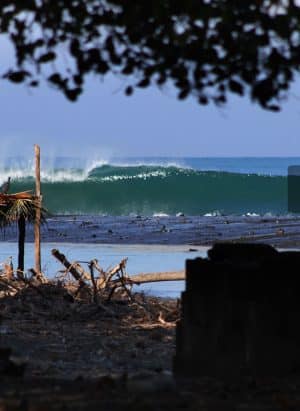
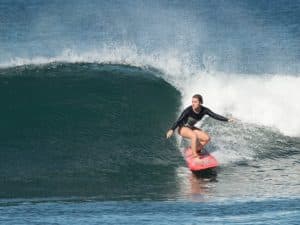
Let me be honest with you from the first line: Valencia is a fantastic city that happens to have surf, not a surf destination with a city attached. This is the Mediterranean, which means no reliable groundswell, so the waves here depend on local windswell and the easterly Levante storms that roll through mostly in autumn and winter. When it works, and it does, you get small, playful, short-period beach-break peaks a tram ride from a beautiful city, cheap tapas and Europe’s best paella. Treat it as a fun bonus to a Valencia trip rather than a dedicated mission, and you will love it. This is a realistic stop on our guide to surfing in Spain. Here’s where and when the waves show up, and how to make the most of them.
Quick surf guide to Valencia
- Best season: autumn to winter (October to March) on easterly Levante storms; usually flat in summer
- Best for beginners: La Patacona, Malvarrosa
- Best on its day: El Saler, Cullera
- Wave type: small, wind-dependent Mediterranean beach breaks
- Water temp: 13 to 28°C, a 4/3 in winter down to boardshorts in summer
- Crowds: busy at La Patacona when it works, quieter at the outer spots
- Getting there: Valencia (VLC), metro and tram to the beaches
- Budget: €50 to €90 a day, good value for a European city
Where to surf in Valencia
The most reliable waves are on the city beaches, with a few more exposed spots north and south worth a drive when a swell is running. Tap a marker to preview a break, then click its name to jump to my full rundown below.
The city beaches
Right in front of Valencia, a tram ride from the old town, are the most consistent and beginner-friendly waves in the area.
La Patacona
La Patacona, just north of the marina, is the de facto surf hub of Valencia and the most consistent wave in the city, which is why it is the learner’s beach and where the board rentals set up on the sand. It picks up the local windswell a touch better than its neighbors and shapes into sandy, forgiving peaks, ideal for a first lesson or an easy session. It gets busy when a swell is running, so it is worth checking first, but it is a lovely spot to paddle out beside a great city.
Malvarrosa
Malvarrosa, and the Las Arenas stretch beside it, is the classic Valencia town beach, a wide sweep of sand backed by paella restaurants and promenade life. The marina breakwaters help bulk up the sandbanks near the harbor end, so the best peaks tend to be down that way. It is a touch less consistent than La Patacona but shares the same easy, beginner-friendly character on its day, and the setting, right on the city’s doorstep, is hard to beat for convenience.
North and south of the city
When a real Levante swell is running, these more exposed spots a short drive away can offer better shape and more room.
El Puig
A short drive north of the city, El Puig is a more exposed beach break that catches a bit more of the easterly and northeasterly windswell, and it stays quieter than the busy city beaches. It is nothing dramatic, but a car and a look up here can pay off when Valencia is small and crowded. A handy option for a bit more space on a modest swell.
El Saler
South of the city in the Albufera nature reserve, El Saler and the Devesa stretch is a long, exposed, pine-backed beach with A-frame sandbanks that can offer the best-shaped waves in the area on a solid Levante swell. Because it is long and needs a car to reach, the crowd spreads right out and you can often find your own peak. My pick when there is real swell about and I want quality and space over the convenience of the city beaches.
Cullera
About forty minutes south, Cullera sits by the mouth of the Jucar river, where the jetty and river banks focus the swell into the longest, best-shaped rides in the area, up to fifty or sixty meters on a good day. It faces a touch more to the east, so it can be working when a westerly wind has blown the city beaches out. Quieter and a proper little drive, it is the reward for chasing the swell rather than just rolling down to the tram stop.
When to surf in Valencia
Shoulder
Summer (usually flat)
Valencia is an autumn and winter wave. From roughly October to March, Mediterranean storm systems and easterly Levante winds whip up windswell along this coast, and when that pairs with an offshore westerly Poniente in the morning you get the cleanest, most rideable days of the year. It is never big or long-period like an ocean swell, but a solid Levante can deliver fun, punchy chest-high peaks for a day or two before it fades.
Summer, roughly June to August, is the flat season: the Mediterranean goes glassy and lake-like, and you can go weeks without a rideable wave, the rare exception being a large, refracted Atlantic swell that sneaks around. The upside is warm water and a beautiful city to enjoy while you wait. Whenever you visit, surf in the morning before the sea breeze builds and messes up the short-period waves, and keep your expectations in tune with the Med.
Surf schools and where to stay in Valencia
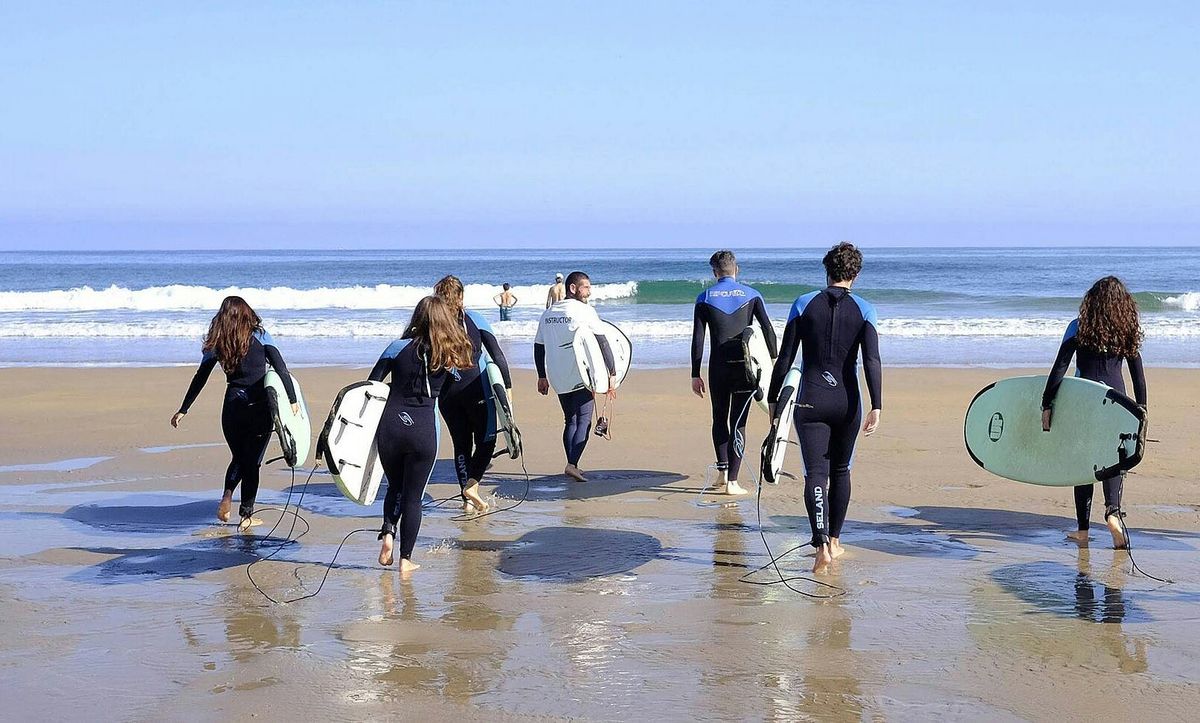
Valencia has a friendly little surf-school and board-rental scene based mostly on the sand at La Patacona and Malvarrosa, which is perfect for a lesson on a windswell day. Stay in a seaside neighborhood like El Cabanyal or between Las Arenas and La Patacona so you can surf morning and evening and tram into the historic center in around half an hour; the old town suits a sightseeing-first trip. Note that the trams and metro are not keen on boards, so basing yourself near the sand saves a lot of hassle. A car is worth it if you want to chase the outer spots at El Saler and Cullera.
Compare surf camps in Spain on BookSurfCamps
What to pack for Valencia
Swingy water temperatures and small, short-period waves are what to plan for. My Valencia checklist:
- A wetsuit matched to the season: a 4/3 in winter, a 3/2 in spring and autumn, and boardshorts or a springsuit in the warm (but usually flat) summer
- A board with plenty of float for small, weak waves: a longboard, mid-length or groveler works best; check your board volume
- Reef-safe SPF and a surf hat for the strong Spanish sun
- A spare leash, and if you are learning, see our best beginner surfboards
Getting to Valencia
Valencia is easy to reach, with its own airport (VLC) served by budget airlines across Europe and fast AVE trains from Madrid, Barcelona and Seville if you are already in Spain. From the center, the metro and tram get you to the city beaches in around half an hour, though they discourage boards, so staying near the sand is simplest. A rental car helps only if you want to chase the outer spots at El Puig, El Saler and Cullera on a swell. If you are planning a wider trip, pair this with surfing in Spain, whose Atlantic north coast and Canary Islands offer far more consistent waves.
Frequently asked questions
Is Valencia good for beginner surfers?
Yes, when there are waves. The city beaches of La Patacona and Malvarrosa are sandy, gentle and forgiving, with surf schools and board rentals on the sand, which makes them a nice place for a first lesson. The catch is consistency: you need a windswell running, which is far from guaranteed.
When is the best time to surf in Valencia?
Autumn to winter, roughly October to March, when Mediterranean storms and easterly Levante winds generate windswell. Surf in the morning before the sea breeze builds, ideally with an offshore westerly. Summer is usually flat, so it is not the time for a surf-focused visit.
What is the best surf spot in Valencia?
La Patacona is the most consistent and beginner-friendly city beach. For better-shaped waves when a real Levante swell is running, drive south to the exposed A-frame sandbanks at El Saler or the river-mouth sandbank at Cullera, which offers the longest rides in the area.
Do I need a wetsuit to surf in Valencia?
Yes, for most of the year. The Mediterranean here ranges from about 13 degrees in winter to 28 in summer, so a 4/3 works in winter, a 3/2 in spring and autumn, and boardshorts or a springsuit in the warm summer, when it is usually flat anyway.
Is Valencia actually a good place to surf?
Honestly, it is a bonus rather than a dedicated surf trip. Valencia has small, inconsistent, wind-dependent Mediterranean waves that are fun on their day but flat much of the time, especially in summer. Come for the city and the culture, and treat scoring a windswell as a happy extra.
Can you surf in Valencia year-round?
Not reliably. There can be waves in any month, but they only turn up with the autumn and winter storm season; summer is largely flat. So while Valencia is technically surfable year-round, the realistic window for finding rideable waves is roughly October to March.
Valencia will never be a wave-hunter’s dream, and that is fine, because it offers something different: a beautiful, affordable city where you can grab a fun windswell session on the right autumn or winter morning, then wander back for tapas and paella. Keep your expectations Mediterranean, surf the mornings, chase the Levante, and enjoy one of Spain’s great cities with a board under your arm. See you in the lineup.