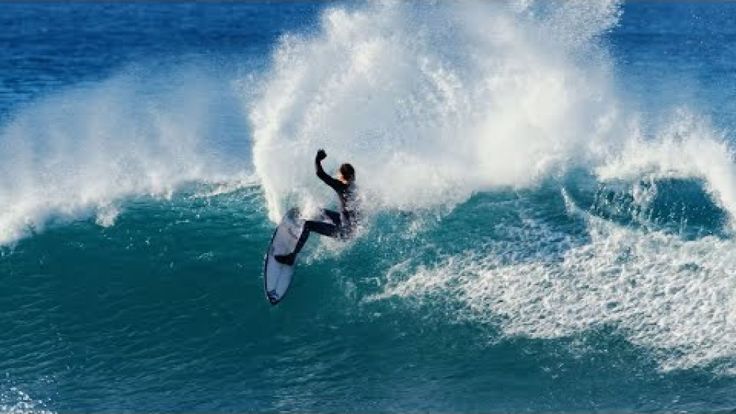
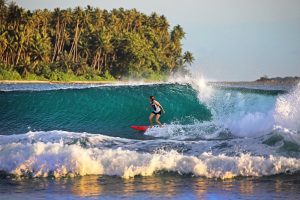
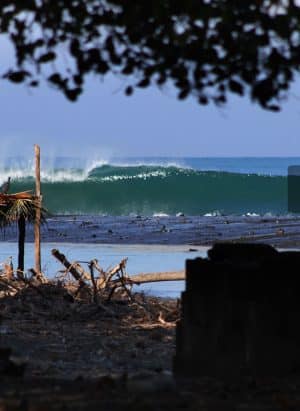
Bells Beach is holy ground for Australian surfers. On the Surf Coast near Torquay, at the eastern gateway of the Great Ocean Road, this powerful right-hand point breaks below wind-battered sandstone cliffs and hosts the Rip Curl Pro, the longest-running professional surf contest in the world. It is the birthplace of Rip Curl, the wave every Aussie grom dreams of, and the cold, raw heart of Victorian surf culture. It is not a beginner wave and the water is cold, but on a big autumn groundswell there are few more meaningful places to paddle out. This is a landmark stop on our guide to surfing in Australia. Here’s how the zone breaks down, when it fires, and where beginners should go instead.
Quick surf guide to Bells Beach
- Best season: autumn to winter (April to October) for big SW Southern Ocean groundswell
- Best for beginners: Jan Juc and Torquay, not Bells itself
- Best for advanced: the Bells Bowl, Winkipop, Southside
- Wave type: powerful right-hand point and reef breaks over sandstone ledges
- Water temp: 13 to 19°C, a 3/2 in summer and a 4/3 with booties in winter
- Crowds: busy and competitive on swell, with a strong local pecking order
- Getting there: Melbourne (MEL), about 1.5 hours; base in Torquay
- Budget: $110 to $200 a day, coastal Victoria is not cheap
Where to surf at Bells Beach
Bells and its faster neighbor Winkipop are the marquee waves, backed up by Southside and, for learners, the beach breaks around Torquay. Tap a marker to preview a break, then click its name to jump to my full rundown below.
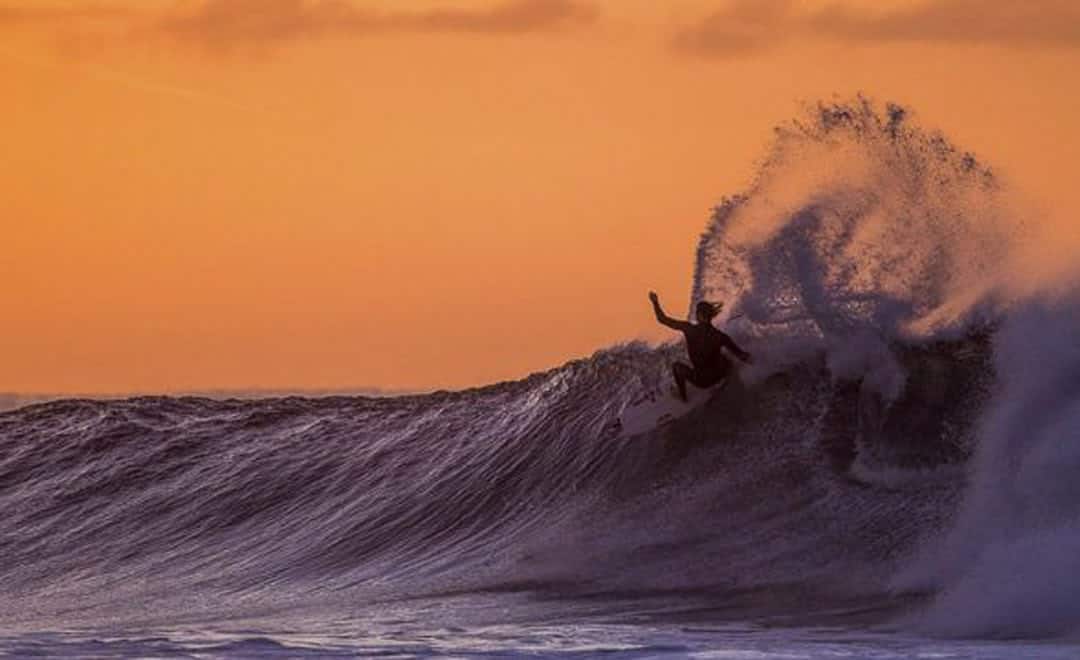
Bells Beach (the Bowl)
The Bells Bowl is the wave that made the place famous: a powerful right that swings wide and walls up over a sandstone reef, made for big, drawn-out power carves rather than tight barrels. It genuinely comes alive on the solid southwest groundswells of autumn and winter, connecting toward the beach on the biggest days, and it holds size with real authority. It is an advanced wave with a competitive, crowded lineup and a strong local pecking order, so pick your moment, wait your turn, and savor a wave every Australian surfer knows by heart.
Winkipop
Right next door to Bells, Winkipop, or Winki, is the faster, hollower, more down-the-line right that plenty of surfers rate above Bells itself. It reels along the reef in long, racy walls with two connecting sections, rewarding a strong frontside attack and punishing hesitation. It handles size and when the Surf Coast lights up in winter this is where the best surfers paddle out, so expect a heavy crowd, a strong pecking order and shallow reef to respect. My pick of the two on its day.
Southside
Just southwest of the main Bowl, Southside is the reef that switches on when the swell gets bigger, and it makes a useful overflow when Bells is packed or maxing out. It is another powerful, advanced wave rather than anywhere to ease in, but the crowd is usually lighter than at the marquee peaks. Worth knowing about for the days when the whole Surf Coast is firing and you want a little more room.
Jan Juc and Torquay
This is where you actually learn to surf on this coast. A few minutes north of Bells, the beach breaks at Jan Juc and the softer point and beach at Torquay are usually a good foot smaller and far more forgiving than the reefs, with surf schools in town and room to spread out. Jan Juc has more power and rips when it is big, so start on the mellow days, and treat Bells and Winki as waves to work toward once you are confident and reading lineups well.
When to surf Bells Beach
Shoulder
Summer (smaller, windier)
Bells is an autumn and winter wave. From roughly April to October, big low-pressure systems in the Southern Ocean send powerful SW groundswell into the Surf Coast, and that is when Bells, Winkipop and Southside come into their own. It is no coincidence that the Rip Curl Pro runs around Easter: the swell is at its most reliable and the reefs are at their best. The trade-off is cold water and cold winds, so bring good rubber.
Summer, December to February, is smaller, windier and more hit-and-miss on the reefs, though it rarely goes completely flat, and the beach breaks at Torquay and Jan Juc often have the most fun, manageable waves. Spring and early autumn are the shoulder seasons, with the odd excellent day. Whenever you come, the mornings with a light offshore northwesterly are the ones to chase.
Surf schools and where to stay at Bells Beach
Bells is a self-guided reef wave rather than a lesson spot, so if you are learning you take a lesson in nearby Torquay and treat Bells as a goal. Base yourself in Torquay, the birthplace of Rip Curl and Quiksilver, which has the surf shops, cafes, the National Surfing Museum and every kind of accommodation from caravan parks to resorts, all ten minutes from the reefs. Quieter Jan Juc, right by its own surf beach, is a lovely alternative. A car is essential here, since the spots are cliff-access car parks strung along the coast. For camps further afield across the country, see our guide to surfing in Australia.
Compare surf camps in Australia on BookSurfCamps
What to pack for Bells Beach
Cold Southern Ocean water and powerful waves are what to plan for. My Bells checklist:
- A wetsuit: a 3/2 in summer, and a 4/3 with 3mm booties in winter, plus a hood and gloves on the coldest, biggest days
- The right board: a step-up or a strong all-round shortboard for the power of Bells and Winki, or a longboard if you are learning at Torquay; check your board volume
- A surf watch for the tides and a strong leash for the powerful reefs
- A car and warm layers for the clifftop car parks, and if you are learning, see our best beginner surfboards
Getting to Bells Beach
Bells is about an hour and a half southwest of Melbourne airport (MEL) via the M1 and the Surf Coast Highway, with Torquay the base town just ten minutes away. You will want a car, as the spots are clifftop car parks along the coast with limited public transport. Bells sits at the start of the Great Ocean Road, so it pairs beautifully with a wider road trip down one of the world’s great coastal drives. If you are planning a bigger trip, pair this with surfing in Australia, and note that Sydney’s beaches, including Bondi, are a short flight away for a warmer contrast.
Frequently asked questions
Is Bells Beach good for beginner surfers?
No. Bells and Winkipop are powerful, cold reef and point waves for advanced surfers. Beginners should learn a few minutes north at the beach breaks around Torquay and Jan Juc, which are smaller and more forgiving, with surf schools in town, and work up to Bells once they are confident.
When is the best time to surf Bells Beach?
Autumn to winter, roughly April to October, when big southwest Southern Ocean groundswells hit the Surf Coast. This is why the Rip Curl Pro runs around Easter. Summer is smaller and windier and better for the beach breaks, so time a Bells trip for the colder months and bring good rubber.
What is the best wave, Bells or Winkipop?
Bells, the Bowl, is the iconic wave, a long, powerful right made for big carves. Winkipop, right next door, is faster, hollower and walls for longer, and many surfers rate it the better ride. Both are advanced waves with strong local crews, so respect the etiquette at each.
Do I need a wetsuit to surf Bells Beach?
Yes, always. The water runs cold, about 13 to 19 degrees Celsius, so you will want a 3/2 in summer and a 4/3 with booties in winter, adding a hood and gloves on the coldest days. This is not boardshorts surfing.
How crowded and localized is surfing at Bells Beach?
Bells and Winkipop get busy and competitive on any good swell, with an established local pecking order. Respect the etiquette, do not drop in, and be patient. Southside is a quieter overflow when the swell is big, and the Torquay beach breaks spread everyone out.
Can you surf Bells Beach year-round?
Yes, it is surfable all year and rarely completely flat, but it is very much a cold-season wave. Autumn and winter deliver the big southwest groundswells that Bells and Winkipop need, while summer is smaller and windier and better suited to the nearby beach breaks.
Bells Beach is more than a wave, it is a piece of surfing history you can paddle into, a cold, powerful right below the cliffs where the sport grew up in Australia. Learn at Torquay first, bring warm rubber and a board with backbone, come on an autumn groundswell, and respect the locals and the reef. See you in the lineup.