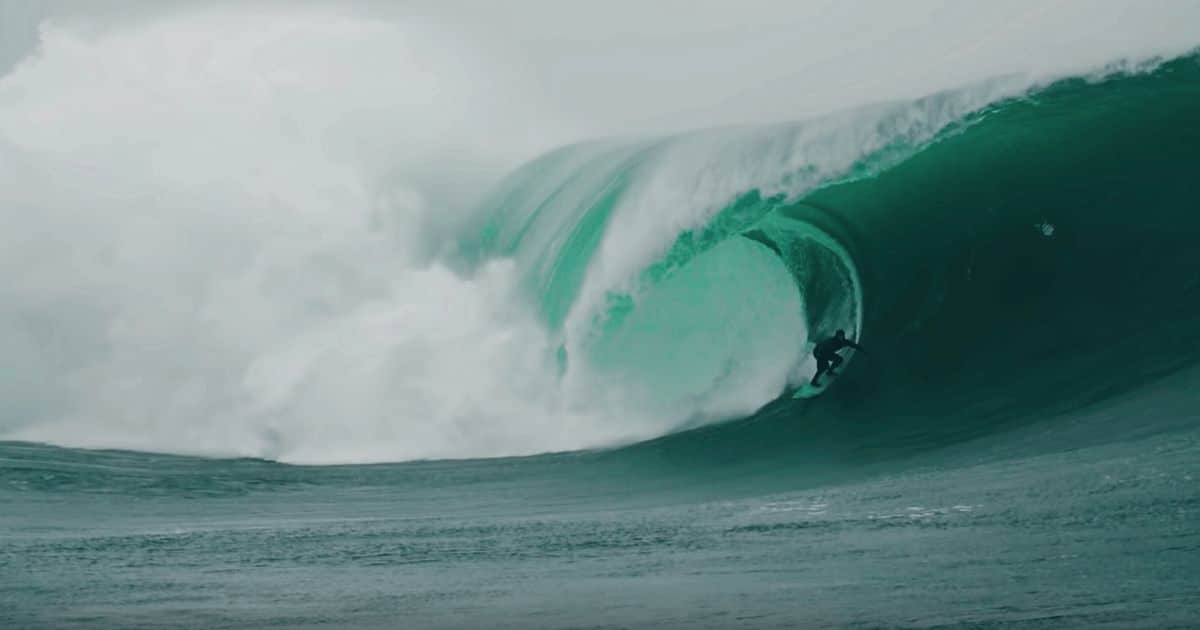
Let me be honest from the first wave: Mullaghmore is not a place most of us will ever surf. This cold, powerful slab breaking beneath a headland in County Sligo is one of the heaviest big-wave spots in Europe, a thick, mutating left ridden by a tiny band of tow and paddle specialists on the biggest winter storms. For everyone else, it is one of the great spectacles in surfing, best watched from the headland with a flask of tea. The good news is that the surrounding Donegal Bay coast has genuinely brilliant, surfable waves for the rest of us, from beginner beaches to serious reefs. This is a dramatic stop on our guide to surfing in Ireland. Here’s Mullaghmore and where to actually paddle out nearby, when to go, and how to set up.
Quick surf guide to Mullaghmore
- Best season: autumn to winter (October to March) for the big Atlantic storms; summer for learning nearby
- Best for beginners: Tullan Strand, Streedagh
- Best for advanced: Bundoran (The Peak), Easkey; Mullaghmore Head is expert big-wave only
- Wave type: a heavy big-wave reef slab plus nearby beach and reef breaks
- Water temp: 7 to 17°C, a 5/4/3 with hood, gloves and boots in winter, a 3/2 in summer
- Crowds: spectators at Mullaghmore, busy lineups at Bundoran on good days
- Getting there: Ireland West Knock (NOC), about 1 to 1.5 hours; a car is essential
- Budget: €60 to €110 a day
Where to surf around Mullaghmore
Mullaghmore Head is the marquee big-wave spot, but the surfable breaks for the rest of us line the coast around Bundoran and west into Sligo. Tap a marker to preview a break, then click its name to jump to my full rundown below.
The big one
Mullaghmore Head is a world-class big-wave slab and, for all but a handful of surfers, a wave to watch rather than ride.
Mullaghmore Head
Mullaghmore Head only wakes up when a huge North Atlantic storm sends a fifteen-foot-plus swell into the coast, and when it does it throws a thick, unpredictable slab over a shallow, barnacled reef ledge. It is tow and paddle territory for elite big-wave surfers, with jet-ski rescue crews on standby and consequences to match, in the same conversation as the heaviest waves in Europe. I’ll be completely straight: this is a watch-from-the-car wave for everyone except a tiny group of specialists. Park on the headland loop road, wrap up warm, and enjoy one of surfing’s great shows.
Where everyone else surfs
The coast around Bundoran and west into Sligo is where the rest of us paddle out, with waves for every level from first-timer to reef-hardened.
Tullan Strand
Just outside Bundoran, Tullan Strand is one of Ireland’s most consistent beach breaks and the place to learn on this coast. Its sandy peaks are forgiving, the surf schools run their lessons here, and the whitewater on a high tide is ideal for first-timers. It has more power and rips when it is bigger, so start on the mellow days, but for finding your feet in Irish surf this is the beach.
Bundoran (The Peak)
In the middle of Bundoran, The Peak is Ireland’s most famous shortboard wave: a horseshoe reef that throws a long, walling left and a shorter, bowling right over shallow rock. It was the first officially protected wave in Ireland, and it draws a strong, established crew when it is on, so it gets busy and a little territorial. Best seen at low tide in its perfect form, it is a genuine reef wave for confident intermediates and up, not a place to learn.
Streedagh
A wild, three-kilometer strand a little west of Mullaghmore, Streedagh is the versatile, uncrowded alternative to busy Bundoran, where novices and better surfers spread out along a mix of beach peaks and reef. Pick a mellow sandy peak if you are learning, or seek out the reef if you have the experience. Beautiful, exposed and usually quiet, it is a lovely place to escape the crowds.
Easkey
Further west along the Sligo coast, Easkey is one of Ireland’s classic reef setups, with Easkey Left a long, forgiving-ish wall that works across the tides and holds size, and Easkey Right a shorter, hollower and shallower barrel. Both are experienced-surfer territory over rock, in a historic, exposed spot that can hold a local crew. A rite of passage for anyone stepping up to Irish reef surfing.
When to surf around Mullaghmore
Shoulder
Summer (small, warmest, best for beginners)
If you are here to see Mullaghmore do its thing, come in the autumn and winter, roughly October to March, when deep Atlantic low-pressure systems drive the huge northwest and west swells the slab needs. December to March is the core of the big-wave season, and January in particular often serves up the standout days. This is also when the reefs at Bundoran and Easkey are at their best for experienced surfers, so bring your warmest rubber.
Summer, June to August, is the friendly season and, for beginners, the best time to come: the surf is smaller and gentler, the water is at its warmest and the beaches at Tullan and Streedagh are perfect for lessons. Mullaghmore Head effectively does not break in summer, so this is about learning and cruising rather than chasing size. Spring and early autumn are the reliable shoulders for intermediates.
Surf schools and where to stay around Mullaghmore
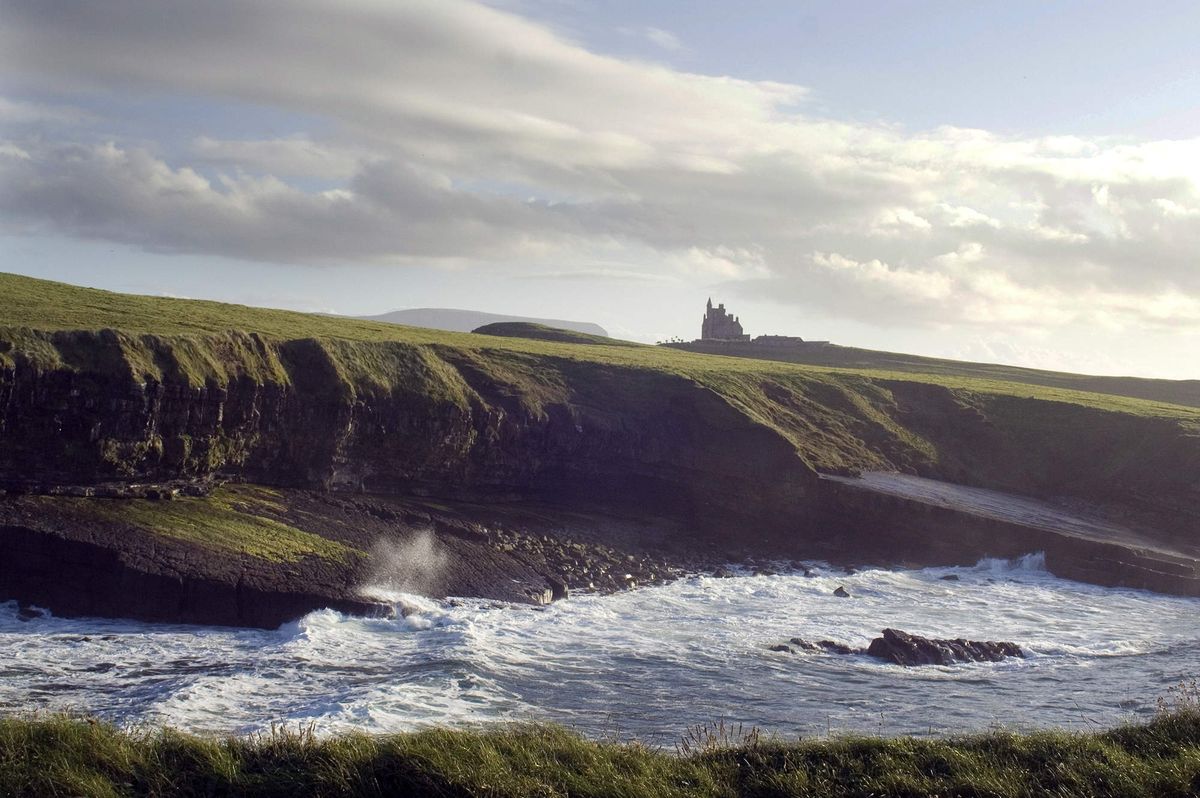
Base yourself in Bundoran, Ireland’s surf capital and about fifteen minutes from Mullaghmore Head, which has the surf schools, board hire, food and nightlife, plus easy reach of every break in the area. If you are learning, take a lesson at Tullan Strand and treat the reefs and Mullaghmore as waves to watch or work toward. For an atmospheric big-wave-watching winter trip, the cottages and inns around Mullaghmore village, under the shadow of Classiebawn Castle, are a wonderful alternative. A hire car is essential to move between the spots. For a wider trip, see our guide to surfing in Ireland.
Compare surf camps in Ireland on BookSurfCamps
What to pack for Mullaghmore
Cold Atlantic water and powerful waves are what to plan for. My checklist for this coast:
- A proper cold-water wetsuit: a 5/4/3 with a hood, gloves and boots in winter, and a 3/2 in the summer months
- The right board: a longboard or foamie for learning at Tullan, a shortboard or step-up for the reefs; check your board volume
- A surf watch for the tides and a strong leash for the reefs
- Warm layers, waterproofs and a hot flask for the headland, and if you are learning, see our best beginner surfboards
Getting to Mullaghmore
The nearest airport is Ireland West Airport Knock (NOC), roughly an hour to an hour and a half away, with Donegal’s small regional airport and Dublin, about three hours by road, as alternatives. A hire car is essential here: Mullaghmore Head and the outer spots at Streedagh and Easkey are remote, with no practical public transport, and you’ll want the freedom to chase the conditions along this stretch of the Wild Atlantic Way. If you’re planning a wider trip, pair this with surfing in Ireland, and note that Bundoran’s own breaks, like The Peak, are right on the doorstep.
Frequently asked questions
Is Mullaghmore good for beginner surfers?
No, absolutely not. Mullaghmore Head is one of the heaviest big-wave slabs in Europe, strictly for elite tow and paddle surfers. Beginners should learn on the sandy beach at Tullan Strand near Bundoran, or on the mellow peaks at Streedagh, and never paddle out at Mullaghmore itself.
When is the best time to surf around Mullaghmore?
For the big-wave spectacle at Mullaghmore, autumn and winter, roughly October to March, when the Atlantic storms deliver huge swells, with January often the standout. To actually surf as a beginner or intermediate, come in summer and the shoulder seasons, when the nearby beaches and reefs are smaller and friendlier.
What is the best surf spot near Mullaghmore?
It depends on your level. Beginners should surf Tullan Strand or the sandy peaks at Streedagh. Confident surfers have The Peak in Bundoran, a famous reef left and right, and the classic reefs at Easkey further west. Mullaghmore Head itself is expert big-wave only.
Do I need a wetsuit to surf around Mullaghmore?
Yes, and a warm one. This is cold Atlantic water, from about 7 degrees in winter to 17 in summer, so you’ll want a 5/4/3 with a hood, gloves and boots in the colder months and a 3/2 in summer. A hood becomes essential once the water drops below about 8 degrees.
How crowded is surfing around Mullaghmore?
Mullaghmore Head has only a handful of surfers in the water but often a crowd of spectators on the cliff. Bundoran’s The Peak and Tullan Strand get busy and can be local on good days, while Streedagh and the Easkey reefs to the west are usually much quieter.
Can you surf around Mullaghmore year-round?
Yes. The beaches and reefs around Bundoran and Sligo are highly consistent and work all year, so there is nearly always a wave for the right level. Mullaghmore Head, however, only breaks on the big winter storms and is effectively flat in summer.
Mullaghmore is a humbling place: a wave that reminds you how big and powerful the ocean can get, ridden by a brave few and watched in awe by the rest of us. Come in winter for the spectacle, learn at Tullan and Streedagh in the warmer months, respect the cold and the reefs, and soak up one of the most dramatic surf coasts in Europe. See you in the lineup.