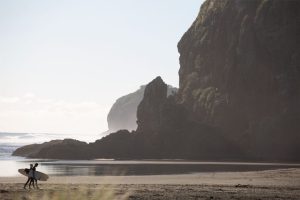
Let me be straight about Tarifa: it is the wind capital of Europe, a world-class kite and windsurf town at the very southern tip of mainland Spain, where the Atlantic meets the Mediterranean across the Strait of Gibraltar. As a pure surf destination it is limited, its beaches surfable only on the rare winter day when a swell arrives and the near-constant Levante and Poniente winds happen to drop. But the setting is spectacular, the winter Atlantic does deliver, and Tarifa makes a brilliant, lively base for driving to the far better beach breaks and reefs up the Costa de la Luz. This is an honest, wind-swept stop on our guide to surfing in Spain. Here’s the real picture, when to go, and where to actually score.
Quick surf guide to Tarifa
- Best season: winter (November to March) for Atlantic W/SW swell; summer is flat and strictly for wind sports
- Best for beginners: Los Lances on a calm day, Bolonia
- Best for advanced: Canos de Meca, Punta Paloma
- Wave type: sandy beach breaks in town, plus a reef and better beaches a drive away
- Water temp: 15 to 23°C, a 3/2 in the surf season, springsuit in the shoulder
- The catch: Tarifa is the windiest corner of Europe; you need swell and a rare wind lull together
- Getting there: Jerez (XRY) about 1h15, Gibraltar (GIB) 45 min, Malaga (AGP) about 1h45; a car is essential
- Budget: €55 to €150 a day
Where to surf in Tarifa
The town beaches are wind beaches that occasionally surf, with the real surf a drive north up the Costa de la Luz. Tap a marker to preview a break, then click its name to jump to my full rundown below.
In Tarifa
These are primarily kite and windsurf beaches that pick up surf only when a swell arrives and the wind drops, but on those rare clean days they can be fun.
Los Lances
Tarifa’s long town beach is the main surf option, a seven-kilometer strand that goes waist to overhead on the rare clean winter day when a swell lands and the wind lulls. Mostly, though, it belongs to the kiters and windsurfers who make Tarifa famous, and it is only really surfable when the near-constant wind drops. Catch it on one of those still mornings and it is a fun, mellow beach break right in front of town; the rest of the time, keep your board in the car.
Valdevaqueros
A wide bay ten minutes northwest of town, Valdevaqueros is world-famous for kite and windsurf and, like Los Lances, gets fun, consistent sand-bottom waves only on the odd swell day when the wind allows. When it does line up it can throw a punchier, more powerful peak than the town beach, one for intermediates and up. Otherwise it is firmly the kiters’ domain, so check the wind forecast before you even think about surfing.
Punta Paloma
The most genuinely surfy spot on the Tarifa strip: a mixed sand-and-rock point that peels longer, fatter rights and finds a sheltered corner when the wind is up. It draws the odd comparison to a mini point break, and it is the pick when you want something with a bit more shape than the town beaches. Remote, crumbly and only occasionally good, but on its day the best wave close to Tarifa itself.
Where to actually score (a drive away)
The real reason to base in Tarifa is the coast to the north: a Levante-sheltered beach, a quality reef, and the best beach break in Andalusia within an hour.
Bolonia
About 25 minutes up the coast, the Roman-ruins beach of Bolonia picks up short-period S and SE swell that other spots miss, and, crucially, its headland shelters it from the Levante easterly. That makes it the clever fallback on the days a strong Levante blows everything else to pieces, a mellow beach break with a bit of protection. Not a world-beater, but a genuinely useful option when the wind is doing its worst.
Canos de Meca
About 50 minutes north near Cape Trafalgar, Canos de Meca is the area’s quality wave: a powerful, hollow reef and point over a small, shallow take-off zone for experienced surfers, plus a mellower longboard reef that offers long rides. It is fickle and tide-sensitive, sheltered from some winds by the cliffs and pines, and gets crowded on the good weekends. If you want a proper, powerful wave near Tarifa, this is the one to drive for.
From here it is a short hop further to El Palmar, the most consistent and beginner-friendly beach break in Andalusia, and the spot Tarifa surfers most often drive to when the town is blown out.
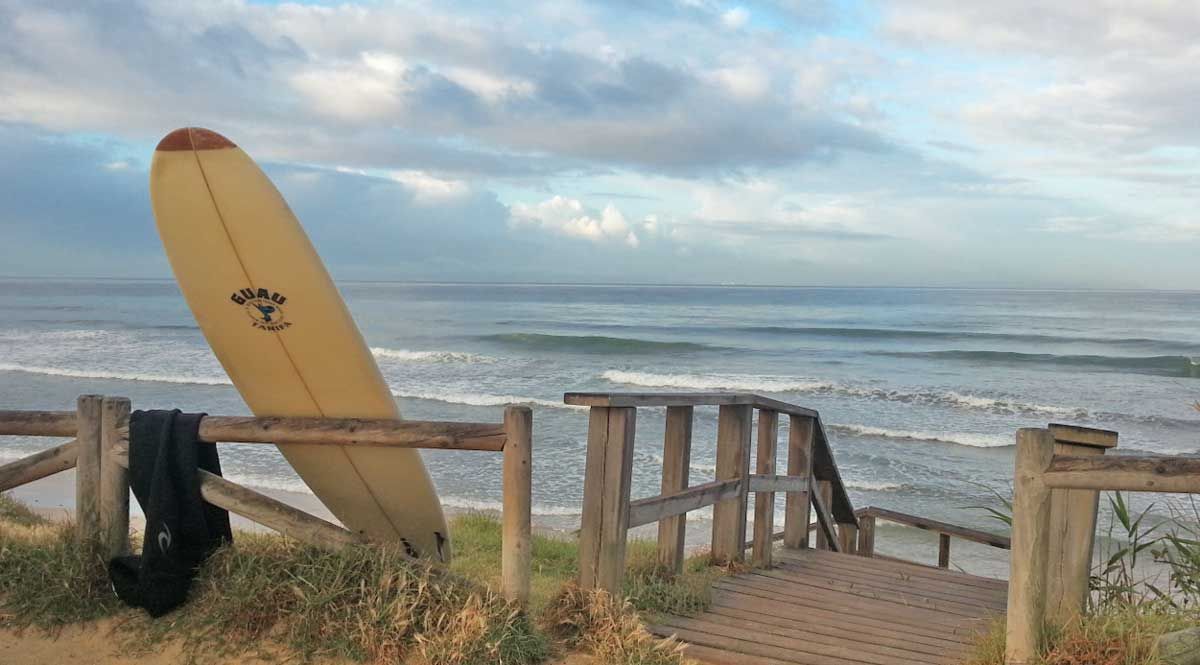
When to surf in Tarifa
Shoulder
Summer (flat, wind-sports season)
Tarifa surfs in winter or not much at all. From roughly November to March, Atlantic depressions send W and SW groundswell toward this corner of the coast, and on the days a swell coincides with a lull in the wind, the beaches and nearby reefs come to life. October and April are the shoulder months. The whole thing hinges on the wind: Tarifa sits in the windiest spot in Europe, where the Levante easterly and Poniente westerly blow hard for much of the year and frequently flatten or chop out the surf, so scoring means catching swell and calm together, which do not line up often.
Summer, roughly May to August, is essentially flat for surfers and given over entirely to kitesurfing and windsurfing in the reliable thermal winds. If you are a surfer, come in winter, watch the forecast obsessively for that swell-plus-lull window, and have the car ready to chase shelter up the coast when the wind turns on. A 3/2 wetsuit covers the surf season, with a springsuit fine in the shoulder.
Surf, wind and where to stay in Tarifa
Tarifa is a fun, cosmopolitan little town built around board sports, so while the dedicated surf-camp scene is thin, there are plenty of schools, rentals and a buzzing hostel and guesthouse culture, most of it geared to kite and windsurf. Base yourself in the old town for the nightlife and the atmosphere, and treat a car as essential: the real surf is at Canos de Meca, Bolonia and El Palmar, all a drive away, and you will spend your trip chasing the wind between them. It is a place to combine a bit of surf with wind sports, tapas and Andalusian charm rather than a surf-only mission. For the wider country, see our guide to surfing in Spain.
Compare surf camps in Cadiz on BookSurfCamps
What to pack for Tarifa
Mild Atlantic water, relentless wind and a drive-to-score reality are what to plan for. My Tarifa checklist:
- A wetsuit: a 3/2 for the winter surf season, a springsuit in the shoulder months, and boots optional on the coldest days
- The right board: a longboard or foamie for the mellow beach days, a shortboard for Canos and Punta Paloma; see our best beginner surfboards and check your board volume
- A rental car and a good wind-and-swell forecast app, the two things that actually determine whether you surf here, plus a surf watch for the tides at Canos
- Reef-safe SPF, a surf hat and booties for the reef at Canos de Meca
Getting to Tarifa
Tarifa sits at the southern tip of Spain, with a few airport options: Jerez (XRY) is about an hour and 15 minutes away and the nearest domestic hub, Gibraltar (GIB) is the closest at around 45 minutes but has limited flights, and Malaga (AGP) has the best international connections at about an hour and 45 minutes, with Seville a couple of hours. A rental car is essential, because the real surf, at El Palmar, Canos de Meca and Bolonia, is all a drive away and there is no useful public transport for chasing waves. If you’re planning a wider trip, pair this with surfing in Spain, and note that the learner beaches around Cadiz are within an hour north.
Frequently asked questions
Is Tarifa good for surfing?
Honestly, only occasionally. Tarifa is primarily a world-class kite and windsurf town, and its beaches surf well only on the rare winter day when a swell arrives and the strong wind drops. It is best treated as a lively base for driving to far better spots like El Palmar and Canos de Meca rather than a surf destination in its own right.
When is the best time to surf in Tarifa?
Winter, roughly November to March, when Atlantic W and SW swells reach this corner of the coast. The whole thing depends on catching swell together with a lull in the near-constant Levante and Poniente winds, which do not line up often. Summer is flat and given over to wind sports.
Why is Tarifa so windy?
Tarifa sits at the narrow Strait of Gibraltar, where air funnels between the Atlantic and the Mediterranean, creating the powerful Levante (easterly) and Poniente (westerly) winds that blow for much of the year. That makes it the windiest spot in Europe and a kite and windsurf mecca, but it frequently flattens or chops out the surf.
Where should I surf if Tarifa is blown out?
Drive north up the Costa de la Luz. Bolonia is sheltered from the Levante, Canos de Meca near Cape Trafalgar is the quality reef, and El Palmar, about an hour away, is the most consistent, beginner-friendly beach break in Andalusia and the usual go-to when Tarifa is unsurfable.
Do I need a wetsuit to surf in Tarifa?
Yes. The water runs about 15 to 23 degrees Celsius, so a 3/2 covers the winter surf season and a springsuit works in the shoulder months, with boots optional on the coldest days. Since the surf season is winter, plan for cooler water rather than the warm summer temperatures.
Is Tarifa better for surfing or kitesurfing?
Kitesurfing and windsurfing, without question. Tarifa is one of the world’s top wind-sports destinations thanks to its reliable strong winds, while surf is limited and wind-dependent. If you want to combine a little surf with wind sports and Andalusian culture it is superb; for surf alone, use it as a base and drive to the Cadiz coast.
Tarifa is a spectacular, wind-blasted corner of Europe that happens to surf a few days each winter: a kite town first, a surf base second. Come with a car, a forecast app and realistic expectations, chase the swell-and-lull windows, and use it to reach the real waves at Canos de Meca and El Palmar up the coast. Do that, and the wildest tip of Spain still delivers. See you in the lineup.